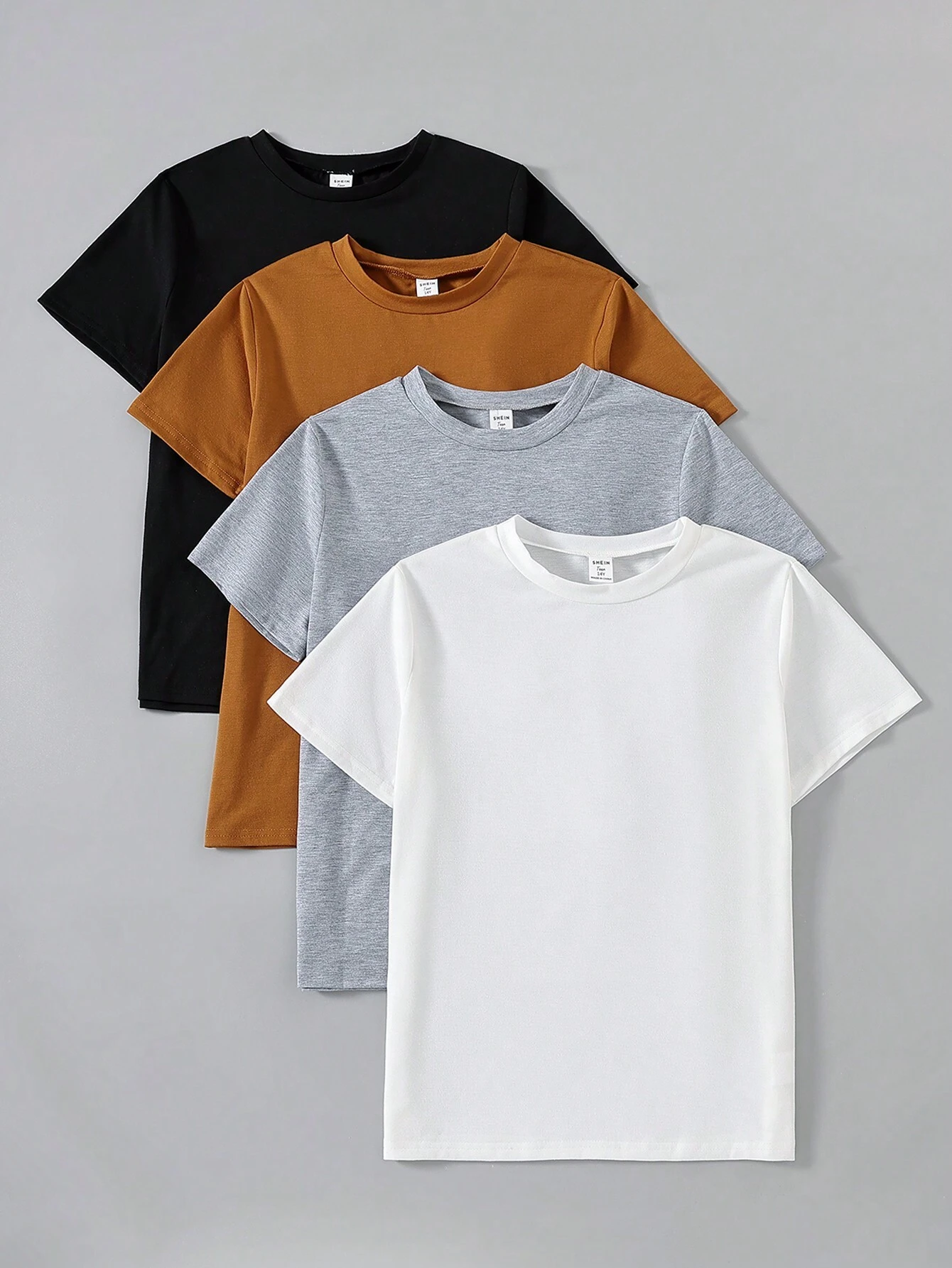
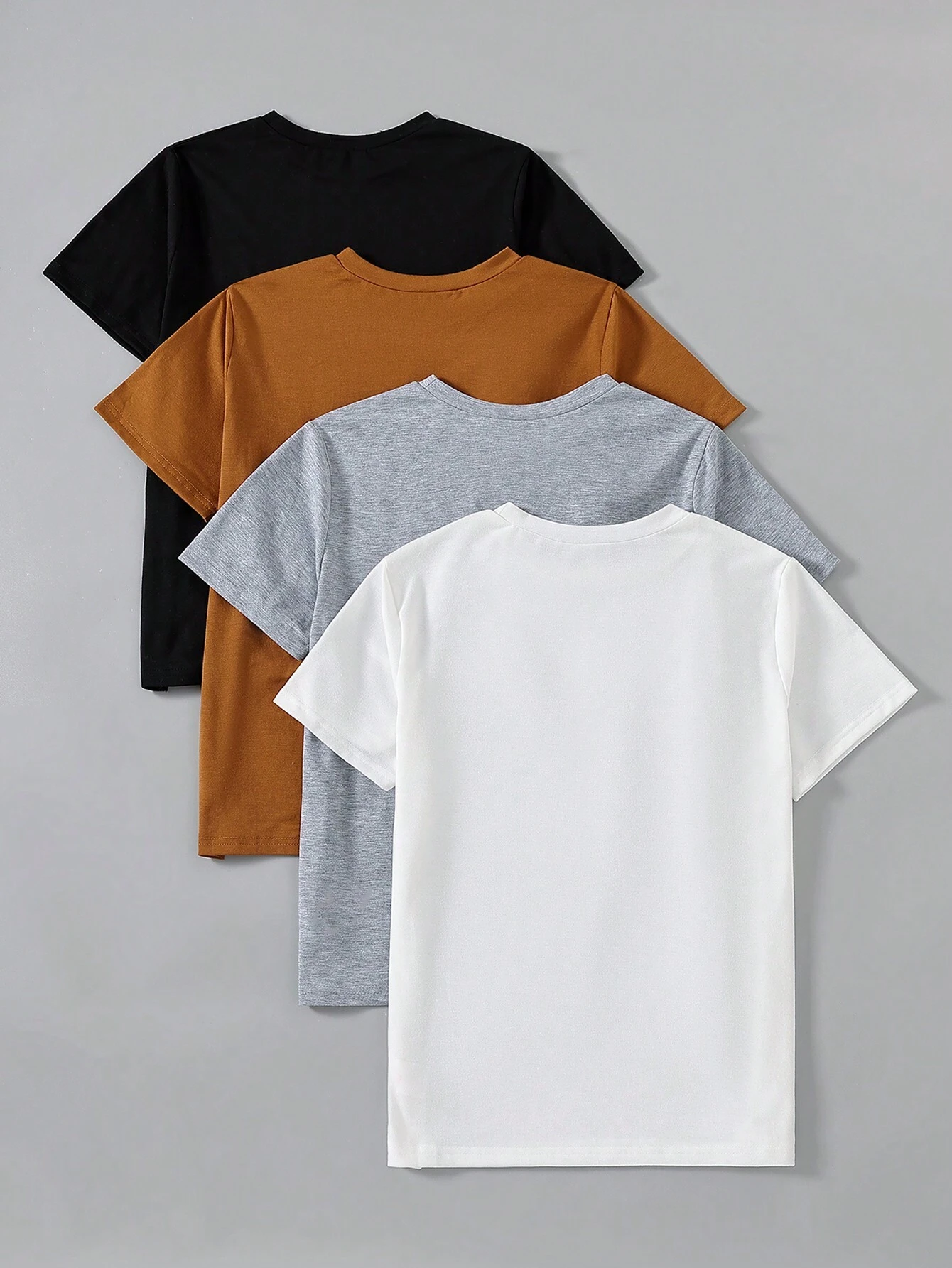
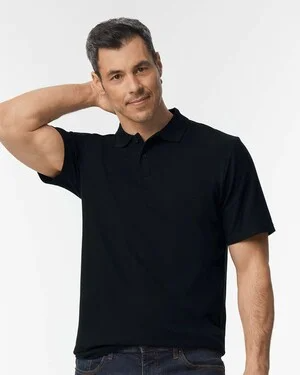
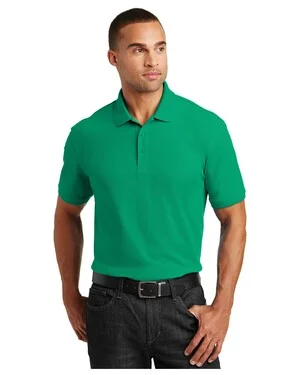
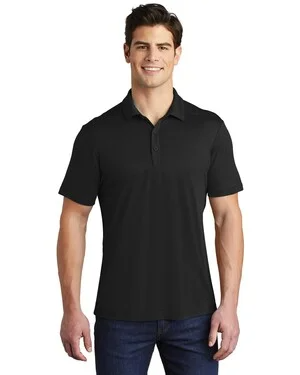
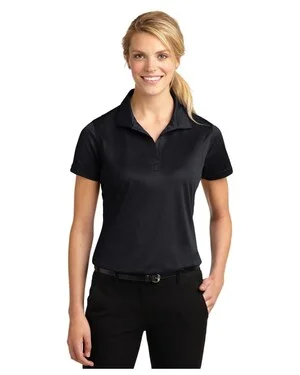
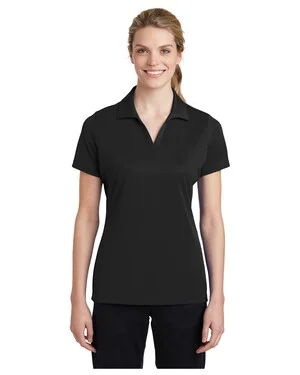
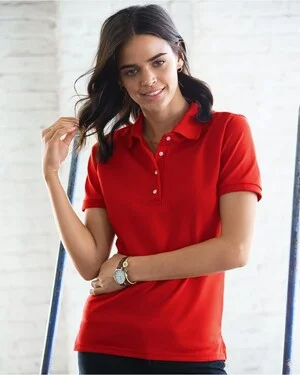
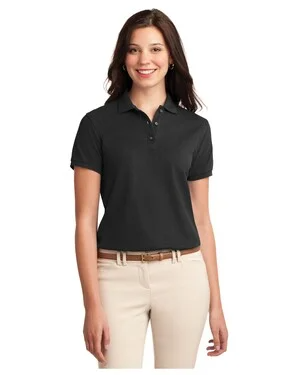
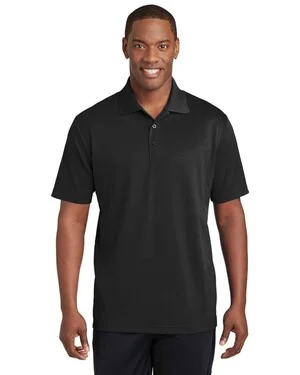
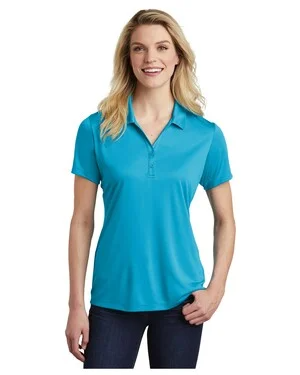
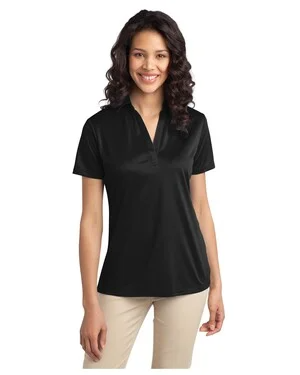
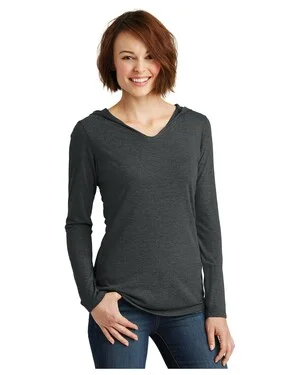
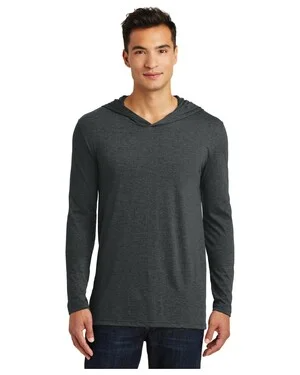
Wholesale 65/35 Polyester-Cotton T-Shirts for US Businesses
If your business needs versatile apparel for retail, uniforms, promotional merchandise, or custom clothing,
65 polyester 35 cotton T-shirts wholesale is a product category worth considering. This fabric blend combines 65% polyester with 35% cotton, bringing together two fibres with different characteristics in one garment.Unikaas helps businesses explore wholesale apparel options for their product ranges and commercial requirements. Whether you are sourcing blank T-shirts for customisation, planning a branded clothing collection, or comparing fabrics for repeat orders, understanding the material and garment specifications is an important first step.The right wholesale T-shirt is not defined by fabric composition alone. Fabric weight, fit, stitching, colour availability, sizing consistency, decoration requirements, and total landed cost all influence whether a garment is suitable for your business.Use this page to understand the 65/35 poly-cotton blend, evaluate its potential applications, and prepare the details needed to request a wholesale quotation from Unikaas.
Looking for wholesale T-shirts? Contact Unikaas with your required quantity, preferred sizes, colours, and intended use so the available options can be assessed against your requirements.
Understanding the 65% Polyester and 35% Cotton Blend
A 65/35 polyester-cotton T-shirt contains a fabric composition of 65% polyester and 35% cotton by fibre content. The polyester portion provides characteristics associated with synthetic fibres, while cotton contributes the familiar feel of a natural fibre.The precise performance of a finished T-shirt depends on more than the percentages on its label. Yarn construction, knitting, fabric weight, dyeing, finishing, garment construction, and care instructions can all affect the result.For wholesale buyers, this distinction matters. Two garments can have the same fibre percentages but feel different, fit differently, and respond differently to printing or washing.
What Polyester Contributes
Polyester is widely used in apparel because it can provide strength, dimensional stability, and resistance to wrinkling compared with some cotton fabrics. Its contribution to a blended T-shirt can make the garment a practical option for businesses that want clothing designed for repeated everyday use.The actual outcome depends on the fabric and how the garment is manufactured. Buyers should not assume that every polyester-blend T-shirt is wrinkle-proof, shrink-proof, fade-proof, or moisture-wicking.When evaluating wholesale polyester shirts, consider the intended use, the fabric's surface, the care instructions, and how the garment performs in a sample wash test.
What Cotton Contributes
Cotton is valued for its familiar, soft hand feel and its ability to absorb moisture. In a blended fabric, cotton can influence the texture and comfort of the finished garment.However, cotton content does not automatically make a T-shirt suitable for every climate or activity. Fabric weight, fit, ventilation, and the garment's construction also affect comfort.For businesses selecting apparel for everyday retail, staff clothing, or promotional use, the most useful approach is to evaluate the complete garment rather than choosing solely by fibre percentages.
Why the Blend May Suit Wholesale Buyers
A blended fabric can be worth considering when a buyer wants a balance of different material characteristics. The 65/35 composition offers a defined starting point for comparing garments, discussing sourcing requirements, and assessing whether a product fits a particular business application.Before committing to a large order, compare the available garment with alternatives using the same practical criteria: feel, fit, appearance, construction, decoration compatibility, care requirements, and cost.
Who Should Buy Wholesale Poly-Cotton T-Shirts?
Wholesale T-shirts can support several types of businesses, but the most suitable garment depends on how it will be sold, worn, or decorated.
Clothing Brands and Retailers
Independent clothing brands and retailers may use blended T-shirts as part of a casualwear collection, basic apparel range, or coordinated product assortment.Before selecting a garment for resale, establish the intended retail positioning. A promotional basic, an everyday wardrobe essential, and a premium branded T-shirt may require different fabric weights, fits, finishes, and presentation.Ask for the actual size chart and product specifications before building a product listing. Accurate measurements help you write clearer descriptions, reduce avoidable customer confusion, and choose a size assortment that suits your audience.Retailers should also confirm the available colour range, garment consistency, labelling arrangements, packaging, and replenishment options.
Uniform and Workwear Buyers
Businesses purchasing staff apparel often prioritise consistent appearance, practical care, comfortable fit, and repeat-order availability.A 65/35 poly-cotton T-shirt may be worth evaluating for suitable indoor workwear, staff uniforms, retail teams, event crews, and other everyday applications. The appropriate choice depends on the working environment and any relevant safety or occupational requirements.For example, a business ordering shirts for front-of-house employees may focus on appearance and ease of care. A business buying clothing for physically demanding work may need to assess breathability, movement, abrasion, and specific workplace requirements.Do not assume that an ordinary poly-cotton T-shirt provides flame resistance, high visibility, or protective performance. Where safety standards apply, verify the garment's documented compliance before ordering.
Promotional Product Companies
Promotional merchandise businesses may source bulk T-shirts for conferences, campaigns, exhibitions, company events, and branded giveaways.In these situations, the decision often involves balancing garment cost, the desired appearance, print compatibility, colour matching, and the number of pieces required.Before confirming an order, provide the decoration supplier with the garment specifications and artwork requirements. A sample or print test can help identify issues with colour reproduction, surface texture, placement, or adhesion.For time-sensitive campaigns, also confirm production and shipping schedules with the relevant supplier rather than relying on an assumed turnaround time.
Screen Printers and Custom Apparel Businesses
Print shops and custom clothing businesses need blank garments that suit their production processes and customers' expectations.A polyester-rich blend can behave differently from 100% cotton during decoration. Heat sensitivity, dye migration, print chemistry, surface texture, and curing conditions should be evaluated for the specific garment and decoration system.If you regularly fulfil repeat orders, document the approved garment, size measurements, colour, decoration method, and production settings. This creates a clearer reference for future orders and helps reduce inconsistencies between batches.
Choosing the Right Wholesale T-Shirt Specifications
The fibre blend is only one part of the purchasing decision. Before requesting a quotation, establish the product specifications that will determine whether the garment fits your needs.
Fabric Weight and GSM
GSM means grams per square metre. It is a standard way to describe fabric weight, although it does not independently determine softness, durability, opacity, or overall quality.A lighter fabric may suit certain warm-weather, promotional, or layering applications. A heavier fabric may provide a different drape and feel that works better for particular retail or branding requirements.There is no single GSM that is best for every 65/35 polyester-cotton T-shirt. The right choice depends on the garment construction, intended use, climate, price point, and customer expectations.When comparing quotations, ask for the confirmed GSM of the actual product rather than relying on a general description such as lightweight, premium, or heavyweight.If you have a reference garment, share its measured weight or specifications with the supplier. This can help establish a more meaningful comparison than fabric percentages alone.
Fit and Garment Measurements
A T-shirt's fit affects both comfort and customer satisfaction. Depending on the available range, buyers may be considering classic, regular, relaxed, athletic, or oversized fits.Do not assume that size labels are consistent across manufacturers. A medium from one supplier may differ from a medium from another.Request a size chart showing the relevant garment measurements, such as chest width, body length, and sleeve length. Clarify how measurements are taken and whether the figures refer to the garment itself.For large retail or uniform orders, confirm the size distribution before production. If your business serves a broad audience, a balanced size assortment may be more useful than ordering equal quantities of every size.
Colours and Colour Consistency
Colour selection is important for retail collections, team apparel, promotional merchandise, and corporate uniforms.Ask which colours are currently available and whether the same shades can be supplied consistently across the intended order. For custom branding, compare the garment colour with your artwork, logo, or brand guidelines.A digital photograph may not reproduce fabric colour accurately. Where exact colour matching is important, request a physical sample or another suitable method of approval.If future replenishment is likely, document the approved colour and product details so subsequent orders can be checked against the original selection.
Stitching and Construction
The quality of a T-shirt depends on its construction as well as its fabric. Buyers should inspect the seams, neckline, sleeve attachment, hems, stitching consistency, and overall finish.Look for visible defects, uneven seams, loose threads, distorted shapes, or differences between garments in the same sample batch.For a larger purchase, agree on the quality criteria before the order is confirmed. Where appropriate, discuss inspection arrangements, acceptable tolerances, defect handling, and what happens if delivered products do not match the agreed specification.These checks are particularly useful for businesses planning to resell the garments under their own brand.
Printing, Embroidery and Custom Branding
Wholesale poly-cotton T-shirts may be used for branded clothing, but the most suitable decoration method depends on the garment, the artwork, and the production process.
Screen Printing
Screen printing is commonly used for repeated designs and larger production runs. Before selecting a 65/35 garment, confirm that the ink system and curing process are appropriate for the fabric.Polyester content can affect dye migration and the final appearance of some prints. A test on the actual garment can help identify potential problems before a larger batch is decorated.
Heat Transfers
Heat transfers may suit logos, names, graphics, and other customised designs. The correct application temperature, pressure, and dwell time depend on the transfer material and garment.Some polyester-rich fabrics can be sensitive to high temperatures. Follow the decoration supplier's guidance and test the chosen method before processing the full order.
Embroidery
Embroidery may be suitable for company logos, uniforms, and selected retail products. Its suitability depends on the fabric's stability, thickness, design complexity, and the backing or stabilisation method used.Ask the embroidery provider to evaluate the actual garment, especially if the design includes fine details or dense stitching.
Private Labelling and Packaging
Brands may also want neck labels, size labels, hangtags, branded packaging, or other presentation options.These services should be confirmed rather than assumed. Before ordering, clarify which customisation options are available, whether they require additional quantities or setup, and how they affect the final quotation.If Unikaas offers the specific service you need, include it in your initial enquiry so the product and branding requirements can be assessed together.
How to Evaluate Quality Before a Bulk Order
A sample review is a practical way to reduce uncertainty before purchasing wholesale apparel. It allows you to evaluate the actual product rather than making a decision based only on a description or photograph.Use the following checklist when a sample is available:
- Check the fibre composition. Confirm that the product specification identifies 65% polyester and 35% cotton.
- Review the fabric. Assess the hand feel, surface, weight, opacity, and suitability for the intended application.
- Measure the garment. Compare the chest, body length, sleeves, and other relevant measurements with the agreed size chart.
- Inspect the construction. Examine the neckline, hems, seams, stitching, and overall finish.
- Follow the care instructions. If permitted, wash and dry the sample according to its stated care requirements and compare the result.
- Test decoration if necessary. Use the intended print or embroidery process on the actual fabric before approving a larger decorated order.
- Record approval details. Keep the approved sample reference, measurements, colour, material specification, and decoration requirements.
A sample cannot guarantee that every garment in a bulk shipment will be identical. However, documented specifications and agreed quality checks give both parties a clearer standard against which the order can be assessed.
Wholesale Ordering, Samples and Quotations
An accurate wholesale quotation requires more than a product name. Providing complete requirements at the beginning can help the supplier identify suitable options and clarify costs.
Information to Include in Your Enquiry
When contacting Unikaas, include:
- Product: 65% polyester and 35% cotton T-shirts.
- Quantity: Your estimated total order and any planned repeat orders.
- Size breakdown: The number of pieces required in each size.
- Colours: Preferred colours and any colour-matching requirements.
- Fabric details: Required GSM, fit, or reference garment, if known.
- Customisation: Printing, embroidery, labels, hangtags, or packaging, if required.
- Destination: The US delivery ZIP code or full delivery details when appropriate.
- Timeline: Your preferred delivery date and any production deadlines.
If you are unsure about the correct fabric weight or garment style, explain the intended application and ask which available options meet your requirements.
Understanding the Total Order Cost
The unit price is only one part of a wholesale purchase. Depending on the order, the total cost may also include sampling, customisation, packaging, freight, insurance, import duties, taxes, customs clearance, or other applicable charges.Ask for a written quotation that explains which costs are included and which are excluded. Confirm the currency, payment terms, quotation validity, production lead time, and delivery terms before committing.For US-bound shipments, clarify who is responsible for import-related charges and what documentation will be provided. The actual responsibilities depend on the agreed shipping and commercial terms.Comparing suppliers on a like-for-like basis is more useful than choosing a garment based on the lowest advertised unit price alone.
Confirming Minimum Order Quantities
Minimum order quantities vary by supplier, product, colour, customisation, and production method. Do not assume that the minimum for a blank T-shirt is the same as the minimum for a custom-labelled or printed garment.Ask whether quantities apply per order, style, colour, or size. Also clarify whether different colours or sizes can be combined to meet a minimum.Unikaas should confirm the current minimum quantity for the specific product before it is advertised on this page.
Samples and Production Approval
If sampling is available, confirm the sample price, shipping cost, expected timing, and whether the sample charge is credited against a subsequent order.For custom products, approve the garment, colour, size specifications, artwork, and branding details before production begins. Keep the final approved information in writing so the order can be checked against the agreed requirements.
Shipping to the United States
Before placing an order, confirm whether delivery to your destination is available, the expected shipping method, the estimated transit time, and any import-related responsibilities.Shipping estimates should be based on the actual order and destination rather than a generic promise. Production time and transit time are separate, and customs processing may affect the final arrival date.For businesses with a launch or campaign deadline, allow an appropriate contingency and obtain written confirmation of the proposed schedule.
Why Choose Unikaas for Wholesale Apparel?
Unikaas provides an apparel catalog for businesses exploring wholesale clothing options. The most useful starting point for a buyer is to identify the garment and specifications required, then confirm the available product against those requirements.When evaluating Unikaas for your wholesale T-shirt needs, discuss:
- Whether the requested 65/35 polyester-cotton composition is available for the chosen style.
- Which sizes, colours, fits, and fabric weights can be supplied.
- Whether blank garments or the required customisation options are available.
- What minimum quantities and pricing apply to your order.
- Whether samples, product measurements, and material specifications can be provided.
- Which shipping options and delivery terms are available for the United States.
These details help establish whether a product is suitable for your business before you commit to a larger purchase.You can also explore the broader
Unikaas wholesale hoodie collection if you are sourcing additional apparel categories for a coordinated range.
Request a Wholesale T-Shirt Quote
Ready to discuss your requirements? Contact Unikaas with your desired quantity, size breakdown, colours, fabric specifications, customisation requirements, and delivery destination.If you already have a reference garment, technical specification, or sample, include those details in your enquiry. They can help establish a clearer basis for product selection and quotation.
Contact Unikaas to discuss wholesale 65/35 polyester-cotton T-shirts for your business.Frequently Asked Questions
1. What are 65/35 polyester-cotton T-shirts?
These T-shirts use a fabric blend containing 65% polyester and 35% cotton. Polyester and cotton contribute different characteristics to the finished garment, and the final feel and performance depend on factors such as yarn, fabric construction, weight, and finishing. Confirm the actual composition on the product specification before ordering.
2. Are 65/35 poly-cotton T-shirts suitable for uniforms?
They may be suitable for some everyday staff uniforms, retail teams, event crews, and similar applications. Suitability depends on the workplace, climate, garment construction, and care requirements. Specialised work environments may require additional safety or performance standards, which should be verified separately.
3. Are 65/35 polyester-cotton T-shirts suitable for printing?
They may work with suitable screen-printing, transfer, or other decoration systems. However, polyester content can affect heat tolerance and dye migration. Test the actual garment with the intended decoration method before proceeding with a large order.
4. How do 65/35 poly-cotton T-shirts compare with 100% cotton?
A 65/35 blend combines polyester and cotton, whereas a 100% cotton garment uses cotton fibres alone. The blend may offer different characteristics in wrinkle resistance, dimensional stability, feel, and moisture absorption. The better choice depends on the intended application, garment construction, care requirements, and buyer preferences.
5. What GSM should I choose for wholesale T-shirts?
GSM measures fabric weight per square metre. The right weight depends on your intended use, fit, climate, price point, and desired garment feel. Ask for the actual product's GSM and, where possible, evaluate a sample rather than choosing based on a general weight description.
6. Can I order blank T-shirts in bulk?
Blank apparel is commonly purchased for resale, printing, embroidery, uniforms, and promotional use. Confirm with Unikaas whether the required 65/35 style is available blank, along with its available colours, sizes, and minimum quantity.
7. What information is needed for a wholesale quote?
Provide your required quantity, size breakdown, preferred colours, fabric specifications, intended use, customisation requirements, and delivery destination. If you have a reference garment or technical specification, include it to help clarify the product requirements.
8. Can I request a sample before placing a bulk order?
Ask Unikaas whether samples are available for the specific product and confirm any sample charges, shipping costs, and expected timing. If the garment will be decorated, consider evaluating a printed or embroidered sample before approving the bulk order.
9. Are custom labels and branding available?
Custom labels, logos, embroidery, printing, and packaging depend on the supplier's available services and the product. Specify your requirements in the initial enquiry and confirm the associated costs, minimum quantities, and approval process before placing an order.
10. Does Unikaas ship wholesale T-shirts to the USA?
Confirm current US shipping availability with Unikaas for your specific order and destination. Before paying, obtain written details of the shipping method, estimated production and transit times, delivery terms, and any applicable import charges.
Request a wholesale quotation from Unikaas with your product specifications and order requirements to discuss the available options.