The complete guideHow to Buy Wholesale Blank & Asian Garments With Confidence
Whether this is your first wholesale order or your hundredth, the same questions decide whether a stock purchase makes money. Here is what we suggest every buyer considers before placing an order, based on more than 15 years of supplying clothing businesses.
1. Start with your customer, not the catalogue
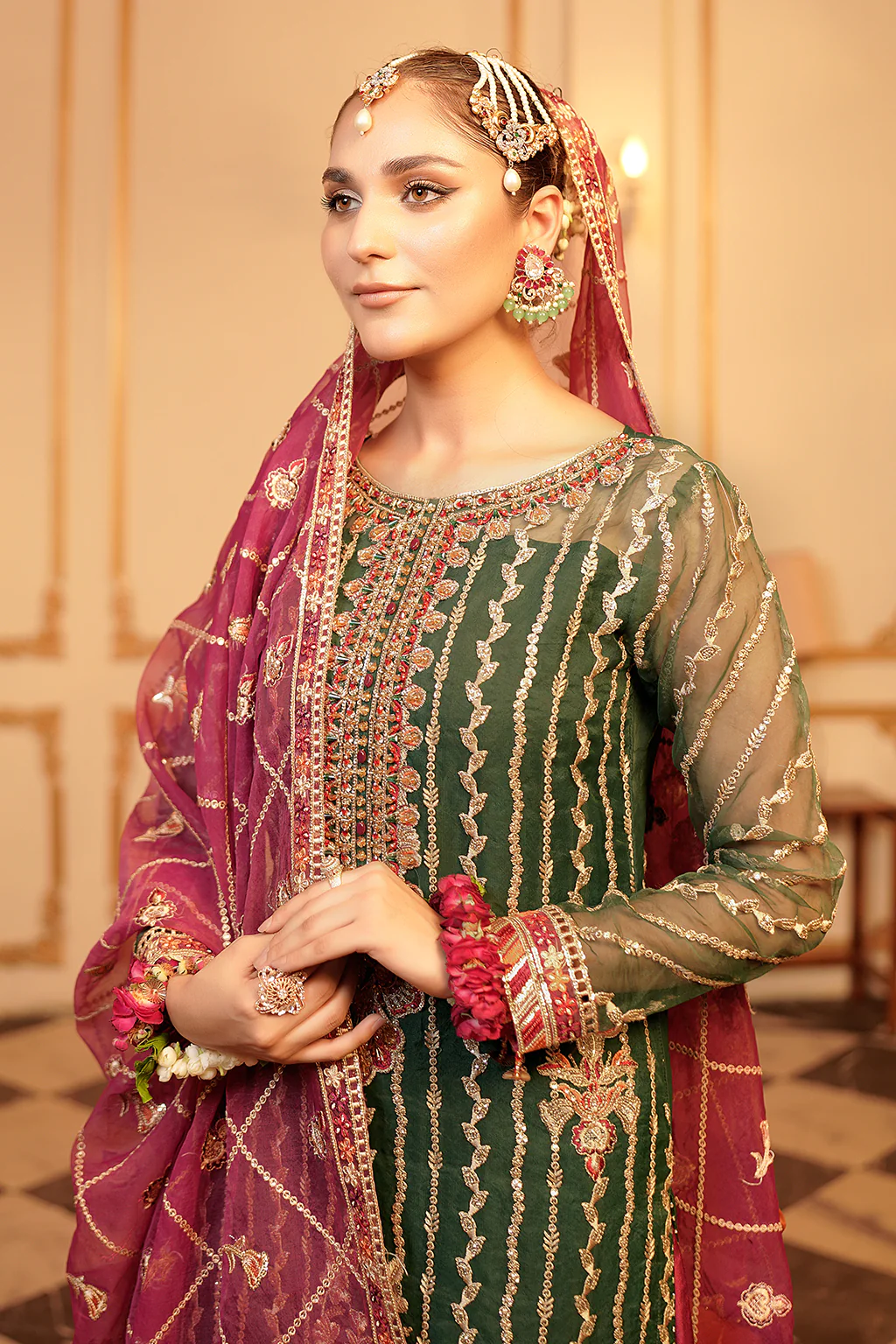
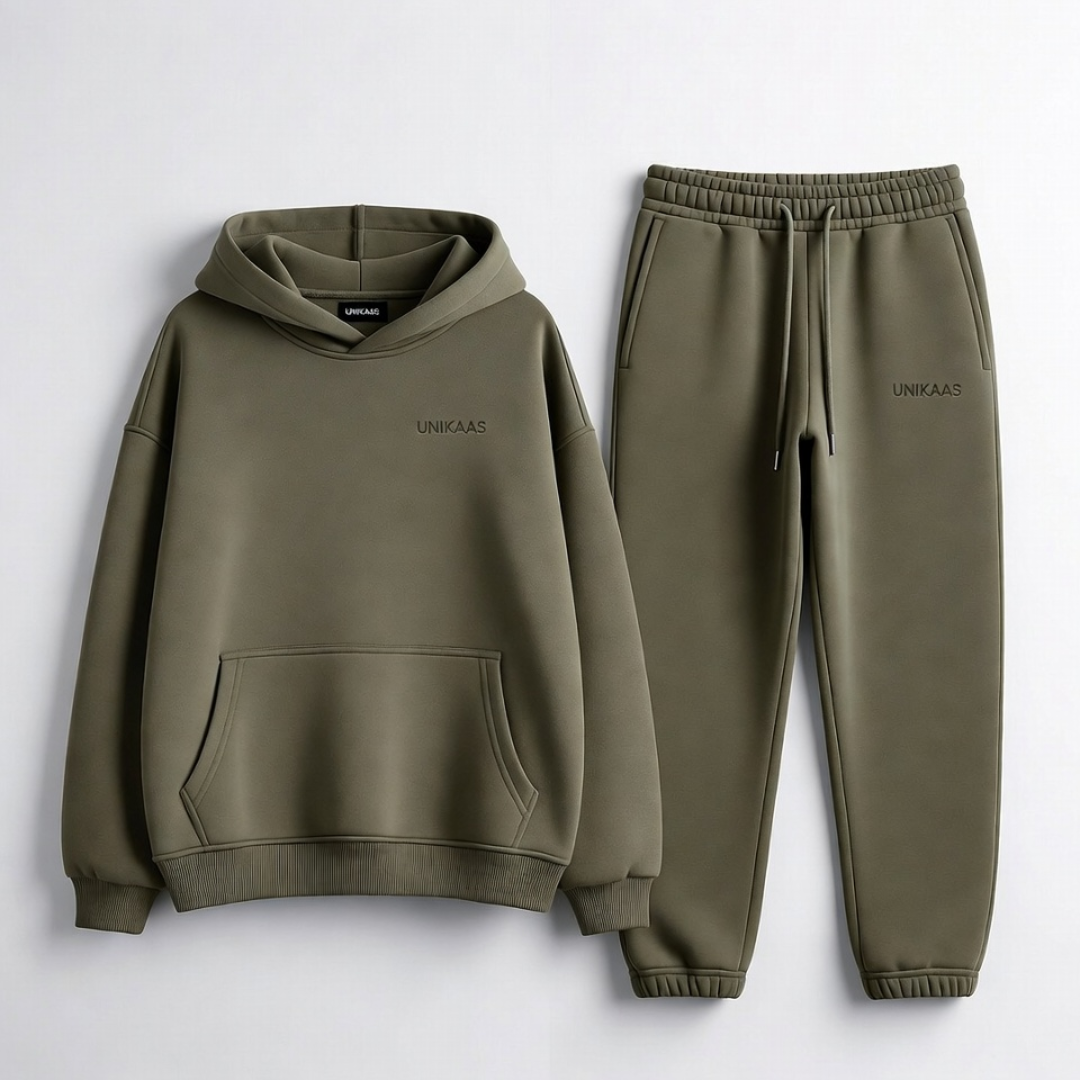
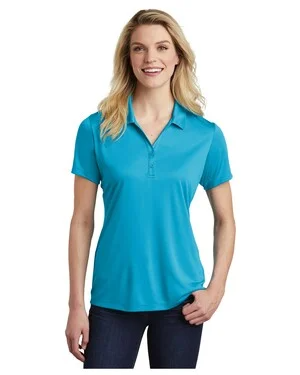
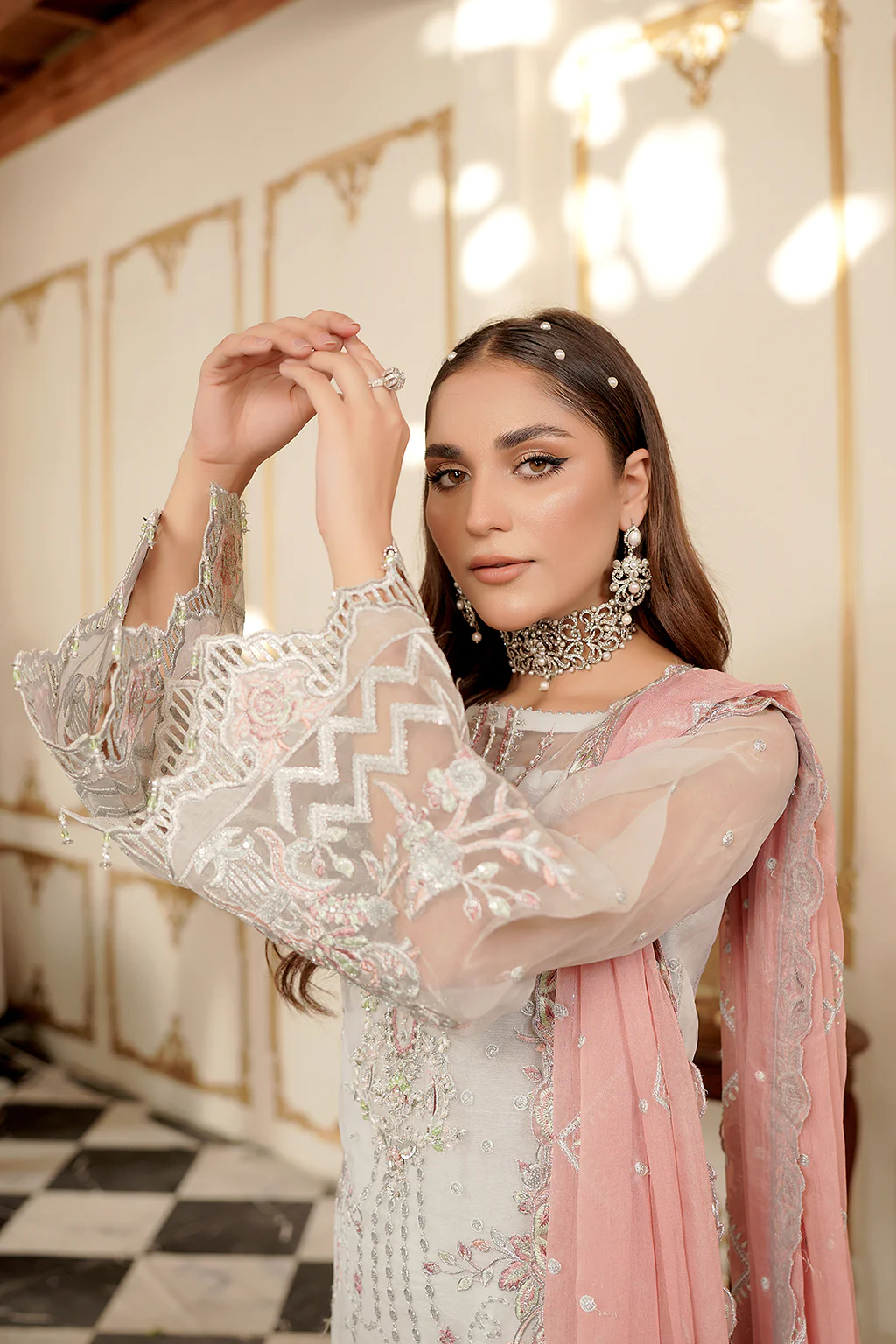
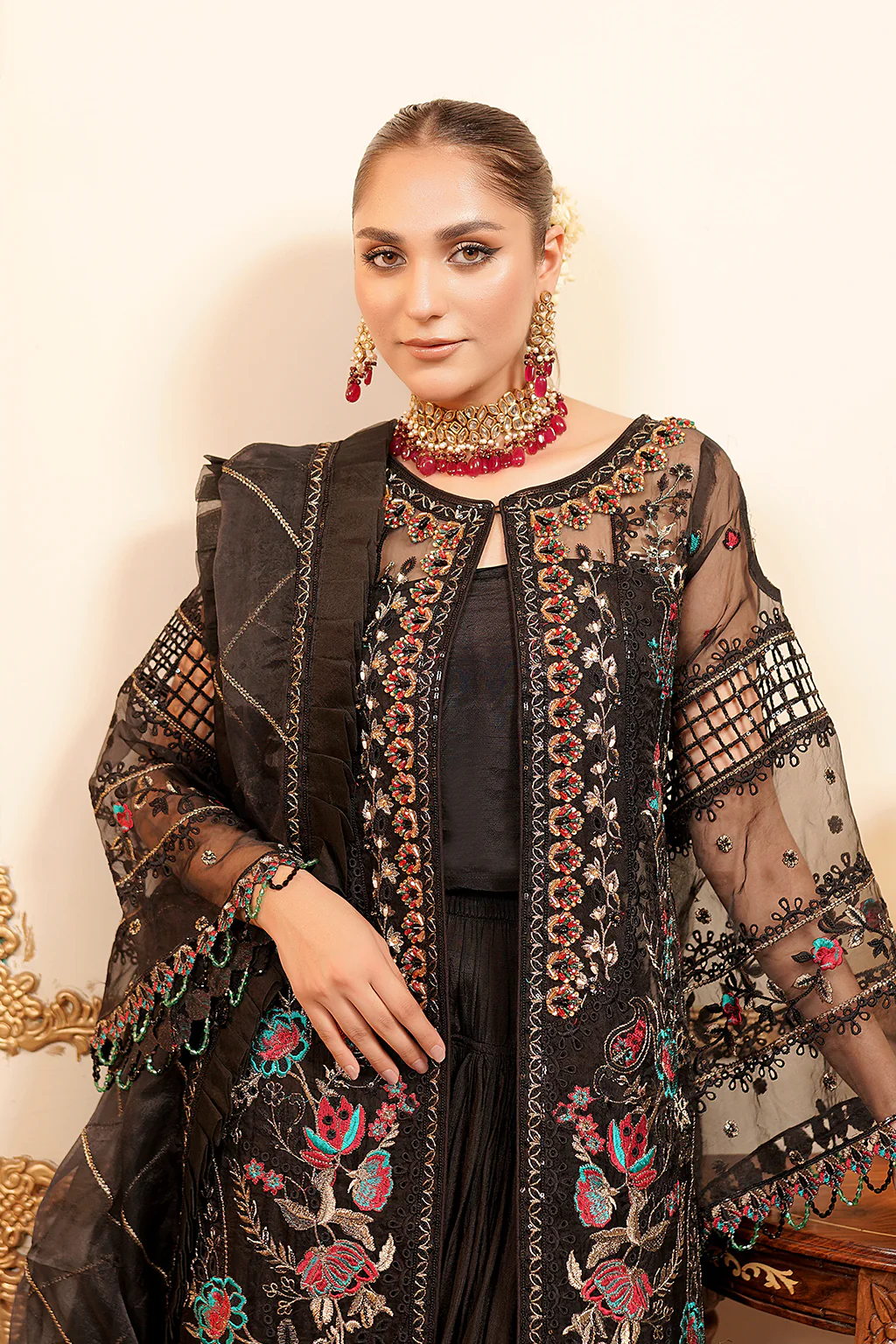
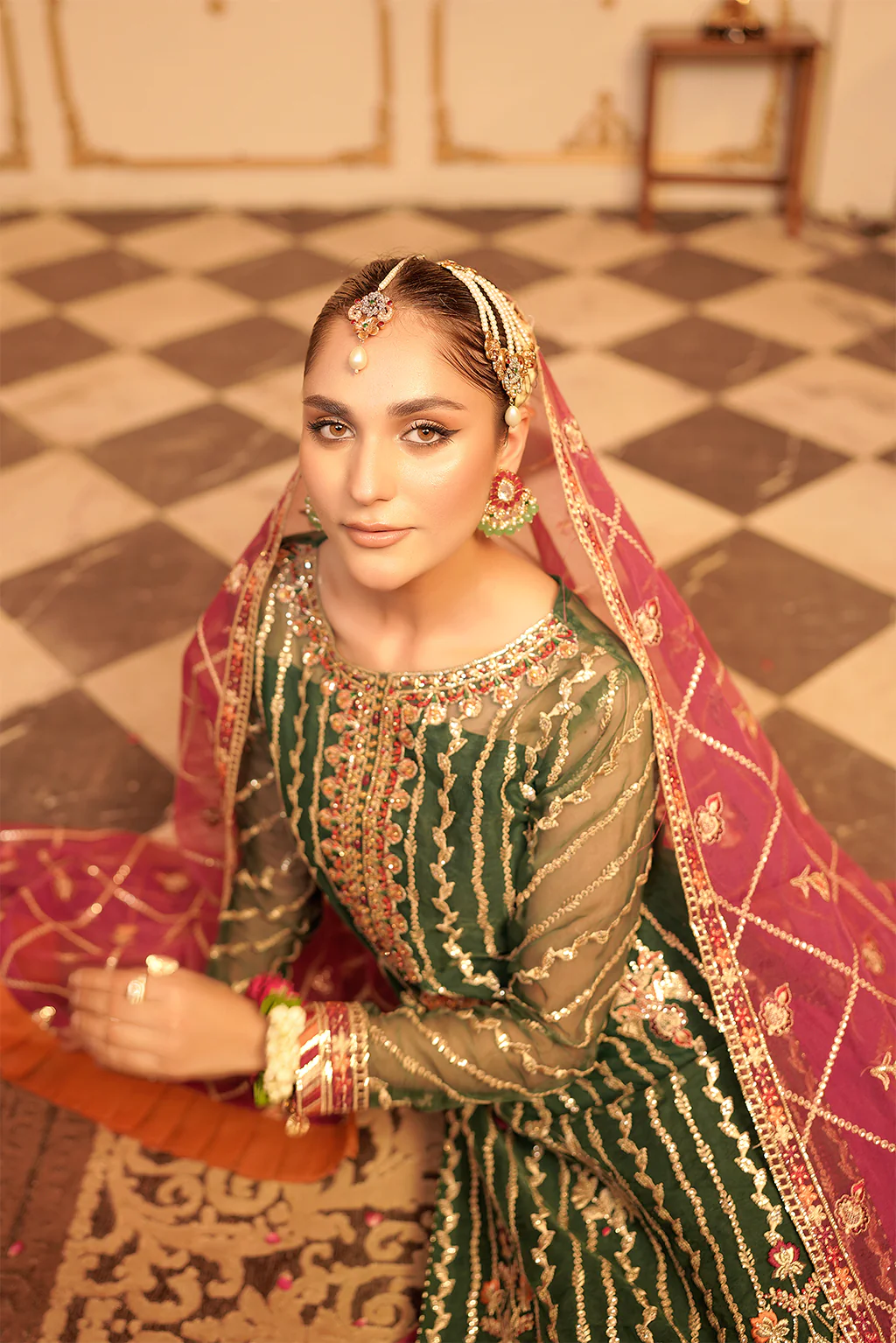
It’s tempting to order whatever looks good in a product photo. The most profitable buyers start from the other end. Who is wearing this garment, where, and what will they pay for it? A streetwear brand selling at premium prices needs heavyweight fabric, a modern fit and a soft hand-feel. A charity fun run needs a lightweight, low-cost tee in bright colours. A boutique serving wedding guests needs statement pieces with real embroidery work. Once you’re clear on the customer, choosing the right blank or Asian garment becomes much simpler. Our team will always ask about your end use, because it shapes our recommendation.
2. Understand what drives the price
Wholesale clothing prices are driven by a handful of factors, and knowing them helps you get the best value from your budget:
- Fabric type and weight. Heavier GSM and premium cottons cost more than lightweight blends, but they also sell for more.
- Quantity. Larger orders spread the set-up and cutting costs across more pieces, which lowers the unit price.
- Customisation. Custom colours, private labels, embroidery and special packaging all add cost. Stock blanks are the most economical.
- Embellishment on Asian garments. Machine embroidery, hand-finished work, sequins and premium dupatta fabrics all affect the price of a suit.
- Shipping. Order size, weight and destination decide the freight cost. Combining blank and Asian garments in one shipment can bring your landed cost down.
When you compare quotes from different suppliers, compare like for like: the same fabric, weight, size spread and finish. A cheaper price often means a lighter fabric or a simpler construction.
3. Get the size spread right
Ordering the wrong size mix is one of the most common and most expensive wholesale mistakes. For adult blank apparel in the UK, medium and large usually sell fastest, then small and XL, with XS and 2XL and above in smaller numbers. Your own sales data will always beat a general rule, though, so use it if you have it. For oversized and boxy styles, customers often size down, so check the size chart against your target fit. For Asian stitched suits, a balanced spread from small to XL suits most shops, with extended sizes for customers who need them. Unstitched suits avoid the sizing question entirely, which is one reason they are so popular for online sales.
4. Always check a sample
A product photo can’t tell you how a fabric feels, how a seam lies or whether a colour matches your brand. We recommend approving a sample before any bulk order, especially for private label or custom work. When your sample arrives:
- wash it at the recommended temperature and check for shrinkage and colour fastness
- test your print or embroidery method on it
- check stitching at the shoulders, side seams, cuffs and hems
- compare the measurements against the size chart
Once you approve the sample, it becomes the reference standard for your bulk order.
5. Think about labelling and compliance
Clothing sold in the UK must state its fibre composition, for example “100% cotton” or “65% polyester, 35% cotton”. Care instructions are expected by customers and strongly recommended. If you sell under your own brand, plan your neck labels and care labels before production so they can be sewn in at the factory. Children’s clothing needs extra care with trims, cords and drawstrings, so tell us if your garments are for young children and we’ll advise on suitable construction. If you’re unsure what applies to your products, check the latest UK trading standards guidance for clothing and textiles.
6. Plan around lead times and seasons
The best-selling garment in the world won’t help you if it arrives after the season has passed. Work backwards from your launch date, event or festival, allowing time for sampling, production, quality checks and shipping. For Asian garments, that means ordering well ahead of Eid and wedding season. For blank apparel, it means planning merch drops and uniform orders with time to spare for decoration. We give you a realistic timeline with every quote, and we’ll tell you honestly if a date is too tight.
7. Build a long-term supplier relationship
The best results come from repeat orders with a supplier who knows your brand. Over time, we learn your preferred fabrics, colours, labels and size spread. Reorders get faster, and we can flag new styles that suit your customers. Many of our customers started with a small trial order and grew into regular seasonal buyers. If you’re building a business around wholesale blank & Asian garments, a reliable manufacturing partner is one of your most valuable assets.
8. Know when blank beats custom (and when it doesn’t)
Blank garments are the fastest, lowest-risk way to get a branded product to market. You avoid pattern development, minimise minimums and can test designs quickly. Fully custom garments make sense once you know what sells and want unique fits, fabrics or details that set your brand apart. Many of our customers do both: blanks for drops and merch, and custom pieces for their hero products. Asian garments work in a similar way. Ready designs suit fast restocking, while custom colourways and exclusive designs help an established boutique stand out from the shop down the road.