
Baby Wholesale Clothing Minnesota Unikaas – A Practical Guide for Growing Your Business
If you’re running a baby clothing store, online shop, or even planning to start one in Minnesota, you already know one thing—finding reliable wholesale suppliers can make or break your business. Parents today want soft, safe, and affordable clothing for their little ones, and retailers need consistent stock that doesn’t disappoint.
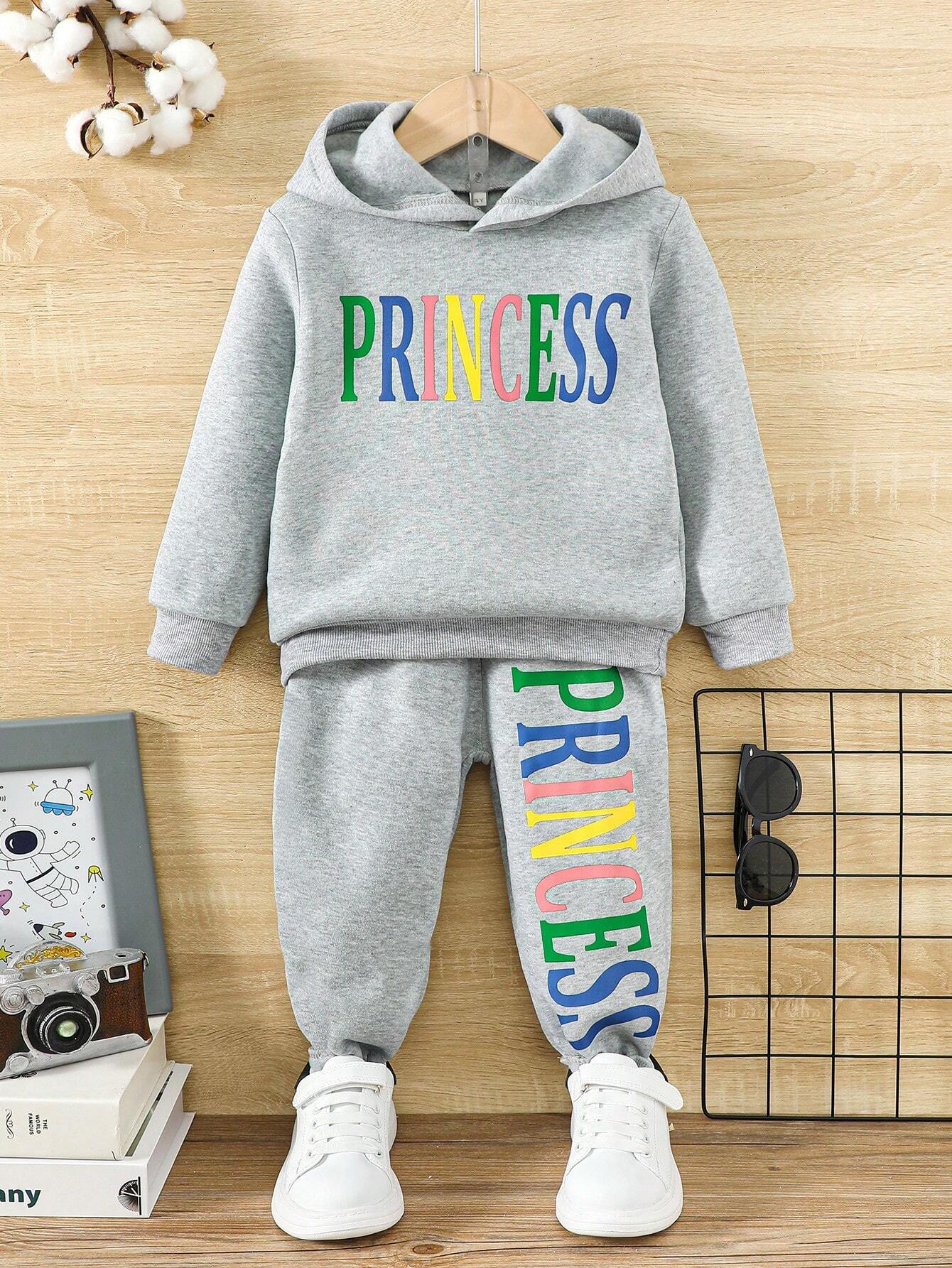
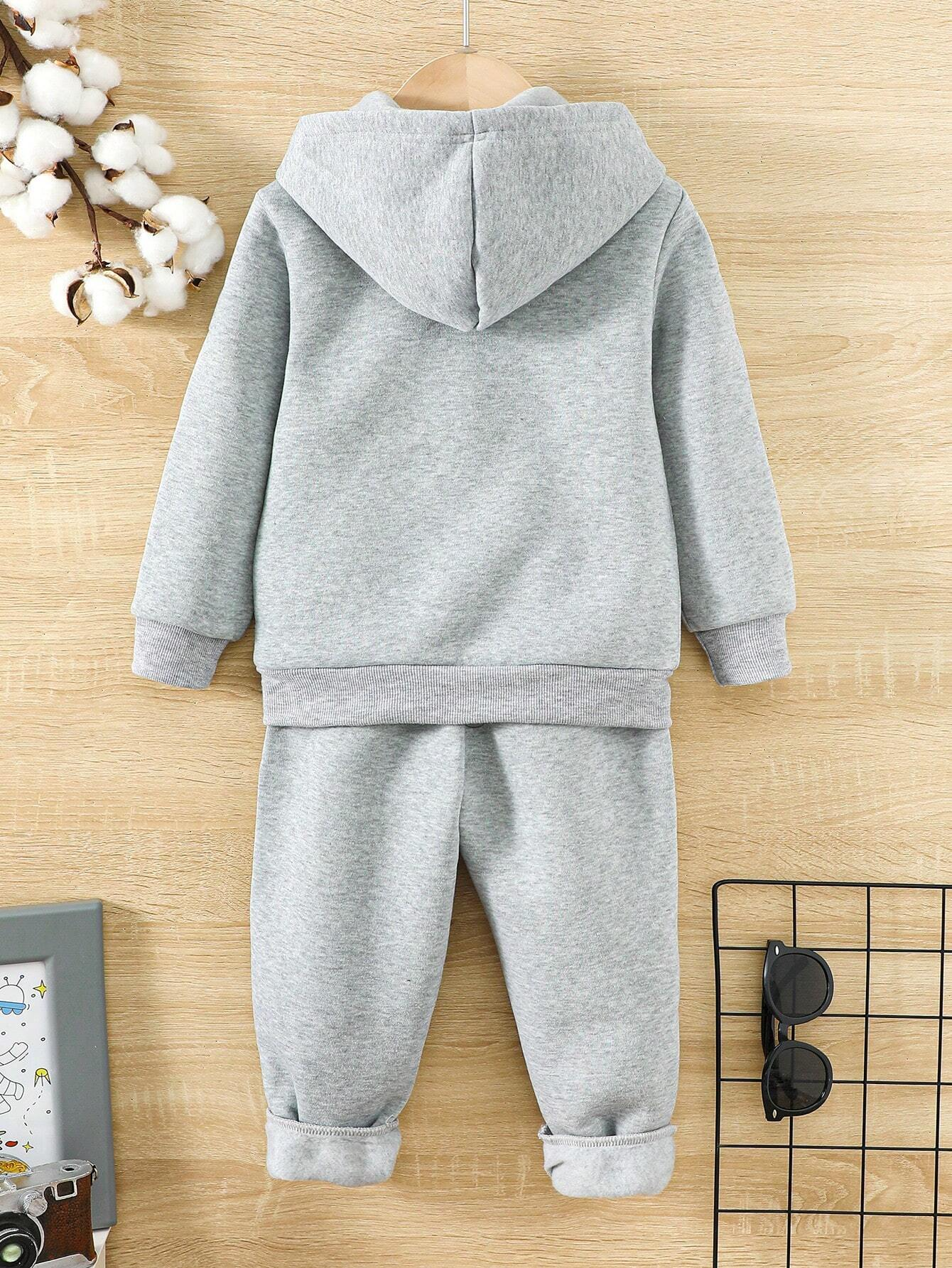
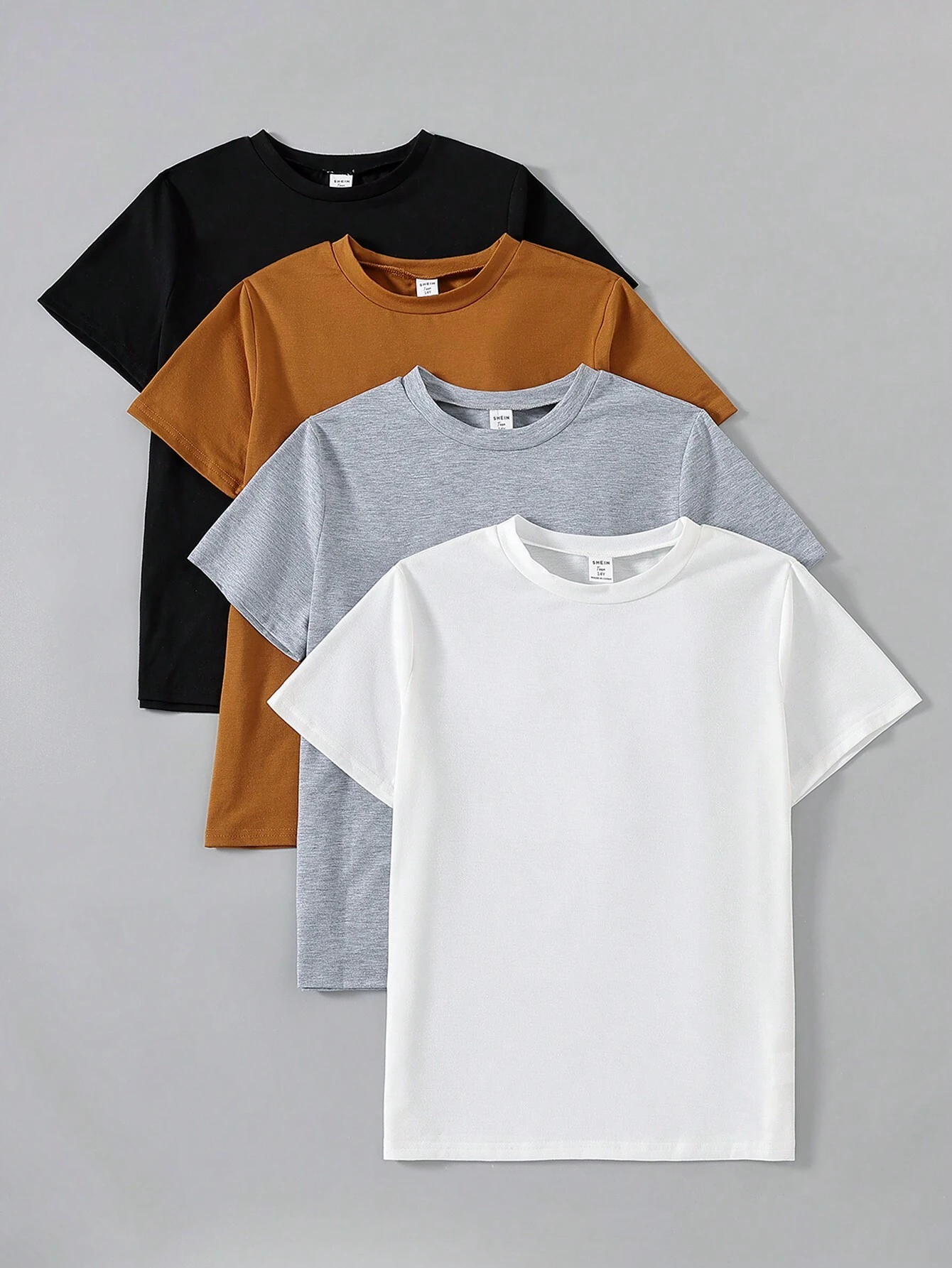
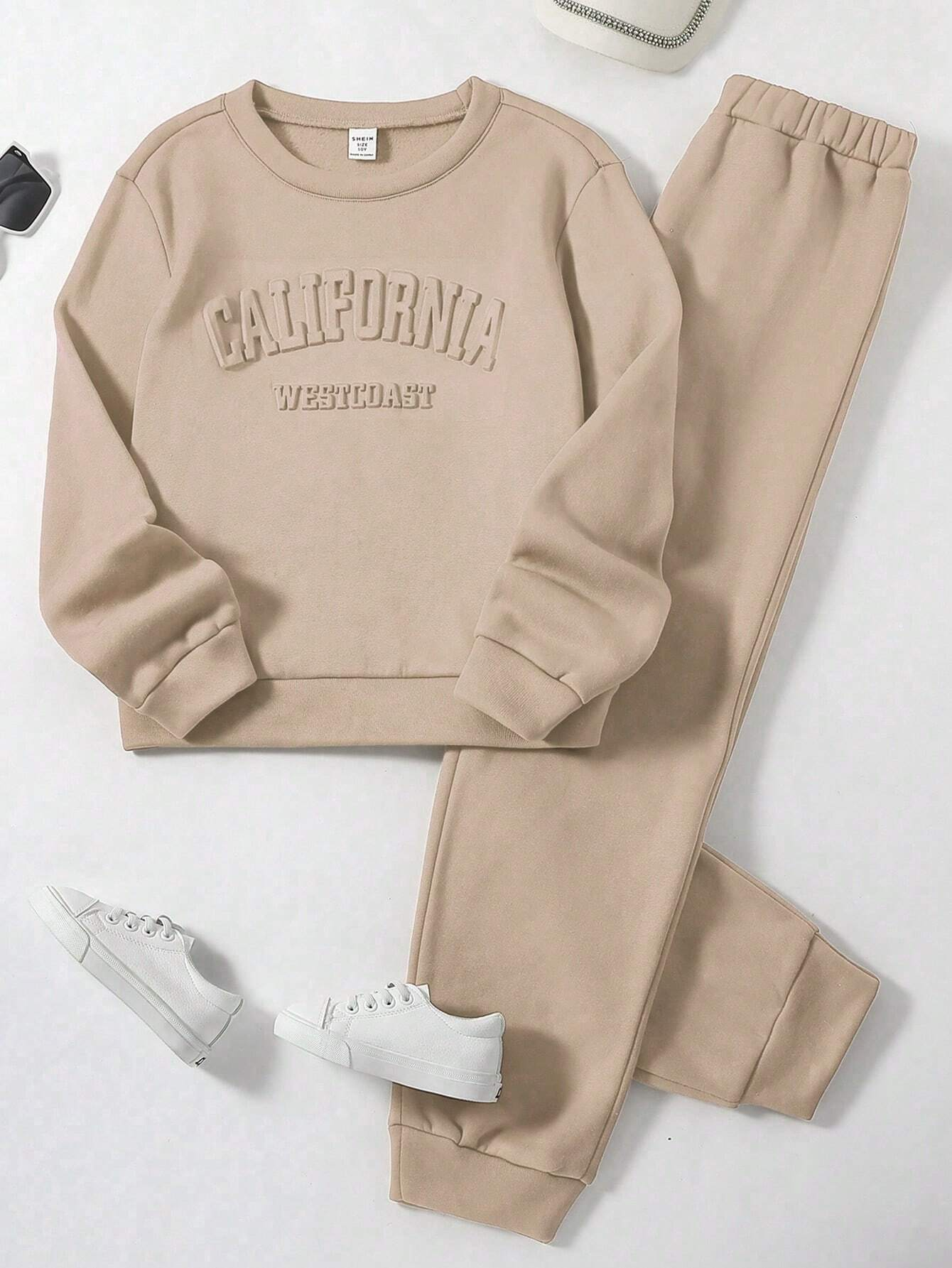
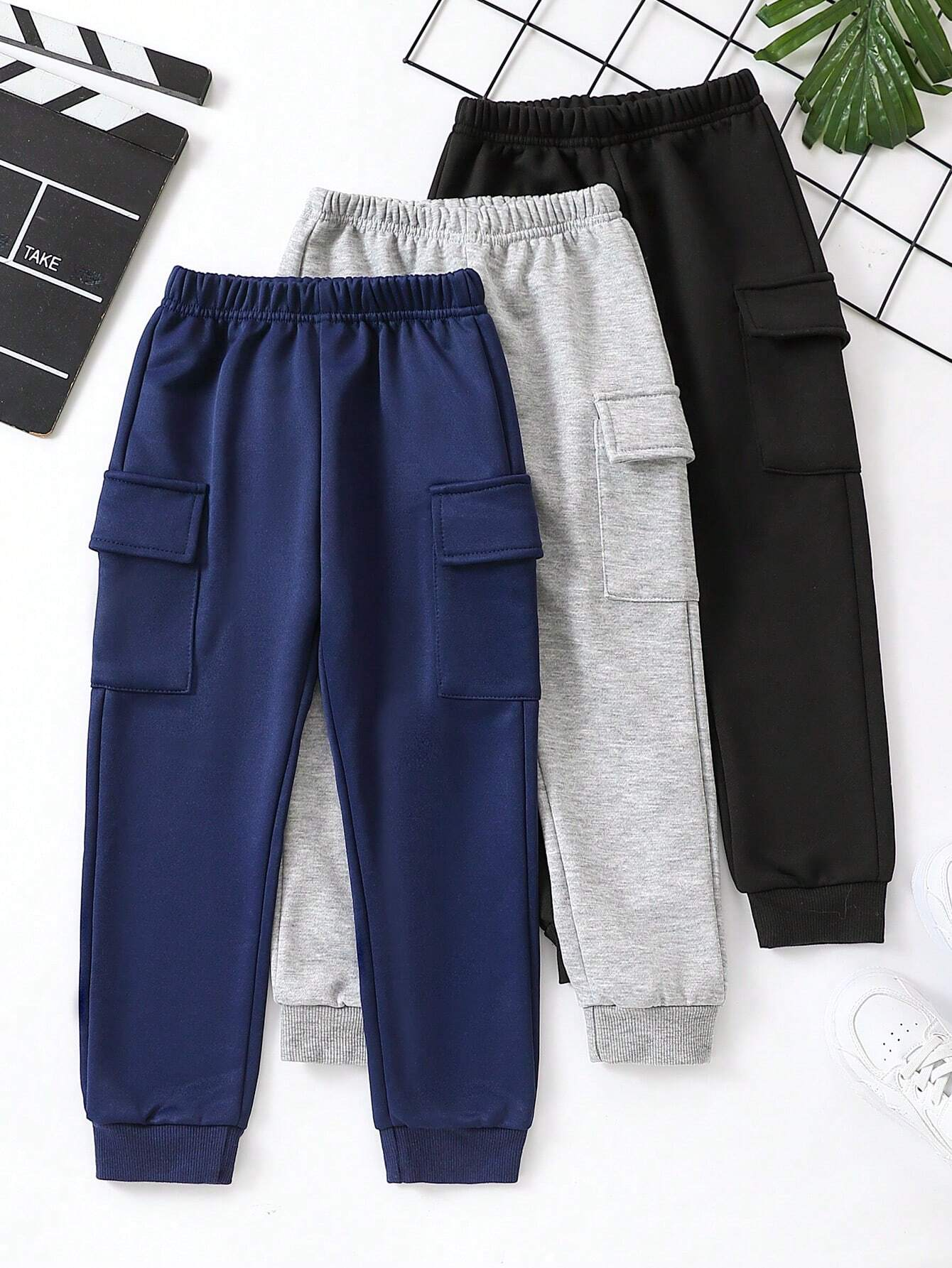
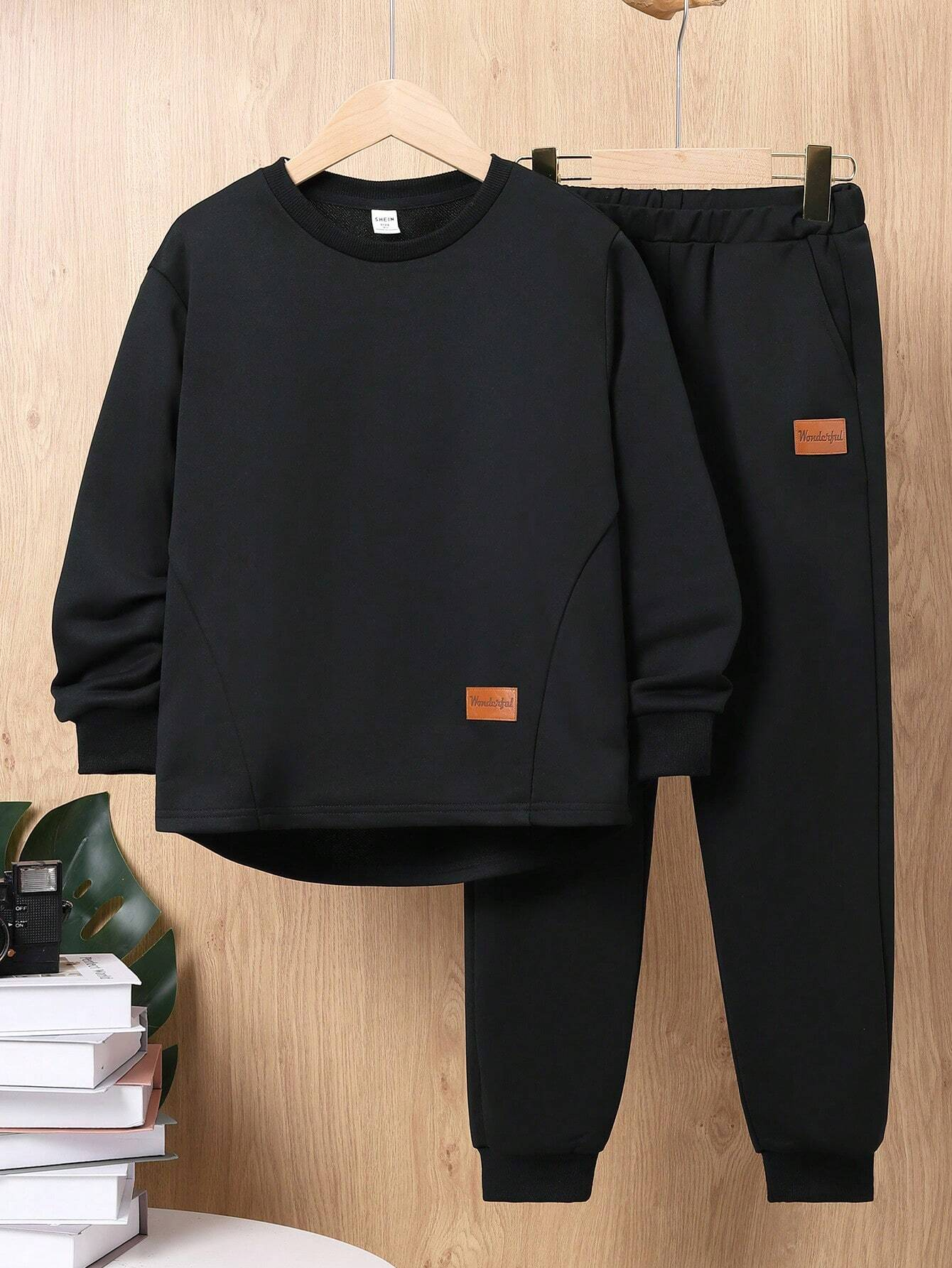
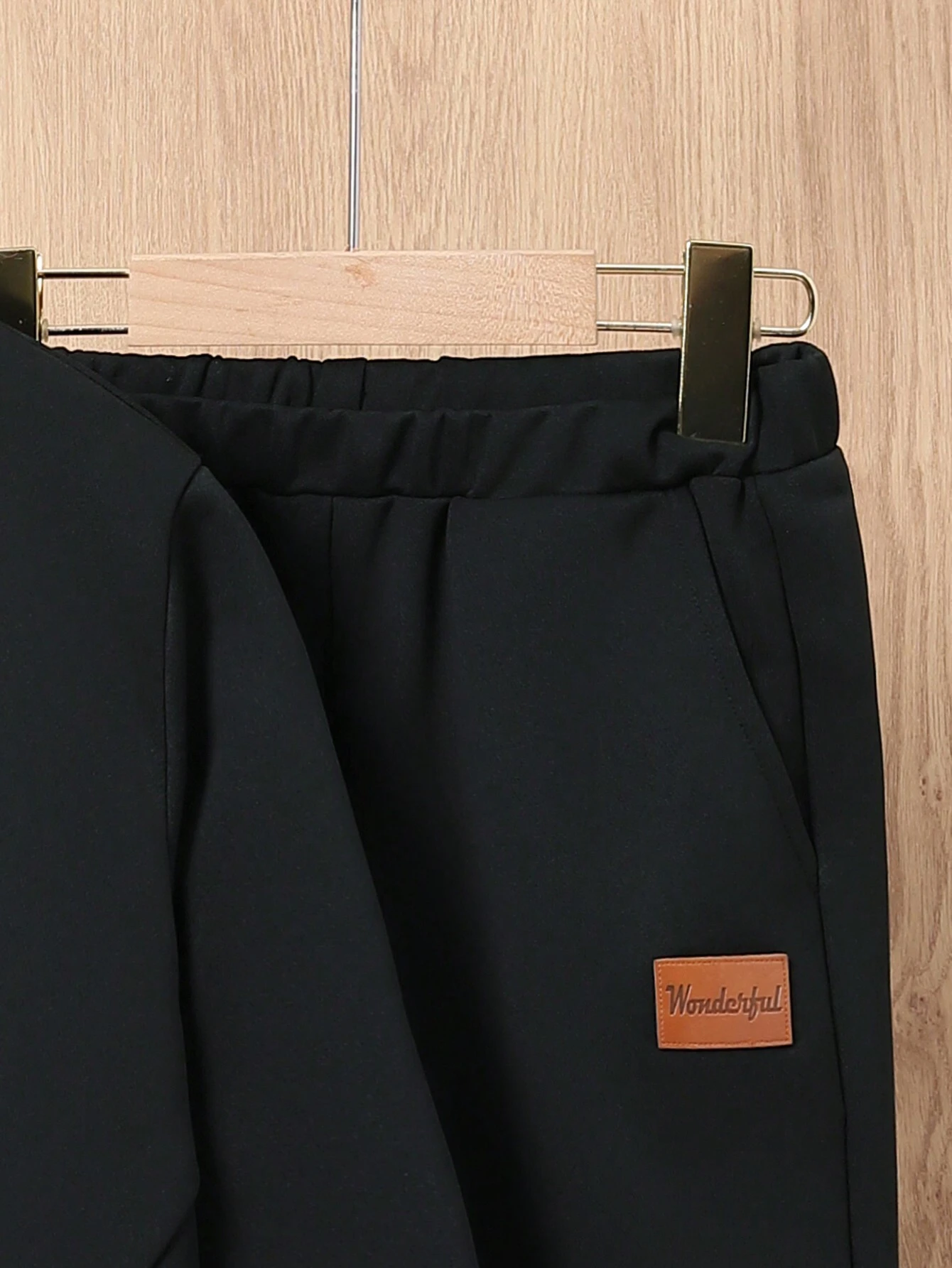
That’s exactly where Baby Wholesale Clothing Minnesota Unikaas comes into the picture. It’s not just about buying clothes in bulk—it’s about choosing quality pieces that sell quickly, keep customers happy, and help your business grow steadily without unnecessary stress. Let’s go through everything in a simple, real-world way so you can understand how it works and how you can benefit from it. Baby clothing isn’t like regular apparel. Parents look for comfort first, then style, and finally price. That means your wholesale supplier needs to balance all three without compromise. In Minnesota, retailers face unique challenges because of changing weather. You need warm baby outfits for colder months and breathable cotton sets for summer. A good wholesale supplier understands this demand cycle and keeps inventory ready for all seasons. When you explore options like wholesale hoodies Minnesota, you’re actually looking at a broader supply ecosystem that also supports baby and kids’ clothing categories. Many retailers mix baby wear with toddler hoodies, blankets, and seasonal sets to increase sales per customer. The key here is simple: consistent supply + quality fabric + fair pricing = long-term business stability. If you’ve been searching for dependable suppliers, you’ve probably noticed how inconsistent some wholesalers can be. Either the quality drops, or delivery gets delayed, or sizes are not properly maintained. Unikaas focuses on solving those exact issues. Here’s what makes it stand out in the wholesale clothing space: For retailers in Minnesota, this kind of consistency is important because customer expectations are high and competition is growing. Instead of juggling multiple unreliable suppliers, many store owners prefer sticking to a single trusted source and scaling from there. Let’s be honest—parents won’t compromise when it comes to their baby’s clothing. Even a slightly rough fabric or poorly stitched seam can lead to returns or bad reviews. That’s why wholesale baby clothing has to meet a higher standard than regular apparel. Some key quality expectations include: When suppliers maintain these standards, retailers don’t just sell products—they build trust. And trust is what brings customers back again and again. Running a retail store or online boutique in Minnesota comes with competition. You’re not just selling clothes—you’re competing with big brands, online marketplaces, and local stores. Wholesale buying gives you an advantage in several ways: Buying in bulk reduces your cost significantly. That means you can either increase your profit margin or offer better prices than competitors. Nothing hurts a business more than “out of stock” messages. Wholesale supply helps you keep your shelves full. You can experiment with different baby clothing styles—rompers, onesies, winter sets, and gift bundles—without high risk. Minnesota weather changes fast. Wholesale suppliers help you prepare ahead of time instead of rushing during peak demand. If you also deal in casual wear or winter collections, exploring collections like wholesale hoodies USA options can help you expand your catalog beyond baby clothing. Baby clothing wholesale isn’t limited to basic outfits. Modern retailers need variety, and customers love choices. A strong wholesale catalog usually includes: Retailers often mix these products with complementary categories like toddler hoodies or family matching sets. For example, winter collections can easily connect with regional hoodie supply such as wholesale hoodies Canada or wholesale hoodies New York, especially for stores targeting broader North American customers. Minnesota has a strong retail culture, especially in family-focused communities. Parents here prioritize durability because clothing needs to handle colder climates for most of the year. That creates a consistent demand for: Retailers who understand this demand can build stable income streams year-round. By aligning your inventory with seasonal needs, you reduce waste and improve customer satisfaction at the same time. If you’re new to wholesale buying, the process is simpler than it looks. Here’s a basic flow most retailers follow: The important part is planning ahead. Wholesale is not about impulse buying—it’s about forecasting demand. Retailers in colder states like Minnesota often place bulk orders before winter starts, so they don’t face delays during peak demand. Once your baby clothing section is stable, many retailers start expanding into related categories. Some popular extensions include: You can explore global wholesale options such as wholesale hoodies Pakistan or wholesale hoodies Turkey if you’re planning to diversify sourcing strategies. This helps you reduce dependency on one region and gives your store more flexibility in pricing and design variety. One of the biggest concerns for retailers is shipping reliability. Delayed shipments can break your sales cycle, especially during peak seasons. A good wholesale system focuses on: Retailers in Minnesota often rely on predictable supply chains because weather conditions can sometimes affect logistics. That’s why working with stable suppliers becomes even more important. If you’re planning to grow your baby clothing business, here are some practical tips that actually work: Parents care more about softness than design trends. Winter and summer demand are completely different in Minnesota. Gift sets and combo packs sell better than single items. Newborn to toddler range increases repeat customers. Parents prefer clarity over flashy marketing. Once you apply these basics, your wholesale inventory starts working for you instead of sitting idle. Yes, especially if you focus on quality and consistent supply. Baby products often have repeat buyers. Not necessarily. Many suppliers allow flexible bulk ordering depending on your budget. Yes, many retailers combine baby wear with seasonal collections like hoodies and casual outfits. Yes, because of stable family demand and seasonal clothing needs. Running a baby clothing business in Minnesota is not just about stocking cute outfits. It’s about understanding what parents need, staying ahead of seasonal changes, and working with suppliers who don’t let you down. When you choose reliable wholesale sources, your store becomes easier to manage, your customers stay happier, and your sales become more predictable. If you’re serious about scaling your business, start with strong product categories, build trust through quality, and keep your supply chain simple and steady. Baby Wholesale Clothing Minnesota refers to buying baby clothing in bulk from suppliers who provide large quantities at discounted prices for retailers. Instead of purchasing single items at retail cost, you order directly in bulk, which helps you reduce overall product cost and increase profit margins when reselling. When you work with a supplier like Unikaas, the process is pretty simple. You choose the baby clothing styles you want, select sizes, and place a bulk order. The supplier then prepares your shipment and delivers it to your location. This system works well for both small boutiques and larger retail stores in Minnesota. What makes it practical is flexibility. You don’t need to hold massive inventory from day one. You can start small, test products, and scale slowly. That way, you’re not stuck with unsold stock. It also helps you stay consistent with seasonal demand, especially in Minnesota where baby clothing needs change with weather. Choosing Baby Wholesale Clothing Minnesota gives you a real advantage if you’re running a retail or online business. The biggest reason is cost savings. Buying in bulk means you get products at a lower price per unit, which helps you set competitive retail prices while still earning profit. Another reason is consistency. When you work with a reliable supplier like Unikaas, you don’t have to worry about random stock shortages or poor-quality items. You get stable supply and products that meet customer expectations. Also, baby clothing is always in demand. Parents constantly need new sizes as babies grow quickly, so repeat purchases are common. If you stock the right products, your store naturally gets returning customers. In Minnesota, weather also plays a big role. You need seasonal clothing like warm outfits for winter and light cotton wear for summer. Wholesale buying makes it easier to plan ahead and stay prepared for every season without stress. When you explore Baby Wholesale Clothing Minnesota suppliers, you’ll find a wide range of baby clothing options designed for different age groups and seasons. The most common items include baby bodysuits, onesies, sleepwear sets, cotton rompers, and newborn gift sets. You’ll also find seasonal clothing like winter hooded suits, knitted sweaters, and warm leggings for colder months. For summer, lightweight cotton sets and breathable outfits are usually in demand. Many retailers also mix baby clothing with toddler wear and matching family sets to increase sales per customer. The variety helps you build a complete store collection instead of just offering a few basic items. The best part is that you can customize your order depending on your store needs. Some retailers prefer neutral colors for everyday wear, while others go for trendy prints and seasonal themes. This flexibility makes wholesale buying a strong option for growing your business. Yes, it actually works very well for small businesses. You don’t need a huge investment to get started. Many suppliers allow flexible bulk ordering, so you can start with a smaller quantity and slowly scale up as your sales grow. For small boutiques in Minnesota, this is a smart way to test the market. You can try different baby clothing styles and see what sells best before committing to large inventory. Another benefit is reduced risk. Since you’re buying at wholesale prices, your cost per item is lower, which gives you more room to adjust pricing in your store. Even if you don’t sell everything immediately, your loss is much lower compared to retail buying. Baby products also have a natural demand cycle. Babies grow quickly, so parents keep coming back for new sizes. That means even a small store can build steady repeat customers if the product quality and pricing are right. Placing an order for Baby Wholesale Clothing Minnesota is usually straightforward. First, you browse the available baby clothing collection and select the items you want. You can choose different sizes, colors, and quantities depending on your store requirements. Once you finalize your selection, you move to the bulk ordering process. This is where you confirm your quantities and review pricing. After that, you provide your shipping details and complete the order. Suppliers like Unikaas typically handle packaging and shipping after order confirmation. You may also receive tracking information so you can monitor your shipment. The key thing to remember is planning ahead. Instead of last-minute ordering, it’s better to forecast your demand based on seasons. For example, winter orders should be placed early so you don’t run out of stock during peak demand in Minnesota. Once you get comfortable with the process, reordering becomes quick and easy. Baby wholesale clothing is different because it focuses heavily on comfort, safety, and fabric quality. Unlike regular clothing, baby outfits must be soft enough for sensitive skin and safe for long-term wear. When dealing with Baby Wholesale Clothing Minnesota suppliers, you’ll notice that materials like organic cotton, soft blends, and breathable fabrics are commonly used. Stitching quality is also more important because babies move a lot and clothes need to last through frequent washing. Another difference is sizing. Baby clothing has rapid size changes, so suppliers usually offer more detailed size categories like newborn, 3–6 months, 6–12 months, and toddler ranges. Design also matters, but not as much as comfort. Parents prioritize safety and softness first, then style. That’s why wholesale baby clothing is more carefully produced compared to regular fashion clothing. This makes it a more specialized and sensitive category in the wholesale market. Yes, many retailers do exactly that. Mixing baby clothing with other wholesale categories is a smart way to increase your average order value. For example, you can combine baby outfits with toddler wear, kids’ hoodies, or seasonal apparel. In Minnesota, where weather changes often, this strategy works even better. You can sell warm baby clothing in winter and casual outfits alongside family apparel collections. Some store owners also expand into matching family sets, which are very popular among young parents. This gives customers a complete shopping experience instead of buying just one item. The idea is simple—don’t limit your store to only baby clothing. When you offer related categories, you increase chances of cross-selling. With Baby Wholesale Clothing Minnesota suppliers, you can build a flexible inventory that grows with your customer demand instead of staying limited to one product type. Profitability depends on how well you manage your pricing, inventory, and product selection. In general, baby clothing is considered a strong category because demand is consistent throughout the year. When you buy through Baby Wholesale Clothing Minnesota suppliers, your cost per item is significantly lower than retail. This gives you room to set competitive prices while still maintaining a healthy profit margin. Another factor that improves profitability is repeat customers. Babies grow fast, so parents regularly return to buy new sizes. If your store offers quality and fair pricing, you naturally build a loyal customer base. Seasonal demand also helps. In Minnesota, winter clothing often sells quickly, especially warm baby outfits and layered sets. The key to profitability is choosing the right mix of products—some basic essentials, some seasonal items, and a few trendy pieces. That balance helps you maintain steady sales throughout the year. Before choosing any Baby Wholesale Clothing Minnesota supplier, you should check a few important things. First is product quality. Always make sure the fabric is soft, safe, and suitable for babies. Second is consistency. You don’t want a supplier who delivers good quality once and poor quality later. Stable quality builds customer trust. Third is delivery time. Delays can affect your sales, especially during peak seasons like winter or holidays. You should also check product variety. A good supplier will offer multiple categories like newborn clothing, toddler sets, and seasonal outfits. Finally, pricing matters. Make sure the wholesale price allows you enough margin to run your business comfortably. Taking time to check these factors helps you avoid problems later and keeps your store running smoothly without unnecessary interruptions. Yes, it can play a big role in growing your online store. Baby products perform well online because parents prefer browsing options, comparing styles, and ordering from home. When you stock quality baby clothing through wholesale suppliers, you get better control over pricing and inventory. That helps you run promotions, discounts, and bundle offers more easily. Another advantage is product variety. Online shoppers love options, and wholesale buying allows you to keep your catalog fresh with new arrivals. If you combine Baby Wholesale Clothing Minnesota with a strong marketing strategy, you can build steady traffic and repeat customers. The key is consistency. Keep your stock updated, focus on good product photos, and offer reliable shipping. Over time, your store becomes a trusted place for parents looking for baby essentials.Understanding Baby Wholesale Clothing in Minnesota
Why Retailers Prefer Unikaas for Wholesale Baby Clothing
Quality That Actually Matters for Baby Clothing
How Wholesale Baby Clothing Helps Retail Businesses Grow
Lower Cost Per Product
Consistent Inventory
Flexible Product Range
Seasonal Planning
Product Range You Can Expect in Baby Wholesale
Why Minnesota Is a Strong Market for Baby Clothing
How to Start Ordering Baby Wholesale Clothing
Expanding Your Business Beyond Baby Clothing
Shipping and Supply Chain Experience
Tips for Running a Successful Baby Clothing Store
Focus on Fabric First
Keep Seasonal Stock Ready
Bundle Products
Offer Variety in Sizes
Use Simple Branding
Common Questions Retailers Ask
Is baby wholesale clothing profitable?
Do I need large investment to start?
Can I mix baby clothing with other categories?
Is Minnesota a good market for baby clothing?
Final Thoughts on Baby Wholesale Clothing Minnesota Unikaas
FAQ 1: What is Baby Wholesale Clothing Minnesota and how does it work?
FAQ 2: Why should I choose Baby Wholesale Clothing Minnesota for my store?
FAQ 3: What types of baby clothing can I buy wholesale?
FAQ 4: Is Baby Wholesale Clothing Minnesota good for small businesses?
FAQ 5: How do I place an order for Baby Wholesale Clothing Minnesota?
FAQ 6: What makes baby wholesale clothing different from regular wholesale clothing?
FAQ 7: Can I mix baby clothing with other wholesale products?
FAQ 8: How profitable is Baby Wholesale Clothing Minnesota for retailers?
FAQ 9: What should I check before choosing a supplier?
FAQ 10: Can Baby Wholesale Clothing Minnesota help me grow my online store?