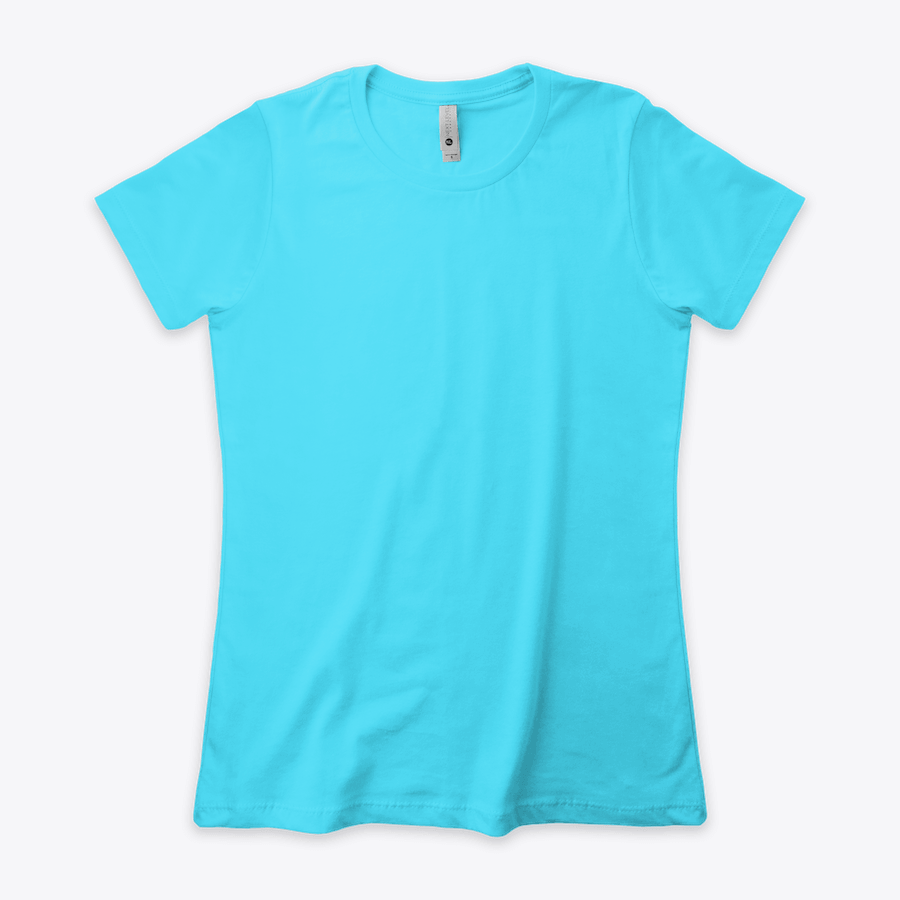
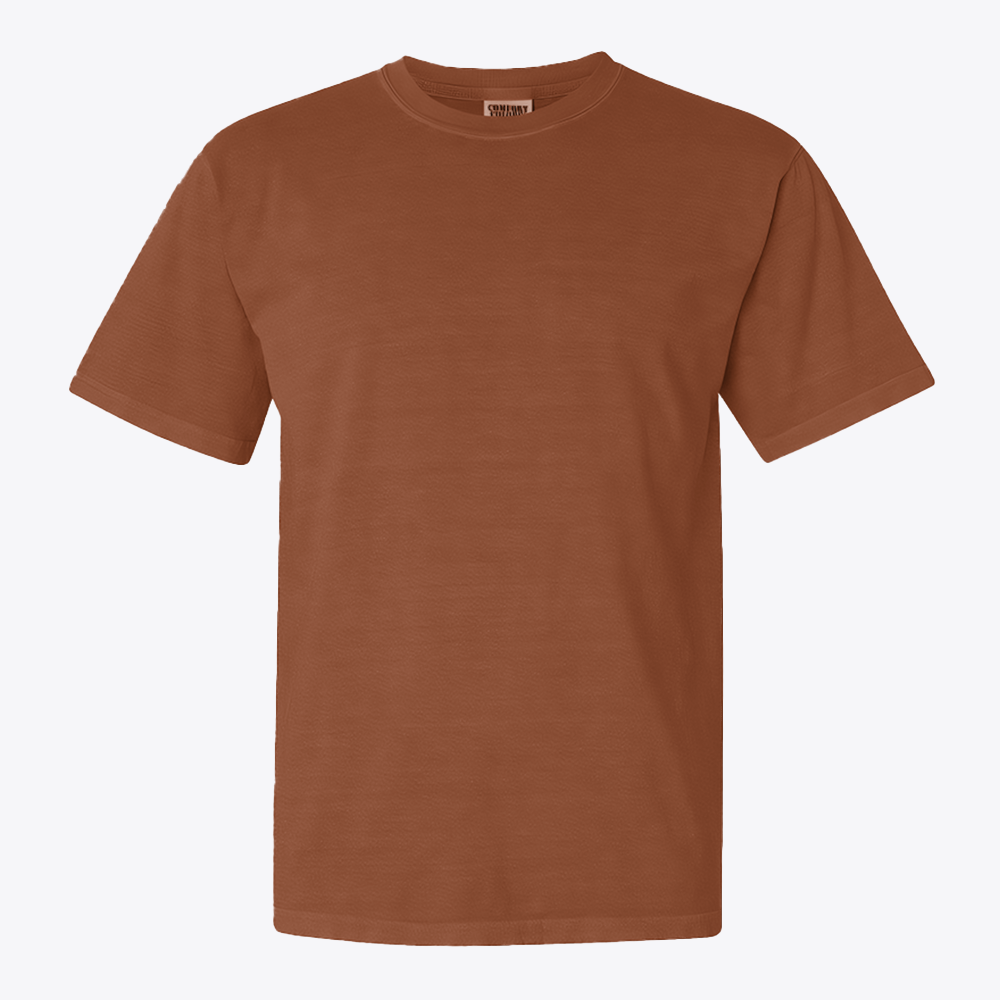
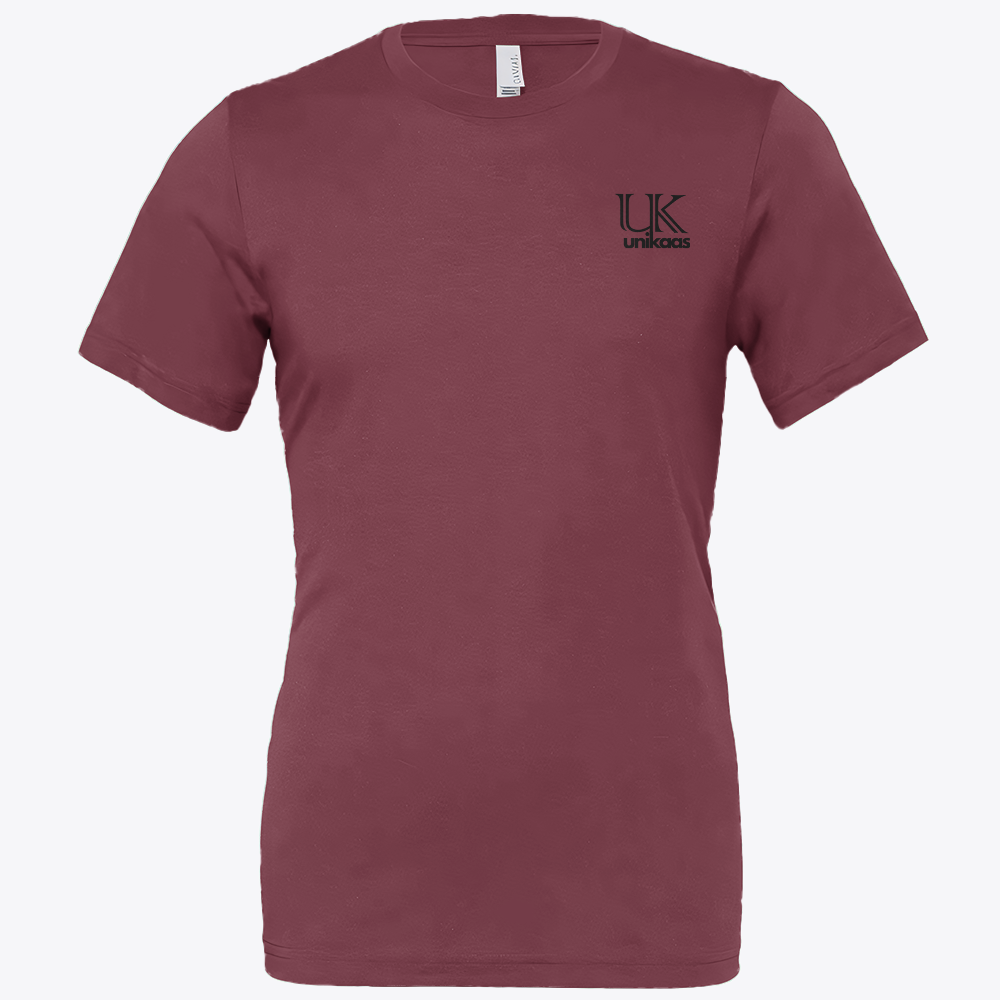
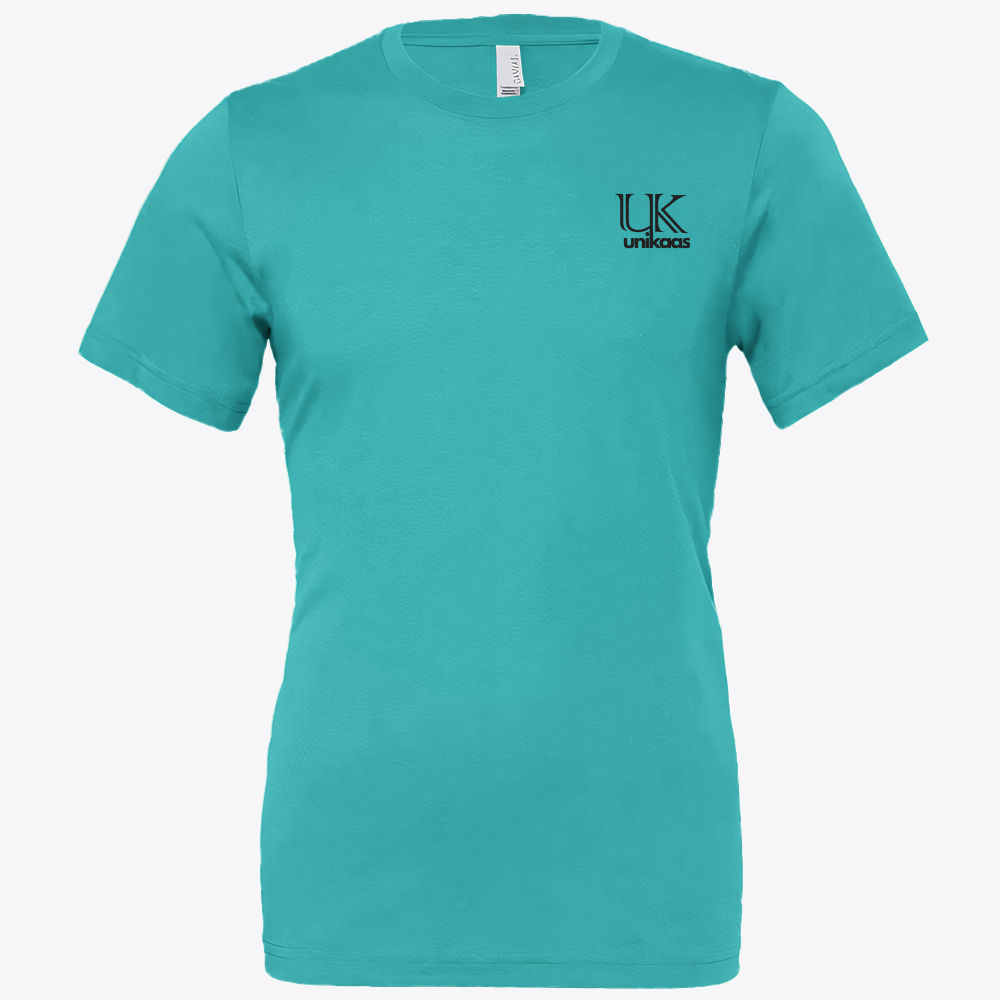
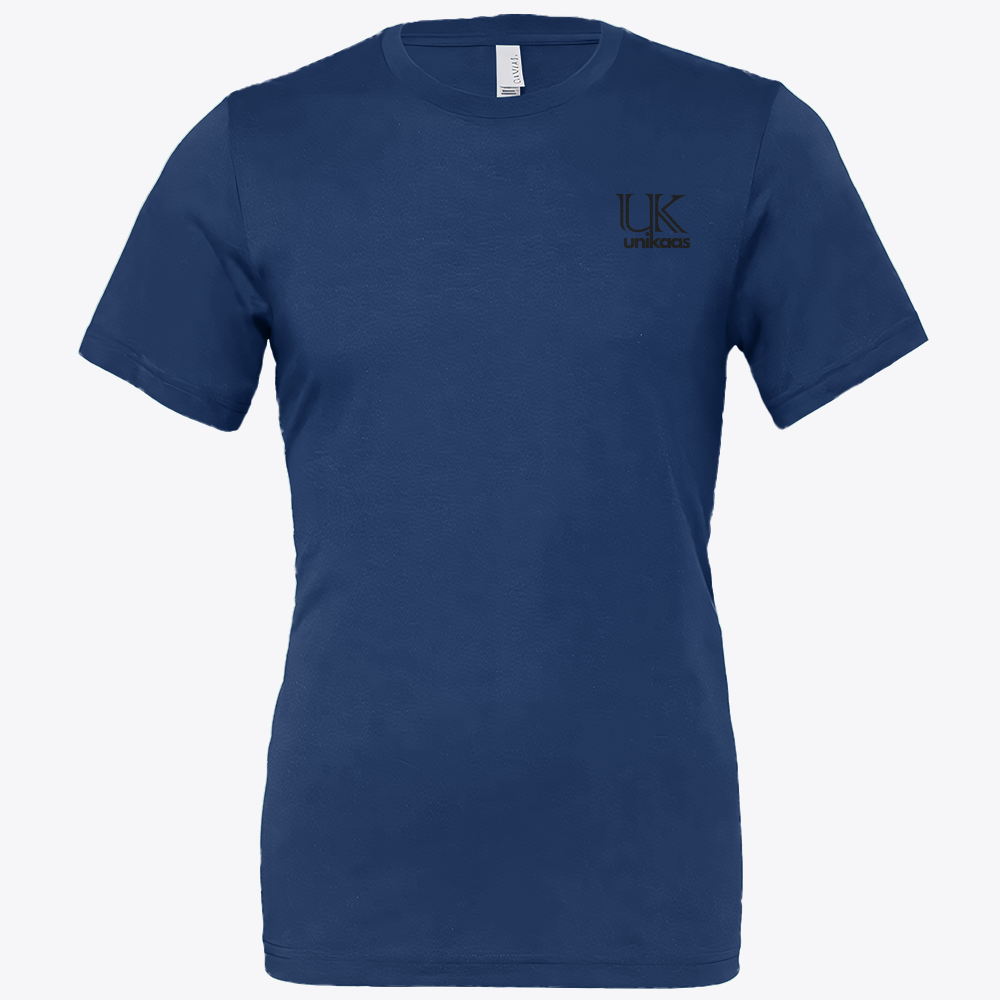
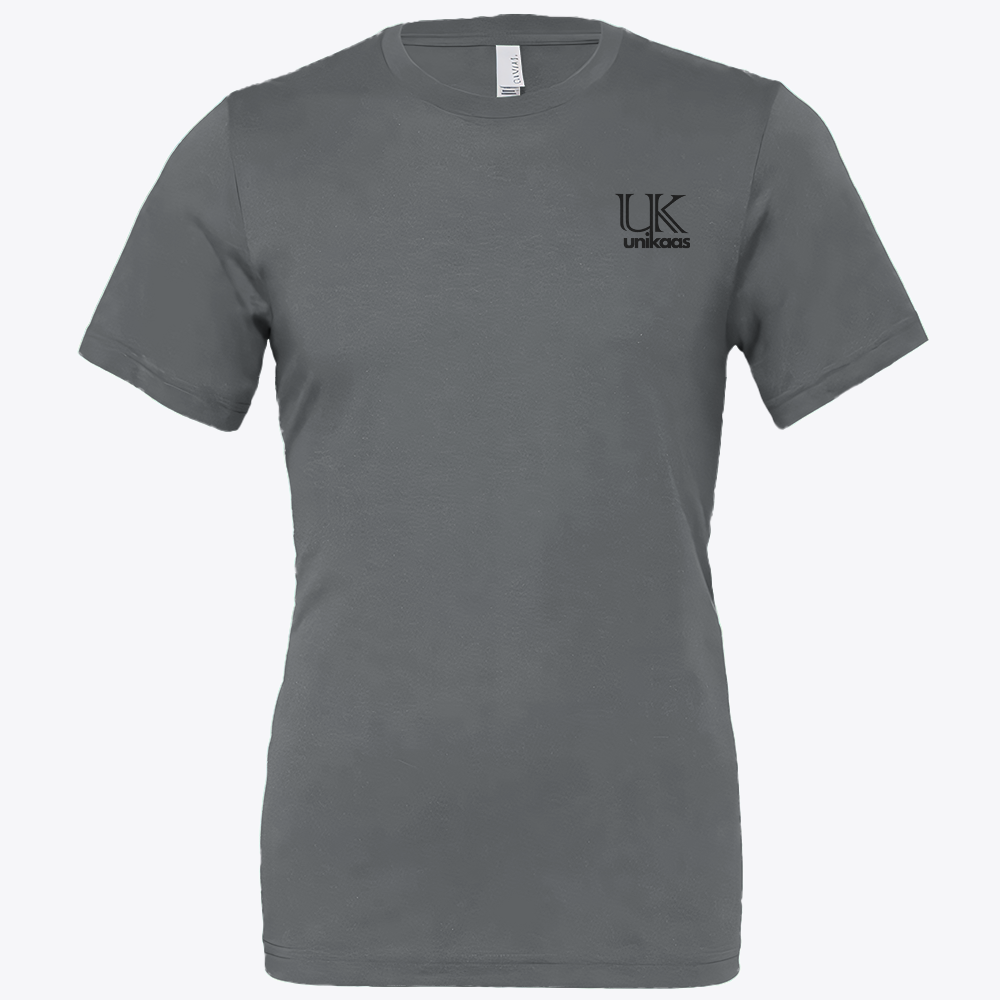
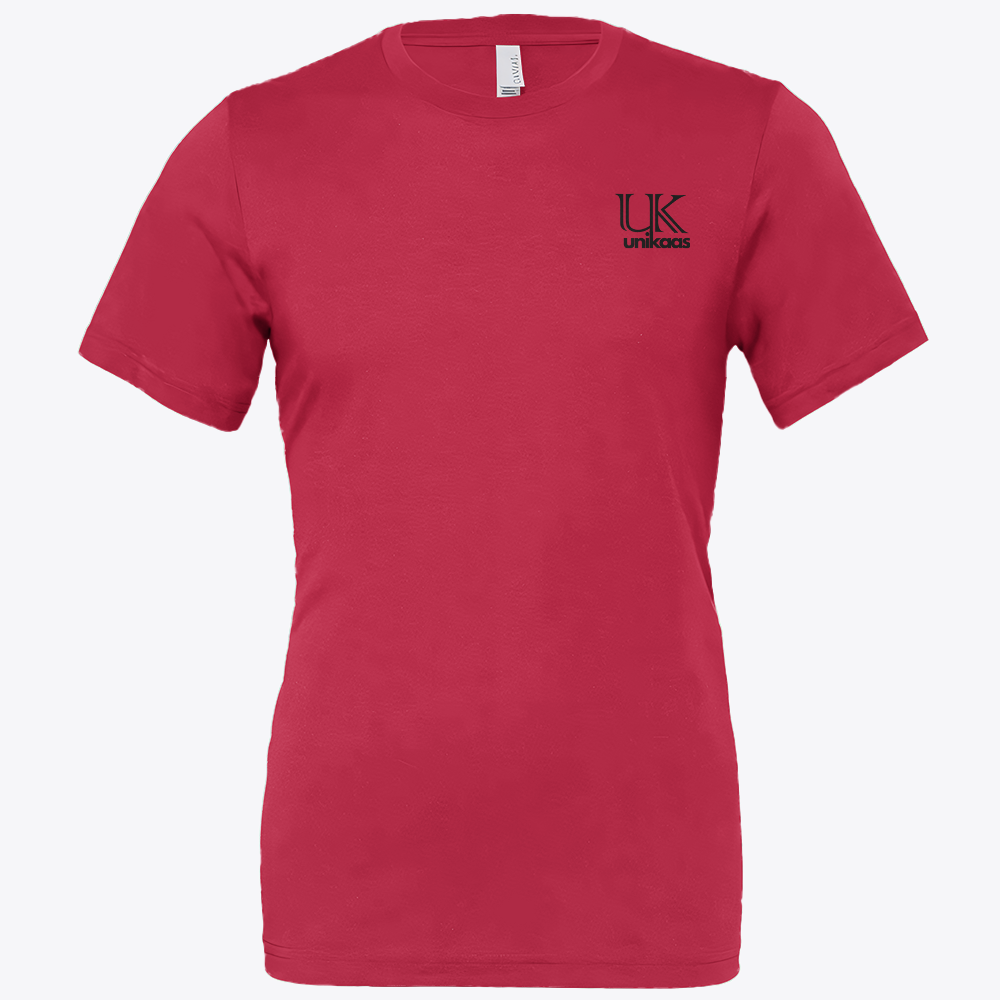
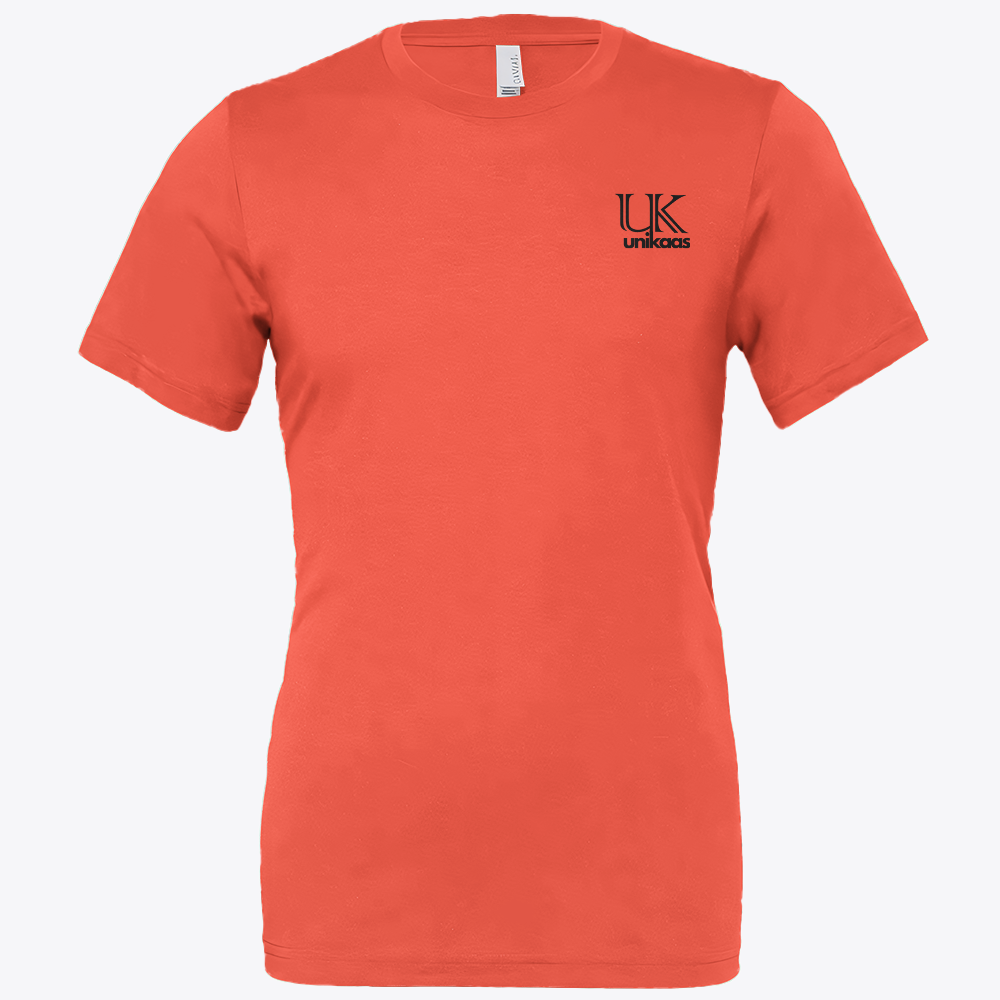
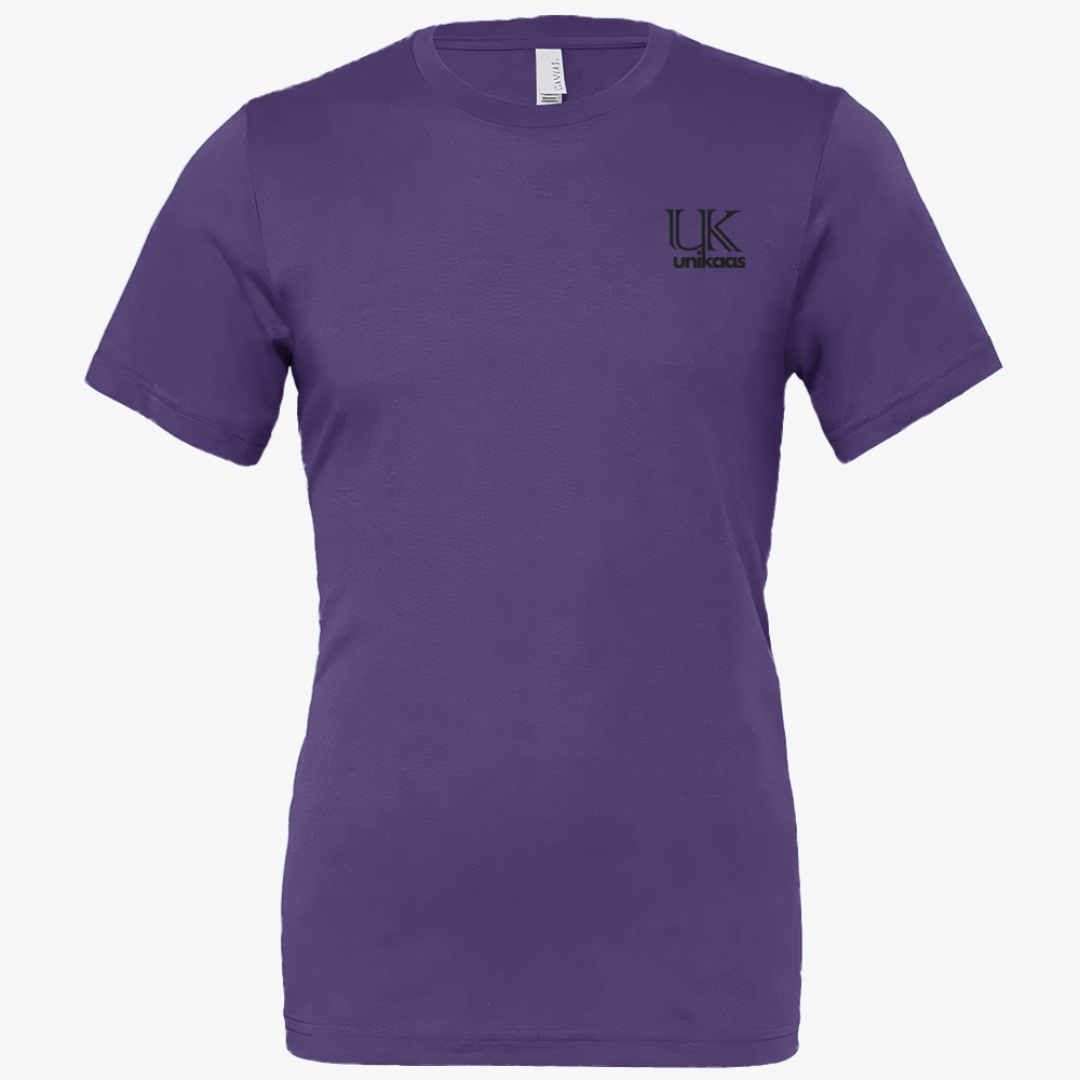
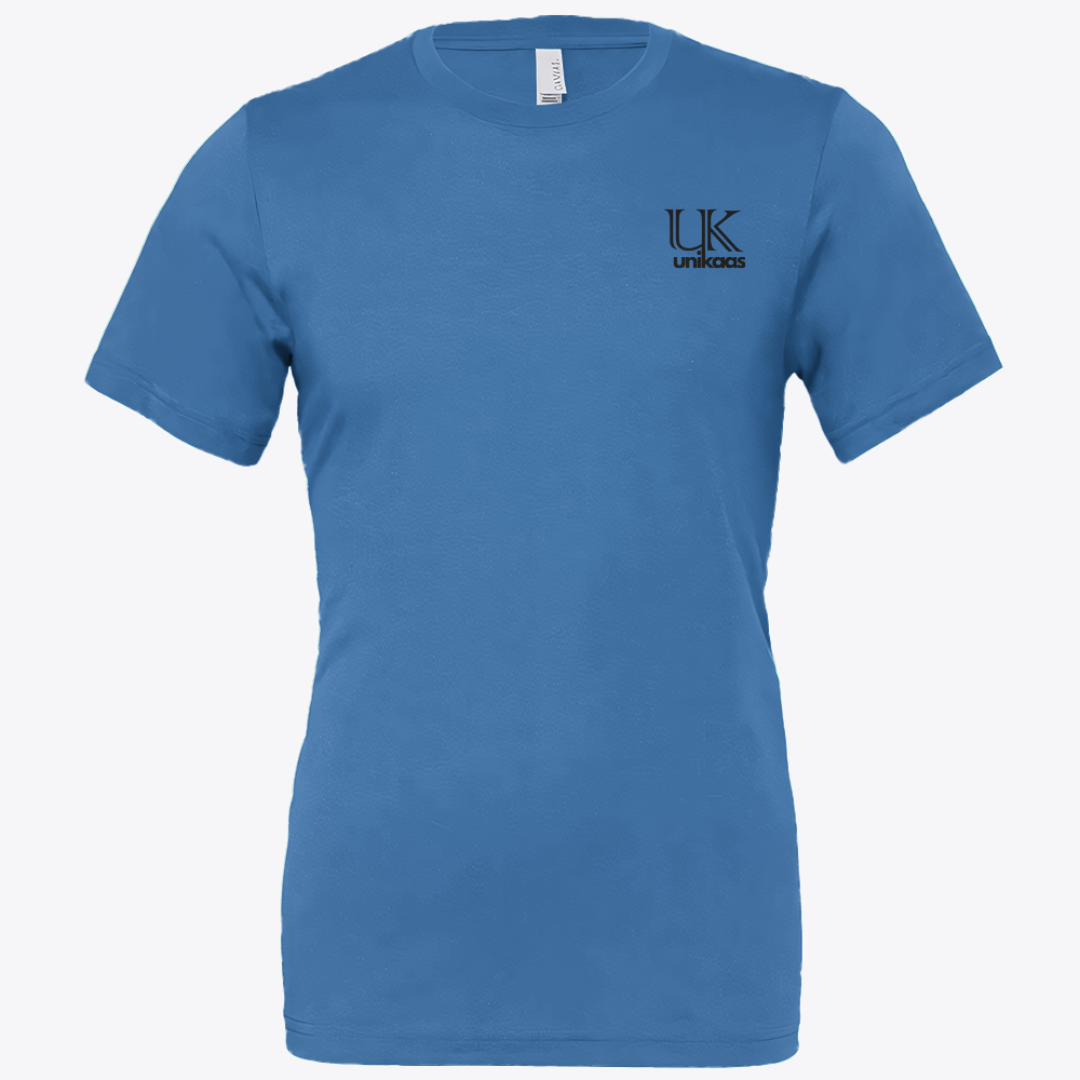
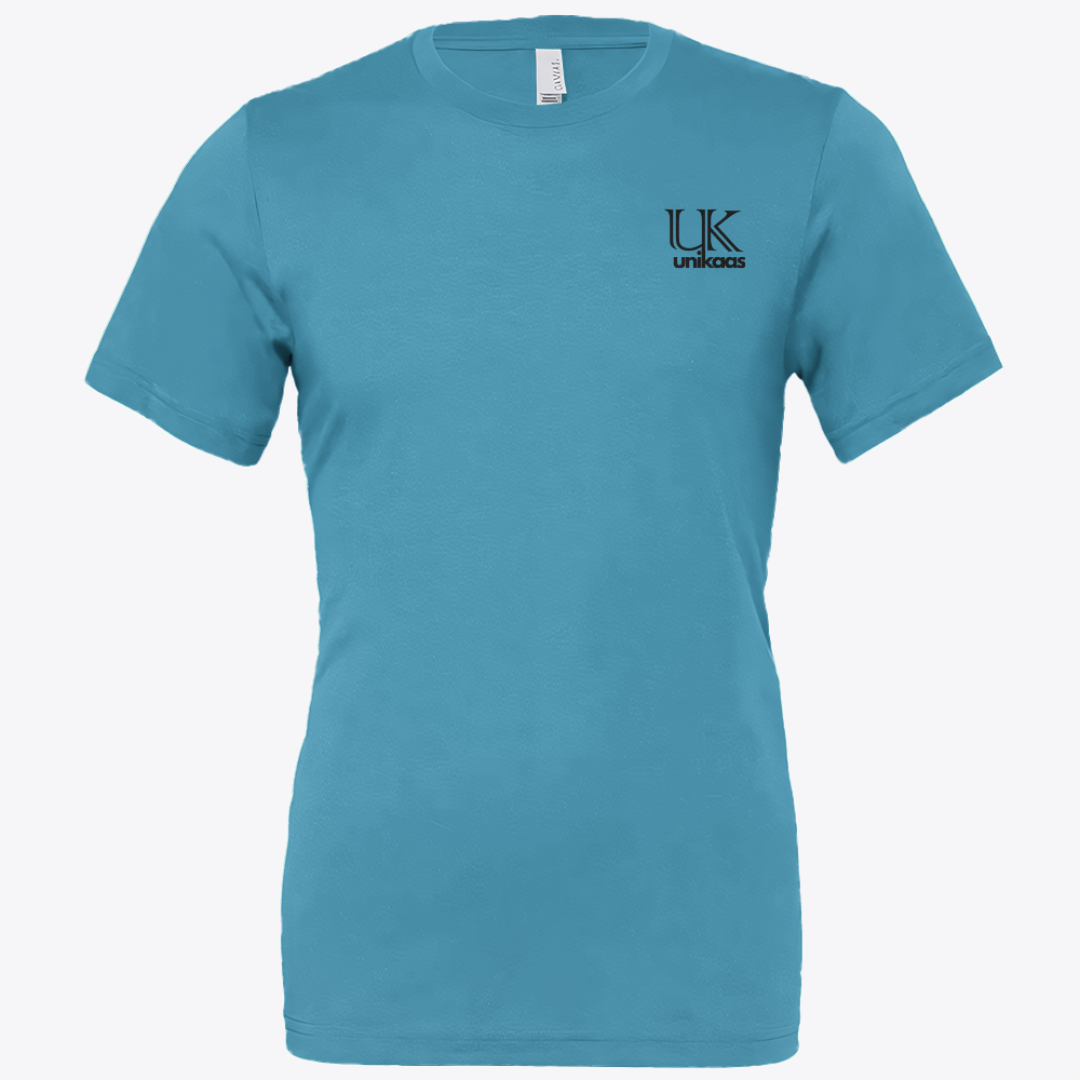
Bulk Polyester Shirts for Sublimation
Looking for bulk polyester shirts for sublimation printing? Unikaas helps apparel businesses, clothing decorators, promotional merchandise suppliers, and resellers explore wholesale blank T-shirts for custom printing projects. Choosing the right garment is an important step in producing consistent designs, managing production costs, and meeting customer expectations.Polyester shirts are widely used for dye-sublimation printing because the process works by transferring dye into suitable synthetic fibers. However, fabric composition, garment color, surface texture, fit, and heat-press settings can all affect the finished result. Selecting appropriate blanks before placing a large order can help you avoid unnecessary waste and production problems.Explore the available blank apparel options in the Unikaas catalog and contact our team to confirm fabric specifications, available sizes, color options, wholesale quantities, and shipping arrangements for your order.
Planning a bulk order? Contact Unikaas with your preferred shirt style, estimated quantity, and intended printing application to discuss suitable options.
Wholesale Polyester Shirts for Custom Printing
Blank polyester shirts give businesses a starting point for creating customized apparel without manufacturing every garment from scratch. Depending on the product selected, these shirts can be used for promotional merchandise, team apparel, event clothing, branded collections, and other custom-printing projects.When buying in bulk, it is important to look beyond the unit price. The most suitable shirt is one that matches your printing method, fits your target customer, and meets the quality expectations of your finished product.A wholesale order may include one shirt style in several sizes or multiple styles for different customer groups. Before confirming an order, check whether the requested fabric composition, colors, and sizes are available together and whether the supplier can maintain the required specifications across the order.
Who Buys Sublimation-Ready Blank Shirts?
Custom apparel businesses: Print shops need compatible garments that allow them to reproduce customer artwork consistently. Choosing a suitable fabric and testing a sample can help establish the correct production settings.
Online clothing brands: Businesses developing custom apparel collections may purchase blank shirts for their own designs. Fit, fabric feel, color options, and repeat-order consistency can all influence the customer experience.
Sports teams and fitness businesses: Polyester performance shirts are often considered for activewear because some fabrics are designed to manage moisture and support movement. The actual performance depends on the garment's construction and specifications.
Event organizers and promotional suppliers: Companies producing merchandise for conferences, fundraisers, community events, and promotional campaigns may need coordinated quantities of shirts in several sizes.
Wholesale resellers: Resellers should compare product specifications, landed costs, packaging requirements, and the supplier's ability to support future orders before selecting a product for resale.
Why Polyester Is Used for Sublimation Printing
Dye-sublimation printing uses heat to transfer dye from specially prepared transfer paper into compatible synthetic fibers. Rather than forming a conventional ink layer on top of the fabric, the dye becomes integrated into the suitable fibers.Polyester is therefore a common choice for textile sublimation. With an appropriate garment, transfer process, and color combination, the method can reproduce detailed artwork, gradients, photographs, and colorful graphics.The fabric alone does not guarantee a successful print. The garment must be compatible with the printing process, and the printer, ink, transfer paper, heat press, temperature, pressure, and pressing time must be appropriate for the materials being used.
Benefits of Polyester Sublimation Shirts
Suitable fiber composition: Polyester provides the synthetic fibers required for conventional textile sublimation. A higher polyester content generally supports more vibrant sublimation results than a garment with a substantial cotton content.
Detailed artwork: Sublimation can reproduce fine details, multicolored designs, and gradients when the materials and production settings are suitable.
No conventional thick ink layer: Because the dye enters compatible fibers, a properly produced sublimated design does not have the same raised surface as some other printing methods.
Options for activewear: Certain polyester garments have lightweight constructions or moisture-management features. These can be useful for sportswear and event clothing, provided the selected garment is designed for the intended application.
Potential for repeat production: Businesses can standardize their artwork, garment specifications, and printing process to make repeat orders easier to manage. Consistency still needs to be checked across garment batches and production runs.
Understand the Limitations
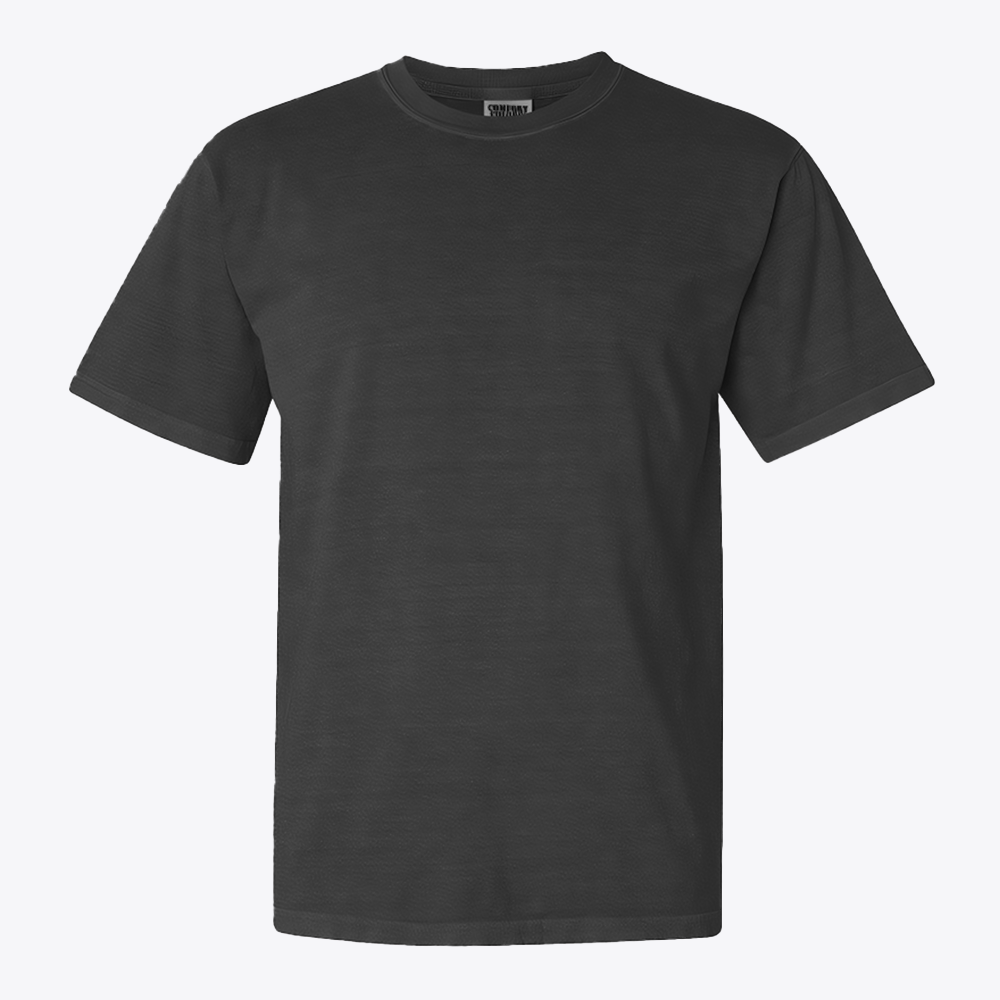
Sublimation is not the right solution for every garment or design. Standard sublimation inks do not print opaque white, so the original garment color influences the final artwork. Dark shirts generally cannot reproduce a full-color design as intended using conventional sublimation alone.Heat can also cause dye migration, discoloration, or press marks on some polyester fabrics. Testing a representative garment before full production is an important precaution.If your design requires white graphics on dark apparel, ask your printer whether a different decoration method would be more appropriate.
Choosing the Right Polyester Shirt
Not every polyester T-shirt is identical. Two garments can share the same fiber composition while differing in thickness, construction, surface texture, stretch, fit, and suitability for a particular printing application.Before selecting bulk polyester shirts for sublimation, compare the garment specifications against your actual production requirements.
100% Polyester vs. Polyester Blends
A 100% polyester T-shirt is a useful starting point for businesses seeking garments for conventional textile sublimation. The synthetic fiber content makes it suitable for this type of dye-transfer process when the garment and printing conditions are compatible.Polyester-cotton blends require more consideration. The polyester fibers can accept sublimation dye, but cotton fibers do not respond in the same way. As a result, blended garments may produce less vibrant or less consistent results than suitable 100% polyester alternatives.The best choice depends on your priorities.
- 100% polyester: Consider this when your main goal is producing sublimated textile designs with strong color reproduction.
- Polyester-cotton blends: Consider these only when their fabric feel is important and you have confirmed that the expected print appearance meets your requirements.
- Specialty performance fabrics: Review the exact composition and construction, especially when the garment contains mesh panels, stretch fibers, textured surfaces, or moisture-management treatments.
Always confirm the stated fiber composition before purchasing. Do not assume that a garment described simply as a performance shirt is necessarily 100% polyester.
Shirt Color and Print Results
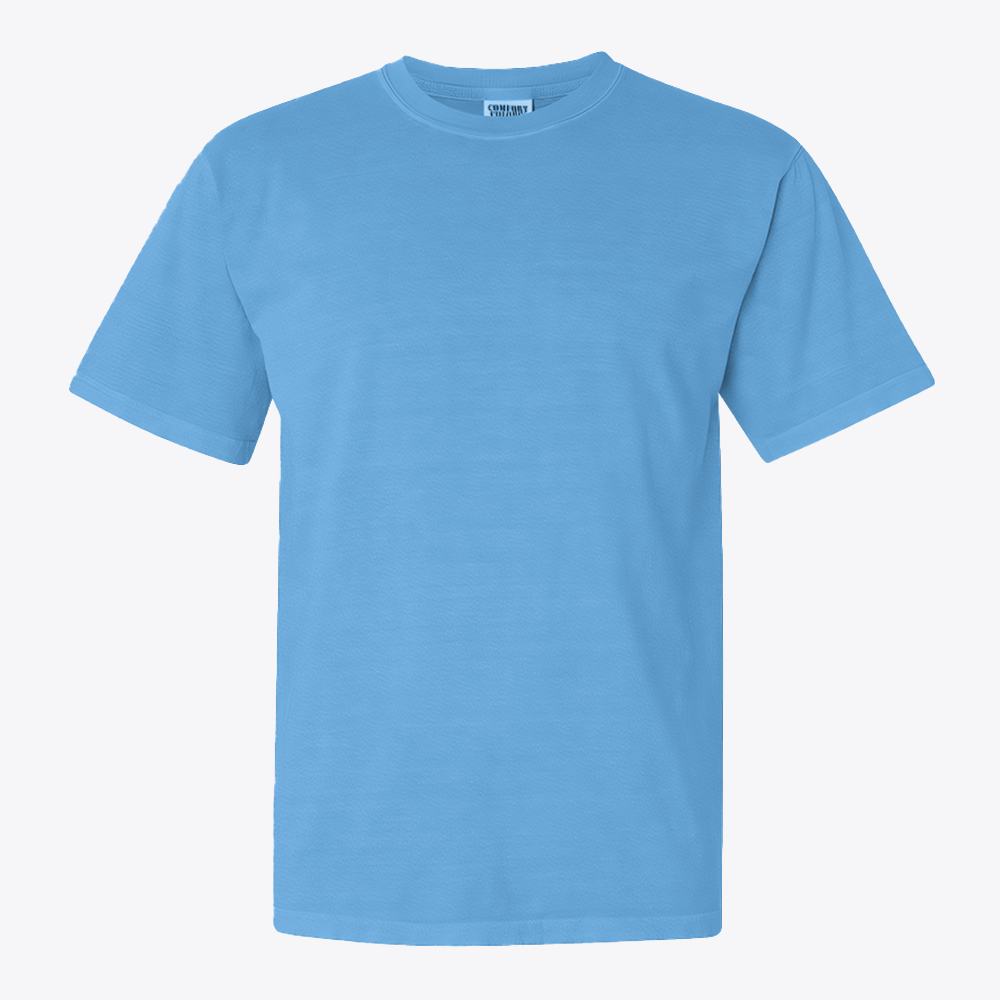
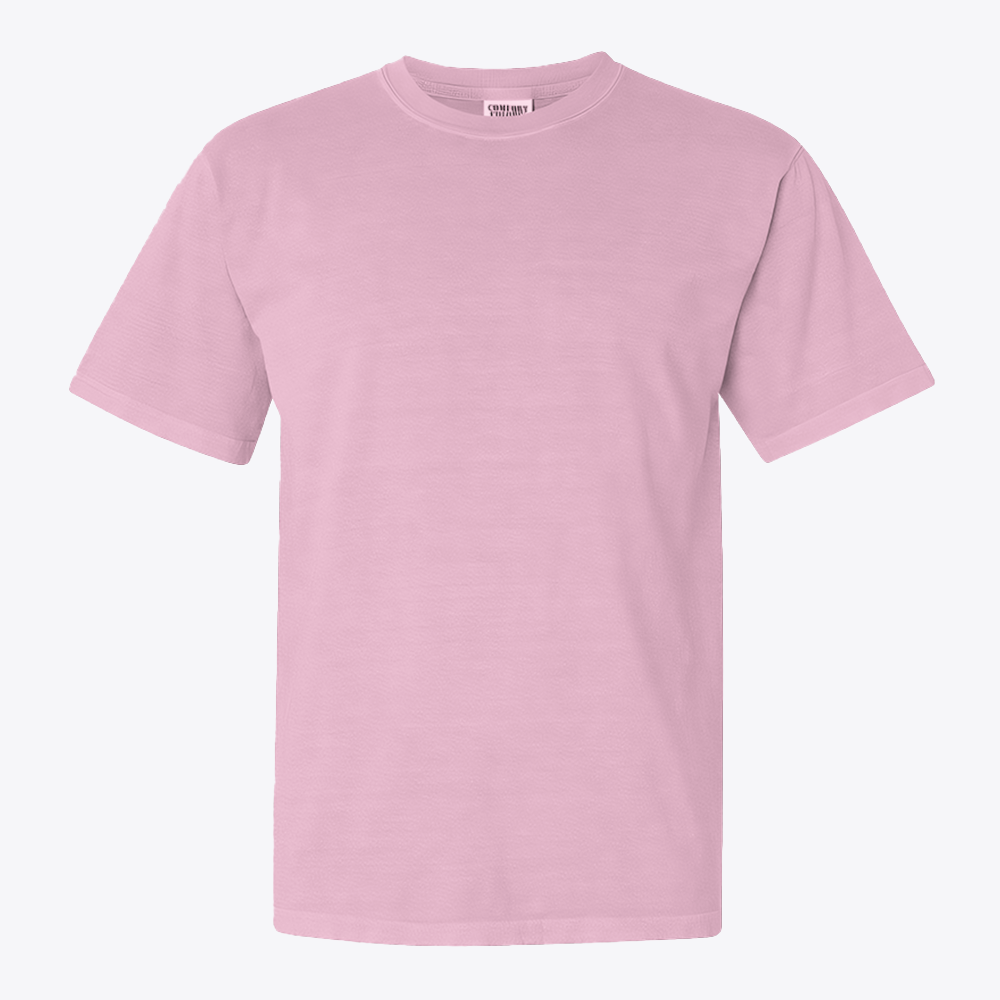
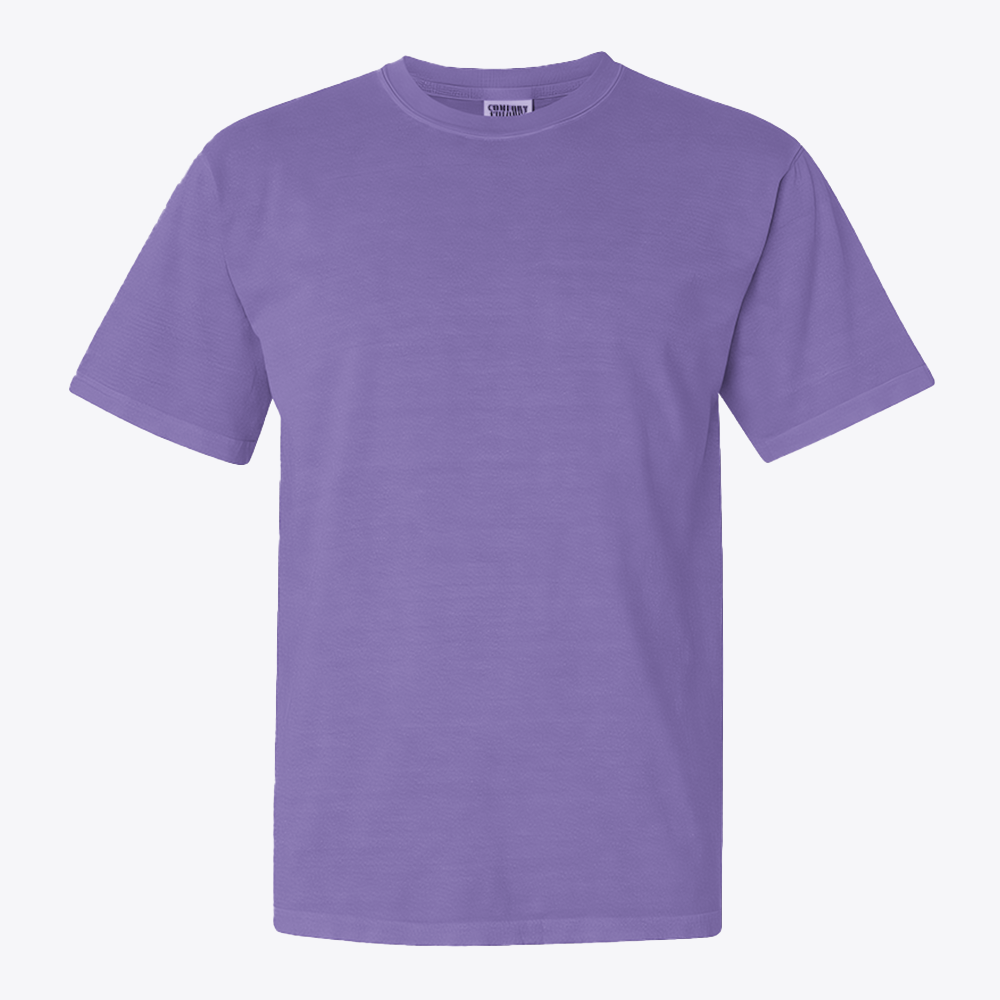
White and light-colored polyester shirts are generally the most straightforward choice for conventional sublimation. They provide a suitable background for reproducing colorful artwork without the dark garment color interfering with the design.White shirts are a common option for full-color artwork. Light shades may also work, but the garment color can influence the appearance of lighter areas in the design.For example, a pale blue shirt may be suitable for artwork designed around a blue background, but white areas in the digital design will normally appear as the underlying fabric color rather than as printed white ink.Dark-colored polyester shirts may still be useful for other decoration methods. However, businesses should not select them for conventional full-color sublimation without understanding the limitations of the process.Before ordering multiple colors, test the intended artwork on a sample of each garment color you plan to use.
Fit, Fabric Weight, and Surface Texture
Fabric weight can influence how a shirt feels, drapes, and performs in everyday use. A lightweight garment may suit promotional giveaways or warm-weather events, while a more substantial shirt may better match a retail apparel collection.There is no single fabric weight that is best for every sublimation project. Consider the intended customer, climate, garment style, and expected use.Surface texture also matters. A smooth, even printing area can help the transfer sit consistently against the garment. Seams, folds, pockets, textured panels, and uneven surfaces can create complications when positioning artwork or applying heat.When comparing products, confirm:
- Fiber composition and fabric weight.
- Garment measurements and available sizes.
- Neckline, sleeve length, and overall fit.
- Surface texture and construction.
- Care instructions and any special performance features.
- Compatibility with your printing equipment and process.
Types of Bulk Sublimation Shirts
The best product range depends on what your business intends to produce. Use the Unikaas catalog to review the actual products available, and confirm the specifications of each garment before treating it as a sublimation blank.
Men's and Unisex Polyester T-Shirts
Men's and unisex polyester T-shirts are options for businesses serving broad customer groups, sports organizations, promotional campaigns, or casual apparel markets.When selecting these shirts, pay attention to chest measurements, body length, sleeve dimensions, and fit. A size label alone does not guarantee that two different garments will fit the same way.For orders involving several sizes, prepare a size breakdown before requesting a quote. If you intend to sell the finished shirts, consider how the garment measurements compare with your existing size chart.
Performance and Lightweight Shirts
Performance-style shirts may be suitable for athletic activities, team events, outdoor promotions, and other applications where lightweight construction is desirable.Some performance garments include moisture-management features, ventilation panels, or specialty finishes. These attributes should be confirmed from the product specification rather than assumed from the fabric name.A garment intended for sports use may also have a different surface texture or stretch characteristics from a standard T-shirt. Test the selected shirt with your intended sublimation process before committing to a large production run.
Short-Sleeve and Long-Sleeve Options
Short-sleeve T-shirts are versatile choices for casual apparel, summer events, merchandise, and everyday promotional clothing.Long-sleeve shirts may suit cooler conditions, uniforms, or designs that require a larger decorated area. However, the additional fabric does not automatically mean that the garment is suitable for sublimation.Check the material composition, sleeve construction, and usable print area. If you plan to print across the front, back, or sleeves, make sure your equipment and transfer setup can accommodate the intended layout.
Choosing a Consistent Product Range
Businesses building a repeatable product line should avoid selecting garments solely because they appear similar in photographs.Compare actual measurements, fiber content, construction, and sample print results. Where several styles are required, document the specification for each style separately.This creates a clearer purchasing reference and makes it easier to assess future batches against the original requirements.
Uses for Wholesale Sublimation Shirts
Bulk polyester shirts can support a variety of business applications, provided the selected garments and printing method match the project.
Sports and team merchandise: Clubs and teams may use polyester shirts for logos, numbers, event graphics, or other colorful designs. Confirm that the garment's construction and fit are suitable for the activity.
Custom apparel stores: Online stores and print shops can use blank shirts as the base for customer-specific artwork, personalized designs, and themed collections.
Corporate events and promotions: Businesses may require coordinated apparel for campaigns, exhibitions, staff events, or giveaways. Planning garment colors and size distribution in advance helps reduce ordering errors.
Schools and community events: Organizers may need shirts for fundraisers, clubs, camps, or special events. Children’s and adult garments should be evaluated separately for sizing and suitability.
Merchandise and retail collections: Clothing brands may use sublimation for artwork that requires detailed color transitions or photographic elements. Sample approval and repeatable specifications are particularly important when finished products will be sold to customers.
Creative businesses: Independent designers and small production studios may use blank polyester garments to produce personalized gifts and custom designs. Their purchasing needs can differ from those of large-volume resellers, so order quantities and sampling requirements should be discussed in advance.
How to Choose the Best Bulk Polyester Shirts
The best bulk polyester shirts are not necessarily the cheapest garments or those with the highest advertised fabric weight. They are the garments that satisfy your design, comfort, production, and commercial requirements.Use the following checklist when comparing suppliers.
1. Confirm fabric composition. Verify whether the garment is 100% polyester or a blend. Ask for a product specification if the listing is unclear.
2. Match the shirt to the printing method. Confirm that the blank is suitable for the specific sublimation process you use. Do not assume that all heat-transfer methods work identically.
3. Check the base color. Determine whether white or another light color is required to reproduce your artwork accurately.
4. Review garment measurements. Compare actual size charts rather than relying on labels alone. Consider the fit your customers expect.
5. Assess the surface and construction. Inspect the printing area for seams, textures, pockets, or other features that may affect artwork placement.
6. Test a sample. Where available, test a representative garment before placing a large order. Evaluate color reproduction, fabric response to heat, fit, and overall construction.
7. Compare total costs. Include the garment price, shipping, import charges where applicable, printing waste, packaging, and any other costs associated with getting the product ready for sale.
8. Check availability and repeat-order requirements. Ask whether the same style, composition, and colors can be supplied for future orders. Confirm lead times and production arrangements directly.
9. Document the approved specification. Keep a record of the garment style, fabric composition, color, size breakdown, and sample results. This can help you compare future deliveries against the original requirements.A supplier comparison should be based on verifiable product information, not broad claims such as “premium quality” or “best sublimation shirts” without supporting details.
Cheap Bulk Sublimation Shirts: Comparing Total Cost
Affordable blank shirts can help businesses manage production budgets, but the lowest quoted unit price does not always result in the lowest overall cost.For example, imagine a print shop comparing two potential garment orders. Supplier A quotes a lower garment price, but the shirt has not been tested with the shop's printing process. Supplier B provides clearer specifications and allows the buyer to assess a sample before confirming the larger order.Supplier A may still be the better choice, but the decision should account for the cost and risk of testing, potential production waste, shipping, and any quality issues. The example illustrates a decision-making method rather than a claim about actual supplier performance.When comparing cheap bulk polyester shirts for sublimation, review these cost factors:
- Price per garment at your required quantity.
- Shipping charges and delivery arrangements.
- Import duties, taxes, and other applicable fees.
- Sample and testing costs.
- Differences in garment construction and fabric composition.
- Potential losses from inconsistent sizing, damaged goods, or unsuccessful prints.
- Packaging and handling requirements.
- The cost of sourcing the same specification for future orders.
Ask suppliers to clarify whether their quote covers the complete order or only the garment price. For international purchases, confirm the currency, payment terms, shipping method, and responsibility for import charges.Unikaas can be contacted to discuss the available products and request pricing for a specified order. Actual prices, minimum quantities, and shipping arrangements should be confirmed for your requirements rather than assumed from general wholesale descriptions.
How to Plan a Wholesale Shirt Order
A well-prepared order gives the supplier enough information to identify suitable products and gives the buyer a clear basis for approving the finished garments.
Confirming Specifications and Samples
Start by identifying the garment type, intended printing method, desired fiber composition, preferred colors, and required sizes.If the product specification is incomplete, ask the supplier to clarify it before comparing quotations. For sublimation projects, confirm whether the garment is intended for conventional dye-sublimation printing and whether any special construction or finish affects the process.Request a sample when available and practical. Test it using the equipment, ink, transfer paper, and heat-press settings intended for production.Evaluate both the print and the garment. Check color reproduction, unwanted marks, fabric distortion, fit, seams, and general construction. Record the results so that the approved sample becomes a reference for the order.
Planning Sizes, Colors, and Quantities
Prepare a clear quantity breakdown before requesting a bulk quote. Specify how many shirts you need in each size, color, and style.For example, an order might require adult shirts in several sizes for a team event. Instead of requesting a general quantity of shirts, provide a size-by-size breakdown and identify whether all garments must use the same style and fabric composition.If multiple garment colors are required, confirm whether each color is suitable for the planned artwork. The underlying shirt color can affect the appearance of sublimated designs.Do not assume that every size or color is available in the same quantity. Ask the supplier to confirm availability, any minimum quantities, and whether substitutions are permitted.
Checking Print Quality and Consistency
Once the order is approved, use the documented specification to check the delivered garments.Inspect the quantity received, size labels, colors, visible defects, and other agreed product attributes. If the order contains several styles, assess each separately.During printing, maintain a consistent production process and follow the equipment and material manufacturers' recommendations. Polyester garments can respond differently to heat depending on their construction, so use appropriate test settings rather than applying a universal temperature and pressing time to every shirt.Keep records of approved samples and any agreed changes. This is particularly helpful for businesses that expect to reorder the same garments for future events or retail collections.
Where to Buy Polyester Shirts for Sublimation
When deciding where to buy polyester shirts for sublimation, compare suppliers on product suitability, clear specifications, wholesale pricing, order flexibility, and shipping arrangements.Online wholesale catalogs can make it easier to explore garment styles and request product information without visiting a physical store. However, a product listing alone may not provide every detail needed for a production order.Before choosing a supplier, ask:
- Is the shirt's fiber composition clearly documented?
- Is the garment suitable for my particular sublimation process?
- Are the requested sizes and colors available?
- Can I review a sample before placing a larger order?
- What quantity is required for wholesale pricing?
- What are the payment, shipping, and import arrangements?
- Can the supplier confirm the specifications for repeat orders?
- Who should I contact if the delivered products do not match the approved specification?
Buyers searching for polyester shirts for sublimation near me may prefer local suppliers when quick access, sample collection, or lower shipping costs are important. However, online and international suppliers may also be worth evaluating if their products and commercial arrangements suit the project.The important consideration is whether the supplier can meet your verified requirements, not simply whether it is nearby.
Explore Wholesale Options with Unikaas
Unikaas offers a starting point for businesses exploring blank apparel and wholesale T-shirt options. If you are sourcing garments for sublimation, contact the team with your intended application and required specifications so that the relevant products can be identified and confirmed.When making an inquiry, include your estimated order quantity, preferred fabric composition, shirt colors, size breakdown, delivery destination, and expected purchasing timeframe. Mention whether you need samples and whether the shirts will be used for resale, promotional campaigns, or custom apparel production.This information helps establish the requirements for a meaningful quotation and reduces uncertainty before a purchase is confirmed.
Ready to discuss a bulk order? Explore the Unikaas catalog and contact the team to request product details and a wholesale quote.
Frequently Asked Questions
Are 100% polyester T-shirts suitable for sublimation printing?
Yes. Suitable 100% polyester T-shirts are commonly used for conventional textile sublimation because the dye bonds with the synthetic fibers. The final result also depends on the garment's construction, base color, transfer materials, and printing conditions.
Can I buy bulk polyester shirts for sublimation from Unikaas?
You can explore the Unikaas catalog and contact the business to confirm which products meet your requirements. Before placing an order, verify fabric composition, available sizes and colors, minimum quantities, pricing, and shipping arrangements.
Are cheap bulk polyester shirts good for sublimation?
They can be suitable, but price alone does not establish print quality. Compare the fiber composition, construction, sizing, and sample print results, along with shipping and other costs. A low-cost shirt may not represent good value if it produces inconsistent results or does not meet your customers' expectations.
What is the difference between 100% polyester shirts and polyester-cotton blends?
A 100% polyester shirt provides a higher proportion of synthetic fibers for conventional sublimation. A polyester-cotton blend contains fibers that respond differently to the process, which can reduce the vibrancy or consistency of the design. Test the exact garment before using it for a large order.
Can sublimation be printed on black or dark polyester shirts?
Conventional sublimation is generally best suited to white or light-colored polyester fabric. Standard sublimation inks do not print opaque white, and dark garment colors can obscure the design. Consider another decoration method if the artwork must appear clearly on dark apparel.
Are men's polyester T-shirts available for bulk sublimation orders?
Availability depends on the supplier's current product range. When requesting a quote, specify whether you need men's or unisex shirts, the required sizes, and the preferred fit. Confirm the actual garment measurements and fabric composition before ordering.
How many shirts should I order?
The appropriate quantity depends on your project, budget, production needs, and supplier requirements. Calculate the number of finished garments needed by size and color, allow for any necessary testing, and confirm the supplier's minimum order quantity before committing.
Should I test a shirt before ordering in bulk?
Testing a sample is advisable whenever possible. It allows you to check how the fabric responds to your printing process and assess fit, color, construction, and print appearance before purchasing a larger quantity.
What should I check before requesting a wholesale quote?
Provide the garment style, fabric composition, colors, sizes, quantity breakdown, intended printing method, and delivery destination. Also ask about sample availability, pricing, payment terms, shipping, and any applicable minimum quantities.
Where can I find polyester shirts for sublimation near me?
You can search for local blank-apparel wholesalers and sublimation suppliers in your area. Compare their products with online suppliers, paying attention to garment specifications, sample availability, total cost, and delivery requirements. Do not rely on location alone when selecting a supplier.
Can polyester shirts be used for other printing methods?
Yes, depending on the garment and decoration method. Polyester may be compatible with processes such as direct-to-film transfers, heat-applied graphics, or other methods when the materials and application instructions support them. These processes differ from conventional dye sublimation, so confirm compatibility with the printer or transfer manufacturer.
How do I maintain consistent quality across repeat orders?
Keep a record of the approved garment style, fabric composition, color, size chart, and sample results. Ask the supplier to confirm the specifications for subsequent orders and inspect incoming products against the agreed requirements.
How can I request a quote from Unikaas?
Contact Unikaas through its website and provide the quantity, fabric requirements, colors, sizes, intended use, and delivery destination. Include any sample requirements and ask for confirmation of pricing, availability, minimum quantities, and shipping before finalizing the purchase.