Wholesale Hoodies Germany – Bulk Hoodies Supplier | Unikaas
Looking for
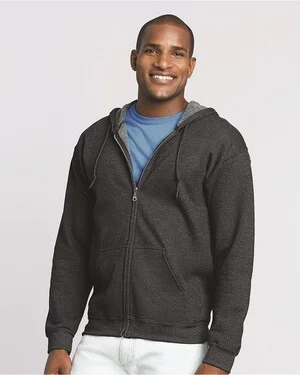
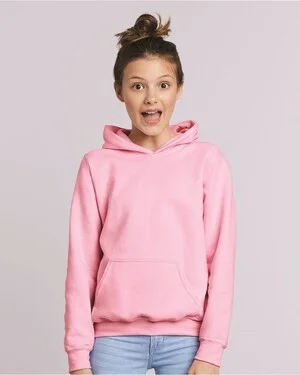
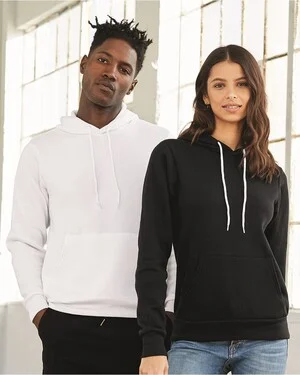
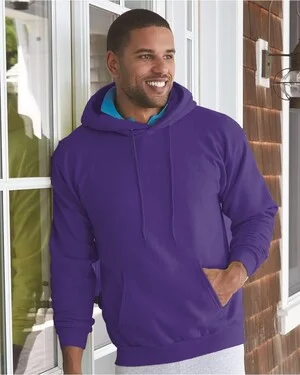
wholesale hoodies in Germany for your clothing store, fashion brand, online shop or promotional business? Unikaas provides a product catalogue featuring different hoodie and sweatshirt styles for businesses exploring bulk apparel sourcing. From classic pullover designs and zip-up sweatshirts to oversized streetwear styles and blank hoodies, choosing the right products starts with understanding your customers and your quality requirements.Whether you are developing a new clothing collection, expanding an existing retail range or sourcing hoodies for custom branding, comparing fabric composition, fit, construction and decoration options can help you make a more informed purchasing decision.Explore the available hoodie collection below and contact Unikaas to discuss product specifications, wholesale quantities, customisation requirements and delivery arrangements for Germany.
Explore Our Wholesale Hoodie Collection
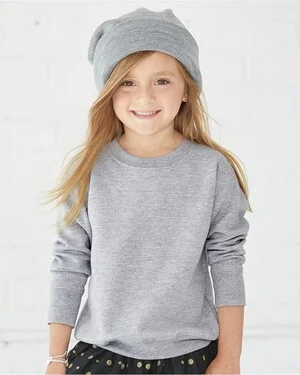
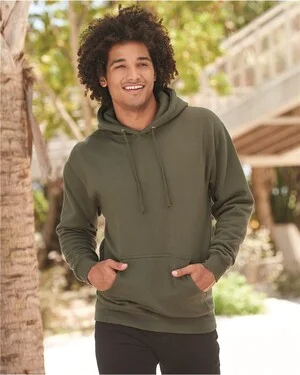
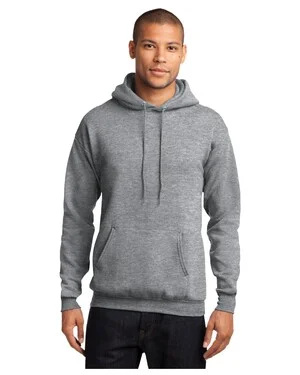
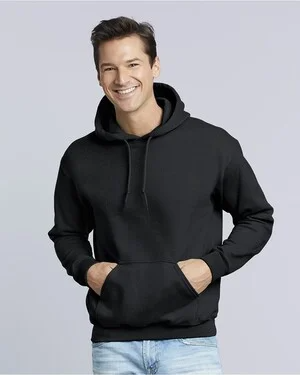
A successful hoodie collection should offer more than a selection of colours. Retailers need products that suit their customers, fit their price positioning and complement the rest of their clothing range.The Unikaas catalogue currently includes products from recognised apparel labels such as Gildan, Bella + Canvas, Independent Trading, Hanes, Port & Company and Jerzees. Examples include pullover hoodies, zip-up designs, fleece sweatshirts and crewneck styles.When browsing the collection, consider the following product characteristics:
- Style: Pullover, zip-up, oversized or crewneck.
- Material: Cotton, polyester or blended fabrics.
- Weight: Lightweight, midweight or heavyweight construction.
- Fit: Regular, relaxed or oversized.
- Colour: Neutral shades, seasonal colours or brand-specific colours.
- Branding: Plain garments or products suitable for printing and embroidery.
Product specifications and availability can vary by individual model. Review the relevant product information before requesting a bulk quotation.
Wholesale Hoodies for German Retailers and Clothing Brands
The wholesale hoodie market includes several types of business buyers. A retailer stocking everyday casualwear has different requirements from a streetwear label developing a distinctive seasonal collection.Understanding the intended customer helps businesses choose products that are more suitable for their market.
Clothing Stores and Fashion Retailers
Fashion retailers often use hoodies as part of their year-round casualwear selection. Classic colours such as black, grey, navy and white can complement existing collections, while seasonal colours provide opportunities to introduce new styles.Retailers should consider a balanced product range rather than purchasing too many variations of one design. For example, a collection might include classic pullover hoodies, zip-up sweatshirts and a smaller selection of oversized styles.Before purchasing, compare size availability, colour consistency, fabric composition and product measurements. These details can help reduce confusion when displaying products in a physical store or online catalogue.
Online Clothing Businesses
Online fashion stores need products that are easy to photograph, describe and organise into product categories.When sourcing bulk hoodies in Germany, e-commerce businesses should request accurate product measurements, fabric information, colour references and clear photographs. These details make it easier to create informative product listings and communicate expectations to customers.Consider preparing product pages that explain:
- Available sizes and measurements.
- Fabric composition.
- Fit and intended use.
- Washing and care information.
- Available colours.
- Printing or embroidery options, where applicable.
Accurate descriptions help customers understand what they are purchasing and reduce avoidable product-related questions.
Streetwear and Private-Label Brands
Streetwear brands frequently build collections around distinctive fits, colours, graphics and garment details.Oversized hoodies, heavyweight sweatshirts and minimalist blank garments can be useful starting points for developing a recognisable clothing range.Brands considering private-label hoodies should prepare a clear specification sheet. Include the desired fabric, garment weight, fit, colour, logo position, label requirements and size range.A complete specification makes it easier to discuss production requirements and compare quotations from different hoodie suppliers.
Promotional and Corporate Buyers
Hoodies are also used for staff clothing, promotional campaigns, university merchandise, sports organisations and event merchandise.For these orders, consistency is particularly important. Buyers should establish the required size distribution, logo placement, garment colours and decoration method before approving production.If the garments will be worn regularly, fabric durability, print suitability and care requirements should receive particular attention.
Types of Hoodies Available for Bulk Orders
Different hoodie styles serve different customer preferences. A well-organised wholesale collection should make it easy for buyers to identify the products that suit their intended use.
Classic Pullover Hoodies
Pullover hoodies are traditional hooded sweatshirts without a full-length front opening. They commonly feature an attached hood, front kangaroo pocket and ribbed cuffs.Their straightforward construction makes them suitable for casual clothing ranges, promotional merchandise and everyday apparel.When comparing pullover hoodies, review the hood construction, pocket design, sleeve shape and fabric weight. These details influence the overall appearance and feel of the finished garment.
Zip-Up Hoodies
Zip-up hoodies feature a front fastening that allows the wearer to open or close the garment as needed.They are useful for layering over T-shirts and other lightweight clothing. Retailers may consider full-zip and half-zip variations depending on the products available in their catalogue.Before ordering, check zipper quality, stitching around the fastening, pocket construction and sizing. These features are important when evaluating the overall garment specification.
Oversized Hoodies
Oversized hoodies are popular in contemporary streetwear collections. They typically feature a relaxed silhouette, dropped shoulders and additional room through the body.Businesses interested in oversized hoodies wholesale should pay close attention to garment measurements rather than relying exclusively on standard S, M, L and XL labels.Important measurements include:
- Chest width.
- Body length.
- Shoulder width.
- Sleeve length.
- Cuff opening.
- Hem width.
A clear measurement chart helps buyers understand the actual fit and select products that match their intended style.
Plain and Blank Hoodies
Blank hoodies are garments without prominent external graphics or branding. They are particularly useful for clothing businesses that intend to add their own designs.A plain hoodie can provide a foundation for screen printing, embroidery, heat transfer or other suitable decoration techniques.When selecting blank hoodies wholesale in Germany, consider fabric texture, surface construction, colour consistency and the intended decoration method.Not every fabric performs identically with every printing technique. Buyers should discuss artwork requirements with their decoration provider before finalising a product.
Men's, Women's and Unisex Hoodies
Hoodies are available in different sizing and fit categories.Men's styles may feature a traditional regular fit, while women's collections can include different body proportions and silhouettes. Unisex garments are designed to offer a shared fit category, although measurements still vary between manufacturers.For wholesale purchasing, always request the manufacturer's actual size chart.Do not assume that a medium from one brand will have identical measurements to a medium from another. Consistent sizing information is especially important for businesses selling online.
Choose the Right Fabric for Wholesale Hoodies
Fabric selection affects comfort, appearance, garment weight, decoration suitability and retail positioning.Businesses purchasing premium wholesale hoodies should understand the differences between common textile materials.
Cotton Hoodies
Cotton is widely used in casual apparel because of its soft feel and familiar fabric characteristics.Cotton hoodies can be suitable for everyday clothing, fashion retail and selected promotional applications.However, cotton quality varies according to fibre characteristics, yarn construction and fabric finishing. Buyers should review the actual composition and construction instead of relying on the word premium alone.
Cotton-Polyester Blends
Cotton-polyester blends combine two commonly used textile fibres.The cotton component contributes a natural hand feel, while polyester can influence durability, shape retention and drying characteristics.The performance of a blended hoodie depends on the actual fibre percentages, yarn construction and finishing process.Ask for the exact fibre composition before using claims such as cotton-rich, polyester blend or easy-care fabric in product descriptions.
Fleece and Brushed Fleece
Fleece fabrics are frequently used in sweatshirts and hooded garments.Brushed fleece has a soft, raised surface created during finishing. It is often selected for garments intended to provide a warmer, softer interior feel.Buyers should compare the fabric weight, surface finish, composition and construction when selecting fleece hoodies for different seasons.
Organic Cotton and Recycled Materials
Businesses developing sustainability-focused collections may consider garments made with organic cotton or recycled fibres.However, environmental claims should be supported by reliable documentation.If a supplier describes a hoodie as organic, recycled or sustainably produced, request the relevant material information and applicable certification or transaction documentation.Do not assume that a garment is certified organic simply because its product description mentions environmentally friendly materials.
Understanding Hoodie GSM and Fabric Weight
GSM means grams per square metre. It is a measurement used to describe the weight of a fabric.When purchasing heavyweight hoodies wholesale, GSM can help buyers compare different materials and product specifications.For general product evaluation, buyers may use the following broad categories as starting points:
| Fabric weight | General description |
|---|
| Below 240 GSM | Lightweight fabric |
| 240–300 GSM | Midweight fabric |
| 300–350 GSM | Heavier midweight fabric |
| Above 350 GSM | Heavyweight fabric |
These are practical comparison ranges, not universal industry classifications.A higher GSM does not automatically mean better quality. Fibre composition, yarn quality, knitting, fabric finishing and garment construction also influence performance.For example, a well-constructed midweight hoodie may be more suitable for a particular retail collection than a very heavy garment.When requesting a wholesale quotation, ask for the fabric GSM, fibre percentages and whether the stated weight applies to the actual garment fabric.
Custom Hoodies Wholesale Germany
Customisation gives clothing businesses an opportunity to develop garments that reflect their own identity.Unikaas's existing product page describes customisation and private-label options. Buyers should confirm the available methods, production requirements and costs for their selected products before placing an order.
Logo Printing
Printing can be used to apply artwork, text, brand names and graphics to hoodie surfaces.Common considerations include:
- Artwork dimensions.
- Front and back placement.
- Number of print colours.
- Garment colour.
- Fabric composition.
- Expected washing and wear conditions.
The appropriate printing method depends on the artwork, fabric and order requirements.
Embroidery
Embroidery creates a stitched design directly on the garment.It is commonly considered for smaller logos, brand marks and selected decorative details.Before approving embroidery, review the artwork size, stitch complexity, thread colours and fabric suitability.Detailed designs may require adjustments to produce a clean embroidered result.
Private-Label Branding
Private-label production allows a clothing business to develop garments under its own brand identity.Depending on the supplier's capabilities, potential requirements may include:
- Custom neck labels.
- Brand labels.
- Size labels.
- Hangtags.
- Packaging details.
- Custom garment colours.
- Specific fit and construction requirements.
Not all options are necessarily available for every product or order quantity. Confirm the scope of customisation with Unikaas before making commercial commitments.
Why Buy Hoodies in Bulk?
Bulk purchasing can help businesses organise their apparel inventory and establish a consistent product range.However, the right order size depends on demand, storage capacity, available capital and the variety of products being purchased.
Better Inventory Planning
Ordering suitable quantities of selected products can help retailers maintain stock for popular sizes and colours.A planned size distribution is generally more useful than purchasing equal quantities of every size without considering customer demand.Review previous sales data, customer feedback and seasonal requirements before deciding how many units to purchase.
Consistent Product Selection
A wholesale order can help businesses establish a coordinated collection with related colours, styles and garment specifications.For example, a clothing brand might build a collection around a particular heavyweight fabric, relaxed fit and consistent colour palette.This can create a more organised retail presentation.
Opportunities for Custom Branding
Businesses purchasing garments for their own brand can investigate printing, embroidery and private-label options.Combining a suitable blank garment with well-planned branding can help develop a distinctive product range.Always confirm whether the supplier can accommodate the intended branding requirements.
How to Choose a Hoodie Wholesale Supplier
Selecting a hoodie wholesale supplier requires more than comparing the lowest quoted price.A reliable purchasing decision should consider product specifications, communication, documentation, quality evaluation and commercial terms.
Review Product Specifications
Ask the supplier for clear information about:
- Fabric composition.
- Fabric GSM.
- Available sizes.
- Garment measurements.
- Colour options.
- Stitching and construction.
- Printing suitability.
- Available customisation.
If the information is incomplete, request clarification before approving the order.
Request Product Samples
Where possible, evaluate a sample before committing to a larger purchase.A sample allows buyers to inspect the actual garment rather than relying only on catalogue photographs.Check the following:
- Fabric feel and thickness.
- Stitching consistency.
- Hood and pocket construction.
- Zipper operation, where applicable.
- Size and garment measurements.
- Colour accuracy.
- Print or embroidery finish.
- Care instructions.
A sample review is particularly useful when developing a new clothing collection or working with an unfamiliar supplier.
Understand Minimum Order Quantities
Minimum order quantity, commonly called MOQ, refers to the smallest quantity a supplier accepts for a particular order or product.MOQ requirements can differ according to garment style, colour, fabric, size distribution and customisation.Before preparing your budget, ask whether the minimum applies to the complete order, individual styles, individual colours or customised designs.Unikaas should confirm the applicable minimum quantities for your selected products.
Compare the Complete Quotation
A useful wholesale quotation should make the commercial terms understandable.Compare:
- Unit price.
- Order quantity.
- Product specifications.
- Customisation charges.
- Packaging costs.
- Shipping charges.
- Applicable taxes and import expenses.
- Payment conditions.
- Production and dispatch estimates.
The lowest unit price is not necessarily the lowest overall purchasing cost.
Wholesale Hoodie Pricing and Order Considerations
The cost of wholesale hoodies depends on several factors.
Fabric composition: Cotton, polyester and blended materials can have different material costs.
Fabric weight: Heavier fabrics may require more material and can affect garment construction costs.
Design complexity: Additional pockets, panels, zippers and special finishes may influence production costs.
Order quantity: The commercial quotation may vary according to the number of garments ordered.
Customisation: Printing, embroidery, private labels and custom packaging can add to the overall cost.
Shipping: International freight, insurance where applicable, customs charges and delivery arrangements should be considered.When comparing affordable hoodies in bulk, calculate the expected landed cost rather than looking only at the quoted garment price.For a more accurate purchasing decision, request an itemised quotation that explains what is included and what is charged separately.
International Hoodie Shipping to Germany
Businesses sourcing hoodies internationally should understand the full delivery process before confirming an order.Shipping arrangements can depend on the supplier's dispatch location, shipment size, destination, transport method and applicable trade terms.Before purchasing, ask the supplier to clarify:
- Where the order will be dispatched from.
- Which shipping method is proposed.
- Whether shipping is included in the quotation.
- Whether shipment tracking is available.
- Which party handles export documentation.
- Which party is responsible for import clearance.
- Whether customs duties and import VAT are included.
- The estimated production and transit periods.
For German importers, the distinction between shipping charges and import-related costs is particularly important.If the garments are imported from outside the European Union, confirm the relevant customs classification, declared product value, import VAT and any applicable duty with a qualified customs professional or the responsible authorities.Also consider the applicable European textile-labelling and product-safety requirements for the products being placed on the market.For further information, consult the European Commission's guidance on
textile labelling and the
General Product Safety Regulation.
Wholesale Hoodie Quality Checklist
Before confirming a bulk hoodie order, use a consistent evaluation process.
| Quality factor | What to check |
|---|
| Fabric | Composition, GSM and surface feel |
| Stitching | Seam consistency and loose threads |
| Fit | Actual measurements and size grading |
| Hood | Shape, lining and construction |
| Pockets | Position, stitching and usability |
| Cuffs | Rib construction and recovery |
| Zipper | Smooth operation and attachment |
| Colour | Consistency with approved references |
| Decoration | Print placement or embroidery finish |
| Labels | Accurate fibre and product information |
| Packaging | Protection during storage and transport |
A written inspection checklist can make supplier comparisons easier and establish clearer expectations before production.For repeat orders, retain the approved sample and specification sheet as reference documents.
Industries That Use Wholesale Hoodies
Wholesale hoodies are suitable for several business applications.
Fashion retailers: Traditional and contemporary hoodies can complement casualwear collections.
Streetwear brands: Oversized silhouettes, heavyweight materials and custom graphics can support distinctive collections.
Sports organisations: Hooded sweatshirts can be considered for training apparel, team merchandise and casual sportswear.
Universities and educational organisations: Customised hoodies can be used for student merchandise and group clothing.
Corporate businesses: Branded hoodies can form part of selected staff clothing and promotional campaigns.
Printing and embroidery businesses: Blank garments provide a starting point for customer-specific decoration projects.Each application has different requirements. A business purchasing hoodies for resale should prioritise fit and product presentation, while a promotional buyer may place greater emphasis on logo placement and order consistency.
Wholesale Hoodies Germany – Your Next Step with Unikaas
Finding the right hoodie collection involves balancing product design, material, fit, pricing and purchasing requirements.Unikaas's existing wholesale catalogue provides German businesses with a starting point for exploring different hoodie and sweatshirt products.Whether you are comparing blank hoodies, reviewing pullover and zip-up styles, or planning a customised clothing collection, begin by identifying your required specifications and order quantities.Explore the available products and contact Unikaas with your preferred styles, quantities, sizes, colours and branding requirements.
Request a wholesale quotation from Unikaas and discuss the hoodie products that best match your business requirements in Germany.Frequently Asked Questions – Wholesale Hoodies Germany
1. Where can I buy wholesale hoodies in Germany?
Businesses searching for wholesale hoodies in Germany can compare dedicated apparel suppliers, blank clothing distributors and B2B marketplaces. Unikaas provides an online hoodie catalogue featuring different garment styles and brands. Review the available product specifications and contact the company to discuss bulk purchasing and delivery arrangements for Germany.
2. Can I buy hoodies in bulk from Unikaas?
Unikaas has a wholesale hoodie category featuring multiple products. Businesses interested in bulk orders should contact the company to confirm minimum quantities, available sizes, product selection, pricing and current stock or production arrangements.
3. What types of wholesale hoodies are available?
Common wholesale hoodie categories include pullover hoodies, zip-up hoodies, oversized hoodies, plain hoodies, fleece hoodies and unisex sweatshirts. The available selection varies by supplier and product catalogue. Check individual product listings for accurate specifications.
4. Are blank hoodies suitable for custom printing?
Blank hoodies can be used for custom printing when their fabric and construction are compatible with the selected decoration method. Screen printing, heat transfer and other techniques have different requirements. Always confirm fabric suitability and test the intended process before approving a large order.
5. Can I order custom hoodies for my clothing brand?
Custom hoodie orders may involve logo printing, embroidery, garment colours, private labels and other branding details. Unikaas's existing page describes customisation options. Contact the company to verify which services are available for your selected garment and order quantity.
6. What fabric is best for wholesale hoodies?
The best fabric depends on the intended use and retail positioning. Cotton is commonly selected for its familiar soft feel, while cotton-polyester blends combine different fibre characteristics. Fleece and brushed fleece are frequently used for warmer sweatshirt styles. Compare fibre composition, GSM, construction and finishing before choosing.
7. What does GSM mean when buying hoodies?
GSM means grams per square metre. It measures fabric weight and helps buyers compare different garment materials. Higher GSM generally indicates heavier fabric, but it does not independently establish quality. Fabric composition, construction and finishing should also be evaluated.
8. Are heavyweight hoodies better than lightweight hoodies?
Neither option is automatically better. Heavyweight hoodies may suit structured streetwear collections and cooler-weather products, while lighter garments may be more appropriate for layering and transitional seasons. Select according to your target customer and intended product positioning.
9. What should I check before placing a bulk hoodie order?
Review fabric composition, GSM, garment measurements, size availability, colour consistency, stitching, decoration requirements, packaging and commercial terms. Request a sample where possible and confirm the minimum order quantity before making a purchasing commitment.
10. Do wholesale hoodie suppliers offer private-label services?
Some suppliers offer private-label production, which can include custom labels, branded packaging and other garment specifications. Services vary between suppliers. Confirm available options, additional costs, production requirements and minimum quantities before proceeding.
11. Can German retailers import wholesale hoodies internationally?
German businesses can source apparel internationally, subject to applicable customs, tax, product-safety and textile-labelling requirements. Importers should clarify shipping arrangements, documentation, import VAT and any customs duties before confirming an order.
12. How can I compare wholesale hoodie prices?
Compare the complete quotation rather than only the unit price. Consider material, GSM, order quantity, customisation, packaging, shipping, import expenses and payment terms. Comparing products with equivalent specifications gives a more useful indication of their overall purchasing value.
13. Are wholesale hoodies suitable for streetwear brands?
Yes. Hoodies are commonly used in streetwear collections because they can be developed in different fits, weights, colours and graphic styles. Oversized silhouettes, heavyweight fabrics and carefully positioned branding are possible elements of a streetwear product range.
14. Can I purchase blank sweatshirts and hoodies together?
This depends on the supplier's available catalogue and order conditions. Some wholesale collections include hooded sweatshirts and crewneck sweatshirts. Review the individual product listings and confirm whether both categories can be included in one order.
15. How do I request a wholesale hoodie quotation from Unikaas?
Start by selecting the products you are interested in. Prepare the required quantities, size distribution, colours, fabric preferences and any customisation details. Contact Unikaas through its website and provide these specifications so the company can clarify availability, pricing, production requirements and delivery arrangements.