
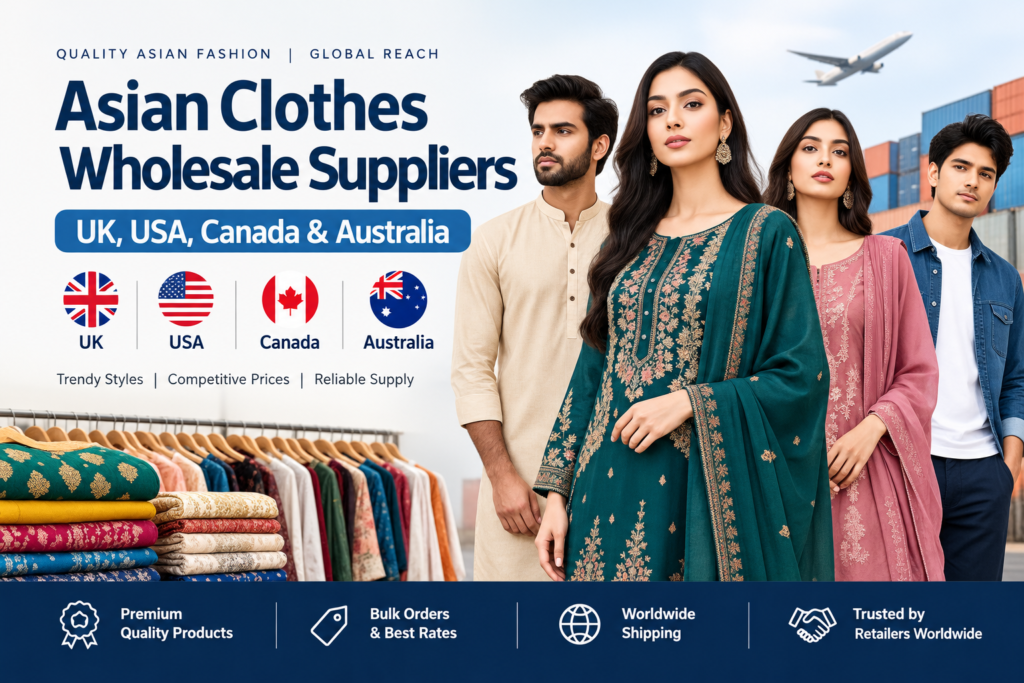
The market for Asian clothing has expanded well beyond traditional local shops and specialist stores. Today, boutiques, online fashion retailers, independent clothing businesses and distributors across the UK, Canada, USA and Australia are looking for reliable Asian clothes wholesale suppliers that can provide attractive designs, consistent quality, competitive wholesale pricing and dependable fulfillment.
Among the different categories of Asian fashion, Pakistani clothing has become particularly important for retailers serving customers interested in South Asian fashion. Pakistani suits, salwar kameez, embroidered dresses, lawn collections, formal wear and ready-made outfits can provide retailers with a broad product range for different seasons and occasions.
For businesses searching for Asian clothes wholesale suppliers in the UK, understanding how the wholesale market works is an important first step. A retailer is not simply buying garments at a lower price. The supplier relationship can influence product quality, stock availability, delivery times, customer satisfaction and ultimately the retailer’s ability to build a sustainable clothing business.
The UK is particularly relevant because Asian fashion retailers operate across major cities and online channels, serving both customers who want traditional clothing and shoppers looking for contemporary interpretations of South Asian fashion. Current UK wholesale suppliers demonstrate the range available in this market, including ready-to-wear, unstitched, luxury, bridal, menswear and children’s categories.
Understanding the Asian Clothing Wholesale Market
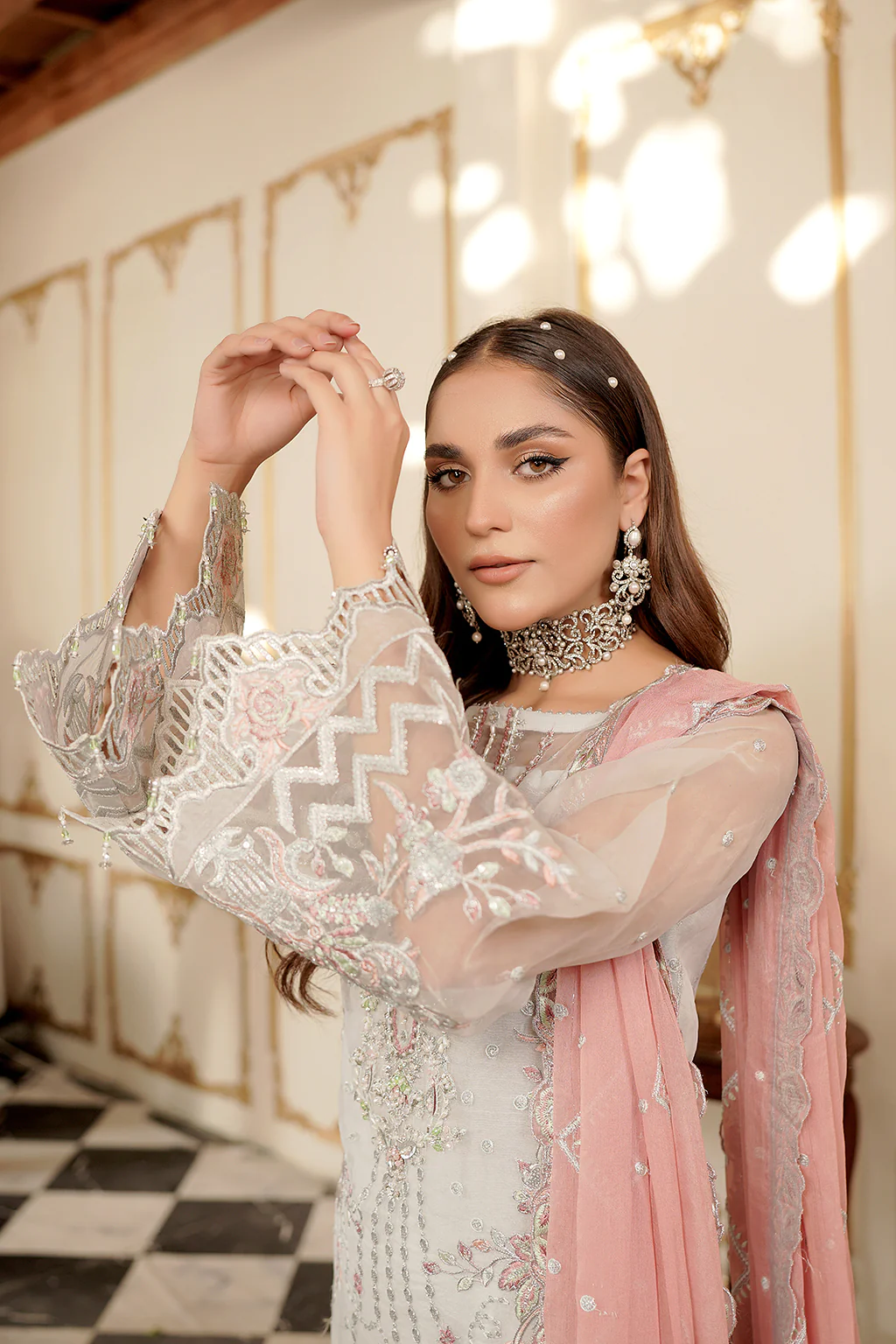
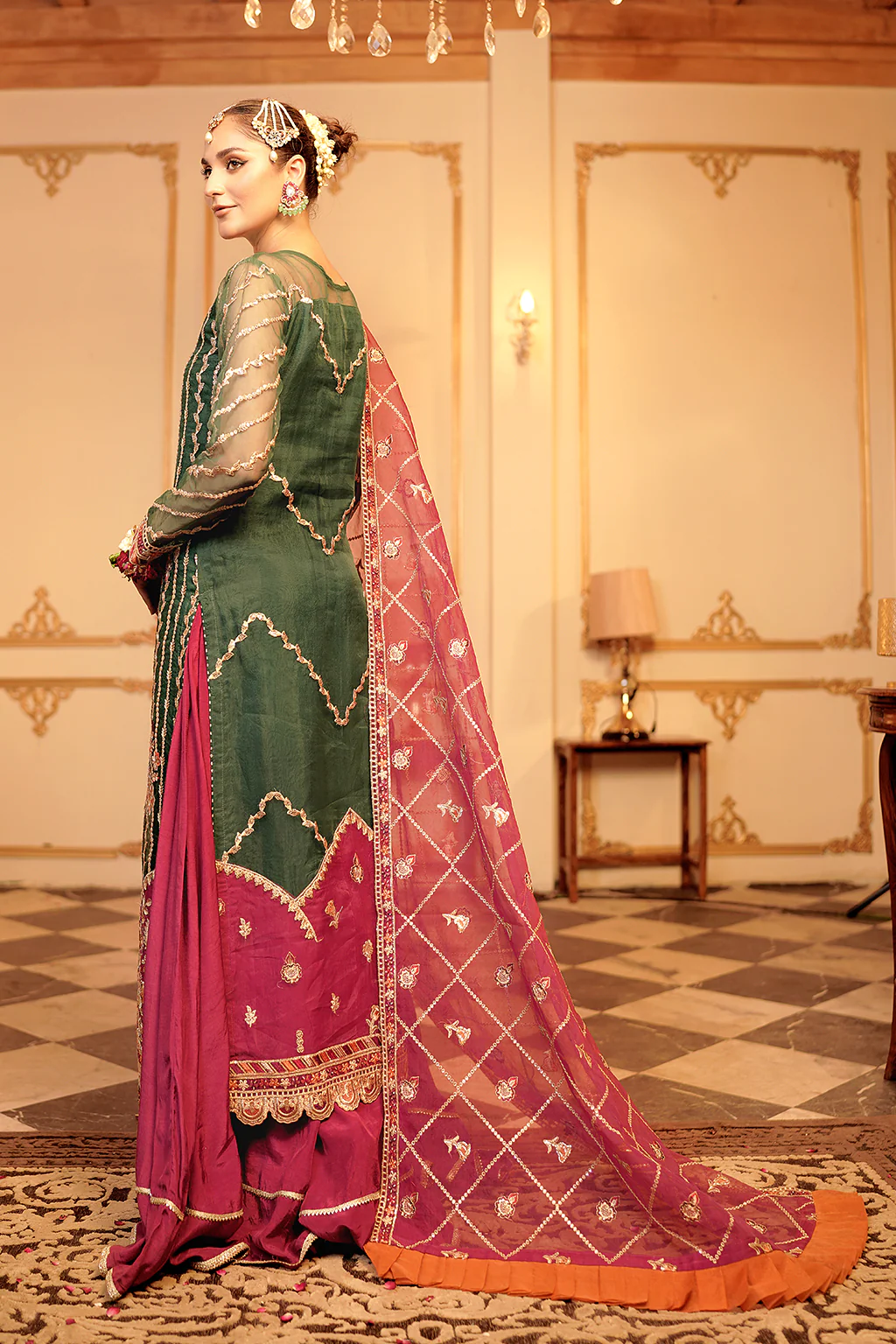
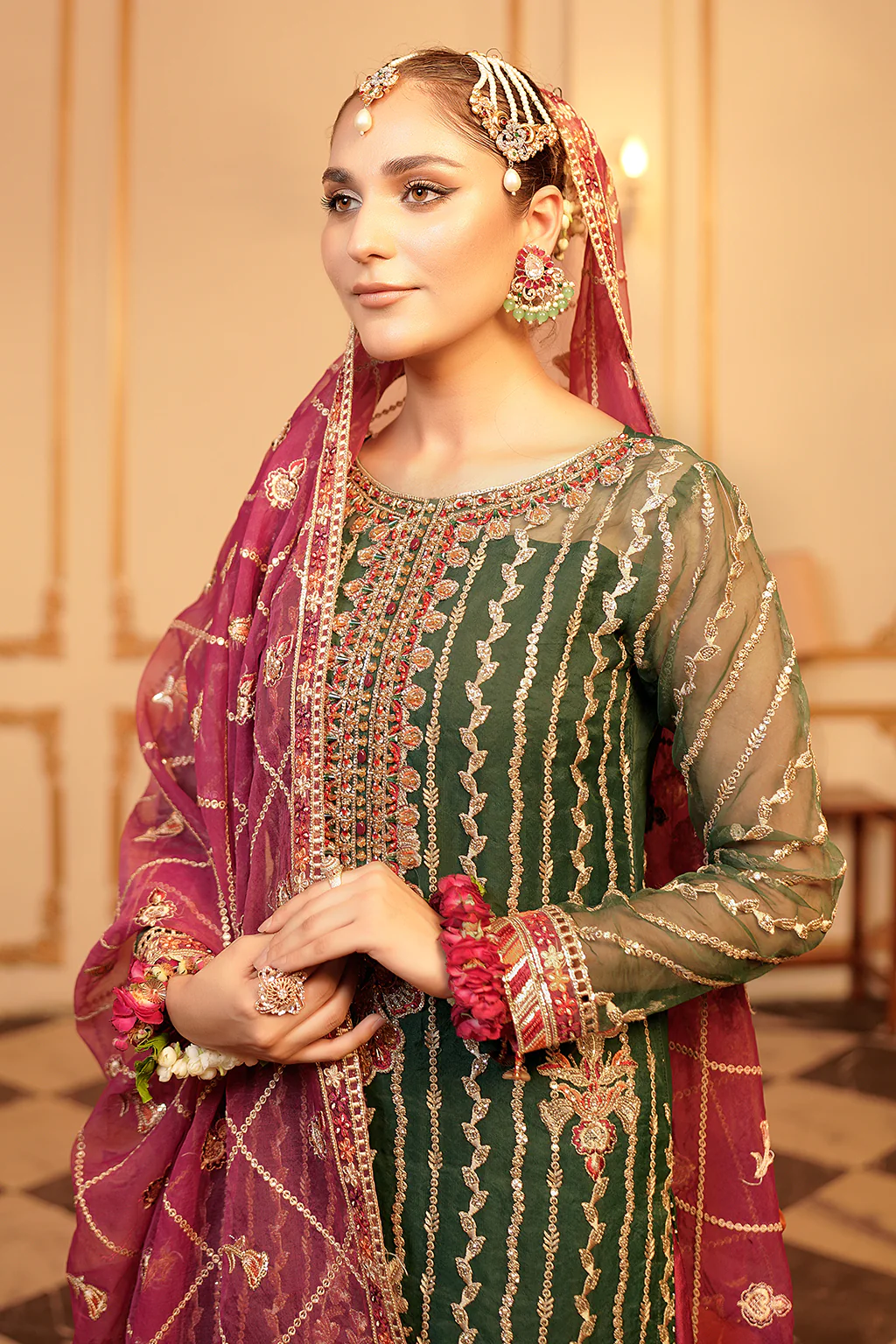
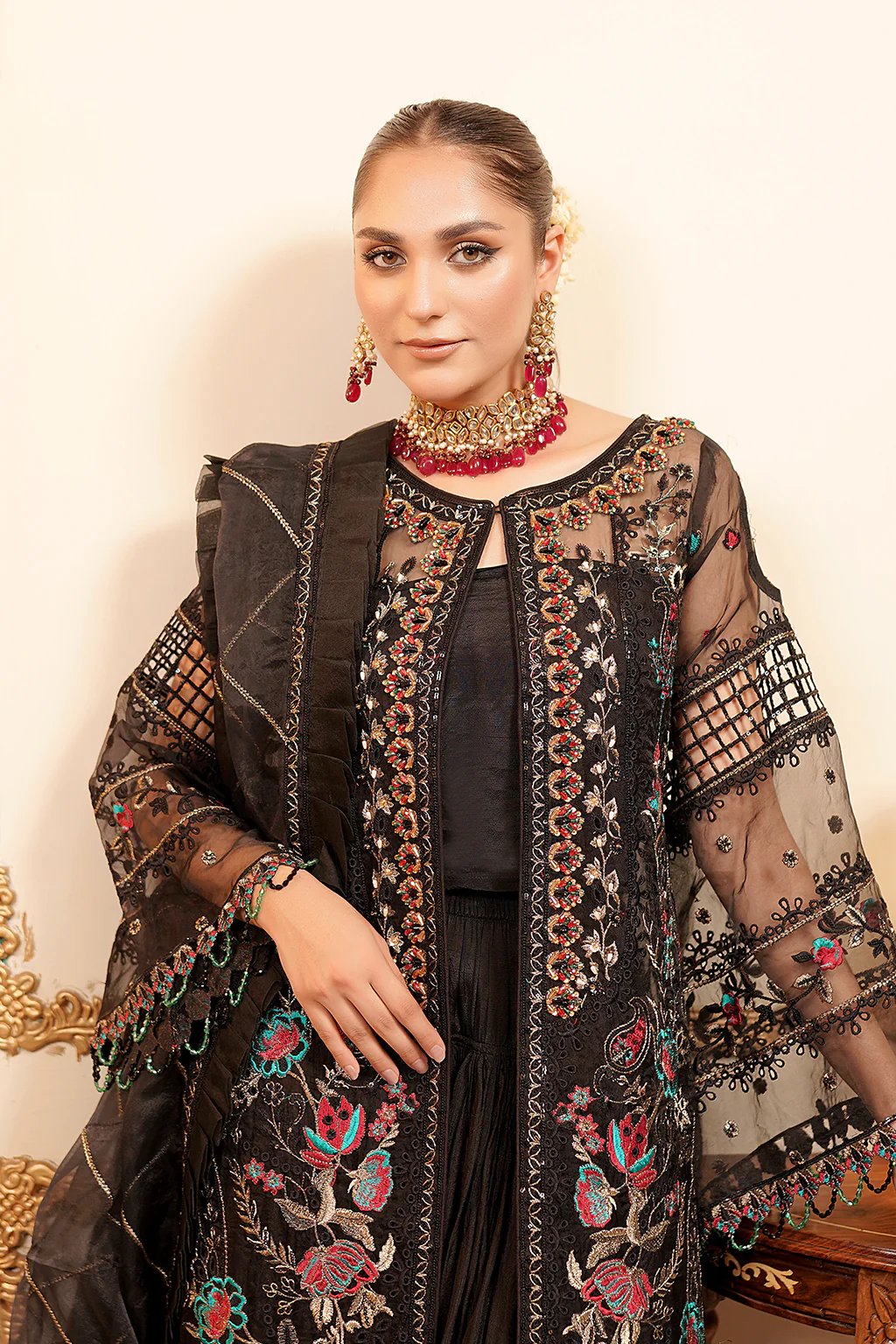
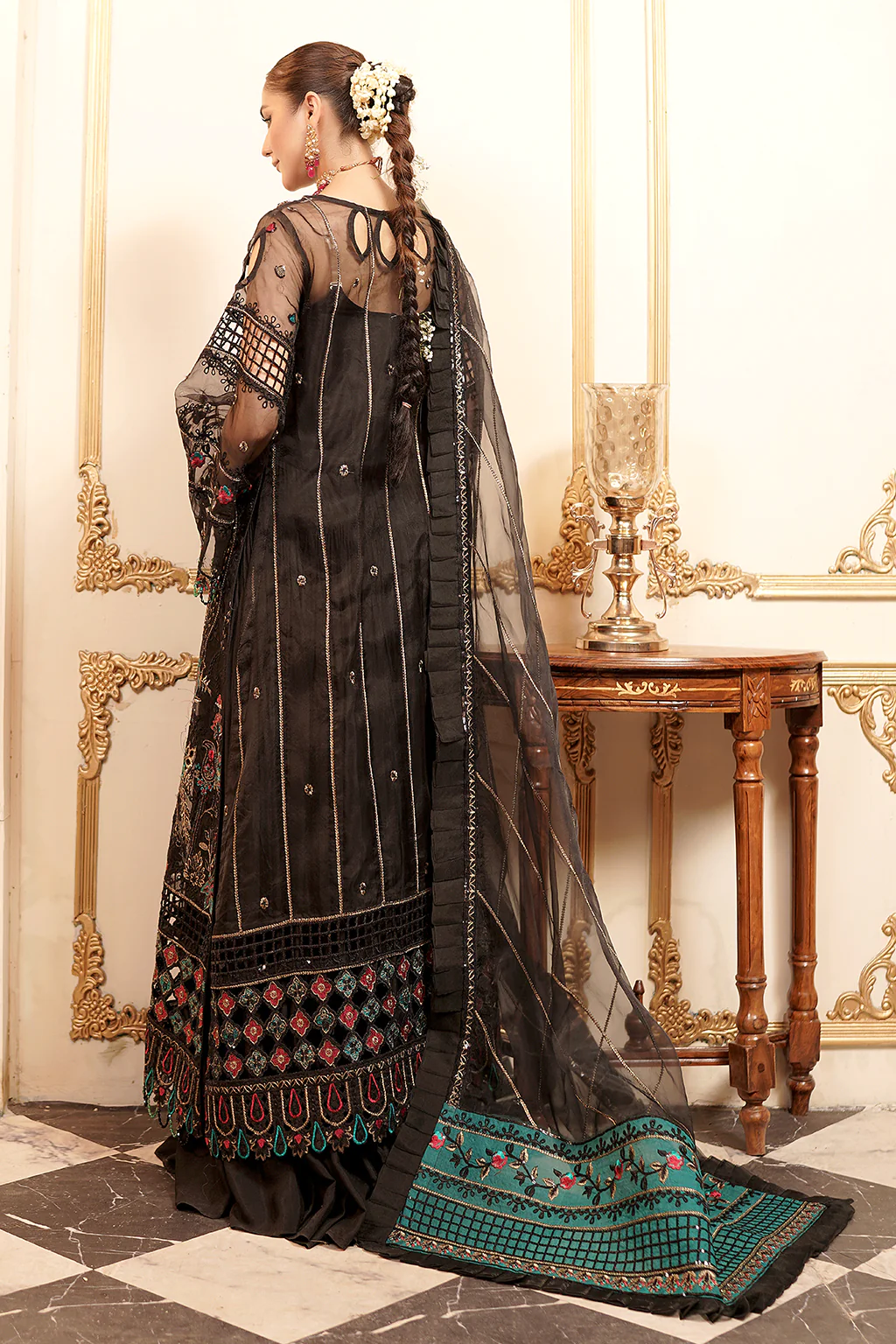
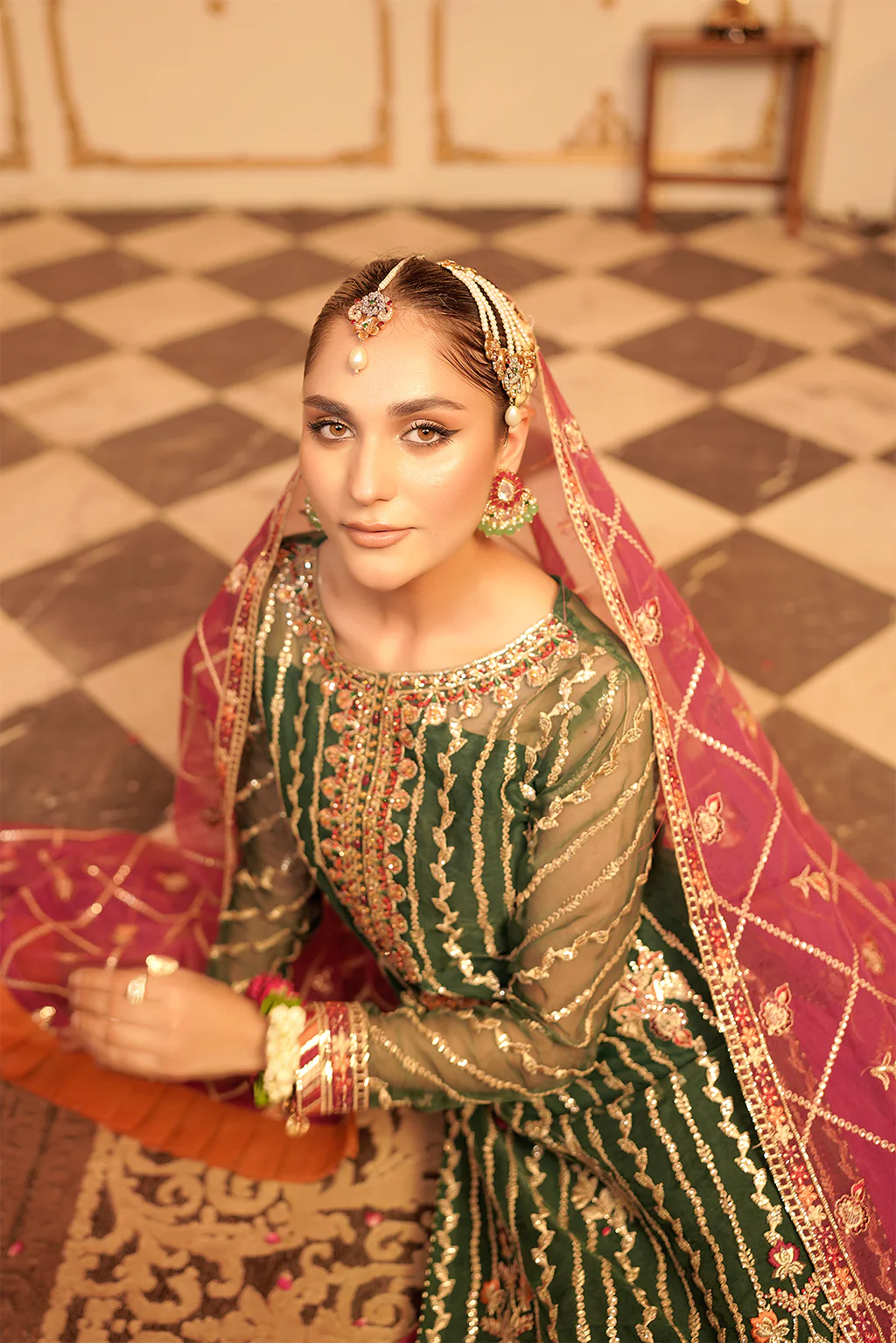
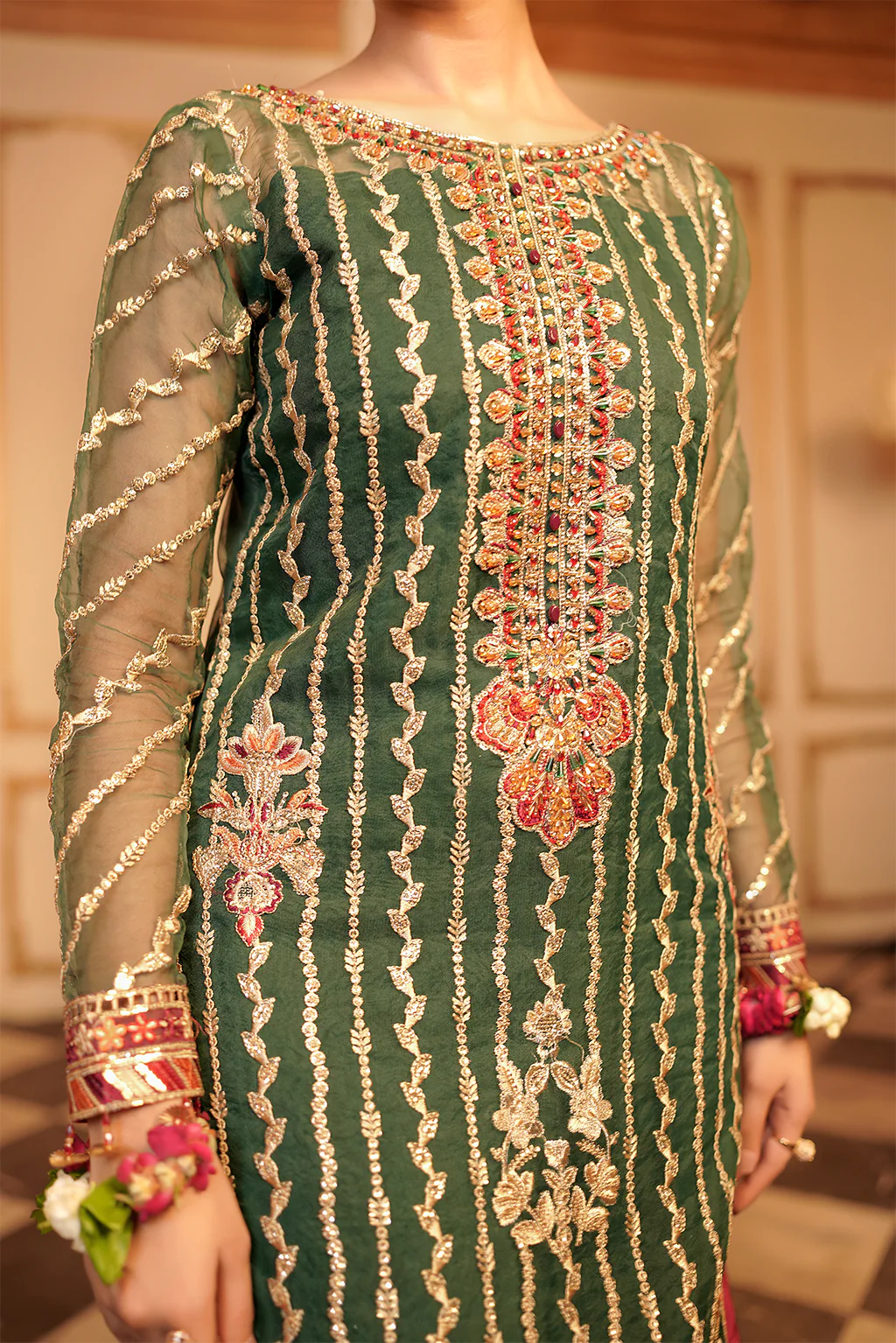
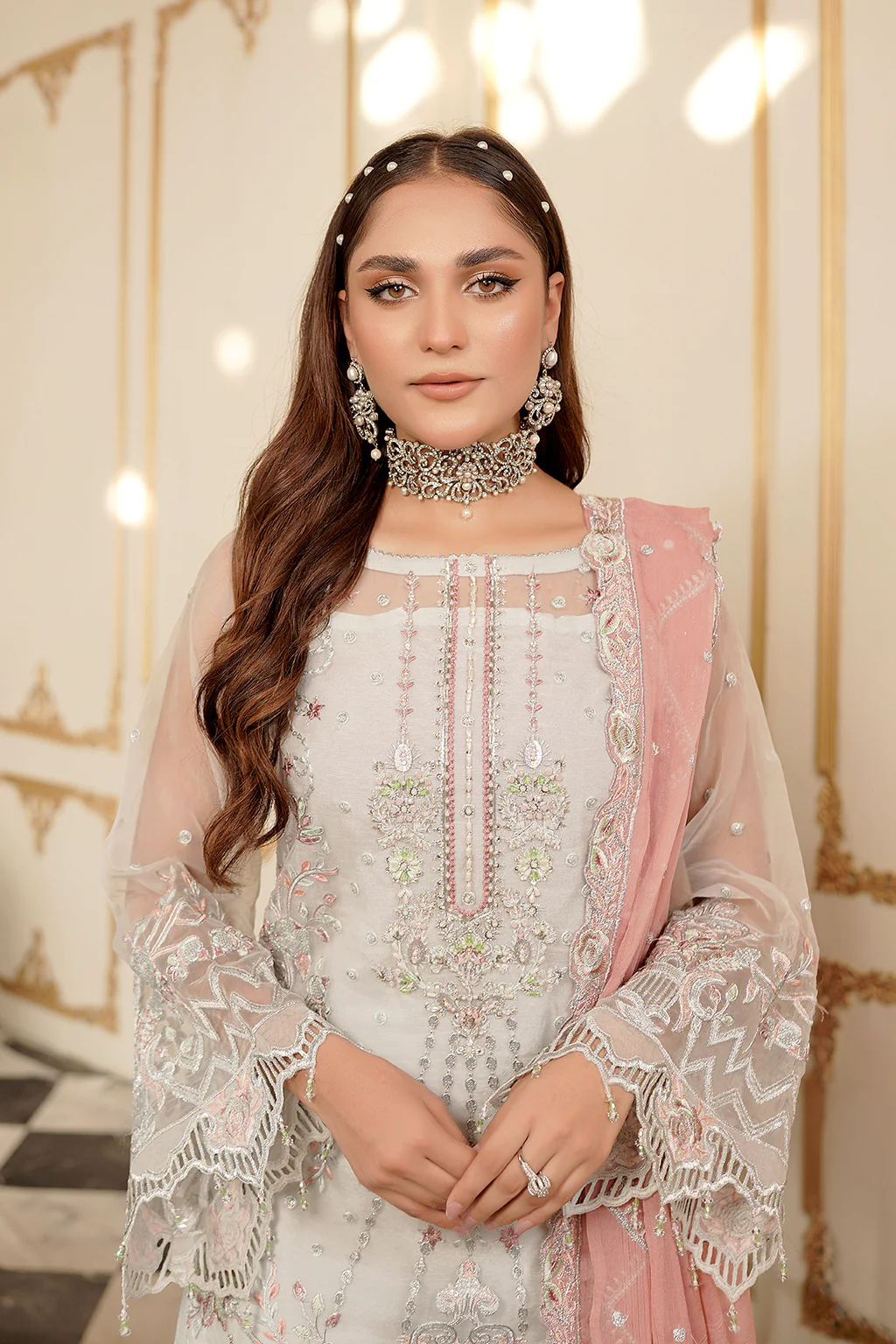
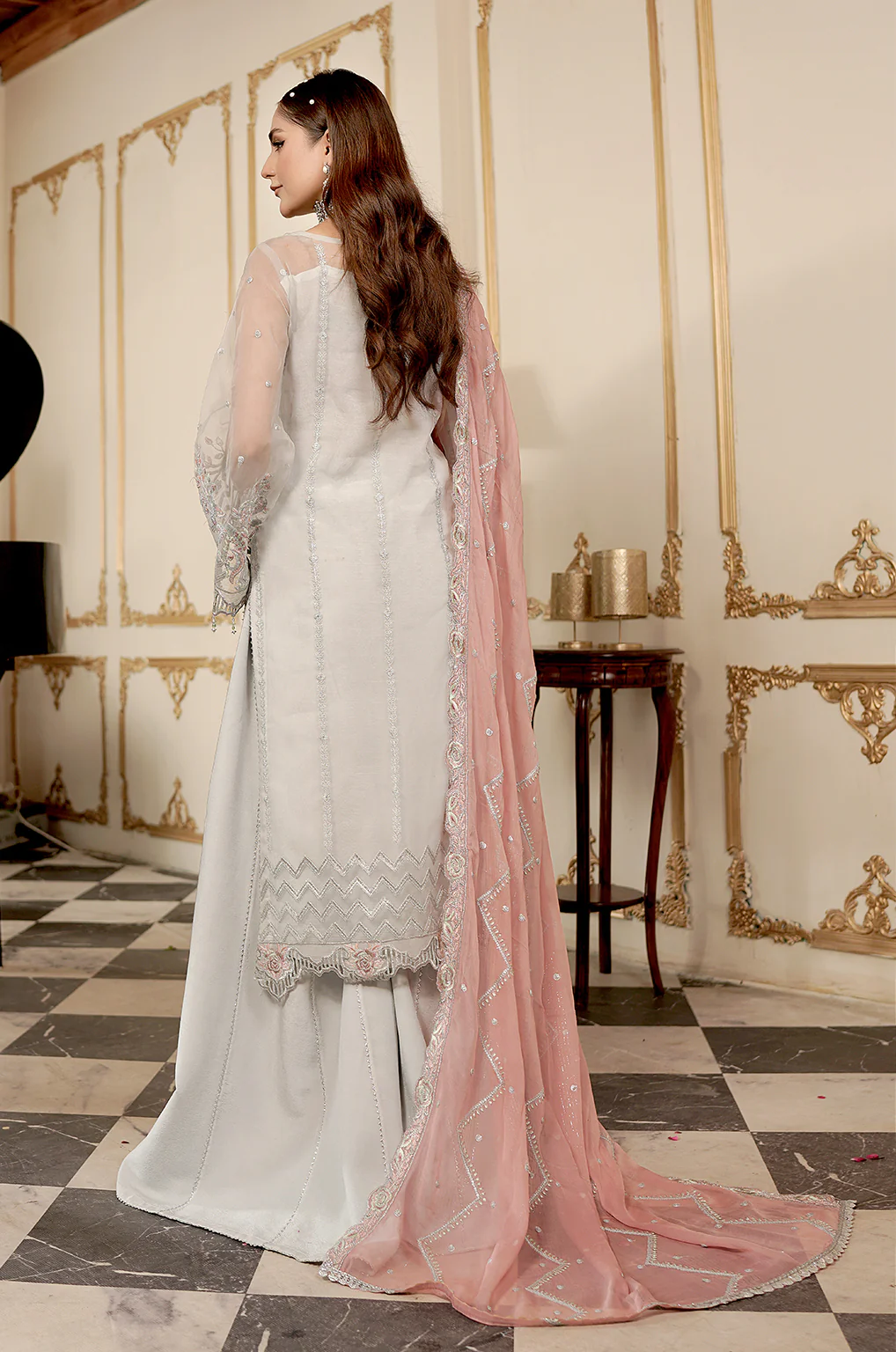
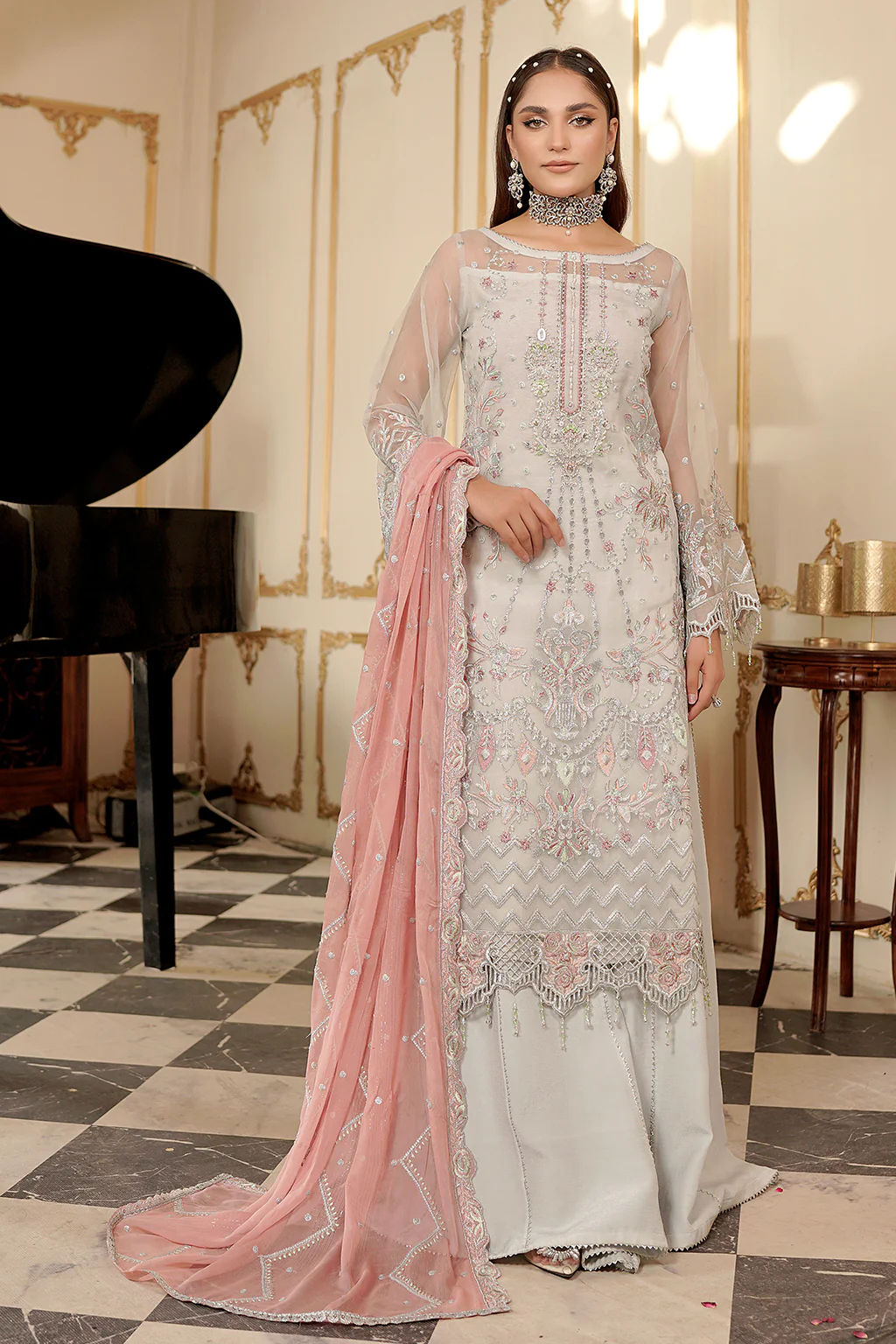
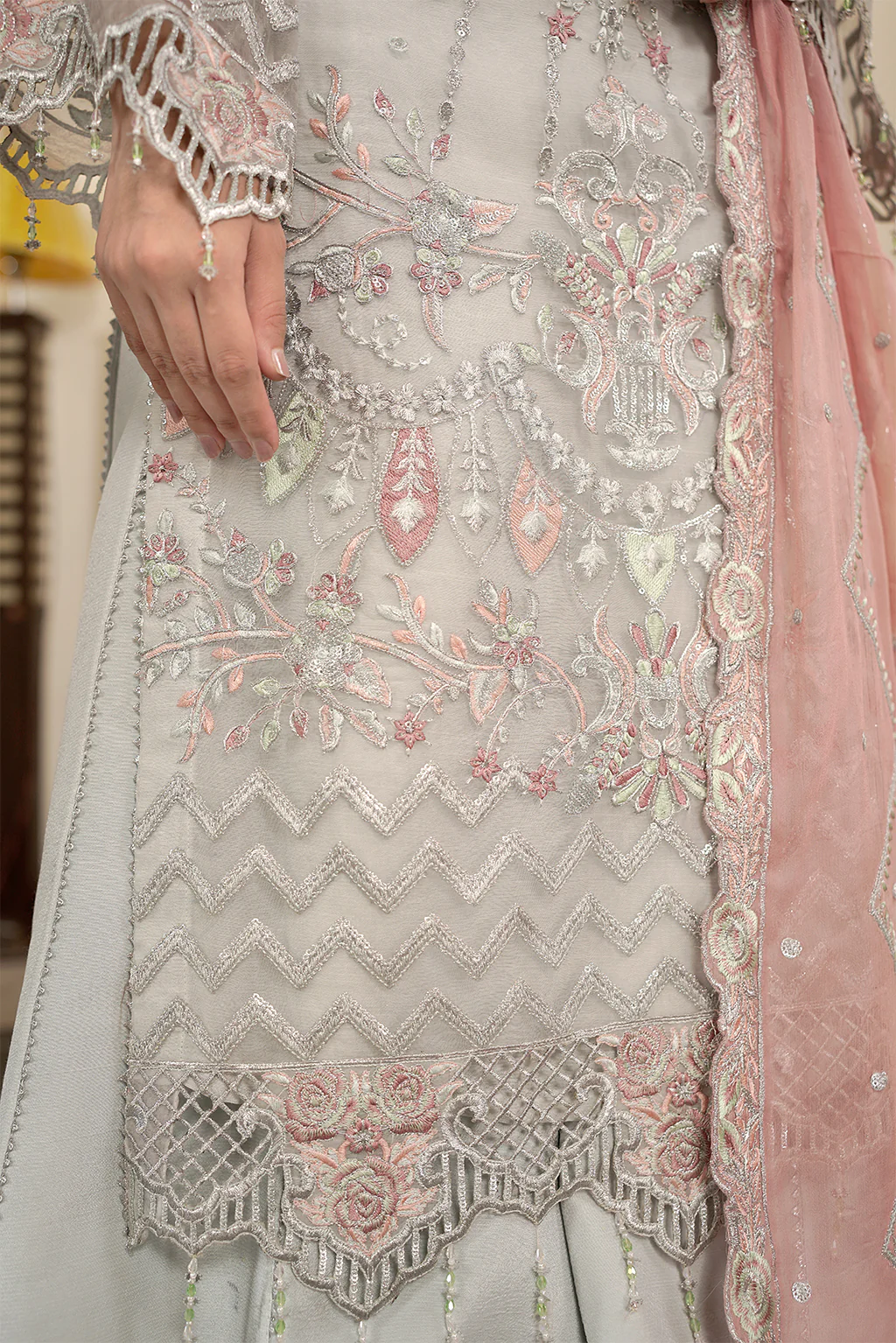
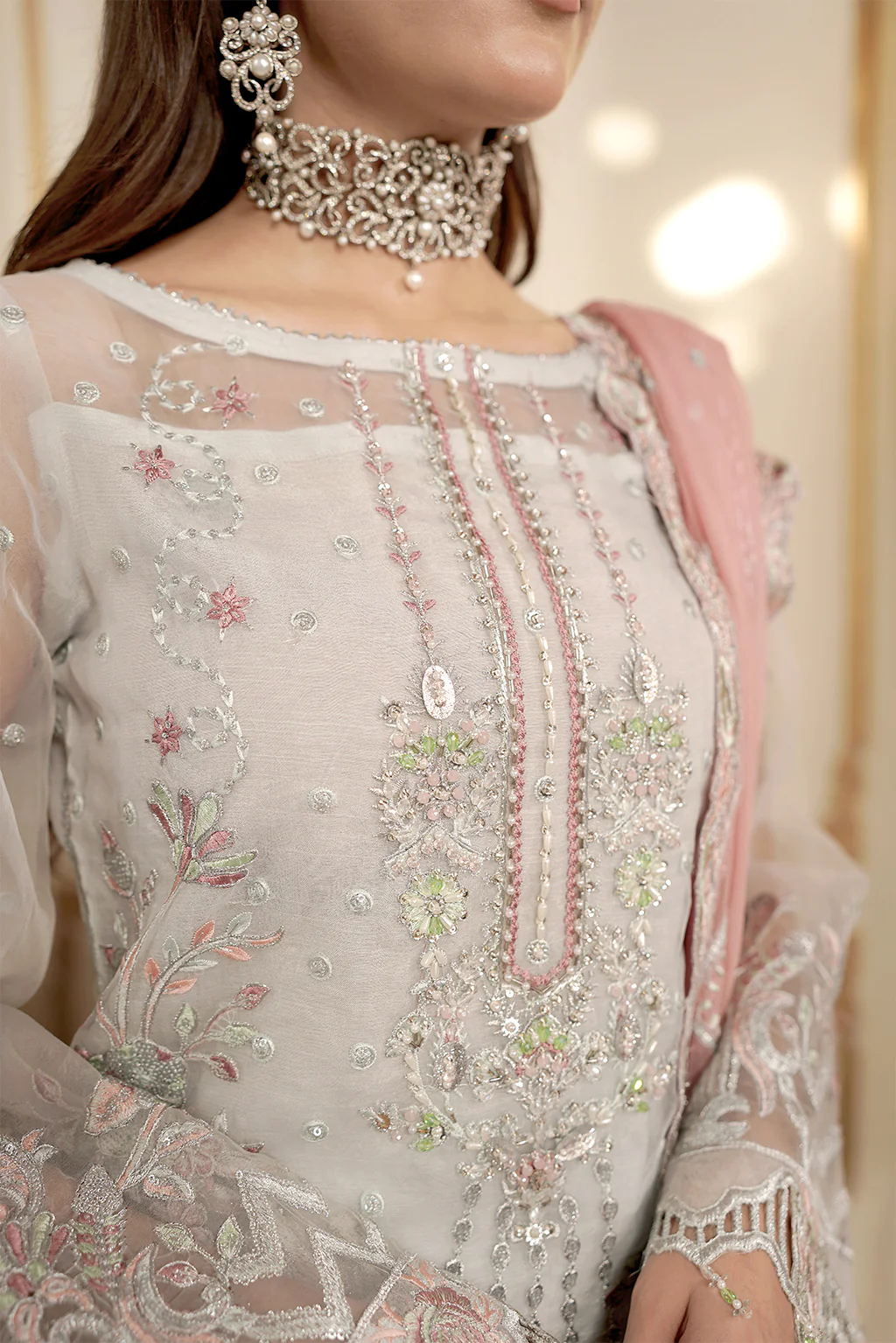
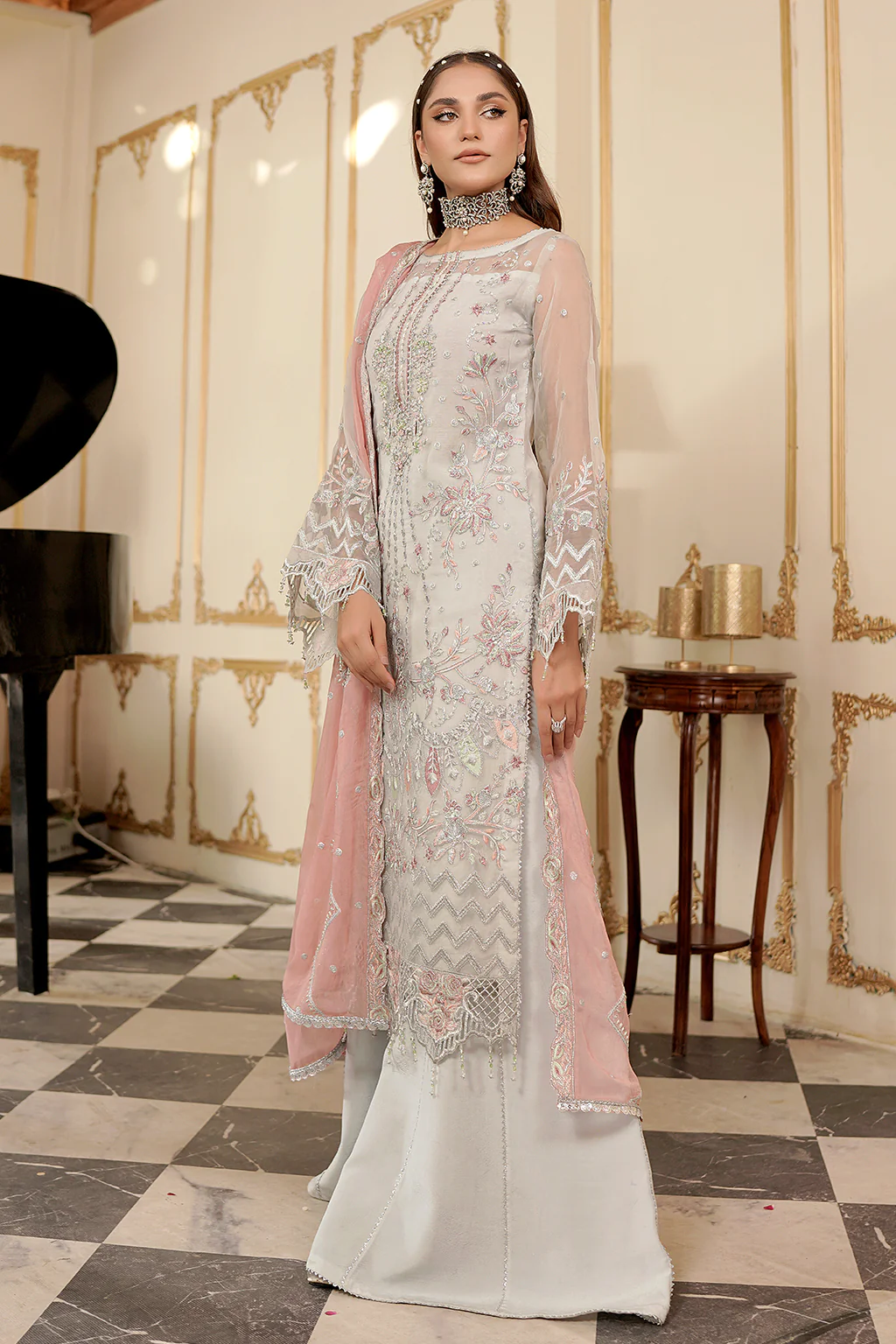
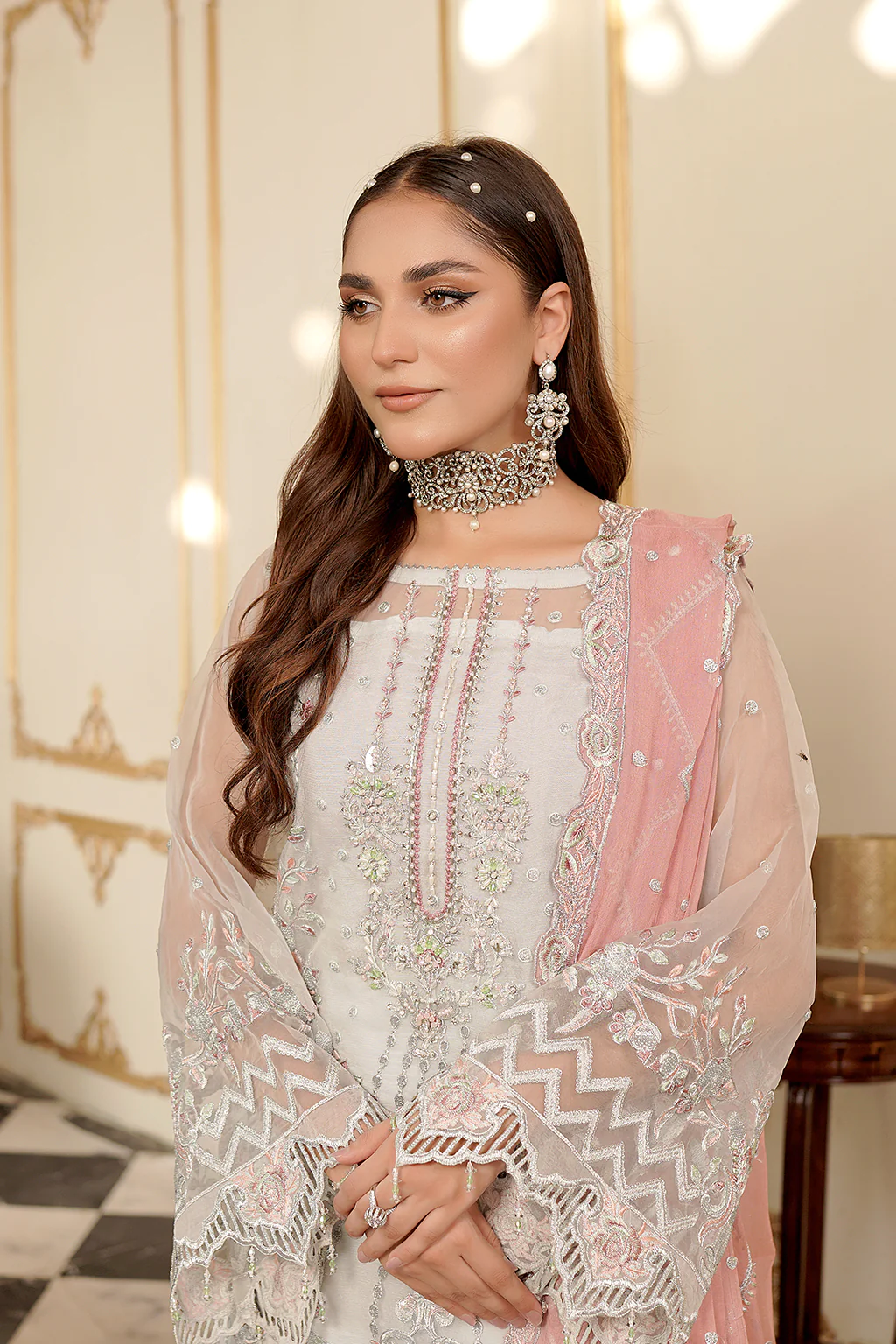
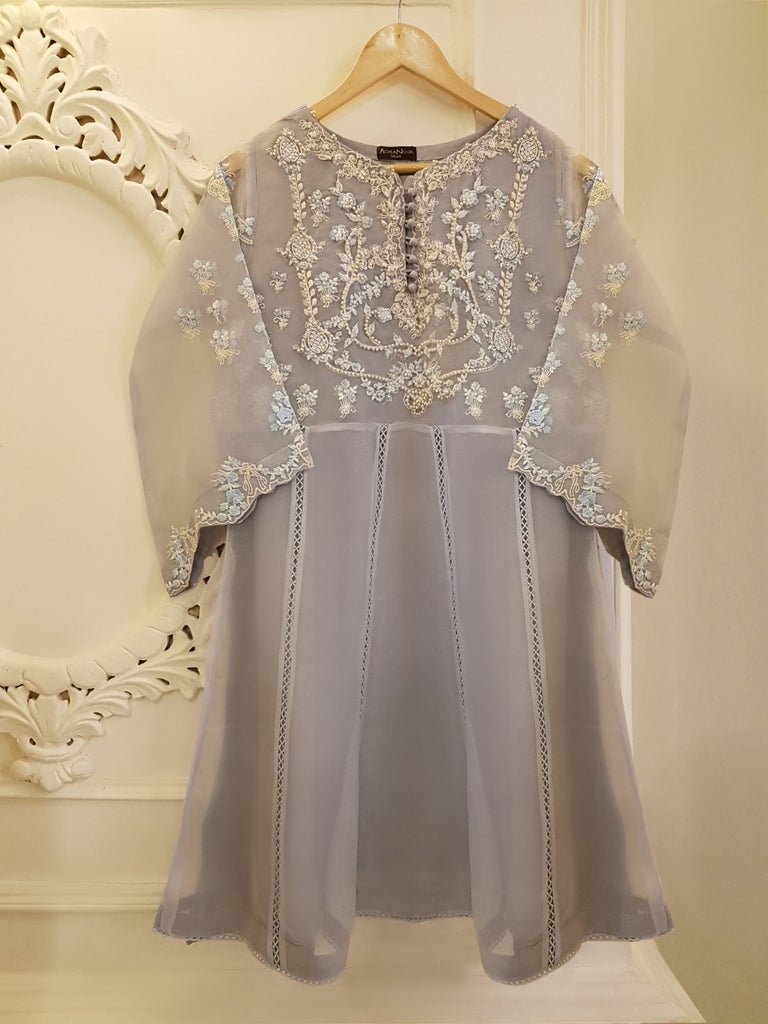

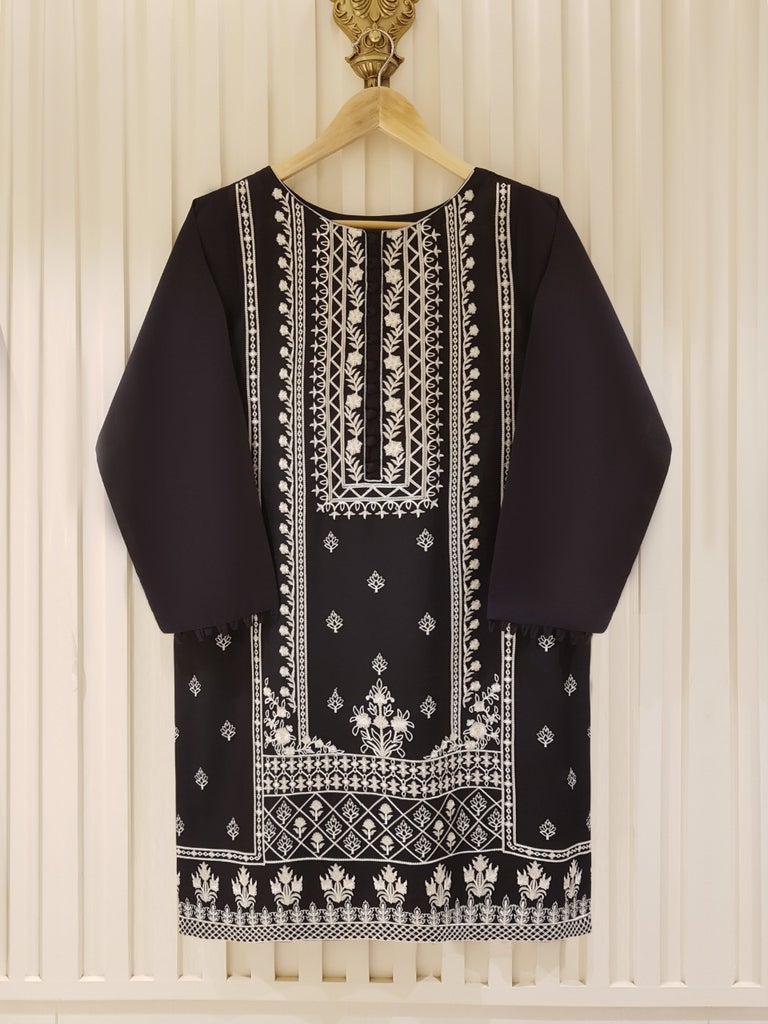
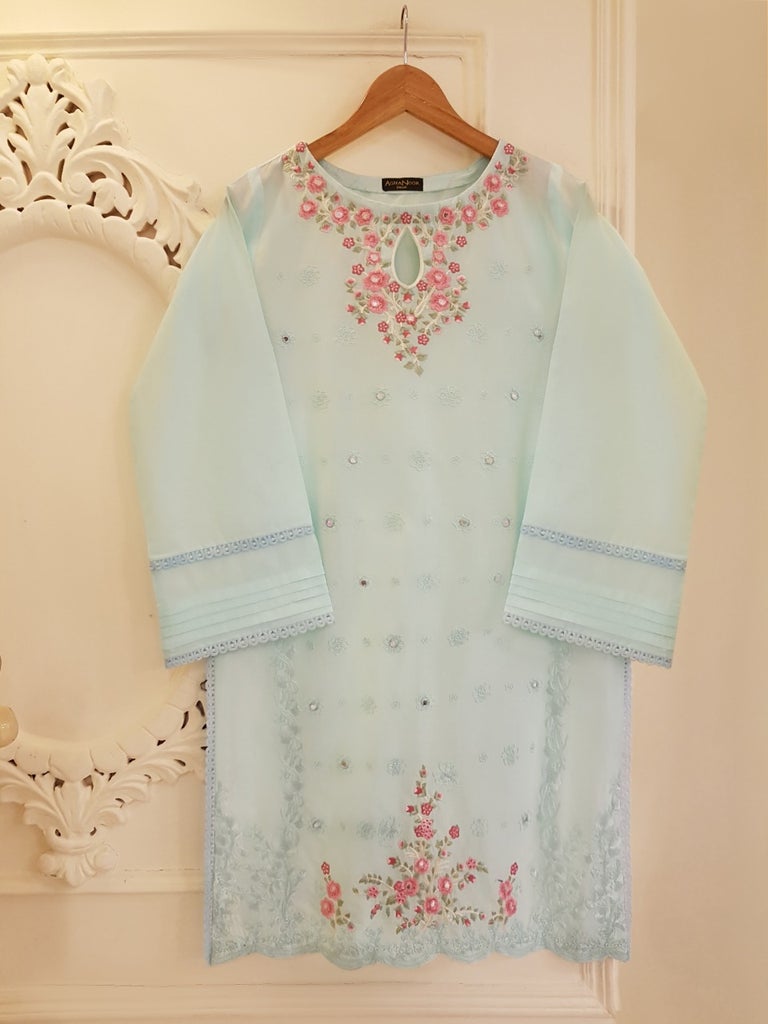
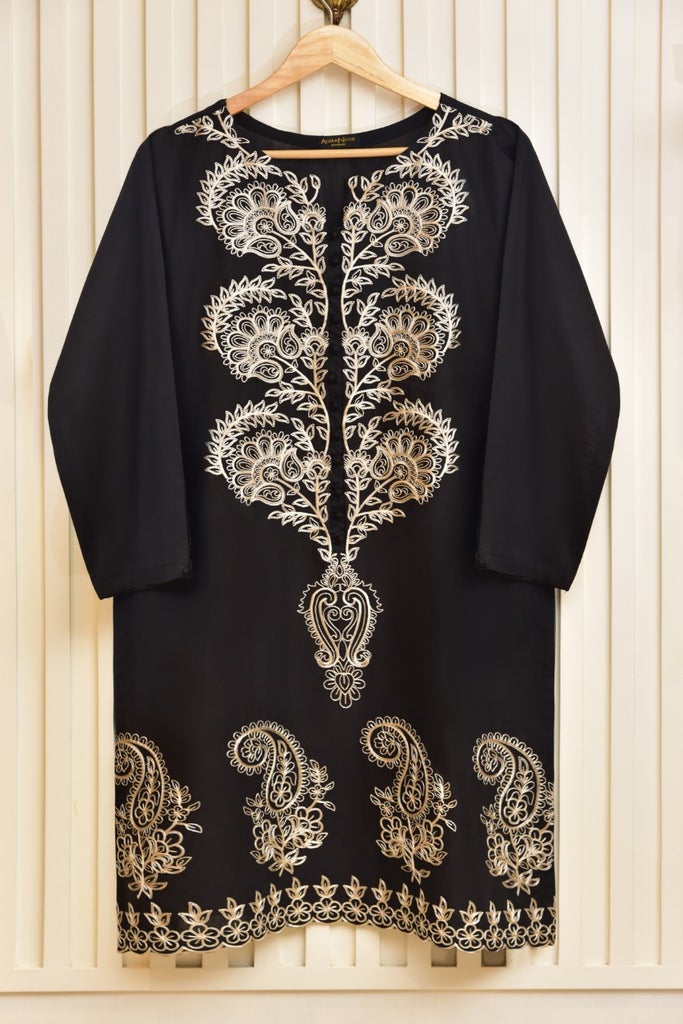
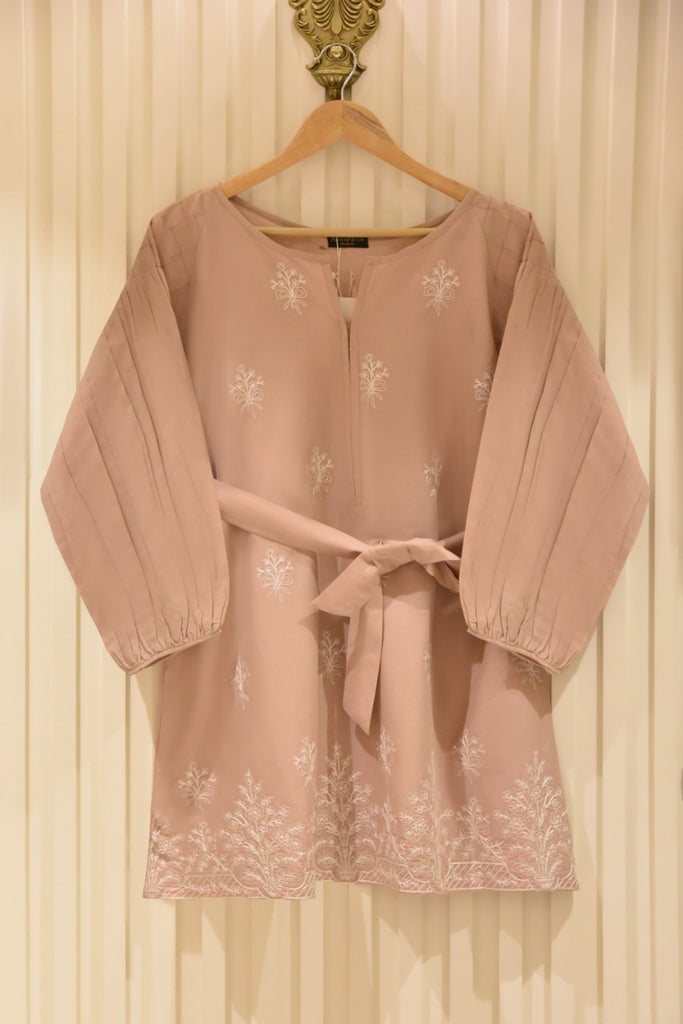
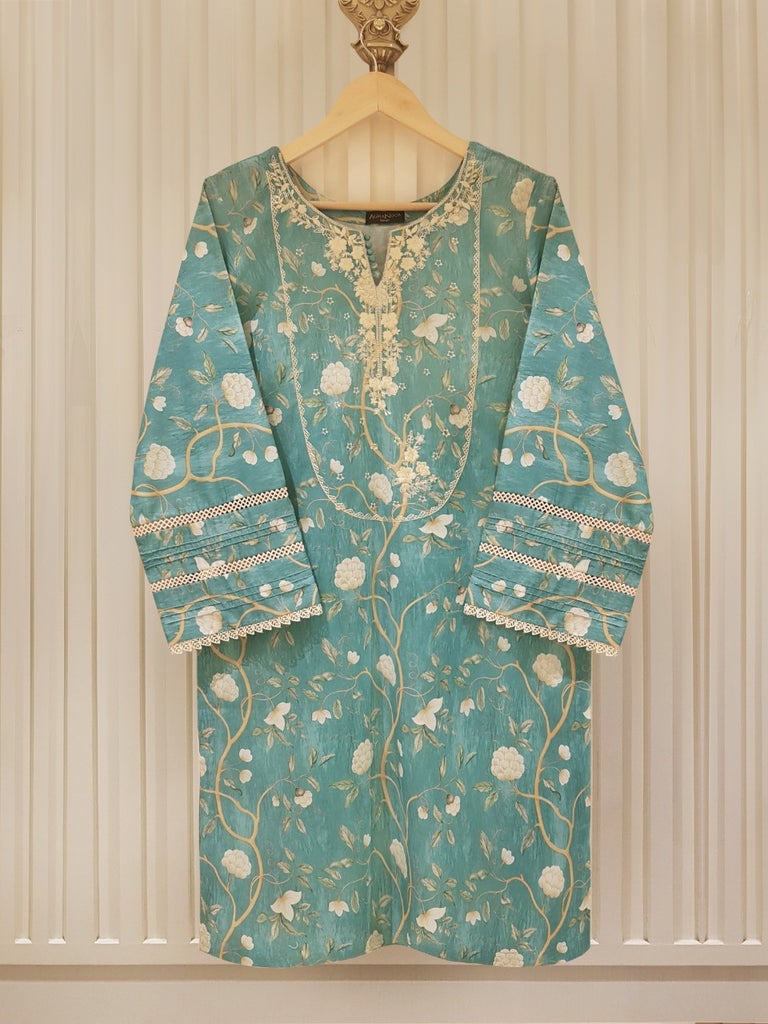

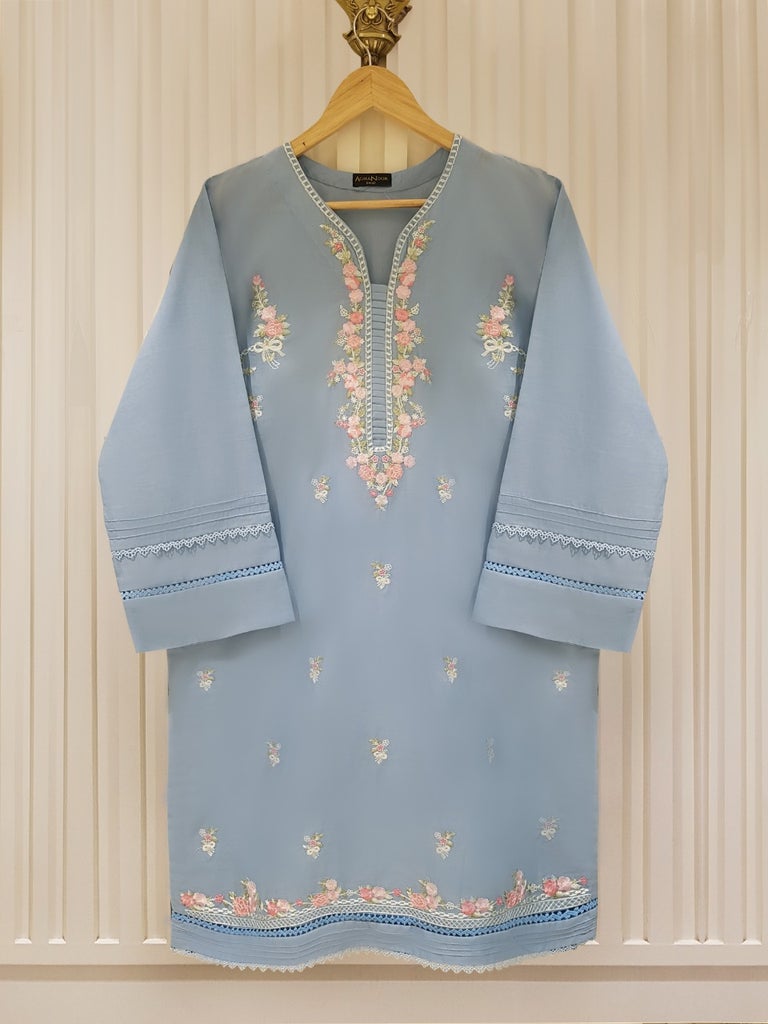
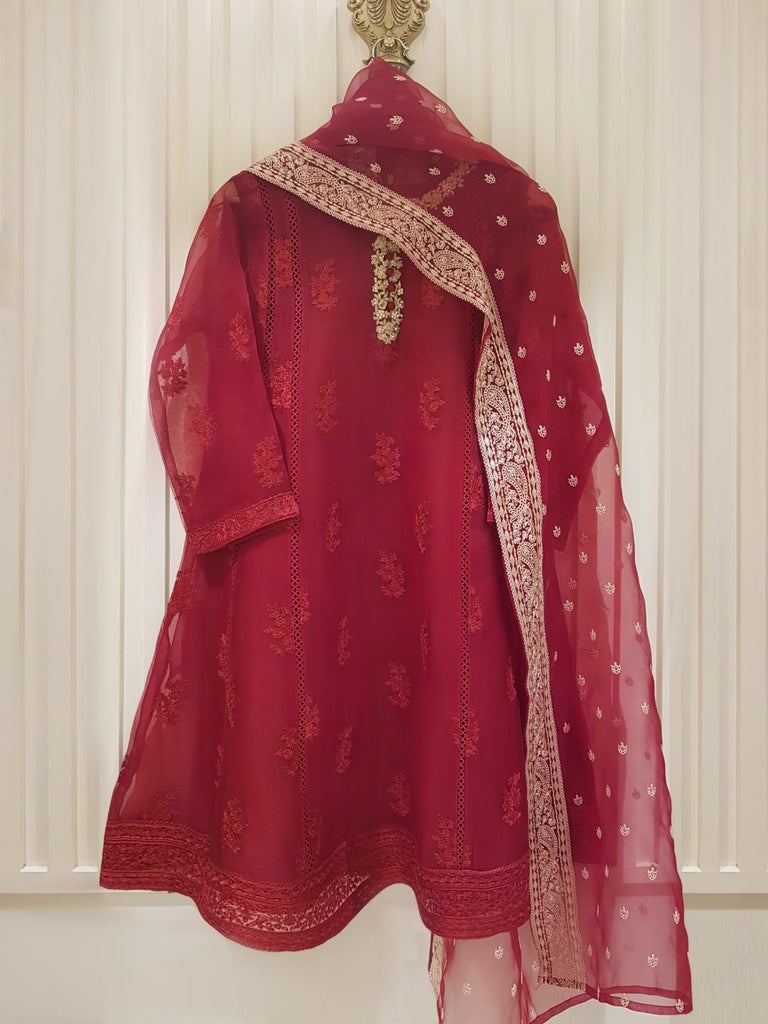

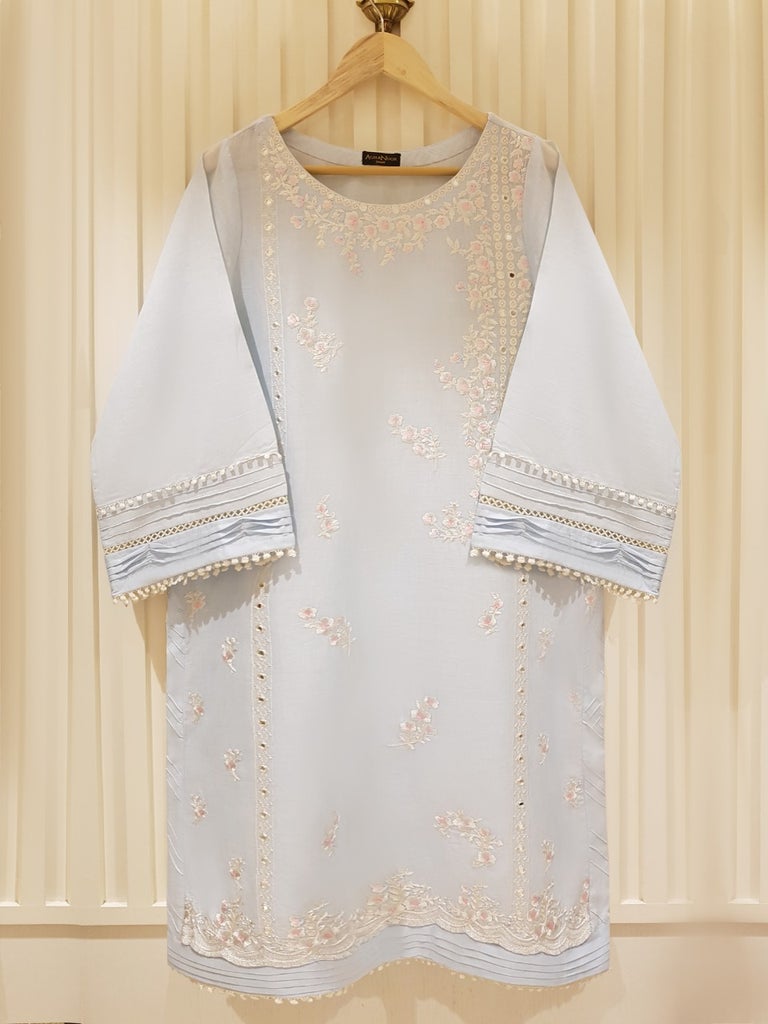
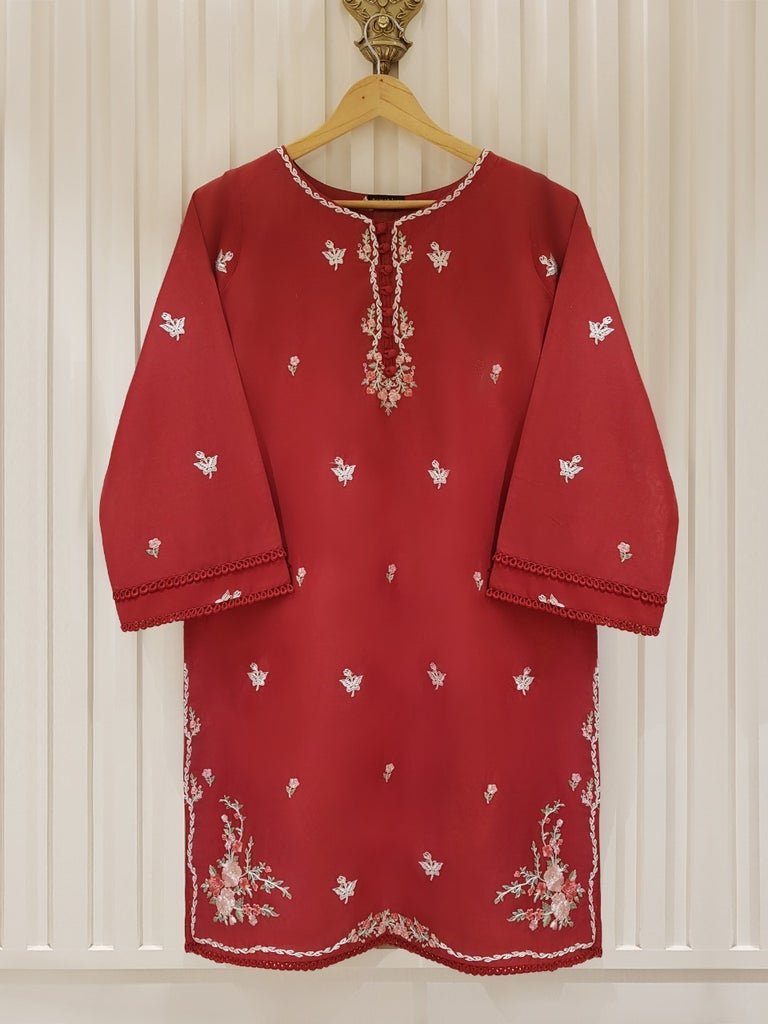
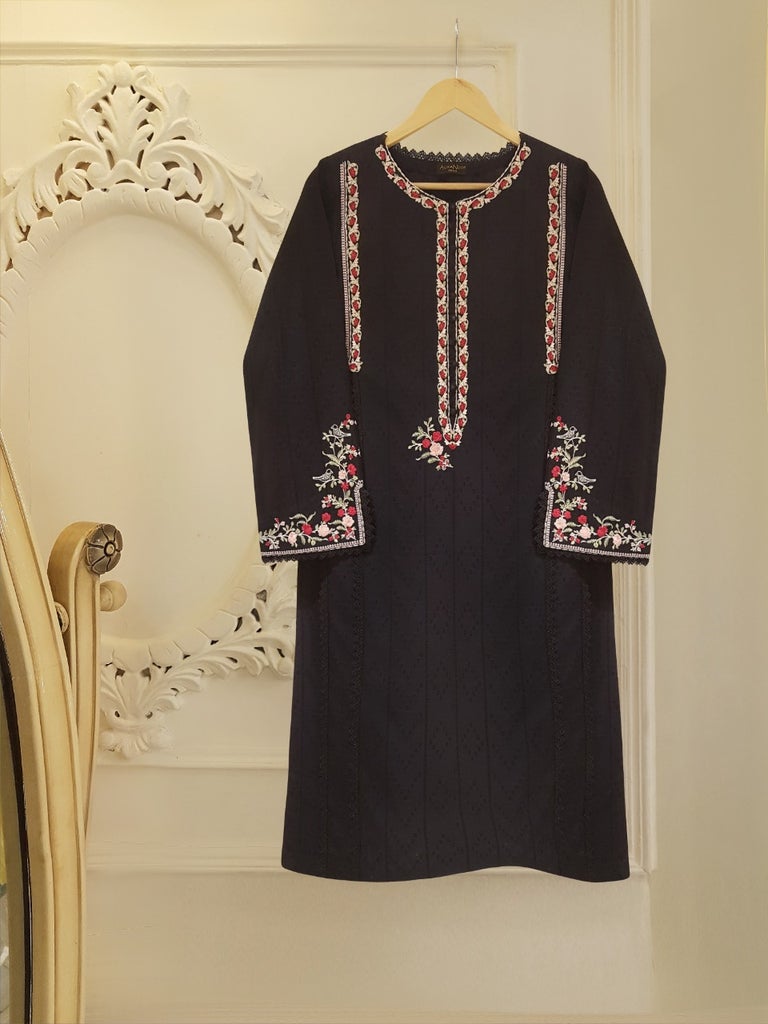
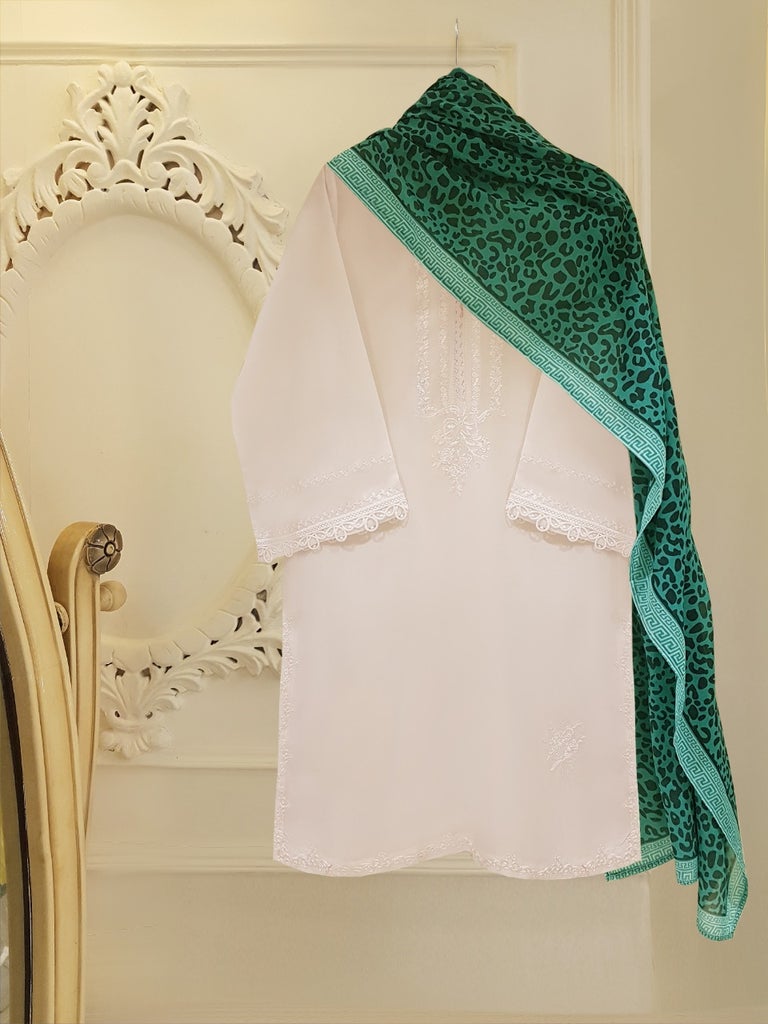
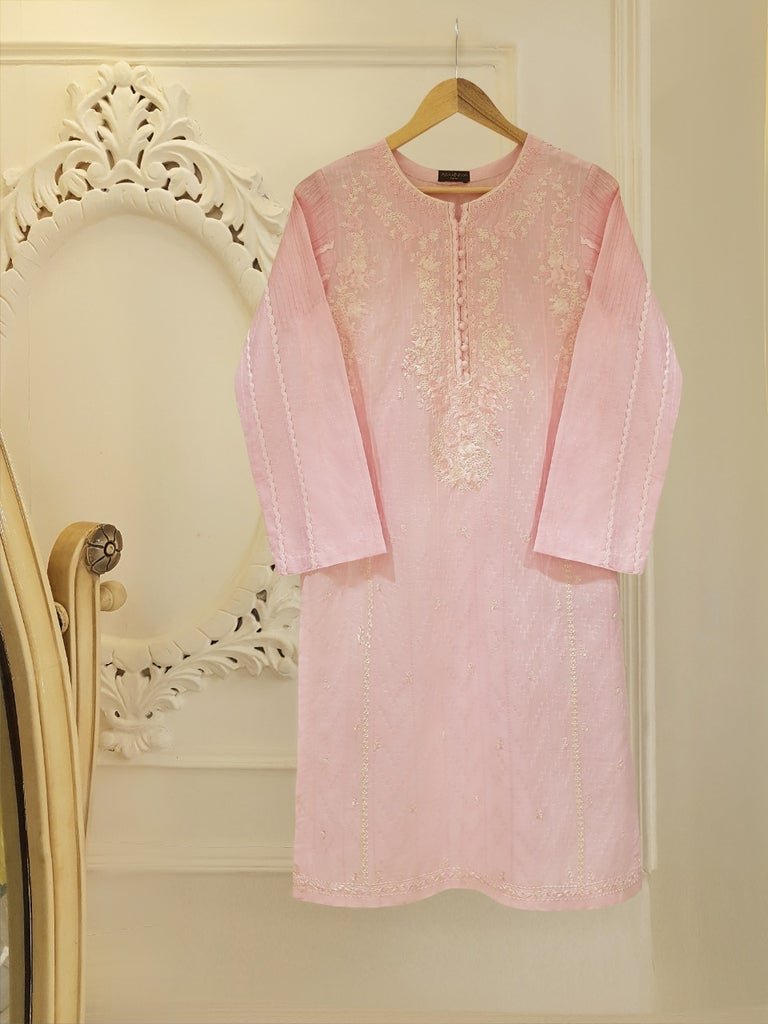
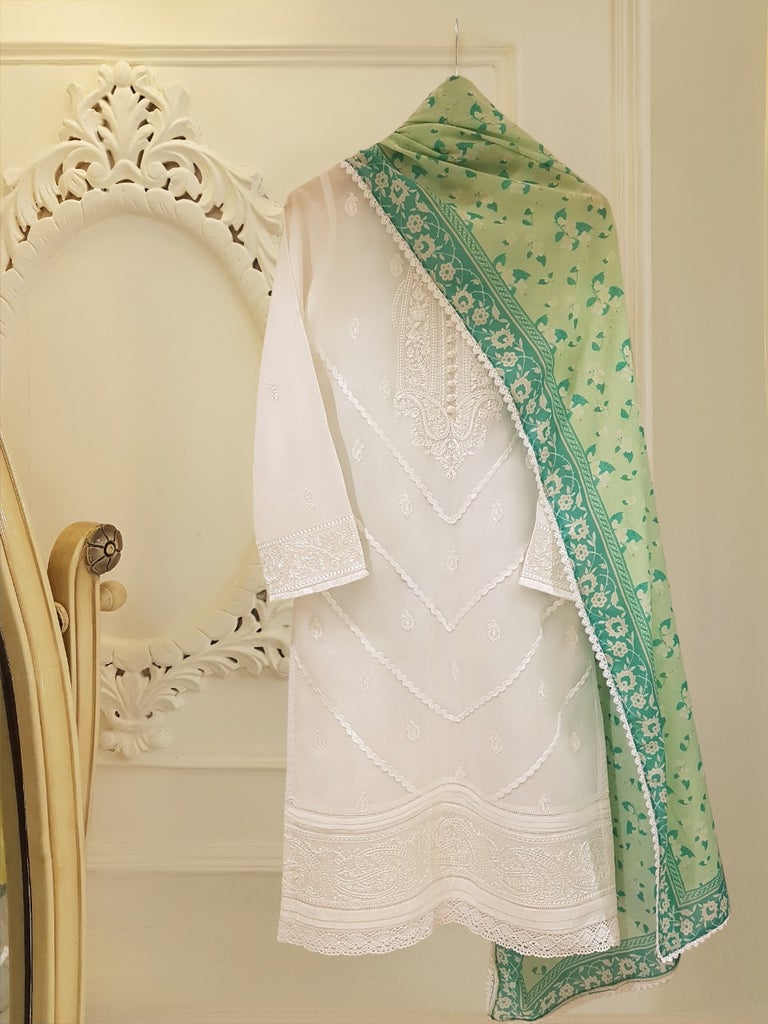

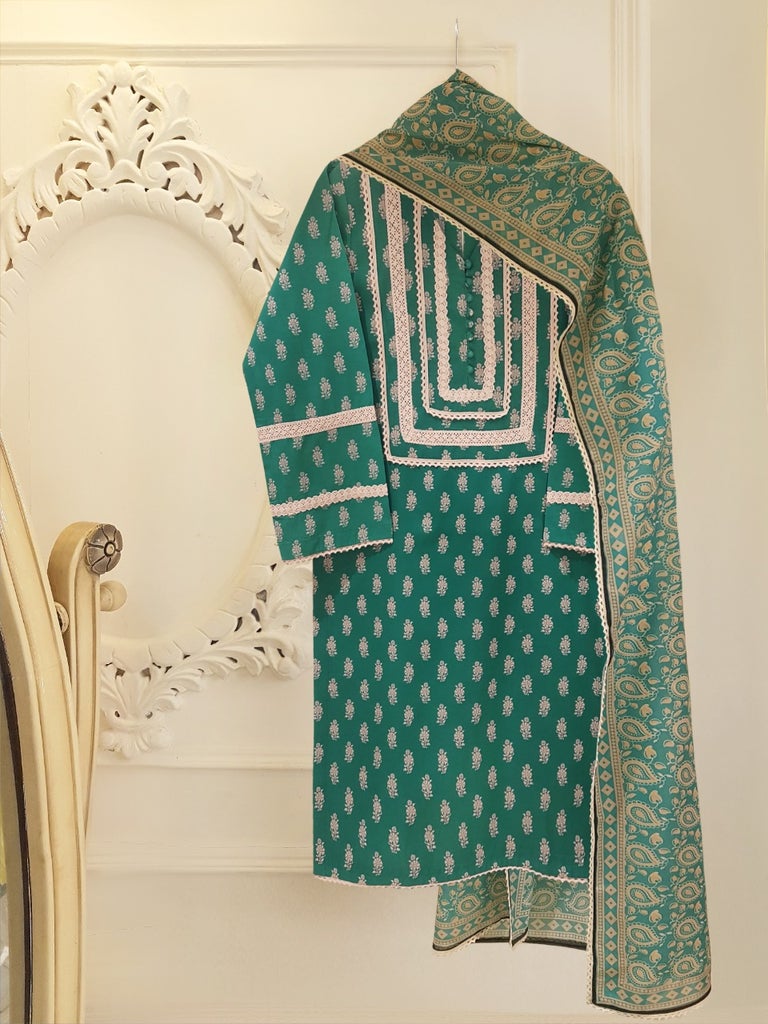
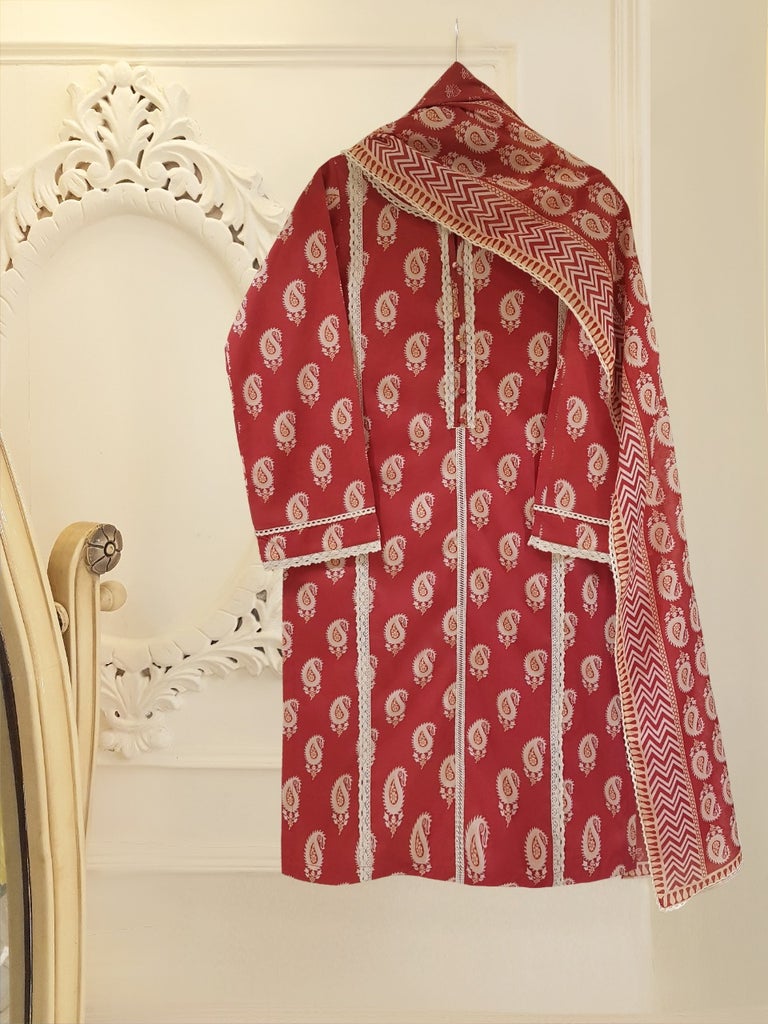
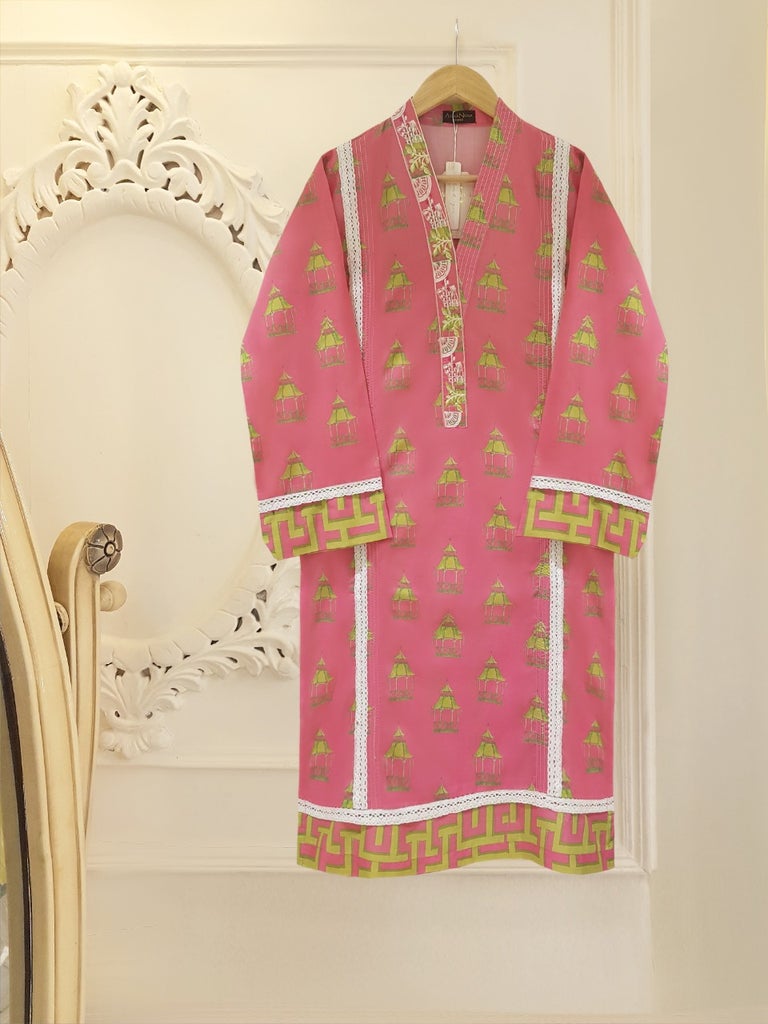
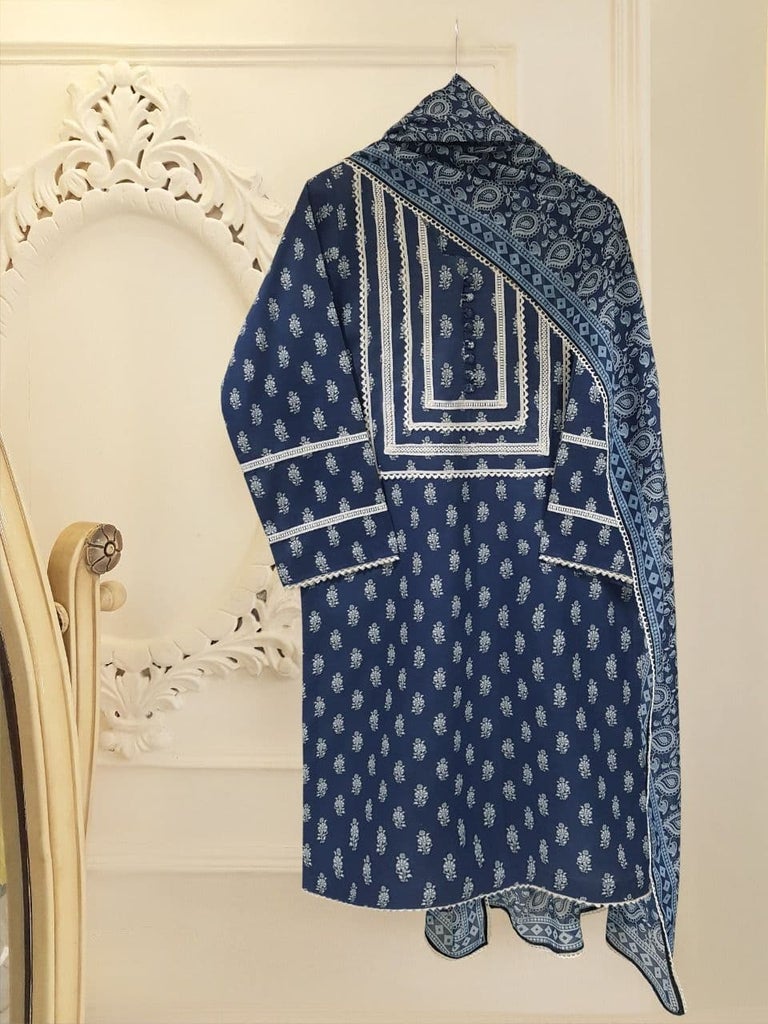

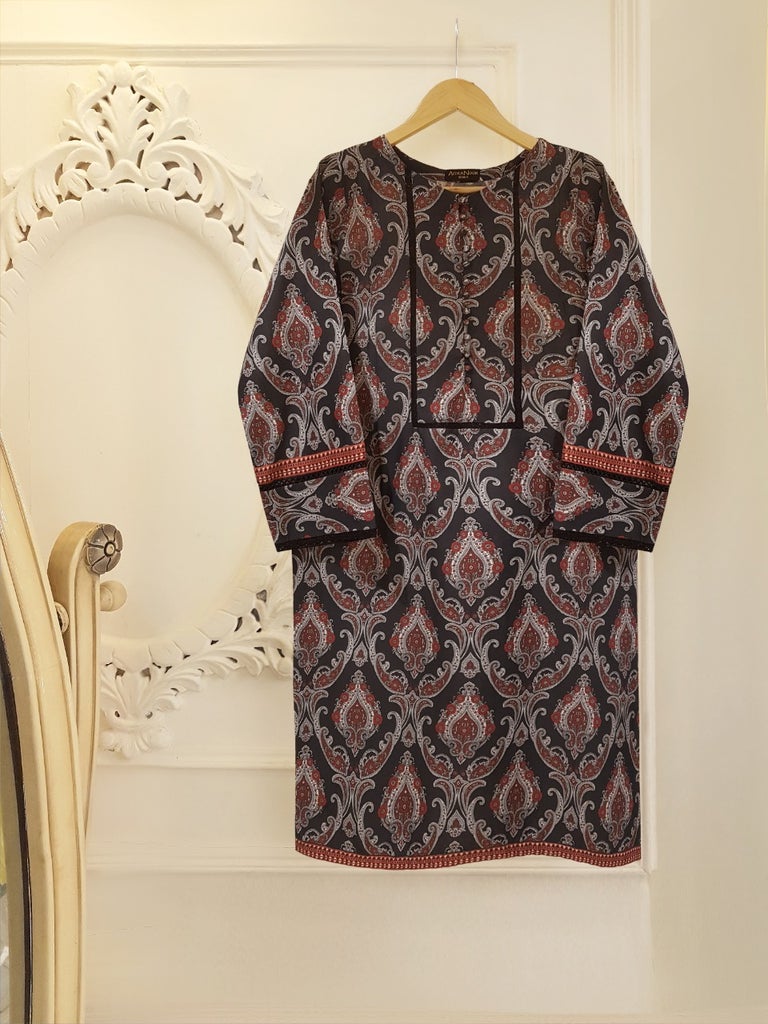
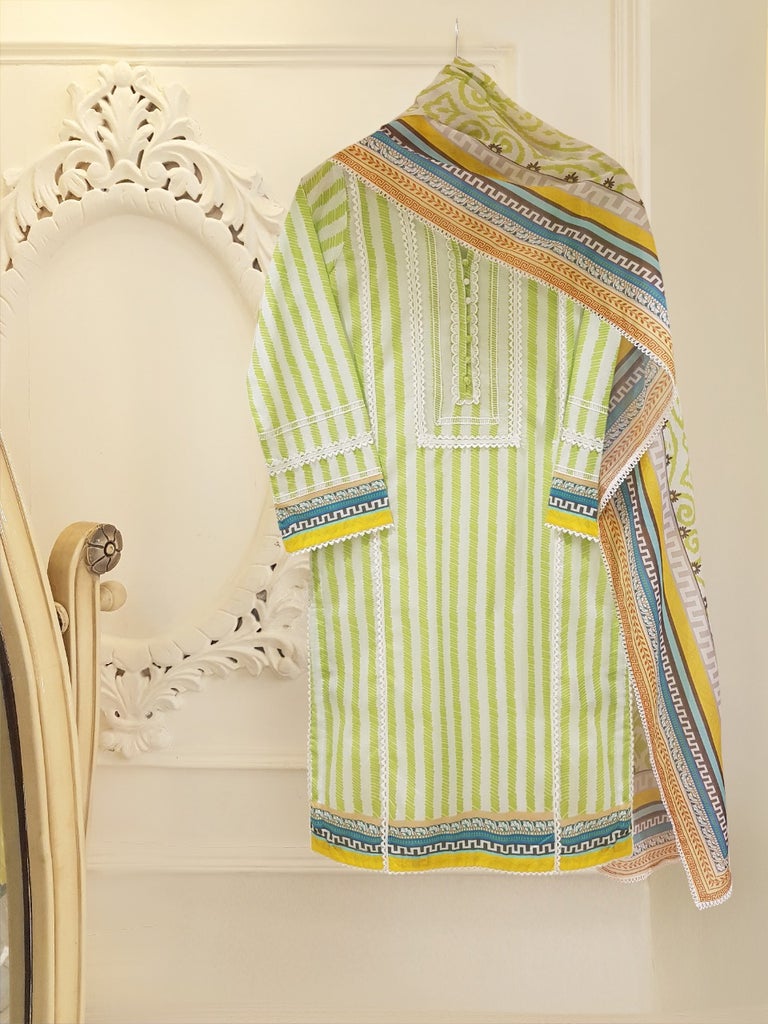
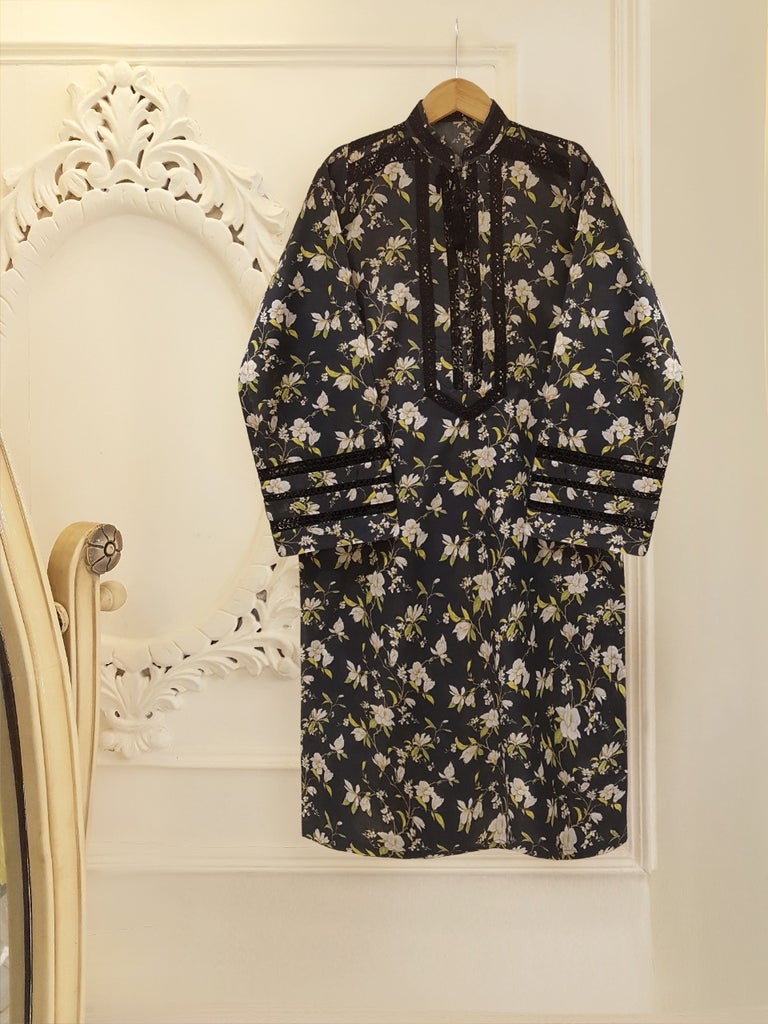
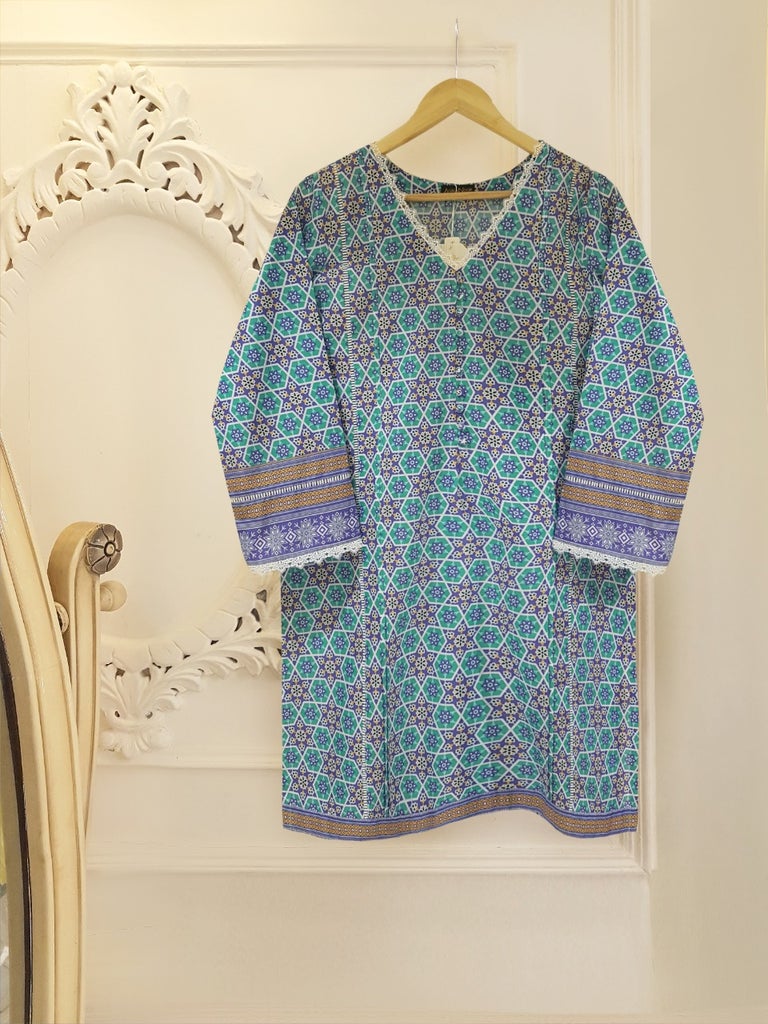
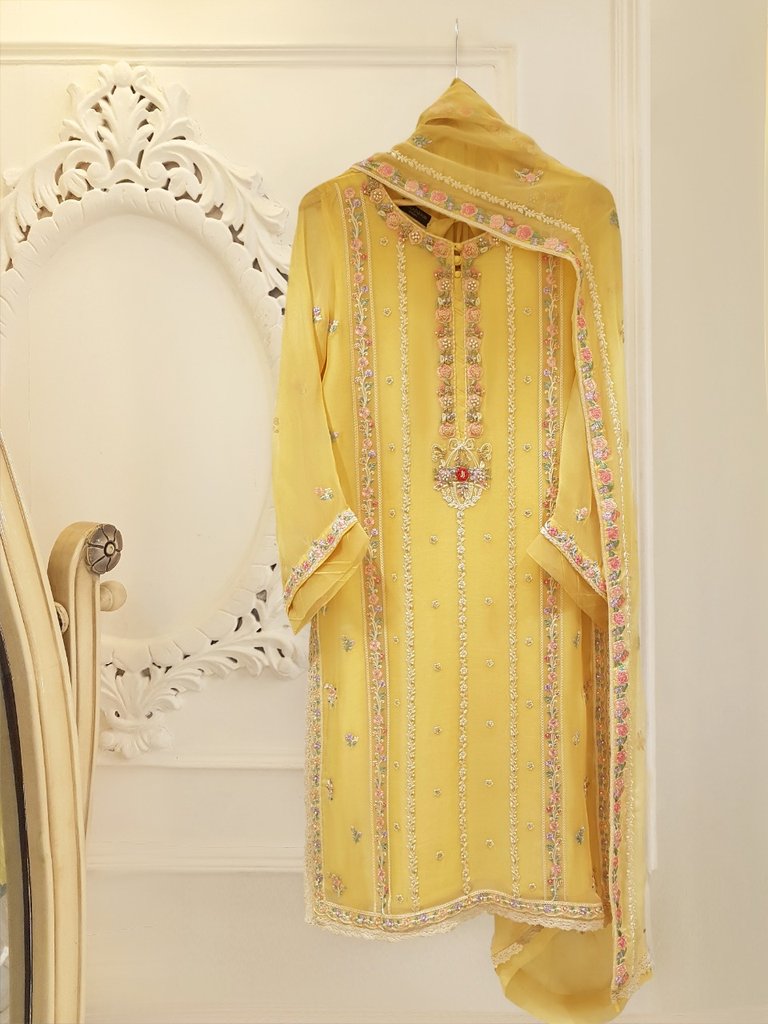

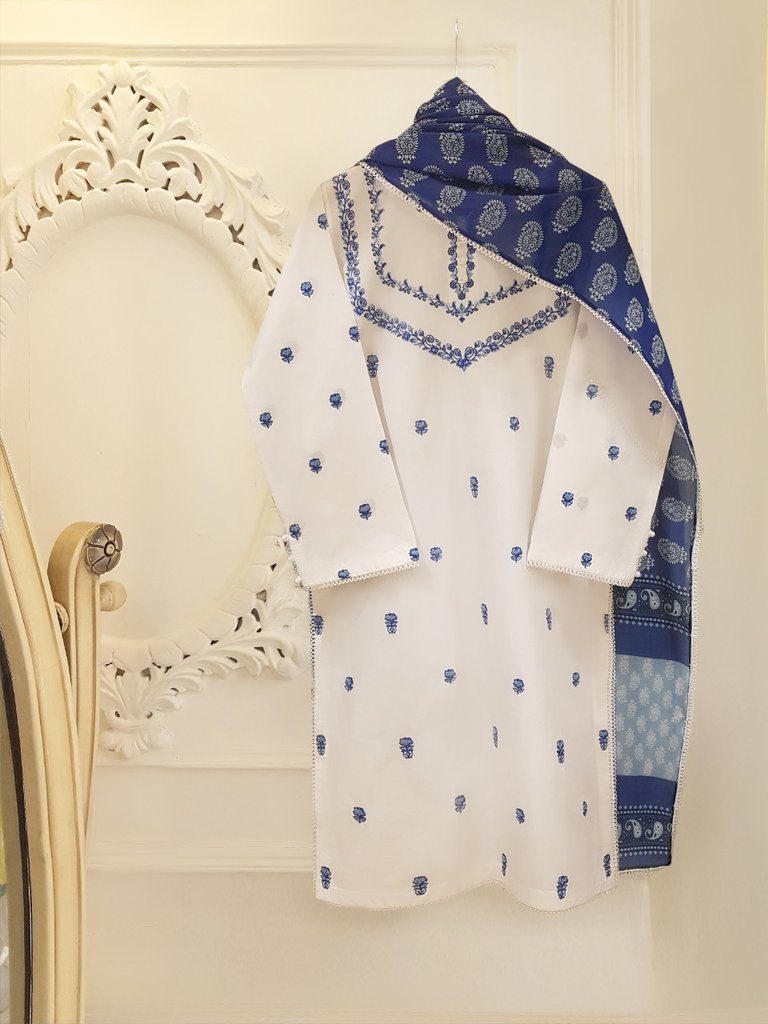


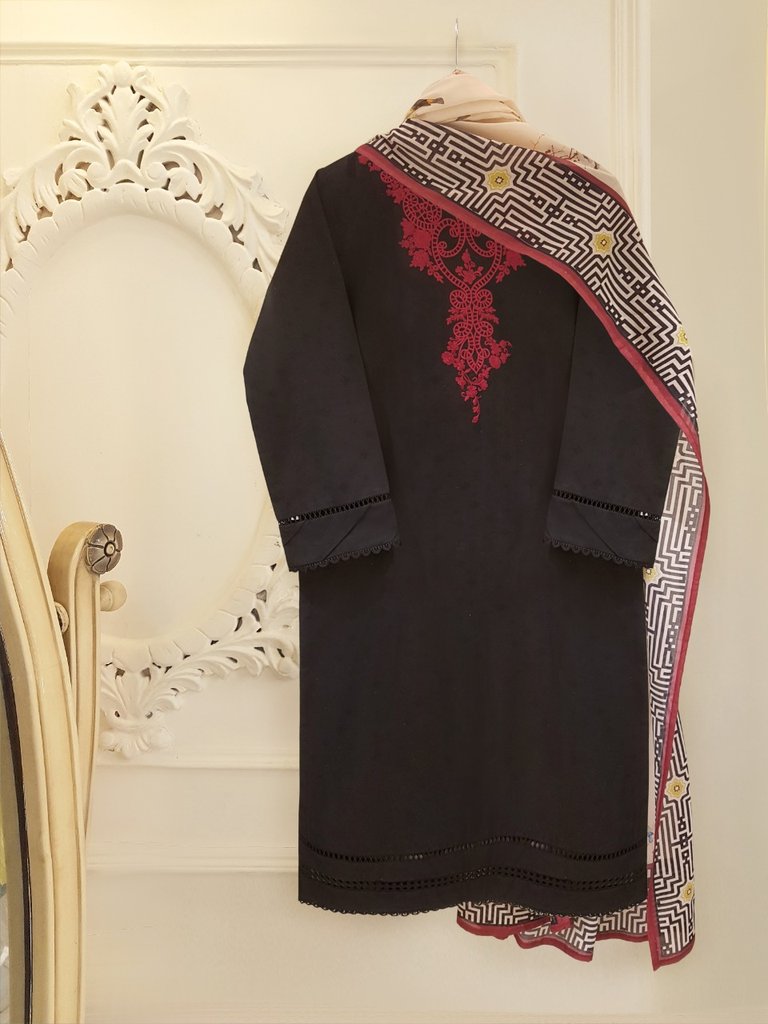

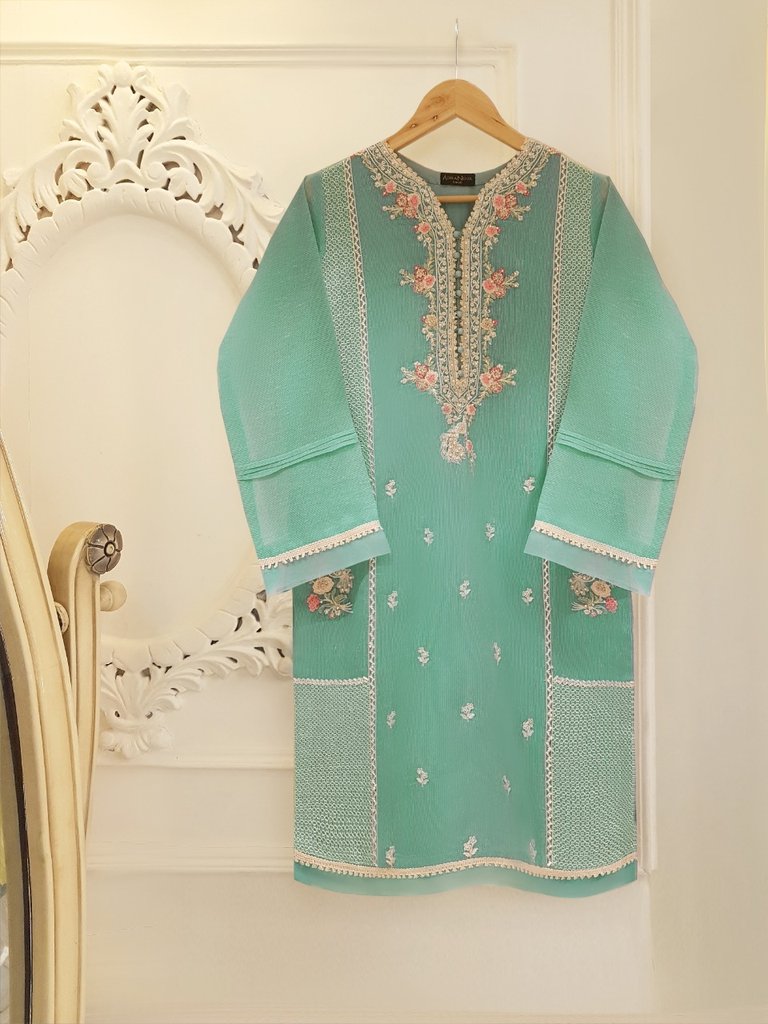
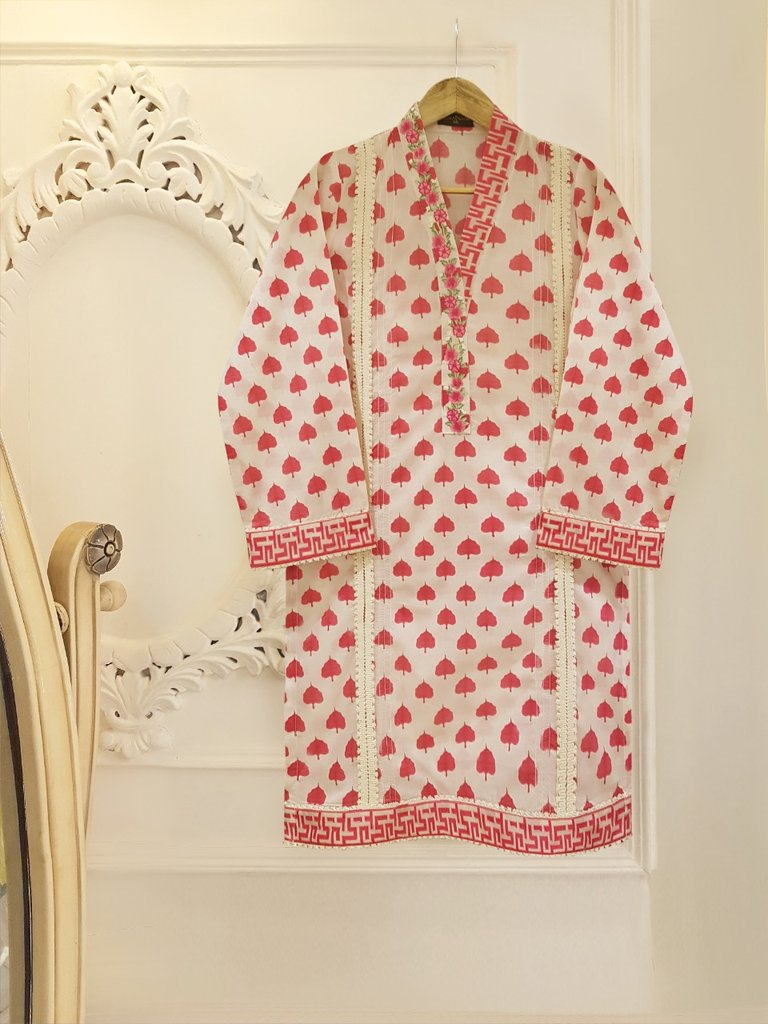

Get Custom Quote Now
Asian clothing wholesale covers a wide range of products and styles. Depending on the supplier, retailers may be able to source Pakistani, Indian, Bangladeshi and other South Asian clothing collections.
For Pakistani fashion specifically, common wholesale categories include:
- Pakistani suits
- Three-piece suits
- Two-piece suits
- Salwar kameez
- Ready-made Pakistani dresses
- Unstitched Pakistani suits
- Lawn suits
- Chiffon dresses
- Cotton collections
- Embroidered outfits
- Formal wear
- Party wear
- Bridal and wedding clothing
- Modest fashion
- Men’s Pakistani clothing
- Children’s Asian clothing
This variety allows a retailer to create a collection aimed at a particular customer group instead of relying on a single product category.
For example, a UK boutique might stock everyday lawn and cotton suits during warmer months, followed by embroidered collections and heavier formalwear for weddings, Eid and other celebrations. A retailer in Canada or the USA may similarly build collections around seasonal demand, while an Australian retailer may need to consider its different seasonal calendar when planning inventory.
The important point is that Asian clothes wholesale suppliers UK is not limited to one type of customer or one type of garment. It represents a broad wholesale sourcing opportunity.
Why Pakistani Clothing Is Important Within Asian Fashion Wholesale
Pakistani clothing has several characteristics that make it suitable for specialist retail businesses.
The first is variety. Pakistani fashion includes simple everyday garments as well as heavily embellished formal and bridal designs. This means a retailer can potentially serve multiple price points and occasions.
The second is fabric diversity. Collections may include lawn, cotton, chiffon, silk-related fabrics, linen, velvet and other materials depending on the season and design.
The third is the combination of traditional silhouettes and contemporary fashion. The salwar kameez remains a recognizable traditional outfit, but designers and manufacturers can reinterpret it through different cuts, prints, embroidery, colours and finishing techniques.
This gives Pakistani clothes wholesale suppliers an opportunity to serve both traditional customers and younger shoppers looking for modern South Asian fashion.
For retailers, this distinction matters. A successful wholesale collection does not necessarily need to consist entirely of highly traditional designs. A balanced range can include everyday clothing, contemporary styles, occasionwear and premium pieces.
UK: The Primary Market for Asian Clothing Wholesale
The UK remains an important market to consider when researching Asian clothes wholesale suppliers UK.
Retail demand exists through physical Asian clothing stores, independent boutiques, online businesses, social-commerce sellers and larger specialist retailers. The market is also geographically diverse, with Asian fashion businesses operating in cities including London, Birmingham, Manchester, Bradford, Leicester and other urban areas.
Mastorat’s UK-focused guidance also highlights demand for traditional and modern South Asian fashion, including shalwar kameez, formalwear and seasonal collections.
For a retailer, the key opportunity is not simply finding clothing that looks attractive. It is finding products that match the retailer’s particular customer base.
A boutique targeting wedding and occasionwear may need heavily embroidered Pakistani suits and formal dresses. An online retailer focused on everyday fashion may instead require affordable ready-made suits with consistent sizing and repeat availability.
A retailer should therefore ask:
- Who is my target customer?
- What price range do my customers expect?
- Do I need ready-made or unstitched clothing?
- What sizes do I need?
- Which fabrics are appropriate for my market?
- How frequently will I reorder?
- What minimum order quantity can my business comfortably handle?
- Does the supplier provide samples?
- Can the supplier maintain consistent quality?
These questions can help narrow down the right Pakistani wholesale clothes suppliers for a particular business.
Canada as a Growing International Market
Canada is another important market for businesses interested in Asian and Pakistani clothing wholesale.
Retailers serving Canadian customers can source Pakistani suits, salwar kameez, modest clothing, formalwear and other South Asian garments for physical boutiques or online stores.
However, international wholesale sourcing requires more than comparing garment prices. Importers need to understand the requirements associated with bringing commercial goods into Canada. Canada’s official import guidance recommends that businesses establish details such as product descriptions, country of origin, samples where possible, applicable duties and taxes, and any relevant permits or restrictions before importing.
This makes supplier communication especially important.
A Canadian retailer should be able to obtain accurate information about:
- Product composition
- Country of origin
- Product descriptions
- Quantities
- Commercial invoices
- Shipping documentation
- Packaging
- HS or tariff classification information where applicable
A reliable wholesale relationship can make this process easier because the buyer and supplier can establish documentation requirements before the shipment leaves the country of origin.
Canada’s government also provides specific resources for textile and clothing trade and tariff treatment, making it important for commercial importers to check the rules applicable to their products and origin.
USA: Opportunities for Pakistani Clothing Retailers
The USA represents another significant destination for Asian clothing businesses.
American retailers can include Pakistani clothing within a wider South Asian fashion collection or build specialist stores focused primarily on Pakistani fashion.
Potential wholesale categories include:
- Pakistani ready-made suits
- Salwar kameez
- Lawn collections
- Embroidered dresses
- Modest clothing
- Formalwear
- Wedding outfits
- Men’s shalwar kameez
- Children’s Pakistani clothing
For American retailers, product positioning can be particularly important. Instead of treating Pakistani clothing as one large category, businesses can create collections around occasions and customer needs.
For example:
Everyday Collection:
Comfortable cotton and lawn suits suitable for regular wear.
Festive Collection:
Embroidered and embellished Pakistani suits for celebrations.
Formal Collection:
Premium outfits for weddings, parties and special occasions.
Modest Fashion Collection:
Longer silhouettes and coordinated pieces suitable for customers seeking modest clothing.
This type of categorization can make wholesale inventory easier to merchandise and market.
Australia: Asian Clothing Wholesale Opportunities
Australia is also relevant for Asian clothing suppliers and retailers, particularly businesses serving multicultural customer bases and online shoppers.
Australian retailers can source Pakistani suits, salwar kameez, formal dresses and other Asian fashion products from international suppliers.
However, Australian businesses should approach international sourcing with the same discipline as retailers in the UK, Canada and USA. Product quality, fabric composition, sizing, shipping costs, customs requirements and delivery times can all affect the final retail price.
A supplier offering a low garment price may not necessarily provide the lowest overall cost once international freight, duties, taxes, packaging and other expenses are considered.
Therefore, retailers should calculate landed cost, rather than looking only at the supplier’s quoted garment price.
Ready-Made Pakistani Clothes vs Unstitched Clothing
One of the first decisions a retailer needs to make is whether to stock ready-made Pakistani clothes, unstitched suits or both.
Ready-made Pakistani clothing offers convenience because customers can purchase a finished garment without finding a tailor. This can be particularly useful for online stores and retailers targeting customers who want fast and convenient shopping.
Unstitched Pakistani suits, on the other hand, provide greater flexibility because customers can have garments made according to their preferred measurements and styling.
A retailer can potentially offer both categories to reach different customer preferences.
When purchasing ready-made garments, sizing consistency becomes particularly important. Retailers should request detailed size charts and verify measurements before placing larger orders.
When purchasing unstitched collections, the retailer should pay close attention to fabric quality, print quality, embroidery, colour accuracy and the amount of fabric supplied.
What Makes a Good Pakistani Suits Wholesaler?
The right Pakistani suits wholesaler should be evaluated using several factors rather than price alone.
A retailer should consider:
Product quality:
Are fabrics, stitching, embroidery, printing and finishing consistent?
Collection variety:
Does the supplier offer enough styles to build a commercially useful collection?
MOQ:
Is the minimum order quantity realistic for your business?
Availability:
Can popular designs be reordered when they sell well?
Sizing:
Are measurements clearly provided and consistently followed?
Communication:
Can the supplier respond quickly to questions about products, pricing and orders?
Packaging:
Are garments packed appropriately for international shipping?
Export experience:
Does the supplier understand the documentation and logistics required for international orders?
These factors become increasingly important when a business is buying wholesale for customers in different countries.
Sourcing Directly From Pakistan
Pakistan is an important sourcing location for Pakistani fashion, and retailers may explore suppliers connected with major textile and fashion-producing cities.
Lahore, Karachi and Faisalabad are among the locations commonly associated with Pakistan’s textile and apparel ecosystem. Businesses considering direct sourcing can therefore investigate manufacturers, wholesalers and exporters based on their product requirements.
For retailers interested in Lahore sourcing specifically, Unikaas provides a dedicated resource covering Pakistani clothes wholesalers in Lahore:
Pakistani Clothes Wholesalers in Lahore
Direct sourcing can potentially give retailers access to a broader selection and different pricing structures, but buyers should still perform due diligence before placing substantial orders.
Samples, product specifications, quality checks and clear commercial terms should be established before moving from a sample order to a larger wholesale shipment.
The Importance of Import and Customs Planning
International wholesale buyers should also understand that buying clothing from an overseas supplier involves more than choosing products and arranging shipping.
For example, UK commercial importers need to consider customs declarations, commodity codes, import taxes and other requirements. GOV.UK explains that importers need the appropriate commodity code because it helps determine applicable duty and whether an import licence is required.
UK textile and apparel products are classified under specific tariff chapters depending on factors such as whether garments are knitted/crocheted or woven.
Canada similarly provides official guidance covering commercial importing, tariff information, duties, taxes and customs compliance.
The lesson for retailers in the UK, Canada, USA and Australia is simple: calculate the complete cost of getting the products into your business before deciding whether a wholesale price is commercially attractive.
Building a Long-Term Wholesale Supplier Relationship
The best wholesale sourcing strategy is usually not based on finding the cheapest supplier for one order.
Instead, retailers should look for a supplier relationship that can develop over time.
A long-term relationship can make it easier to:
- Understand product quality
- Establish preferred products
- Plan seasonal collections
- Reorder successful styles
- Discuss custom requirements
- Improve communication
- Coordinate larger shipments
- Develop private-label opportunities
For retailers that eventually want their own clothing brand, wholesale sourcing can also become the first stage of a broader manufacturing strategy. Businesses can move from buying existing wholesale products toward customized designs, branded packaging and eventually private-label manufacturing.
Unikaas also provides a dedicated resource for businesses interested in private label clothing manufacturing in the UK:
Private Label Clothing Manufacturing UK
Final Thoughts for Asian Clothing Retailers
Whether you operate a boutique in London, Birmingham or Manchester, an online clothing store in Canada, a Pakistani fashion business in the USA, or an Asian clothing retailer in Australia, supplier selection should be treated as an important part of your business strategy.
The right wholesale collection should combine appropriate designs, dependable quality, commercially viable pricing, suitable sizing and reliable fulfilment.
For businesses specifically researching Asian clothes wholesale suppliers UK, Pakistani clothing can provide a broad product category covering everyday suits, salwar kameez, ready-made outfits, formalwear and seasonal collections.
At the same time, the opportunity extends beyond the UK. Retailers in Canada, the USA and Australia can also explore Pakistani and wider Asian clothing wholesale markets, provided they account for their local import, customs, product and retail requirements.
As you move forward with supplier research, focus on the complete buying process rather than garment price alone: product → quality → MOQ → documentation → shipping → landed cost → retail price → customer demand.
That approach provides a stronger foundation for building a sustainable Asian clothing wholesale business in the UK and international markets.
Pakistani Clothes Wholesale Suppliers in the UK
For retailers searching for Pakistani clothes wholesale suppliers, choosing the right supplier is one of the most important decisions in building a successful Asian fashion business. The UK has a diverse market for Pakistani clothing, with demand ranging from everyday salwar kameez and lawn suits to embroidered formalwear, wedding outfits and ready-made Pakistani dresses.
For businesses operating in London, Birmingham, Manchester, Leicester, Bradford or other UK locations, wholesale sourcing can provide access to collections that are difficult to develop independently. Online retailers can also use wholesale suppliers to build catalogues without necessarily maintaining a large physical store.
However, finding a supplier is only the beginning. Retailers need to understand what products to purchase, whether they need ready-made or unstitched garments, how much stock to order, how to compare suppliers and how to establish a reliable supply chain.
What Are Pakistani Clothes Wholesale Suppliers?
Pakistani clothes wholesale suppliers provide clothing to businesses at wholesale or trade prices, usually for resale.
Unlike a normal retail customer who purchases one or two garments, a wholesale buyer may purchase multiple units or a collection of different designs. Depending on the supplier, buyers may be able to order individual designs in multiple sizes, complete collections, mixed styles or larger quantities.
A Pakistani wholesale clothing supplier may offer products such as:
- Pakistani suits
- Salwar kameez
- Ready-made Pakistani dresses
- Two-piece suits
- Three-piece suits
- Lawn suits
- Cotton suits
- Embroidered clothing
- Chiffon outfits
- Formal dresses
- Partywear
- Wedding collections
- Modest clothing
- Men’s Pakistani clothing
- Children’s clothing
The exact range varies between suppliers, so retailers should identify their target customer before selecting a wholesale collection.
A business selling affordable everyday clothing will have very different sourcing requirements from a luxury Pakistani fashion boutique.
Why UK Retailers Source Pakistani Clothing
Pakistani fashion offers retailers a broad range of styles and price points. A single supplier relationship can potentially support several different product categories.
For example, a boutique could stock affordable everyday suits alongside premium embroidered outfits. This creates opportunities to serve customers shopping for workwear, casual clothing, Eid collections, weddings, parties and other occasions.
Pakistani fashion also combines traditional clothing structures with contemporary design. The salwar kameez remains a core category, while designers and manufacturers continually introduce new colours, prints, cuts, embroidery patterns and fabric combinations.
This allows UK retailers to create collections that feel relevant to modern customers while retaining recognizable Pakistani and South Asian design characteristics.
For retailers, the objective should not simply be to find the largest collection. It should be to find products that match their particular market.
Ready-Made Pakistani Clothes for UK Retailers
Ready-made Pakistani clothes UK wholesale is particularly relevant for retailers that want to offer customers convenience.
With ready-made clothing, customers do not need to arrange tailoring before wearing the outfit. This can make the products easier to sell through online stores, social media businesses and physical boutiques.
Ready-made wholesale collections can include:
- Ready-made two-piece suits
- Ready-made three-piece suits
- Ready-made salwar kameez
- Kurta and trouser combinations
- Embroidered formal dresses
- Ready-to-wear lawn collections
- Partywear
- Occasionwear
One of the most important considerations is sizing.
A retailer should request a detailed size chart before purchasing significant quantities. Measurements should ideally include relevant garment dimensions rather than simply labels such as small, medium or large.
This is particularly important for online retailers because customers cannot physically try the garment before purchase.
A clear size guide can reduce confusion and help retailers provide more accurate product information.
For businesses specifically interested in ready-made Pakistani suits, Unikaas has a dedicated resource:
Pakistani Readymade Suits Wholesale UK
Wholesale Pakistani Suits
Wholesale Pakistani suits are one of the most important categories for retailers targeting South Asian fashion customers.
Suits can be divided into several practical categories.
Everyday Suits
These are generally designed for regular use and may focus on comfort, practical fabrics and attractive prints.
Retailers can use everyday suits as core stock because they are not dependent entirely on special occasions.
Festive Suits
Festive collections may include stronger colours, decorative detailing, embroidery and more elaborate designs.
These can be particularly relevant around Eid and other cultural celebrations.
Formal Suits
Formal Pakistani suits typically feature more detailed embroidery, premium fabrics, embellishment or elaborate construction.
They can be positioned at a higher retail price than basic everyday collections.
Partywear
Partywear sits between everyday and formal clothing and can appeal to customers attending dinners, celebrations and social events.
A retailer can therefore build a balanced collection rather than relying on one category.
Wholesale Salwar Kameez
Wholesale salwar kameez remains another major category within Pakistani and wider South Asian fashion.
The traditional outfit generally consists of a kameez or tunic combined with trousers or salwar and, depending on the design, a dupatta.
Modern wholesale collections can reinterpret this traditional format through:
- Different silhouettes
- Printed fabrics
- Embroidery
- Digital prints
- Contemporary trouser styles
- Decorative necklines
- Sleeve variations
- Different dupatta designs
- Modern colour combinations
Retailers should consider their customers when choosing between traditional and contemporary styles.
A specialist Pakistani boutique may want a wide variety of traditional designs, whereas a fashion-forward online retailer might concentrate on modern cuts and styling.
Choosing Between Unstitched and Ready-Made Clothing
One of the most important decisions for Pakistani clothing retailers is whether to sell unstitched fabric collections, ready-made garments or both.
Unstitched clothing can appeal to customers who prefer customized tailoring.
Benefits can include:
- Greater styling flexibility
- Customer-controlled measurements
- Traditional tailoring experience
- More customization possibilities
However, the customer usually needs access to a tailor.
Ready-made clothing, by comparison, provides immediate convenience.
Benefits include:
- Faster purchasing
- Easier online selling
- Finished garments
- Straightforward product presentation
- No requirement for customers to arrange tailoring
There is no universal answer as to which model a retailer should use. The right choice depends on the business model, target customer and product positioning.
Some retailers may benefit from carrying both.
How to Evaluate Pakistani Wholesale Clothing Suppliers
Finding several potential Pakistani wholesale clothing suppliers is relatively easy. Determining which ones are suitable for your business requires more research.
Start by examining the supplier’s product range.
Does the supplier specialize in Pakistani clothing, or is Pakistani fashion only a small part of a much broader catalogue?
Then evaluate the quality.
Look at:
- Fabric
- Stitching
- Embroidery
- Printing
- Colour consistency
- Buttons and accessories
- Dupatta finishing
- Packaging
- Overall garment construction
If possible, order samples before committing to a larger order.
A sample gives the retailer an opportunity to assess the actual product rather than relying entirely on catalogue photographs.
Minimum Order Quantities
Minimum order quantity, commonly referred to as MOQ, is another important consideration.
One supplier might require a large quantity of each design, while another may allow mixed wholesale orders.
For a new retailer, a lower MOQ can reduce inventory risk.
For an established distributor, larger quantities may provide access to better commercial pricing.
The important point is to calculate how quickly you expect to sell the products.
Ordering 500 garments at a lower unit price does not necessarily make sense if your business can only sell 100 units within the relevant season.
Inventory that remains unsold ties up working capital and can eventually require discounting.
Wholesale Pricing Is Not the Same as Landed Cost
Retailers often make the mistake of comparing supplier prices without considering the complete cost of importing and selling the garments.
Suppose a supplier offers a Pakistani suit at a particular wholesale price. The retailer may still have additional expenses related to:
- International freight
- Insurance
- Customs
- Import duties
- Taxes
- Payment fees
- Packaging
- Warehousing
- Local delivery
- Returns
- Marketing
The relevant calculation is therefore the landed cost.
For international buyers, this is especially important.
A supplier with a slightly higher garment price may ultimately provide a better commercial result if the supplier offers better quality, more reliable fulfilment and fewer defective products.
UK Retailers Should Consider Their Selling Channel
Your wholesale sourcing strategy should also reflect where you sell.
A physical boutique may be able to carry a wider range of sizes and designs because customers can visit the store.
An online retailer may need to focus more heavily on:
- Product photography
- Accurate measurements
- Detailed descriptions
- Consistent sizing
- Packaging
- Returns management
- Stock availability
Social-media sellers may use a different strategy again, concentrating on visually strong products that perform well in short-form videos, live shopping and social posts.
The supplier should therefore support the retailer’s actual selling model.
Sourcing From Lahore
Lahore is one of the locations UK buyers may consider when looking for Pakistani clothing suppliers.
Retailers interested in sourcing from Lahore can investigate manufacturers and wholesalers according to their particular requirements, including ready-made clothing, Pakistani suits and other South Asian fashion categories.
Unikaas provides a dedicated guide for businesses researching this market:
Pakistani Clothes Wholesalers in Lahore
When evaluating suppliers in Lahore or elsewhere in Pakistan, UK buyers should still follow standard wholesale due diligence.
Request samples, confirm measurements, establish payment terms and understand shipping arrangements before placing a substantial order.
Pakistani Clothing Wholesale for Canada
Canadian retailers can also build specialist collections around Pakistani clothing.
The same core categories can be relevant:
- Pakistani suits
- Salwar kameez
- Ready-made dresses
- Lawn suits
- Formalwear
- Modest fashion
- Wedding clothing
However, Canadian businesses need to factor international freight and Canadian import requirements into their pricing calculations.
A supplier may be based in Pakistan, but the retailer’s actual cost depends on the complete journey from the supplier to the final warehouse or store.
Businesses should therefore establish shipping terms before confirming wholesale orders.
Pakistani Clothing Wholesale for the USA
The USA provides opportunities for specialist Pakistani clothing retailers as well.
A retailer can choose to focus exclusively on Pakistani clothing or combine Pakistani products with Indian, Bangladeshi and other Asian fashion categories.
The latter approach can create a broader Asian fashion store, while a specialist approach may allow the business to develop a stronger identity around Pakistani clothing.
Product selection should depend on the customer base rather than simply following whatever products are available from the supplier.
Pakistani Clothing Wholesale for Australia
Australian retailers can similarly explore Pakistani and wider Asian fashion wholesale.
Seasonality needs particular attention because Australian seasons are different from the UK, Canada and the USA.
A supplier relationship that provides flexible collection planning can help retailers purchase appropriate products at the right time.
For example, retailers should consider when customers are likely to purchase lighter fabrics, heavier fabrics, formalwear and festive collections based on their local selling calendar.
How Much Stock Should a New Retailer Buy?
There is no single quantity that works for every business.
A new retailer should consider:
- Available investment
- Storage capacity
- Customer demand
- Product price
- Supplier MOQ
- Expected sales velocity
- Seasonality
- Reorder availability
It is often useful to test a collection before scaling.
For example, a retailer could introduce several styles across different price ranges, monitor sales, identify the strongest performers and then place larger repeat orders for successful categories.
This approach can provide more information than making one very large purchase based entirely on assumptions.
Building a Wholesale Product Mix
A balanced collection could include several price levels.
Entry-level:
Affordable everyday suits designed to generate regular sales.
Mid-range:
Better fabrics, additional detailing and stronger design elements.
Premium:
Formal, heavily embroidered or occasion-specific clothing.
This structure gives customers different purchasing options while allowing the retailer to target different margins.
The same principle can apply across the UK, Canada, USA and Australia.
From Wholesale Clothing to Private Label
Some retailers eventually want to move beyond reselling wholesale products and develop their own branded collections.
Private label can provide greater control over:
- Brand identity
- Labels
- Packaging
- Product design
- Fabric selection
- Colours
- Embroidery
- Customer positioning
However, private-label manufacturing requires more planning than standard wholesale purchasing.
Businesses interested in developing this model can explore private label clothing manufacturing in the UK.
A retailer may initially purchase ready-made wholesale Pakistani clothing, develop an understanding of customer demand and then gradually introduce customized or branded products.
Questions to Ask Before Placing a Wholesale Order
Before confirming an order with any Pakistani clothing supplier, ask for clear answers to the following:
1. What is the MOQ?
2. Can I mix different designs and sizes?
3. Are samples available?
4. What fabrics are used?
5. What are the exact garment measurements?
6. How long does production or order processing take?
7. What shipping options are available?
8. How are garments packaged?
9. What happens if products arrive damaged or defective?
10. Can successful designs be reordered?
11. What payment methods and terms are available?
12. Can you provide the documentation required for international shipping?
Clear answers to these questions can prevent misunderstandings later.
Choosing a Supplier for Long-Term Growth
The ideal supplier relationship should be viewed as a business partnership rather than a single transaction.
For a UK retailer, this could mean starting with a small ready-made collection and gradually increasing order volumes.
For a Canadian, American or Australian retailer, it could involve developing a repeat international shipping schedule.
As the business grows, the retailer may eventually require more advanced services such as customized packaging, exclusive designs, private labeling or dedicated production.
This is why it is useful to assess a supplier’s capabilities before placing the first major order.
Final Takeaway
Finding reliable Pakistani clothes wholesale suppliers requires more than searching for the lowest price.
UK retailers should assess product quality, sizing, MOQ, stock availability, shipping, communication and landed costs. Retailers in Canada, the USA and Australia should add international freight and import considerations to the same evaluation.
Whether you are looking for wholesale Pakistani suits, wholesale salwar kameez, Pakistani suits wholesalers or ready-made Pakistani clothes UK wholesale, the strongest sourcing strategy begins with understanding your customer and then finding suppliers capable of consistently meeting that demand.
A carefully selected wholesale collection can become the foundation for an online store, physical boutique, specialist Pakistani fashion business or broader Asian clothing retailer.
Wholesale Pakistani Suits & Ready-Made Pakistani Clothing for UK, Canada, USA and Australia
For retailers building an Asian fashion business, wholesale Pakistani suits can form one of the most versatile parts of a clothing collection. Pakistani suits are available across a wide range of fabrics, designs, price points and occasions, making them suitable for specialist boutiques as well as online clothing stores.
For businesses searching for Asian clothes wholesale suppliers UK, understanding the different Pakistani suit categories is particularly important. The right collection should reflect the customers a retailer wants to serve, the season in which products will be sold, and the price range of the store.
The opportunity is not limited to the UK. Retailers in Canada, the USA and Australia can also build Pakistani clothing collections around ready-made suits, salwar kameez, formalwear, lawn collections and occasionwear.
Rather than purchasing large quantities of random designs, retailers can develop a structured wholesale buying strategy based on product category, customer demand and expected retail price.
What Are Wholesale Pakistani Suits?
Wholesale Pakistani suits generally refer to Pakistani-style clothing purchased by retailers, boutiques, distributors or other businesses at trade prices for resale.
Depending on the supplier, a wholesale suit may consist of:
- Shirt or kameez
- Trousers, shalwar or pants
- Dupatta
Some collections are sold as complete three-piece outfits, while others may consist of two-piece combinations.
There are also unstitched suit collections where the customer receives fabric pieces rather than a finished garment.
The availability of these formats means retailers can create different product categories within the same store.
For example, an online Pakistani clothing retailer might offer:
Ready-to-wear: Finished garments available in standard sizes.
Unstitched: Fabric collections for customers who prefer tailoring.
Formalwear: Embellished outfits for weddings and special occasions.
Everyday wear: Comfortable suits designed for regular use.
Seasonal collections: Products selected according to weather and cultural events.
This segmentation can make it easier for customers to navigate a large catalogue.
Two-Piece Pakistani Suits
Two-piece Pakistani suits can be a practical option for retailers looking to offer simpler outfits.
They commonly consist of a top and matching bottom, although exact combinations vary by design.
Two-piece collections can work particularly well for customers seeking everyday clothing because they can be easier to style and may be positioned at a more accessible retail price.
For wholesale buyers, useful questions include:
- Is the fabric suitable for the intended season?
- Are the top and bottom colours consistent?
- Is the stitching durable?
- Are measurements standardized?
- Can the same design be reordered?
- Is the product available across multiple sizes?
These details matter because consistency becomes increasingly important as a retailer scales.
Three-Piece Pakistani Suits
Three-piece suits are another major category within Pakistani clothing wholesale.
A traditional three-piece outfit generally includes a kameez, bottom and dupatta.
The third component can add significant visual appeal to the overall outfit, particularly when the dupatta features complementary printing, embroidery or decorative detailing.
Three-piece suits can cover a wide range of price points.
An everyday printed lawn suit may be relatively simple, while a formal three-piece outfit could feature embroidery, embellishment and premium fabrics.
This makes the category suitable for retailers serving multiple customer segments.
Ready-Made Pakistani Suits
Ready-made Pakistani clothes UK wholesale are particularly useful for businesses that want finished products that can be displayed, photographed and sold immediately.
Ready-made garments can be attractive for online businesses because the retailer can create product listings around specific sizes and finished designs.
For physical boutiques, ready-made clothing also makes merchandising straightforward.
The main issue is sizing consistency.
A retailer should not assume that a size medium from one supplier will have exactly the same measurements as a medium from another supplier.
Before placing a large wholesale order, request the supplier’s measurement chart and, where possible, check physical samples.
Important measurements can include:
- Chest
- Waist
- Hip
- Shirt length
- Sleeve length
- Trouser length
- Shoulder width
Retailers selling online should publish accurate measurements rather than relying solely on generic size labels.
Pakistani Lawn Suits
Lawn is one of the most recognizable fabric categories associated with Pakistani fashion.
Lightweight printed suits can be particularly relevant for warmer weather and everyday wear.
For wholesale retailers, lawn collections can provide opportunities to introduce:
- Floral prints
- Geometric patterns
- Traditional motifs
- Digital prints
- Printed dupattas
- Embroidered lawn
- Printed trousers
- Coordinated three-piece sets
The exact fabric composition and finishing should always be confirmed with the supplier because products described using the same general category can differ significantly in quality.
Retailers should also consider their local climate.
A lightweight summer collection may be highly relevant to certain customers in the UK, USA, Canada or Australia, but the timing of demand will vary between markets.
Cotton Pakistani Clothing
Cotton-based Pakistani clothing can provide another option for everyday collections.
Customers may value cotton for comfort, particularly when shopping for regular-use clothing.
For wholesalers, cotton collections can include printed or embroidered shirts, two-piece suits, three-piece suits and casual salwar kameez.
Retailers should ask suppliers about fabric specifications rather than using generic terms alone.
A product description should ideally provide enough information for the retailer to accurately explain the garment to customers.
Chiffon and Formal Pakistani Suits
When retailers move into formalwear, fabric and finishing become increasingly important.
Chiffon and similar lightweight fabrics are commonly used in Pakistani formal fashion, particularly for dupattas and decorative outfits.
Formal Pakistani suits may include:
- Embroidery
- Sequins
- Beading
- Threadwork
- Printed panels
- Decorative borders
- Embellished necklines
- Detailed sleeves
These garments require more careful quality inspection because small finishing problems can become more noticeable in heavily decorated clothing.
Retailers should examine embroidery alignment, loose threads, stitching, embellishments and overall finishing when evaluating samples.
Wholesale Pakistani Suits for Weddings and Events
Pakistani clothing is strongly associated with weddings, Eid, parties and other celebrations.
This creates an opportunity for retailers to develop an occasionwear category alongside everyday products.
A formal collection can include different levels of embellishment.
For example:
Light formal:
Elegant embroidery and relatively simple styling.
Mid-level formal:
More detailed embroidery and decorative elements.
Premium formal:
Heavier embellishment, premium fabrics and elaborate finishing.
A retailer can then position products at different price points.
This is particularly useful for boutiques because customers attending different types of events have different budgets and styling requirements.
Wholesale Salwar Kameez
Wholesale salwar kameez should also be considered when building a Pakistani clothing collection.
Although the basic concept is traditional, modern collections can vary significantly.
Differences can include:
- Kameez length
- Trouser shape
- Sleeve design
- Neckline
- Dupatta style
- Embroidery
- Prints
- Fabric
- Colour combinations
Retailers should avoid assuming that all customers want the same silhouette.
A balanced collection can combine traditional styles with modern interpretations.
This can help a retailer serve different age groups and customer preferences without moving away from the Pakistani fashion category.
Choosing Colours for Wholesale Collections
Colour selection can have a significant effect on how a wholesale collection performs.
Retailers may consider creating a mixture of:
- Neutral shades
- Pastels
- Bright colours
- Jewel tones
- Traditional colour combinations
- Seasonal shades
However, colour selection should be based on the retailer’s market rather than assumptions.
For example, a boutique specialising in formal Pakistani fashion may require deeper colours and richer embellishment, while an everyday clothing store may need more versatile colours.
Retailers should also consider whether their supplier can reproduce colours consistently between production batches.
Pakistani Clothing for the UK Market
The UK provides opportunities for Pakistani clothing businesses across both physical and online retail.
Retailers can build collections around everyday clothing, Eid, wedding season, formal events and modest fashion.
For businesses targeting customers in cities such as London, Manchester and Birmingham, product selection can be influenced by the specific customer base.
Unikaas provides a dedicated resource for businesses researching Pakistani clothes wholesalers in Manchester:
Pakistani Clothes Wholesalers Manchester
Retailers should also consider online demand outside major cities. An ecommerce business can potentially reach customers across the UK without operating a physical store in every region.
Pakistani Clothing for Canada
Canadian retailers can use similar categories but should adapt inventory planning to their local market.
Weather is particularly important when choosing fabrics and collection timing.
A retailer may require a combination of lighter and heavier clothing depending on its customer base and geographic market.
The business should also consider shipping costs when importing wholesale garments from Pakistan.
A lightweight suit may have different shipping economics from a heavier formal outfit with significant embellishment.
For this reason, wholesale buyers should calculate the expected landed cost before deciding which products to purchase.
Pakistani Clothing for the USA
The USA offers a broad retail environment where Pakistani clothing can be sold through specialist boutiques, ecommerce stores and South Asian fashion businesses.
A retailer can create a focused Pakistani clothing catalogue or combine it with other Asian clothing categories.
For example, an Asian fashion store might organize its online catalogue into:
- Pakistani
- Indian
- Bangladeshi
- Modest fashion
- Occasionwear
- Bridal
- Men’s clothing
Alternatively, a specialist retailer could focus almost entirely on Pakistani suits and related products.
The right approach depends on branding, customer demand and available inventory.
Pakistani Clothing for Australia
Australian businesses can also develop Pakistani clothing collections for boutiques and online retail.
Because Australian seasons differ from those in the northern hemisphere, inventory planning needs to account for local timing.
A Pakistani clothing supplier serving multiple international markets can potentially help retailers plan collections around their own selling calendars.
Retailers should clarify production schedules well ahead of seasonal launches.
How to Evaluate Ready-Made Pakistani Clothing
Before purchasing ready-made Pakistani clothes wholesale, inspect a sample carefully.
Check the following:
Fabric:
Does it match the supplier’s description?
Stitching:
Are seams neat and secure?
Sizing:
Does the physical garment correspond to the supplied measurements?
Embroidery:
Is decorative work properly attached and aligned?
Colour:
Does the actual garment match the product photography?
Dupatta:
Is the finishing appropriate for the garment?
Buttons and accessories:
Are they securely attached?
Packaging:
Is the garment protected during transportation?
These checks can identify potential quality issues before a retailer commits to a larger order.
Product Photography Matters for Wholesale Retailers
Wholesale sourcing and retail presentation are closely connected.
A retailer may receive an attractive garment, but poor photography can make the product difficult to sell online.
For ready-made Pakistani clothing, retailers should consider photography showing:
- Front view
- Back view
- Side view
- Fabric close-up
- Embroidery detail
- Dupatta
- Trouser or shalwar
- Full outfit styling
Clear photographs can also help customers understand colours, patterns and garment construction.
For online stores, this is particularly important because customers cannot physically inspect the clothing before purchase.
Managing Wholesale Inventory
A large catalogue can look attractive, but excessive inventory can create financial pressure.
Retailers should track:
- Units purchased
- Units sold
- Sell-through rate
- Best-selling colours
- Best-selling sizes
- Average order value
- Return rate
- Seasonal demand
This information can guide future wholesale purchasing.
For example, if medium and large sizes consistently sell faster than other sizes, a retailer can discuss future size allocations with the supplier.
Similarly, if a particular style sells quickly, the retailer can investigate whether the supplier can provide repeat stock.
Building a Collection Instead of Buying Random Products
One of the most common problems with wholesale clothing businesses is buying products individually without considering the overall collection.
A stronger approach is to build a collection around a theme.
For example:
Everyday Pakistani Collection
- Printed suits
- Cotton
- Lawn
- Simple embroidery
- Practical colours
Festive Collection
- Embroidery
- Decorative dupattas
- Stronger colours
- Occasionwear
Premium Collection
- Detailed embroidery
- Premium fabrics
- Heavier embellishment
- Formal silhouettes
This makes the retailer’s catalogue easier to understand and can create a stronger brand identity.
Wholesale Pakistani Clothing and Private Label
As a retailer grows, it may eventually want products that are exclusive to its own brand.
Private-label clothing can allow businesses to develop garments around their own:
- Brand identity
- Design requirements
- Labels
- Packaging
- Colour palette
- Fabric choices
- Customer positioning
The transition can happen gradually.
A retailer might begin by purchasing ready-made Pakistani clothing from a wholesaler, identify which styles customers prefer, and later develop customized collections.
This reduces the need to design an entire product strategy without first understanding the market.
Choosing Products for All Four Markets
Although the UK, Canada, USA and Australia share interest in Asian fashion, retailers should not assume that one wholesale collection will perform identically in all four markets.
The retailer should consider:
UK:
Seasonal weather, Pakistani/Asian fashion retail hubs, ecommerce and occasionwear.
Canada:
Climate, regional customer base, import costs and seasonal planning.
USA:
Large geographic market, ecommerce opportunities and specialist South Asian fashion businesses.
Australia:
Different seasonal calendar, shipping considerations and multicultural retail demand.
A supplier capable of providing a broad range of Pakistani clothing can give retailers greater flexibility when adapting collections.
A Practical Wholesale Buying Checklist
Before purchasing wholesale Pakistani suits, review:
- Product category
- Fabric
- Design
- Available sizes
- Size measurements
- MOQ
- Wholesale price
- Sample availability
- Production time
- Stock availability
- Reorder capability
- Packaging
- Shipping
- Import documentation
- Defect/return policy
- Payment terms
A supplier that provides clear information across these areas can make wholesale purchasing considerably easier.
Final Thoughts
Wholesale Pakistani suits and ready-made Pakistani clothing provide retailers with a broad product category that can cover everyday fashion, modest clothing, festive collections, formalwear and special occasions.
For businesses searching for Asian clothes wholesale suppliers UK, the most important consideration is not simply how many designs a supplier offers. The retailer needs to understand whether those designs, fabrics, sizes, prices and quality levels match its target customers.
The same principle applies to retailers in Canada, the USA and Australia. International sourcing adds additional considerations such as freight, customs, landed costs and seasonal planning.
Whether a retailer is looking for Pakistani suits wholesalers, wholesale salwar kameez, Pakistani wholesale clothes suppliers or ready-made Pakistani clothes UK wholesale, the buying process should begin with a clearly defined product strategy.
A retailer that understands its customers, tests products through samples, monitors sales and builds relationships with dependable suppliers can create a more consistent wholesale-to-retail operation.
For businesses looking to expand beyond standard wholesale products, the next stage may be developing a stronger supplier network, understanding supplier selection criteria and comparing manufacturing and wholesale options—which leads into the next section: how to choose reliable Pakistani wholesale clothing suppliers for the UK and international markets.
Wholesale Salwar Kameez for UK, Canada, USA and Australia Retailers
Wholesale salwar kameez is one of the most established categories within Pakistani and wider South Asian clothing. For retailers looking for Asian clothes wholesale suppliers UK, salwar kameez can provide a versatile product range covering everyday fashion, modest clothing, festive collections, formalwear and special occasions.
The category is also suitable for retailers outside the UK. Businesses in Canada, the USA and Australia can build Pakistani and Asian fashion collections around different salwar kameez styles, fabrics, colours and levels of embellishment.
For a retailer, however, successful wholesale buying is not simply about finding attractive designs. The collection needs to match the target customer, climate, price point, sizing expectations and selling channel.
What Is Salwar Kameez?
Salwar kameez generally consists of a long tunic or kameez worn with trousers or a salwar. Many outfits also include a dupatta.
The traditional concept has evolved significantly. Modern Pakistani clothing manufacturers and designers can create numerous variations through changes in:
- Kameez length
- Trouser styles
- Necklines
- Sleeves
- Embroidery
- Prints
- Fabrics
- Dupatta designs
- Colour combinations
- Overall silhouette
This flexibility is one reason wholesale salwar kameez remains useful for retailers.
A retailer can stock simple printed designs for everyday customers while also offering embroidered and embellished styles for weddings, Eid, parties and other occasions.
Why Retailers Buy Wholesale Salwar Kameez
Wholesale purchasing allows retailers to acquire multiple garments at trade prices and resell them through their own stores, websites, marketplaces or social-media channels.
For Pakistani fashion retailers, salwar kameez can act as a core category around which other products are built.
A store could offer:
Everyday salwar kameez
Simple fabrics, prints and comfortable designs for regular use.
Festive salwar kameez
More colourful designs and decorative detailing for celebrations.
Formal salwar kameez
Embroidery, embellishment and premium fabrics for special events.
Luxury salwar kameez
Higher-end materials and more detailed craftsmanship.
This segmentation can make it easier to serve customers at different price points.
Everyday Wholesale Salwar Kameez
Everyday clothing can provide a foundation for a retailer’s collection.
Customers purchasing everyday Pakistani clothing may prioritize:
- Comfort
- Easy care
- Practical fabrics
- Wearability
- Affordable pricing
- Versatile colours
- Consistent sizing
Cotton and lightweight fabrics can be suitable for everyday collections, depending on the market and season.
For a UK retailer, everyday products may be useful throughout much of the year, while a retailer in Canada or Australia may need to adapt its collection according to local weather and seasonal demand.
The goal should be to purchase products that customers can realistically wear rather than filling the catalogue with designs that only work for special occasions.
Festive Salwar Kameez
Festive collections allow retailers to introduce stronger colours, more elaborate prints and additional detailing.
These products can be positioned around events such as Eid, weddings, family celebrations and other cultural occasions.
A festive collection might feature:
- Decorative necklines
- Embroidered panels
- Printed dupattas
- Embroidered sleeves
- Contrasting trousers
- Decorative borders
- Sequins
- Threadwork
Retailers should plan festive inventory well in advance.
Waiting until demand is already at its peak can create problems if production or international shipping takes longer than expected.
This is particularly important for retailers importing Pakistani clothing into the UK, Canada, USA or Australia.
Formal Salwar Kameez
Formal salwar kameez can occupy a higher price point within a wholesale collection.
Formal garments may feature more detailed embroidery, embellishment and premium fabric combinations.
When buying formalwear, retailers should pay particular attention to finishing quality.
Inspect:
- Embroidery density
- Thread quality
- Sequin attachment
- Border finishing
- Stitching
- Fabric quality
- Dupatta finishing
- Colour consistency
A garment that looks impressive in a photograph may not always meet the quality expectations of a premium customer.
For this reason, samples are particularly valuable when buying formal Pakistani clothing wholesale.
Fabric Selection for Wholesale Salwar Kameez
Fabric is one of the most important elements when selecting Pakistani clothing.
Different fabrics create different customer experiences and can influence the wholesale and retail price.
Common categories may include:
- Lawn
- Cotton
- Chiffon
- Linen
- Velvet
- Silk-related fabrics
- Blended fabrics
The retailer should request accurate fabric information from the supplier.
Rather than simply listing a garment as “premium fabric,” the retailer should understand what the material actually consists of and how it is expected to perform.
This becomes especially important for online retail because customers depend on product descriptions when deciding whether to purchase.
Lawn Salwar Kameez
Lawn is strongly associated with Pakistani fashion and can be an important category for retailers selling lightweight clothing.
Printed lawn suits can offer a broad selection of colours and patterns.
Wholesale collections may include:
- Floral prints
- Geometric prints
- Digital patterns
- Embroidered lawn
- Printed trousers
- Coordinated dupattas
Retailers can organize lawn products according to price and design complexity.
For example, a basic printed lawn suit can sit within an everyday category, while embroidered lawn can be positioned as a more premium option.
Chiffon Salwar Kameez
Chiffon is frequently associated with dressier Pakistani fashion.
It can be used for dupattas and formal garments where a lighter, flowing appearance is desired.
When sourcing chiffon-based clothing, retailers should inspect the fabric and finishing carefully.
The garment should be evaluated as a complete product rather than judging the fabric alone.
For example, the quality of embroidery, stitching and lining can significantly influence how a formal outfit looks and feels.
Embroidered Salwar Kameez
Embroidery can substantially change the appearance and wholesale value of a Pakistani suit.
Different techniques can produce different visual effects, including:
- Thread embroidery
- Machine embroidery
- Decorative appliqué
- Sequin work
- Beading
- Border embroidery
- Neckline embroidery
Retailers should establish exactly what type of detailing a supplier is offering.
This helps ensure that product descriptions accurately reflect what the customer will receive.
For premium collections, a retailer should ideally inspect physical samples before placing a substantial order.
Choosing Colours for Salwar Kameez Collections
A successful wholesale collection usually contains more than one colour direction.
Retailers can consider a mixture of:
- Pastel shades
- Neutral colours
- Bright colours
- Deep jewel tones
- Earth tones
- Seasonal colours
- Traditional combinations
The correct balance depends on the retailer’s customer base.
A boutique specializing in formalwear may require richer shades and more elaborate detailing.
An everyday Pakistani clothing store may need a larger selection of practical and versatile colours.
Retailers should also consider whether the supplier can provide consistent colours across different production batches.
Pakistani Salwar Kameez for UK Retailers
The UK is a key market for businesses searching for Asian clothes wholesale suppliers UK.
Retailers can serve customers through physical stores, ecommerce websites, marketplaces and social media.
Different UK locations can have different retail environments. A business in London may operate differently from a specialist boutique in Manchester or Birmingham.
Unikaas has dedicated resources for UK businesses researching Pakistani clothing wholesalers, including its guide to Pakistani clothes wholesalers in the UK and its resource for ready-made Pakistani clothes in Birmingham.
These location-specific resources can complement broader research into Pakistani clothing wholesale.
Salwar Kameez for Canadian Retailers
Canada provides another market for Pakistani and South Asian clothing retailers.
Businesses can create collections for everyday use, festive events, formal occasions and weddings.
Climate should be considered when planning stock.
Retailers may need different product mixes depending on the region and time of year. Lighter fabrics can be useful for warmer periods, while heavier fabrics and layering options may be more relevant during colder seasons.
Canadian importers should also account for applicable customs requirements, duties and taxes when calculating their final product cost.
This means the wholesale purchase price should not be considered independently from transportation and import expenses.
Salwar Kameez for US Retailers
Retailers in the USA can position salwar kameez in several ways.
A business may operate as:
- A Pakistani clothing boutique
- A South Asian fashion store
- An Asian clothing retailer
- An online modest fashion business
- A specialist occasionwear retailer
The product mix can then be designed around the chosen positioning.
For example, a specialist formalwear retailer may stock fewer everyday products and concentrate on embroidered and embellished collections.
An ecommerce store serving a broader audience may instead offer multiple price points and styles.
Salwar Kameez for Australian Retailers
Australian retailers can also develop Pakistani clothing collections around salwar kameez.
Because Australia’s seasonal calendar differs from the UK, Canada and USA, retailers should plan product launches according to their own local demand.
A supplier should be informed about the retailer’s expected delivery schedule and seasonal requirements.
International buyers should also calculate freight and import costs before finalizing the wholesale price they can afford to pay.
Ready-Made Salwar Kameez
For many retailers, ready-made salwar kameez offers a straightforward product to sell.
The customer receives a finished garment rather than fabric that requires tailoring.
This can be particularly useful for:
- Ecommerce
- Social media selling
- Boutiques
- Ready-to-wear stores
- Gift purchases
- Customers who prefer convenience
However, ready-made clothing introduces the importance of standardized measurements.
Retailers should request measurements for each size and confirm whether the supplier uses a consistent sizing system.
Unstitched Salwar Kameez
Unstitched clothing provides another business model.
Some customers prefer unstitched Pakistani suits because they can choose their own tailor and adjust the garment according to personal measurements.
For retailers, unstitched products can also reduce some sizing complexity because the final garment is not preconstructed.
However, product descriptions should clearly state what is included in the package.
For example, customers should know whether the set contains:
- Shirt fabric
- Trouser fabric
- Dupatta
- Embroidered panels
- Borders
- Additional decorative pieces
Clear descriptions reduce customer confusion and potential returns.
Wholesale Salwar Kameez for Online Stores
Online retailers need to think beyond the product itself.
The supplier should ideally provide enough information for the retailer to create accurate product listings.
Useful information includes:
- Fabric
- Colour
- Components
- Measurements
- Embroidery details
- Care instructions
- Availability
- Weight where relevant
High-quality product photography is also valuable.
Retailers can photograph garments using:
- Front views
- Back views
- Close-ups
- Full outfit shots
- Fabric details
- Embroidery details
- Dupatta views
The better the product information, the easier it is for customers to make informed purchasing decisions.
How Many Salwar Kameez Styles Should a Retailer Buy?
There is no universal number.
A new retailer may want to test a relatively focused collection rather than purchasing large quantities of dozens of designs.
A practical approach is to divide products into categories and test different styles within each.
For example:
Everyday: 5–10 styles
Festive: 5–10 styles
Formal: 5–10 styles
The exact quantity should depend on budget, MOQ, expected demand and supplier availability.
After sales data becomes available, the retailer can identify the strongest categories and increase purchasing accordingly.
Understanding MOQ
MOQ can significantly affect wholesale purchasing.
Suppose a supplier requires a minimum quantity per design. A retailer may have to purchase several units of the same style even before knowing whether customers will like it.
If the supplier allows mixed orders, the retailer may have more flexibility.
Before placing an order, ask:
- Is MOQ per design?
- Is MOQ per colour?
- Is MOQ per size?
- Can styles be mixed?
- Can sizes be mixed?
- Are samples included?
- Is there a different MOQ for repeat orders?
These questions can help retailers avoid unexpected inventory commitments.
Quality Control Before Shipping
Quality control should ideally happen before goods are shipped.
A retailer or supplier can check:
- Stitching
- Measurements
- Fabric defects
- Print quality
- Embroidery
- Colour consistency
- Missing components
- Loose threads
- Broken embellishments
- Packaging
For larger international orders, buyers may also consider arranging an independent inspection depending on the size and value of the shipment.
The objective is simple: identify problems before products reach the retailer’s warehouse or store.
Wholesale Salwar Kameez and Retail Pricing
Retailers should calculate their pricing from the complete cost structure.
A basic calculation can include:
Wholesale product cost + shipping + import costs + packaging + payment costs + operating expenses = approximate landed cost
The retailer then needs to establish a retail price that accounts for its desired business margin and market positioning.
The final price should also reflect product quality.
A heavily embroidered formal Pakistani suit should not necessarily be evaluated against a basic everyday cotton suit simply because both are categorized as salwar kameez.
Building a Balanced Salwar Kameez Collection
A balanced collection could combine:
Basic:
Affordable printed styles.
Core:
Higher-quality everyday and semi-formal products.
Premium:
Embroidered and embellished outfits.
Occasion:
Wedding and special-event pieces.
This gives customers different choices and can help a retailer avoid relying on a single product type.
Reordering Successful Styles
One of the biggest advantages of developing a relationship with a reliable supplier is the ability to reorder successful products.
Retailers should track which:
- Styles sell fastest
- Sizes sell fastest
- Colours sell fastest
- Price points perform best
- Products receive repeat purchases
If a supplier can reproduce or restock successful products, the retailer can potentially build a more predictable inventory cycle.
This is generally more useful than constantly replacing the entire collection.
From Wholesale Salwar Kameez to Your Own Brand
Once a retailer understands its customers and product demand, it may consider developing its own branded Pakistani fashion line.
Private-label manufacturing can provide more control over the final product, including labels, packaging, design and specifications.
Businesses interested in this transition can explore Unikaas’s resource on private label clothing manufacturing UK.
The move from wholesale purchasing to private label does not have to happen immediately. Many businesses first develop their customer base through wholesale products and then introduce branded collections as demand becomes clearer.
Final Thoughts on Wholesale Salwar Kameez
Wholesale salwar kameez remains an important category for retailers selling Pakistani and Asian fashion.
The variety of fabrics, colours, silhouettes and decoration levels allows businesses to develop collections for everyday wear, festive occasions, formal events and weddings.
For retailers in the UK, Canada, USA and Australia, the most effective wholesale strategy is to consider the complete product journey—from supplier selection and sample inspection to shipping, inventory, merchandising and customer demand.
Businesses searching for Pakistani clothes wholesale suppliers, wholesale Pakistani clothing suppliers, Pakistani wholesale clothes suppliers or ready-made Pakistani clothes UK wholesale should look beyond catalogue size and headline prices.
A reliable supplier should be able to provide consistent products, clear specifications, suitable MOQs and dependable communication.
With a carefully planned collection, salwar kameez can become an important part of a broader Asian clothing wholesale business while giving retailers room to expand into formalwear, ready-made Pakistani suits, private label and other Pakistani fashion categories.
How to Choose Reliable Pakistani Wholesale Clothing Suppliers
Choosing the right supplier is one of the most important decisions for any retailer entering the Pakistani and Asian clothing market. A business may find hundreds of companies advertising Pakistani clothes wholesale suppliers, wholesale Pakistani clothing suppliers or Asian clothes wholesale suppliers UK, but not every supplier will offer the same product quality, pricing, minimum order quantities, communication, shipping arrangements or consistency.
For retailers in the UK, Canada, USA and Australia, supplier selection becomes even more important because international sourcing involves additional considerations such as transportation, customs, documentation, lead times and landed costs.
A supplier that looks inexpensive at first may become expensive if products arrive late, contain defects, have inconsistent sizing or cannot be reordered. Conversely, a supplier with a slightly higher unit price may be commercially useful if it provides consistent quality and reliable fulfilment.
The objective, therefore, should be to evaluate suppliers systematically before committing significant capital.
Start With Your Own Wholesale Requirements
Before contacting suppliers, define what your business actually needs.
A retailer should know:
- Product category
- Target customer
- Expected retail price
- Approximate order quantity
- Preferred fabrics
- Ready-made or unstitched requirement
- Required sizes
- Target countries
- Expected delivery schedule
- Packaging requirements
- Branding requirements
For example, a UK retailer looking for ready-made Pakistani clothes UK wholesale may need standardized sizing and relatively small mixed orders.
A distributor supplying several boutiques may require much larger quantities and consistent repeat production.
Similarly, a retailer in Canada, the USA or Australia may need suppliers experienced with international shipments.
Having these requirements ready makes supplier comparison much easier.
1. Examine the Supplier’s Product Range
Start by checking whether the supplier actually specializes in the type of clothing you want.
A business searching for Pakistani suits should look for suppliers with meaningful experience in categories such as:
- Pakistani suits
- Salwar kameez
- Lawn suits
- Ready-made dresses
- Embroidered suits
- Formalwear
- Modest clothing
- Pakistani men’s clothing
A supplier with a broad product range can be useful, but range alone should not determine the decision.
A catalogue containing thousands of products is not necessarily better than a smaller catalogue containing consistent, commercially suitable products.
The key question is:
Does the supplier have the products my customers actually want?
2. Check Product Quality Before Buying in Bulk
Quality control should begin before a large wholesale order.
Where possible, request samples.
A sample allows you to inspect:
- Fabric
- Stitching
- Embroidery
- Print quality
- Colour
- Garment measurements
- Buttons
- Zips
- Decorative elements
- Dupatta finishing
- Packaging
Photographs can provide useful initial information, but physical samples give a much better understanding of the actual product.
This is particularly important for premium Pakistani suits and formalwear because small finishing problems can affect how the garment looks when worn.
3. Compare Fabric Specifications
Do not rely solely on broad descriptions such as “premium,” “luxury” or “high quality.”
Ask the supplier to provide specific fabric information.
Depending on the product, you may want to understand:
- Fabric type
- Composition
- Weight where relevant
- Finish
- Embroidery
- Printing method
- Lining
- Dupatta fabric
Clear product specifications also help retailers create more accurate ecommerce descriptions.
A customer purchasing a Pakistani suit online should be able to understand what they are buying.
4. Evaluate Stitching and Construction
For ready-made Pakistani clothes, construction quality is particularly important.
Inspect the sample for:
- Straight seams
- Secure stitching
- Neat hems
- Sleeve finishing
- Neckline construction
- Trouser construction
- Loose threads
- Button attachment
- Zip quality
If the retailer intends to purchase hundreds of garments, even a small defect rate can create substantial costs.
For example, if a large shipment contains repeated stitching defects, the retailer may have to spend additional time inspecting, repairing, discounting or replacing garments.
5. Verify Size Consistency
Sizing is one of the most important considerations for ready-made clothing.
A supplier should ideally provide a clear size chart.
Depending on the garment, this may include:
- Chest
- Waist
- Hip
- Shoulder
- Sleeve
- Shirt length
- Trouser length
Do not assume that a “medium” from one supplier will have the same measurements as a medium from another.
For ecommerce businesses, inaccurate sizing can also contribute to returns and customer dissatisfaction.
A good practice is to purchase samples in multiple sizes where possible and compare the actual measurements against the supplier’s stated measurements.
6. Understand Minimum Order Quantities
MOQ, or minimum order quantity, can significantly influence wholesale purchasing.
Suppliers may set MOQ requirements:
- Per design
- Per colour
- Per size
- Per collection
- Per order
For a new boutique, a high MOQ can create unnecessary inventory risk.
For an established distributor, larger MOQs may be manageable.
Ask suppliers whether they allow mixed orders.
For example:
Can I order different Pakistani suit designs within one wholesale order?
Also ask:
Can I mix colours and sizes?
The answers can have a significant impact on your buying strategy.
7. Compare Wholesale Pricing Properly
Price is obviously important, but it should not be the only factor.
Suppose Supplier A offers a suit for £20 and Supplier B offers the same general category for £22.
If Supplier A has:
- Higher defect rates
- Longer lead times
- Poor packaging
- Unreliable sizing
- Higher shipping expenses
the £20 product may not actually be cheaper for the retailer.
Instead, compare the total landed cost.
For international sourcing, the calculation may involve:
Product cost + freight + insurance + customs/duties + taxes + payment costs + local transportation + handling = landed cost
This gives you a much more realistic picture of the economics.
8. Ask About Production and Lead Times
A supplier should be able to provide realistic information about how long an order will take.
Lead time can vary depending on whether the products are:
- Already in stock
- Made to order
- Customized
- Private label
- Embroidered
- Part of a seasonal collection
Ask separately about:
Production time
and
Shipping time.
These are not the same thing.
A supplier may complete the garments quickly, but international transportation could still take additional time.
Retailers should plan backwards from their intended launch or selling date.
9. Evaluate Reorder Availability
Reordering successful products can be extremely valuable.
Imagine a retailer discovers that one particular Pakistani suit sells significantly faster than other designs.
If the supplier can reproduce or restock that product, the retailer can potentially continue selling it.
If the product was a one-time design that cannot be repeated, the retailer may have to find another product instead.
Before buying, ask:
- Can popular designs be reordered?
- How long does a repeat order take?
- Will colours remain consistent?
- Can the same fabric be sourced again?
- Can sizes be reproduced?
- Is there a seasonal cut-off?
This information helps retailers plan inventory.
10. Assess Supplier Communication
Communication can become a major factor in international wholesale.
A retailer should be able to receive clear answers about:
- Prices
- Products
- Sizes
- MOQ
- Samples
- Production
- Shipping
- Documentation
- Payment
- Quality issues
Pay attention to how the supplier communicates before placing an order.
If basic questions take an unusually long time to answer or information repeatedly changes, that may create difficulties later.
Good communication is particularly important when dealing with custom requirements or large international shipments.
11. Check Export and International Shipping Experience
If your business is located in the UK, Canada, USA or Australia and the supplier is located overseas, ask about international shipping experience.
Questions can include:
- Which countries do you regularly ship to?
- Which shipping methods do you offer?
- Can you provide commercial documentation?
- How is the shipment packaged?
- Do you work with freight forwarders?
- What information will the buyer receive before dispatch?
The exact responsibilities of the supplier and buyer depend on the agreed commercial terms.
Retailers should understand those responsibilities before making payment.
12. Understand Incoterms and Shipping Responsibilities
International wholesale buyers may encounter terms such as:
- EXW
- FOB
- CIF
- DAP
- DDP
These terms determine different aspects of transportation costs, responsibilities and risk.
A retailer should understand what is included in the supplier’s quotation.
For example, if a supplier provides a garment price without including international freight, the buyer needs to obtain a separate shipping quotation before calculating the final cost.
This is especially important when comparing suppliers in Pakistan with suppliers located in the UK or elsewhere.
Two suppliers may appear to have very different prices simply because they are quoting different delivery arrangements.
13. Check Packaging Standards
Clothing can be damaged during transportation if it is not packaged properly.
Ask the supplier how garments are packed for international shipments.
Depending on the order, packaging may involve:
- Individual garment bags
- Inner cartons
- Outer cartons
- Protective wrapping
- Moisture protection
- Carton labeling
The packaging should be appropriate for the transportation method and expected journey.
For premium Pakistani clothing, presentation can be particularly important.
14. Establish a Defect and Return Policy
Before confirming a wholesale order, establish what happens if products arrive defective.
Ask:
- What counts as a manufacturing defect?
- How should defects be reported?
- Is photographic evidence required?
- Is there a time limit?
- Will defective garments be replaced?
- Will the supplier issue credit?
- Who pays return shipping where applicable?
These questions should be discussed before the order rather than after a problem occurs.
A written agreement or clearly documented order terms can reduce misunderstandings.
15. Check Payment Terms
Wholesale suppliers may offer different payment structures.
For example, an order might require:
- Full payment upfront
- Deposit followed by balance
- Payment against documents
- Other agreed commercial arrangements
The appropriate structure depends on the supplier, order size, relationship and transaction terms.
For a new supplier relationship, retailers should make sure they understand exactly what they are paying for before transferring significant funds.
Keep invoices, order confirmations, product specifications and communications organized.
16. Research the Supplier’s Business
Before committing to a major order, research the supplier independently.
Look for:
- Business website
- Company information
- Product catalogue
- Physical business details where available
- Customer feedback
- Wholesale policies
- Contact information
- Export information
- Consistency across online profiles
Do not rely entirely on testimonials published by the supplier itself.
Independent research can provide additional context.
For UK retailers, this is especially useful when comparing different Pakistani wholesale clothes suppliers.
17. Ask for Samples
A sample order is one of the most practical ways to evaluate a supplier.
Instead of immediately purchasing a large collection, order a small selection representing different categories.
For example:
- One everyday suit
- One lawn suit
- One embroidered suit
- One formal outfit
- Different sizes
This can reveal whether the supplier’s actual products match its catalogue.
You can then assess:
Quality → sizing → packaging → delivery → communication → overall value.
Only after these checks should a retailer consider scaling the order.
18. Compare Suppliers Using the Same Criteria
Retailers can create a simple supplier comparison sheet.
| Factor | Supplier A | Supplier B | Supplier C |
| Product range | |||
| Sample quality | |||
| Wholesale price | |||
| MOQ | |||
| Ready-made availability | |||
| Fabric options | |||
| Size range | |||
| Lead time | |||
| Reorder capability | |||
| Shipping options | |||
| Packaging | |||
| Communication | |||
| Defect policy | |||
| Private-label capability |
This does not require giving suppliers a subjective score. Instead, it provides a factual side-by-side record that helps a retailer understand the differences between available options.
19. UK Supplier Considerations
For retailers specifically targeting Asian clothes wholesale suppliers UK, location can affect the buying model.
Some retailers prefer to purchase from UK-based wholesalers because products may already be inside the country.
Potential advantages can include:
- Faster delivery
- Easier local communication
- No international freight from Pakistan for each order
- Potentially simpler replenishment
- Easier returns depending on the supplier
Other retailers may prefer sourcing directly from Pakistan because they want broader product selection, direct manufacturing relationships or different commercial pricing.
There is no single sourcing model suitable for every retailer.
Businesses should compare the complete cost and operational requirements.
20. Buying Directly From Pakistan
Direct sourcing can provide access to Pakistani manufacturers and wholesalers.
For businesses considering Lahore specifically, Unikaas provides information about Pakistani clothes wholesalers in Lahore.
The same due-diligence process should apply whether the supplier is in Lahore, Karachi, Faisalabad, the UK or another country.
The location alone does not establish product quality or reliability.
21. Supplier Considerations for Canada
Canadian retailers should evaluate suppliers using the same product-quality criteria while adding international import planning.
Before ordering, determine:
- Shipping method
- Estimated freight cost
- Customs requirements
- Duties and taxes
- Documentation
- Delivery timeline
- Final landed cost
Canada’s official guidance for commercial importers provides information on importing goods, customs requirements and duties. Retailers should use current official information when planning commercial shipments.
22. Supplier Considerations for the USA
For US retailers, the supplier evaluation process should similarly include international shipping and import considerations.
A retailer should establish who is responsible for:
- Freight
- Export documentation
- Import documentation
- Customs clearance
- Duties
- Taxes
- Final delivery
These responsibilities should be understood before the order is confirmed.
The retailer should also make sure product descriptions and commercial documents accurately represent the garments being imported.
23. Supplier Considerations for Australia
Australian buyers should consider the same factors while taking local seasonal requirements into account.
Because Australian seasons differ from the northern hemisphere, retailers should communicate their buying calendar to suppliers.
For example, the timing of summer and winter collections should be based on the Australian retail calendar rather than simply following the UK or Pakistan seasonal cycle.
Shipping distance can also make lead-time planning especially important.
24. When to Consider Private Label
A retailer may eventually outgrow standard wholesale purchasing.
If the business develops a strong customer base and understands which products sell, private label can provide an opportunity to create a more distinctive collection.
Private-label production may involve:
- Custom designs
- Custom fabrics
- Brand labels
- Custom packaging
- Exclusive colours
- Modified sizing
- Bespoke embroidery
Unikaas’s guide to private label clothing manufacturing UK can be useful for retailers considering this next stage.
Private label generally requires more planning and production coordination than standard wholesale purchasing, so it should be approached as a separate business model.
25. Warning Signs to Investigate
Retailers should investigate further if a supplier:
- Refuses to provide basic product information
- Cannot explain MOQ
- Provides inconsistent prices
- Avoids sample orders
- Cannot provide clear measurements
- Makes unrealistic delivery promises
- Gives unclear payment terms
- Refuses to explain defect procedures
- Changes important terms after an order is agreed
These issues do not automatically prove that a supplier is unsuitable, but they are reasons to obtain clarification before proceeding.
Building a Supplier Relationship Over Time
Supplier selection should not end after the first successful order.
After receiving products, retailers should review:
- Actual quality
- Delivery accuracy
- Defect rate
- Packaging
- Customer feedback
- Sales performance
- Reorder experience
If the relationship performs well, the retailer can gradually increase order volumes.
Over time, the supplier may gain a better understanding of the retailer’s requirements, preferred products and expected delivery schedule.
This can make future purchasing more efficient.
A Four-Market Supplier Strategy
For businesses selling across the UK, Canada, USA and Australia, supplier strategy can become more sophisticated.
A retailer might source from Pakistan while maintaining different inventory plans for each market.
For example:
UK:
Focus on UK customer demand and local delivery requirements.
Canada:
Plan for longer-distance shipping and local seasonal conditions.
USA:
Develop regional ecommerce and boutique distribution strategies.
Australia:
Align collections with the southern-hemisphere retail calendar.
The supplier relationship remains the foundation, but inventory decisions can be adapted to each destination.
Final Supplier Checklist
Before selecting a Pakistani clothing supplier, confirm:
Products
- Does the supplier carry the categories you need?
- Are designs suitable for your customers?
Quality
- Have you inspected samples?
- Is fabric quality consistent?
- Is stitching reliable?
Sizing
- Are measurements clearly documented?
- Is sizing consistent?
Commercial terms
- What is the MOQ?
- What is the wholesale price?
- What are the payment terms?
Logistics
- What is the lead time?
- What shipping options are available?
- What is included in the quoted price?
International requirements
- Who handles export documentation?
- What import costs will the buyer incur?
- What is the expected landed cost?
Long-term supply
- Can successful designs be reordered?
- Can the supplier support increasing quantities?
- Is private-label production available if required?
Conclusion
Selecting Pakistani clothes wholesale suppliers should be treated as a structured sourcing process rather than a simple search for the lowest price.
Retailers in the UK, Canada, USA and Australia should compare product quality, fabrics, sizing, MOQ, pricing, lead times, shipping, documentation, packaging and reorder capability before making significant purchases.
For businesses searching for wholesale Pakistani suits, Pakistani suits wholesalers, wholesale Pakistani clothing suppliers, Pakistani wholesale clothes suppliers or ready-made Pakistani clothes UK wholesale, samples and supplier due diligence can provide valuable information before scaling an order.
The strongest wholesale relationship is one that can support the retailer beyond the first transaction—providing consistent products, predictable communication and the ability to grow as customer demand increases.
Once a reliable supplier has been identified, the next challenge is understanding how to source and import Pakistani clothing efficiently into the UK, Canada, USA and Australia, including planning orders, shipping, documentation and landed costs
Asian Clothes Wholesale Suppliers in Canada, USA & Australia
The demand for Asian clothing has expanded well beyond South Asian communities. Retailers in the UK, Canada, the USA and Australia are increasingly adding Pakistani, Indian and other Asian fashion products to boutique collections, online stores and occasionwear ranges. This creates opportunities for businesses looking for reliable Asian clothes wholesale suppliers in Canada, USA and Australia, as well as retailers that prefer to source directly from established manufacturers and exporters in Pakistan.
Pakistani clothing is particularly suitable for international wholesale because the product range covers several different customer requirements. Retailers can source everyday salwar kameez, embroidered 2-piece and 3-piece suits, lawn collections, chiffon outfits, formal dresses, wedding clothing, modest fashion and ready-made Pakistani clothes.
For a retailer, however, sourcing for an international market requires more than simply finding attractive products. Each market has different customer preferences, seasonal patterns, sizing expectations, price points and shipping considerations. A collection that performs well in Birmingham may need to be presented differently to customers in Toronto, New York or Sydney.
This section explains how retailers can approach Pakistani and Asian clothing wholesale markets across Canada, the USA and Australia and how to build a collection that can work internationally.
Why Pakistani Clothing Has International Wholesale Potential
Pakistani fashion combines traditional South Asian design with modern silhouettes, detailed embroidery, diverse fabrics and a broad range of price points. This makes it possible for retailers to create collections for both everyday customers and special occasions.
Some of the most commercially useful wholesale categories include:
- Ready-made Pakistani suits
- 2-piece Pakistani suits
- 3-piece Pakistani suits
- Wholesale salwar kameez
- Lawn suits
- Cotton Pakistani clothing
- Chiffon and formal outfits
- Embroidered dresses
- Modest clothing
- Wedding and occasionwear
- Unstitched Pakistani suits
- Pakistani men’s clothing
- Children’s Asian clothing
The advantage for an international retailer is that these categories can be divided into different collections rather than being sold as one general Asian fashion range.
For example, an online boutique could have separate sections for everyday Pakistani clothing, Eid collections, wedding guest outfits, formalwear and premium embroidered suits.
Retailers can also combine Pakistani products with Indian and Bangladeshi styles to create a broader Asian clothing category.
Canada: Opportunities for Pakistani and Asian Clothing Retailers
Canada is an important market for South Asian fashion, particularly in cities with established multicultural communities. Retailers can serve customers through physical boutiques, online stores, social media businesses, marketplaces and appointment-based showrooms.
Businesses looking for Asian clothes wholesale suppliers in Canada may consider two main sourcing models.
The first is purchasing from a Canadian-based wholesaler. This can simplify domestic fulfilment because the retailer may be able to purchase smaller quantities and receive stock locally.
The second model is sourcing directly from Pakistan. Direct sourcing can give retailers greater access to Pakistani designs, manufacturers and product collections, although the retailer must plan international shipping, customs procedures and landed costs.
For a retailer starting with a relatively small collection, it can be useful to test a limited number of styles before committing to larger quantities.
Pakistani Clothing Categories for Canada
Canadian retailers can consider several product groups depending on their target customers.
Everyday clothing can include cotton and lawn suits that are suitable for regular wear.
Festive clothing can include embroidered 2-piece and 3-piece suits for Eid, family celebrations and cultural events.
Formal clothing can include chiffon, embellished and heavily embroidered designs.
Modest fashion can include longer silhouettes, dupattas, full-length dresses and coordinated 2-piece or 3-piece outfits.
Retailers should also consider the Canadian seasonal calendar. Customers may require different fabric weights and styles during colder months compared with spring and summer.
Rather than buying one large collection at the beginning of the year, retailers can consider smaller seasonal purchasing cycles. This can help reduce excess stock and provide opportunities to introduce new designs throughout the year.
USA: Building a Pakistani Clothing Wholesale Collection
The USA presents a large and geographically diverse market for Asian fashion. Pakistani clothing can be sold through independent boutiques, online stores, social commerce, cultural fashion businesses and specialist South Asian retailers.
For businesses searching for Asian clothes wholesale suppliers in the USA, the same sourcing decision applies: purchase from a domestic wholesaler or work directly with an overseas supplier.
Domestic sourcing can make inventory management simpler, while direct sourcing from Pakistan may provide access to a wider range of Pakistani products and manufacturing capabilities.
For online retailers, product presentation becomes especially important. Customers may not be able to physically inspect the fabric, embroidery or stitching before purchasing.
High-quality product photography should therefore show:
- Front and back views
- Fabric texture
- Embroidery details
- Neckline and sleeve design
- Trouser or bottom style
- Dupatta design
- Close-up finishing
- Accurate colour representation
- Size information
Detailed product descriptions can also reduce customer uncertainty.
Product Segmentation for the US Market
A retailer targeting the American market can divide products into different price and style categories.
An entry-level collection could focus on simple ready-made suits and everyday salwar kameez.
A mid-range collection could include embroidered 2-piece and 3-piece Pakistani suits.
A premium collection could focus on heavily embroidered formalwear, wedding guest clothing and special occasion designs.
This approach allows a retailer to serve customers with different budgets without making the entire store dependent on one price category.
The same principle applies to online stores. A customer searching for an affordable everyday Pakistani outfit should be able to find suitable products quickly, while customers looking for premium formalwear should have a separate collection.
Australia: Pakistani Clothing Wholesale Opportunities
Australia has its own seasonal calendar, meaning retailers should think carefully about when particular fabrics and styles are introduced.
Businesses looking for Asian clothes wholesale suppliers in Australia can consider Pakistani clothing for South Asian communities, multicultural customers, modest fashion shoppers and customers interested in distinctive international fashion.
Australian retailers can also use online sales to reach customers across different cities and regions rather than relying entirely on one physical location.
Product selection should be based on the retailer’s customer profile. A business selling primarily everyday fashion may require a very different inventory from a boutique specialising in wedding and occasionwear.
Lawn, cotton and lightweight fabrics can be useful for warmer periods, while formal and layered outfits may have stronger relevance during cooler periods or for indoor events.
Because Australia is geographically large, inventory planning is particularly important for online retailers. A retailer should understand delivery times and shipping costs before setting retail prices.
UK vs Canada vs USA vs Australia
Although the four markets have differences, the basic wholesale sourcing process is similar.
| Market | Potential Retail Channels | Important Product Considerations | Main Planning Focus |
| UK | Boutiques, ecommerce, marketplaces | Ready-made suits, salwar kameez, lawn, formalwear | UK customer demand and stock rotation |
| Canada | Boutiques, ecommerce, social commerce | Seasonal collections, modest fashion, festivewear | Climate and international supply planning |
| USA | Boutiques, ecommerce, social commerce | Everyday, formal and premium collections | Market segmentation and online presentation |
| Australia | Ecommerce, boutiques, multicultural retailers | Lightweight fabrics and occasionwear | Seasonality and shipping distances |
This comparison is not about selecting one market over another. Instead, it shows why a wholesale collection should be adapted to the customers it is intended to serve.
Direct Pakistani Suppliers vs Local Wholesalers
An international retailer generally has two broad sourcing options.
Buying From a Local Wholesaler
A local wholesaler may provide several advantages:
- Potentially faster delivery
- Easier communication
- Smaller order quantities in some cases
- Simpler local purchasing
- Easier stock replenishment
The disadvantage can be a narrower product selection or higher wholesale prices because additional businesses may be involved in the supply chain.
Buying Directly From Pakistan
Direct sourcing can provide access to Pakistani manufacturers, exporters and wholesale collections.
Potential advantages include:
- Wider product selection
- Direct communication with the supplier
- Opportunities for larger wholesale orders
- Potential private-label options
- Greater control over product specifications
- Direct access to Pakistani manufacturing
However, the retailer must take responsibility for international purchasing considerations such as shipping, documentation, customs, payment arrangements and landed costs.
For businesses developing a long-term clothing brand, direct supplier relationships can also make it easier to discuss custom designs, labels and packaging.
Retailers interested in developing their own branded collection can explore the concept of private label clothing manufacturing in the UK.
How to Source Pakistani Clothes for Multiple Countries
A retailer serving customers in several countries does not necessarily need completely different suppliers for every destination.
A more efficient strategy can be to develop a core collection that works across multiple markets.
For example, a retailer could source:
- 2-piece suits
- 3-piece suits
- Salwar kameez
- Lawn collections
- Embroidered formalwear
- Modest dresses
The same products can then be marketed differently according to the destination.
For the UK, the retailer may focus on Pakistani communities, boutiques and modest fashion customers.
For Canada, the collection may be presented around cultural celebrations, modest fashion and seasonal demand.
For the USA, ecommerce and social media marketing can be used to reach customers across multiple states.
For Australia, online sales can help reach customers beyond major metropolitan areas.
The underlying product does not always need to change. The merchandising, photography, sizing information and marketing message can be adapted.
Understanding Wholesale Pricing
International retailers should avoid looking only at the supplier’s quoted product price.
The actual cost of an imported garment can include several components:
Product cost + packaging + freight + insurance where applicable + customs-related charges + taxes/duties where applicable + local delivery + payment/transaction costs = landed cost
The exact charges depend on the product, origin, destination and applicable regulations.
This is why a product that appears inexpensive at the supplier level may have a significantly higher final cost after reaching the retailer.
Retailers should calculate landed cost before setting their selling prices.
A simple spreadsheet can include:
| Cost Item | Amount |
| Garment wholesale price | £ / $ |
| Packaging | £ / $ |
| International freight | £ / $ |
| Insurance if applicable | £ / $ |
| Customs/duties if applicable | £ / $ |
| Taxes if applicable | £ / $ |
| Local delivery | £ / $ |
| Total landed cost | £ / $ |
The currency and tax treatment should be adapted to the destination country.
Choosing Products for International Customers
One of the biggest mistakes a new retailer can make is purchasing products simply because they look attractive.
A wholesale buyer should instead ask whether the product fits their actual customer.
Consider:
Who will purchase it?
A boutique serving young customers may need contemporary cuts and lighter embroidery, while a formalwear retailer may need more elaborate designs.
What occasions are important?
Wedding seasons, Eid, cultural celebrations and general partywear can influence demand.
What price range does the customer expect?
A retailer should build a collection around realistic retail price points rather than buying products across random price categories.
What sizes are required?
Size availability and consistency are particularly important for ready-made Pakistani clothes.
How quickly can the product be replenished?
A successful product can create a stock problem if the supplier cannot reproduce or replenish it.
Ready-Made Pakistani Clothes for International Wholesale
Ready-made products can be particularly attractive to international ecommerce businesses because customers can purchase complete outfits without visiting a tailor.
However, retailers need accurate measurements.
Supplier size charts should ideally provide measurements for relevant garment areas rather than simply describing an item as small, medium or large.
Important measurements may include:
- Chest
- Waist
- Hip
- Shoulder
- Sleeve length
- Shirt length
- Trouser length
Retailers should publish measurements clearly on their product pages.
For UK retailers, a dedicated collection of ready-made Pakistani clothes wholesale in the UK can help organise ready-made product sourcing around the primary target market.
Wholesale Salwar Kameez Across International Markets
Salwar kameez remains one of the most recognisable categories within Pakistani and South Asian clothing.
Its flexibility makes it suitable for different retail categories.
A retailer could stock:
- Simple cotton salwar kameez
- Printed lawn suits
- Embroidered 2-piece suits
- Embroidered 3-piece suits
- Chiffon formal suits
- Premium occasionwear
- Modest everyday designs
The key is to avoid treating all salwar kameez products as one category.
Instead, retailers can organise them according to fabric, occasion, price, embroidery level and season.
This makes it easier for customers to navigate an ecommerce store and helps retailers understand which categories are generating sales.
How Online Retailers Can Test Demand
Retailers entering a new market do not necessarily need to purchase a very large collection immediately.
A controlled test can provide useful information.
For example, a retailer could introduce a limited collection containing:
- Several everyday designs
- Several mid-range embroidered suits
- A smaller number of premium outfits
- Multiple colour options
- Different size options
The retailer can then monitor:
- Website visits
- Product views
- Add-to-cart activity
- Sales
- Customer questions
- Returns
- Popular sizes
- Popular colours
- Repeat purchases
This information can influence the next wholesale order.
The objective is to build inventory based on actual customer behaviour rather than assumptions.
Using Regional Wholesale Resources
International buyers may also research Pakistani clothing supply hubs before placing orders.
For example, Lahore is an important Pakistani textile and fashion sourcing location. Retailers researching suppliers can explore Pakistani clothes wholesalers in Lahore to understand the sourcing landscape.
Retailers interested in UK-specific supplier information can also explore Pakistani clothes wholesalers in the UK.
These types of resources can help buyers understand the difference between local wholesale purchasing and sourcing directly from Pakistan.
Common Mistakes International Wholesale Buyers Should Avoid
International buyers can reduce sourcing problems by avoiding several common mistakes.
Ordering too much before testing quality
A large first order can create unnecessary risk if the products do not meet customer expectations.
Choosing purely on price
The lowest quoted price does not necessarily produce the lowest final cost.
Ignoring measurements
Inconsistent sizing can increase returns and customer complaints.
Failing to request samples
Samples provide an opportunity to inspect fabric, embroidery, stitching and finishing before placing a larger order.
Not calculating landed cost
Wholesale price alone does not represent the retailer’s true cost.
Buying too many unrelated styles
A focused collection is usually easier to market than a catalogue containing dozens of unrelated products.
Ignoring replenishment
Retailers should understand whether successful products can be reordered.
Using poor product photography
International customers depend heavily on product images when purchasing online.
Building a Cross-Market Asian Clothing Wholesale Strategy
A retailer serving the UK, Canada, USA and Australia can build a central sourcing strategy while creating market-specific merchandising.
The process can look like this:
Step 1: Define the customer
Identify the type of customer and the occasions they purchase for.
Step 2: Select core categories
Choose a manageable number of categories such as ready-made suits, salwar kameez, lawn and formalwear.
Step 3: Find suitable suppliers
Compare product quality, MOQ, communication, lead times, pricing and export capabilities.
Step 4: Order samples
Check the actual garments before committing to a larger order.
Step 5: Calculate landed costs
Include all relevant purchasing and logistics expenses.
Step 6: Launch a controlled collection
Start with a focused selection instead of overloading the store.
Step 7: Monitor customer behaviour
Track sales, popular sizes, colours and product categories.
Step 8: Reorder strategically
Increase quantities for proven products and adjust weaker categories.
The Role of Supplier Relationships
Long-term relationships can become particularly valuable once a retailer has identified products that sell consistently.
Instead of repeatedly searching for new Pakistani wholesale clothes suppliers, a retailer can develop relationships with suppliers that understand their preferred fabrics, sizes, embroidery levels, packaging and quality requirements.
Over time, this can make ordering more efficient.
A retailer may also be able to discuss:
- Custom colours
- Custom embroidery
- Branded labels
- Packaging
- Exclusive designs
- Private-label collections
- Reorder quantities
The exact possibilities depend on the supplier’s manufacturing capabilities and minimum order requirements.
Final Checklist for International Buyers
Before placing a wholesale order for Canada, the USA or Australia, buyers should confirm:
- Supplier identity and business details
- Product specifications
- Fabric composition
- Size measurements
- Sample quality
- MOQ
- Wholesale price
- Production lead time
- Shipping method
- Packaging
- Payment terms
- Export documentation
- Estimated landed cost
- Reorder availability
- Defect and quality procedures
- Destination-country import requirements
The same checklist can be applied to UK sourcing, with additional attention to the retailer’s specific UK business and import requirements.
Final Thoughts
The international market for Pakistani and Asian clothing provides retailers with a broad selection of products, from everyday salwar kameez to premium embroidered formalwear. The most practical approach is to build the collection around a clearly defined customer rather than attempting to stock every available design.
For retailers in the UK, Canada, USA and Australia, sourcing directly from Pakistan can provide access to a wide range of Pakistani clothing and manufacturing options. At the same time, local wholesalers can be useful where smaller orders, faster replenishment or domestic purchasing are priorities.
Successful wholesale sourcing ultimately depends on balancing product quality, customer demand, wholesale pricing, landed cost, sizing, supplier reliability and inventory management.
Retailers that understand these factors can create focused collections of wholesale Pakistani suits, ready-made Pakistani clothes and wholesale salwar kameez while developing a scalable Asian fashion business for their chosen market.
How to Import Pakistani Clothing for Wholesale into the UK, Canada, USA and Australia
Importing Pakistani clothing for wholesale can give retailers direct access to a wide range of products, including Pakistani suits, salwar kameez, lawn collections, embroidered dresses, formalwear and ready-made Pakistani clothes. However, successful importing involves much more than finding a supplier and arranging shipment.
A professional wholesale buyer needs to consider supplier verification, product specifications, samples, purchase orders, payment terms, shipping, customs documentation, commodity or tariff classification, duties and taxes, quality control and final delivery.
For businesses sourcing wholesale Pakistani clothing suppliers in Pakistan and selling into the UK, Canada, USA or Australia, understanding this process before placing a large order can help reduce unexpected costs and delays.
The exact customs requirements depend on the destination country, the type of clothing, its material, value, country of origin and the circumstances of the shipment. Importers should therefore confirm the current requirements with the relevant customs authority or a qualified customs professional before shipping.
Step 1: Decide Exactly What You Want to Import
Before contacting a supplier, create a detailed purchasing plan.
Instead of asking a supplier for a general catalogue of Pakistani clothing, define the collection you want to purchase.
For example, your order could include:
- Wholesale Pakistani suits
- 2-piece suits
- 3-piece suits
- Wholesale salwar kameez
- Ready-made Pakistani clothes
- Lawn suits
- Cotton suits
- Chiffon formalwear
- Embroidered dresses
- Modest clothing
- Wedding and occasionwear
You should also decide whether you want ready-made or unstitched products.
Ready-made clothing requires greater attention to size consistency, measurements and finishing. Unstitched clothing gives the customer more flexibility but requires a different retail and marketing strategy.
Your purchasing plan should also specify:
- Target customer
- Quantity
- Sizes
- Colours
- Fabric types
- Embroidery level
- Target wholesale price
- Target retail price
- Delivery deadline
- Destination country
Having this information ready makes supplier communication much more efficient.
Step 2: Find and Verify the Supplier
The next stage is finding a supplier capable of producing or supplying the products you need.
A supplier’s product photographs alone should not determine your decision.
Ask for:
- Business details
- Product catalogue
- Fabric information
- Size charts
- MOQ
- Sample availability
- Production lead time
- Payment terms
- Packaging details
- Shipping options
- Export experience
- Quality-control process
- Reorder availability
A retailer looking for Pakistani clothes wholesale suppliers should also establish whether the supplier is a manufacturer, exporter, wholesaler, trading company or a combination of these.
This distinction can affect pricing, product availability and your ability to request customisation.
For buyers researching Pakistan-based sourcing, Lahore can be an important starting point for understanding the country’s clothing wholesale ecosystem. You can also explore Pakistani clothes wholesalers in Lahore as part of your supplier research.
Step 3: Request Samples Before a Large Order
Samples are one of the most important stages of wholesale clothing sourcing.
A photograph cannot tell you everything about a garment.
When you receive a sample, inspect:
- Fabric quality
- Fabric weight
- Colour accuracy
- Stitching
- Seam finishing
- Embroidery
- Buttons and accessories
- Neckline construction
- Sleeve finishing
- Trouser construction
- Dupatta finishing
- Overall measurements
- Packaging
If you are buying ready-made Pakistani clothes, measure the garments yourself and compare them with the supplier’s size chart.
This is particularly important if you intend to sell internationally.
A UK customer, Canadian customer, American customer and Australian customer may all have different expectations regarding sizing and product presentation. Your store should therefore provide clear measurements rather than relying entirely on generic labels such as S, M, L or XL.
Step 4: Agree on Product Specifications
Once the sample has been approved, document the specifications.
Do not rely only on WhatsApp conversations or verbal agreements.
A purchase order or other written commercial document can specify:
- Product code
- Product description
- Fabric
- Colour
- Size
- Quantity
- Unit price
- Total price
- Packaging
- Label requirements
- Delivery deadline
- Shipping terms
- Quality requirements
For example, if you are ordering 500 Pakistani suits, the supplier should have a clear breakdown of how many pieces are required in each design, colour and size.
This reduces the possibility of receiving a shipment that technically matches the quantity but does not match your intended collection.
Step 5: Understand MOQ
MOQ means Minimum Order Quantity.
Different suppliers may calculate MOQ differently.
One supplier might require a minimum number of pieces per design, while another may calculate the minimum across the entire order.
For example, a supplier might allow you to order multiple colours within a larger total quantity, while another may require a specific quantity of each design.
Before confirming an order, ask:
What is the MOQ per design?
What is the MOQ per colour?
Can sizes be mixed?
Can designs be mixed?
Can different product categories be combined?
These questions are especially important for smaller boutiques and new ecommerce businesses.
Step 6: Calculate the Complete Landed Cost
One of the biggest mistakes new importers make is looking only at the supplier’s wholesale price.
Your actual business cost can be considerably different.
A simple landed-cost calculation can be structured as:
Product cost + packaging + international freight + insurance where applicable + customs duty where applicable + import taxes where applicable + customs/brokerage charges + local delivery = estimated landed cost
For example, imagine a retailer purchases 500 suits.
The supplier’s invoice might look attractive, but the final cost can change after transportation, customs and local delivery are added.
This is why you should calculate landed cost before agreeing to your retail pricing.
Do not assume that a supplier’s shipping quotation includes every cost that may arise after the goods arrive at the destination.
Ask the supplier or freight forwarder exactly what is included.
Step 7: Choose the Shipping Method
There are several ways to move clothing internationally.
Air Freight
Air freight is generally useful when speed is important or the shipment is relatively compact.
It can be suitable for:
- New collection launches
- Urgent replenishment
- Seasonal products
- Smaller commercial shipments
The main consideration is cost.
Sea Freight
Sea freight can be useful for larger wholesale shipments where delivery time is less critical.
It is often considered when a retailer is importing substantial quantities and wants to manage transportation costs across a larger shipment.
The trade-off is longer transit and additional planning.
Courier
Courier services may be convenient for samples or smaller shipments.
They can provide straightforward door-to-door delivery, but the overall cost can become high for larger wholesale quantities.
The best shipping method depends on shipment size, urgency, destination and commercial terms.
Step 8: Understand Incoterms
When negotiating with a Pakistani supplier, you may encounter terms such as EXW, FOB, CIF or DAP.
These terms help define responsibilities between the buyer and seller.
For example, the buyer needs to understand:
- Who arranges transportation?
- Who pays for export clearance?
- Who pays for international freight?
- Who is responsible for insurance?
- Who handles import clearance?
- Who pays duties and taxes?
- Where does responsibility for the shipment transfer?
Do not agree to a shipping term simply because the supplier offers a low headline price.
Ask for a written explanation of what is included.
If you are unsure about an Incoterm, speak with your freight forwarder or customs agent before confirming the order.
Step 9: Prepare the Commercial Documents
International clothing shipments normally require accurate commercial information.
Depending on the destination and shipment, documents may include:
- Commercial invoice
- Packing list
- Transport document
- Customs declaration
- Product information
- Country-of-origin information
- Other certificates or documents where applicable
The exact requirements vary by country and shipment.
For UK imports, HMRC’s current guidance states that importers need the appropriate commodity code and value information for customs declarations. Businesses importing into Great Britain generally need a GB EORI number, and importers can use a customs agent or transporter to handle declarations.
Step 10: Find the Correct Commodity or Tariff Code
Clothing should not simply be described as “Pakistani clothes” on a customs declaration.
Customs classification is more specific.
The correct classification can depend on factors such as:
- Garment type
- Whether it is knitted or woven
- Fabric composition
- Gender/category where relevant
- Construction
- Product characteristics
In the UK, HMRC’s Trade Tariff service is used to identify commodity codes and check applicable duty and VAT information.
The first six digits of the Harmonized System are internationally standardised, but countries can apply additional digits and country-specific classification rules. Therefore, a code supplied by an overseas supplier should still be checked for the destination market.
Do not guess the code based only on another supplier’s invoice.
If the classification is uncertain, ask a customs professional or request the relevant customs authority’s classification guidance or ruling where available.
Step 11: Importing Pakistani Clothing into the UK
For the UK, importing clothing commercially requires planning before the goods leave Pakistan.
Businesses importing into Great Britain need to consider their EORI requirements, customs declarations, commodity codes, customs value and applicable duty and import VAT. GOV.UK recommends using a customs agent or transporter if the business does not want to manage declarations itself.
The UK Trade Tariff service can be used to check the relevant commodity code and the applicable duty and VAT information for a particular product.
This is particularly important for retailers importing ready made Pakistani clothes UK wholesale, because the final cost should be calculated before retail prices are established.
For UK-focused sourcing, retailers can also research Pakistani readymade suits wholesale in the UK.
Step 12: Importing Pakistani Clothing into Canada
Canadian commercial importers need to determine the appropriate tariff classification, customs value and tariff treatment.
The Canada Border Services Agency explains that commercial importers should gather information about their goods, determine whether the goods can legally enter Canada, establish the applicable tariff classification and calculate duties and taxes. Businesses also need to use the CBSA Assessment and Revenue Management system for commercial importing processes.
The Canadian tariff treatment can depend on both the classification and origin of the goods. The CBSA also explains that preferential tariff treatment, where applicable, has specific eligibility and proof-of-origin requirements.
For Pakistani clothing imported into Canada, buyers should therefore confirm:
- Correct tariff classification
- Country of origin
- Customs value
- Applicable tariff treatment
- Duties
- GST/HST and other applicable taxes
- Required customs documentation
Canada publishes current tariff schedules, including the 2026 tariff information, so importers should check the current tariff rather than relying on an old supplier quotation or online article.
Step 13: Importing Pakistani Clothing into the USA
The United States has its own customs classification, duty and entry requirements.
US importers should determine the correct classification for each clothing product and establish the applicable duty and customs requirements before placing a substantial order.
The cost of importing into the United States can include customs duties and applicable user fees. CBP states that fees can vary according to the type of entry and transportation method; for example, formal entries can be subject to a Merchandise Processing Fee, while ocean cargo can also be subject to a Harbor Maintenance Fee.
For a retailer, this means the supplier’s quoted product price should not be treated as the final import cost.
Before importing, the buyer should establish:
- Product classification
- Country of origin
- Customs value
- Applicable duty
- Entry requirements
- Brokerage charges
- Transportation costs
- Applicable federal or local tax considerations
- Product marking and labelling requirements
For complex textile and apparel imports, using an experienced customs broker or import specialist can help the retailer identify the requirements applicable to the specific products.
Step 14: Importing Pakistani Clothing into Australia
Australian importers also need to consider tariff classification, customs value, duties and taxes.
The Australian Border Force states that imported goods are generally liable for duties and taxes unless an exemption or concession applies.
GST on taxable importations is generally calculated at 10% of the taxable importation value, which includes the customs value, applicable duty and certain transport and insurance costs.
Australian businesses should therefore calculate the potential landed cost before setting retail prices.
Where there is uncertainty about tariff classification, Australian importers can use the Australian Border Force Tariff Advice System to seek an advance classification ruling for specific goods from a specific manufacturer.
This can be particularly useful when establishing a repeat import programme.
Step 15: Quality Control Before Shipment
Quality control should happen before the shipment leaves Pakistan, not after the products arrive at your warehouse.
For a large wholesale order, consider checking a representative selection of products against the approved sample.
Inspect:
- Stitching
- Measurements
- Fabric
- Embroidery
- Colour
- Buttons
- Zips
- Dupattas
- Trouser pieces
- Labels
- Packaging
- Quantity
For ready-made Pakistani clothing, size accuracy should receive particular attention.
If the approved sample was a specific size and measurement, production should be checked against that specification.
The earlier a defect is discovered, the easier it generally is to discuss corrective action with the supplier.
Step 16: Use Product Codes
If your business is importing multiple designs, create your own product codes.
For example:
- PK-SUIT-001
- PK-SUIT-002
- SALWAR-001
- LAWN-001
- FORMAL-001
Your inventory system can then connect each product to:
- Supplier
- Design
- Fabric
- Colour
- Size
- Quantity
- Purchase price
- Shipping allocation
- Landed cost
- Retail price
This becomes especially valuable when you have hundreds of products.
Step 17: Plan Packaging
Packaging should be discussed before production.
Ask whether each garment will be:
- Individually packed
- Folded
- Polybagged
- Labelled
- Grouped by size
- Grouped by design
- Packed in cartons
International shipping can expose packaging to handling and environmental conditions, so packaging should be appropriate for the transportation method.
If you are building your own clothing brand, packaging can also become part of your brand identity.
Your supplier may be able to provide:
- Neck labels
- Hang tags
- Care labels
- Branded bags
- Custom packaging
These possibilities should be discussed before the order is manufactured.
Step 18: Calculate Retail Pricing After Landed Cost
Once the shipment has been planned, calculate the actual cost per garment.
For example:
Supplier price: £20
Allocated freight and logistics: £3
Customs and import-related costs: £2
Other landed costs: £1
Estimated landed cost: £26
The example above is only a pricing illustration, not a statement of actual duty or import charges.
The retailer can then determine a retail price based on its desired business model, operating costs, marketing expenses, platform fees, returns and other overheads.
This is much more useful than simply adding a percentage to the supplier’s invoice price.
Step 19: Keep Import Records
International wholesale businesses should maintain organised records of their purchases.
Keep copies of relevant:
- Commercial invoices
- Purchase orders
- Packing lists
- Shipping documents
- Customs declarations
- Duty and tax records
- Supplier communications
- Product specifications
- Quality-control records
- Payment records
UK government guidance specifically states that businesses importing goods should retain commercial invoices and customs paperwork.
Good record keeping also makes future reorders easier because you can quickly identify the original product specifications and supplier information.
Step 20: Build a Repeatable Import Process
Once the first shipment has been completed, create a standard operating procedure for future orders.
A repeat process could be:
Product research → supplier comparison → sample → approval → purchase order → production → quality control → documentation → freight booking → customs → warehouse delivery → stock inspection → ecommerce/retail launch
This process can then be repeated for each collection.
Over time, you can improve the system by recording:
- Actual production time
- Actual shipping time
- Actual customs costs
- Defect percentage
- Best-selling products
- Slow-moving products
- Supplier response time
- Reorder time
The information from every shipment can improve the next one.
Common Import Mistakes to Avoid
1. Ordering Without Samples
Never assume that the finished production will match catalogue photographs perfectly.
2. Ignoring Landed Cost
A low wholesale price does not automatically mean a low final cost.
3. Using an Incorrect Customs Classification
Do not copy a commodity or tariff code without checking whether it applies to your exact garment.
4. Leaving Customs Planning Until the Shipment Arrives
Customs requirements should be understood before the goods leave Pakistan.
5. Not Checking Measurements
Inconsistent sizing can create expensive returns.
6. Ordering Too Much Inventory
A large order may reduce the unit price but increase inventory risk.
7. Not Agreeing on Shipping Responsibility
Make sure both buyer and supplier understand the agreed Incoterm and responsibilities.
8. Poor Documentation
Incorrect or incomplete commercial information can create customs delays.
9. No Quality Inspection
Problems are generally easier to address before shipment than after the goods arrive.
10. Pricing From Supplier Cost Alone
Retail pricing should be based on realistic landed cost and the complete business expense structure.
A Practical Import Checklist
Before approving your first wholesale shipment from Pakistan, check the following:
| Area | What to Confirm |
| Supplier | Business details and export capability |
| Products | Designs, fabrics and specifications |
| Samples | Quality approved |
| Sizes | Measurements confirmed |
| Quantity | Exact quantities by design and size |
| MOQ | Supplier minimum requirements |
| Price | Unit and total price |
| Payment | Agreed payment schedule |
| Production | Confirmed lead time |
| Quality | Inspection process |
| Packaging | Agreed packaging method |
| Shipping | Air, sea or courier |
| Incoterm | Responsibilities clearly defined |
| Customs | Classification and documentation checked |
| Taxes | Potential duties and taxes calculated |
| Delivery | Final destination confirmed |
| Records | Commercial and customs documents stored |
Final Thoughts
Importing Pakistani clothing for wholesale can become a structured and repeatable process when retailers plan each stage before placing an order.
The most important principle is to calculate the complete landed cost, not just the supplier’s clothing price. Product quality, sizing, shipping, customs classification, duties, taxes, documentation and delivery can all influence the final economics of an order.
For UK retailers, current GOV.UK guidance should be used for EORI, commodity codes, customs declarations and import VAT/duty.
For Canadian importers, the CBSA provides current guidance on commercial imports, tariff classification, origin, duties and taxes.
US importers should verify applicable classification, duties, fees and entry requirements with US Customs and Border Protection or a qualified customs professional.
Australian retailers should check current Australian Border Force requirements for tariff classification, customs value, duties and GST.
Once these fundamentals are established, retailers can build stronger relationships with Pakistani wholesale clothing suppliers, introduce ready-made Pakistani clothes into international markets and develop repeatable purchasing systems for UK, Canadian, American and Australian customers.
Wholesale Pakistani Clothing Business: Products, Pricing & Margins
Starting a Pakistani clothing wholesale business can involve several different models. A retailer might purchase ready-made Pakistani suits from an established wholesaler, import directly from Pakistan, operate an online boutique, supply independent retailers, or eventually develop a private-label clothing collection.
The opportunity is not limited to one product category. Pakistani fashion includes everyday clothing, modest fashion, lawn suits, salwar kameez, embroidered outfits, formalwear, wedding clothing and ready-made collections. This variety allows wholesalers and retailers to create collections for different customer groups and price points.
For businesses researching Pakistani clothes wholesale suppliers, understanding the economics behind each product is just as important as finding attractive designs.
The goal should not simply be to purchase garments at the lowest possible wholesale price. A sustainable clothing business needs to understand product quality, landed cost, retail positioning, stock turnover, customer demand, returns, marketing expenses and the amount of capital tied up in inventory.
Understanding the Pakistani Clothing Wholesale Business Model
A Pakistani clothing business can operate through several models.
Model 1: Local Wholesale Reselling
The retailer purchases Pakistani clothing from a wholesaler in the same country where it operates.
For example, a UK boutique may purchase ready-made Pakistani suits from a UK-based wholesaler and then sell them through its physical shop or ecommerce website.
This model can simplify logistics and allow smaller purchases.
Model 2: Direct Importing
The retailer purchases directly from a Pakistani supplier and imports the products into its destination country.
This model requires more planning because the buyer must consider international freight, customs, documentation, taxes and landed costs.
However, direct sourcing can provide access to a wider range of products and closer supplier relationships.
Model 3: Online Pakistani Clothing Store
An entrepreneur can build an ecommerce store specialising in Pakistani clothing.
The store might focus on:
- Pakistani suits
- Salwar kameez
- Lawn
- Modest fashion
- Formalwear
- Wedding outfits
- Ready-made clothing
Online businesses can reach customers beyond one local area, making product photography, sizing information and digital marketing especially important.
Model 4: B2B Wholesale Distribution
A wholesaler can import products in larger quantities and supply independent boutiques, ecommerce stores and other retailers.
This requires stronger inventory management because the business must hold enough stock to fulfil B2B orders while maintaining healthy cash flow.
Model 5: Private Label
A more advanced business can work with a manufacturer to develop clothing under its own brand.
This can involve:
- Custom designs
- Custom colours
- Branded neck labels
- Hang tags
- Packaging
- Custom embroidery
- Exclusive collections
Retailers interested in this model can explore private label clothing manufacturing in the UK for additional sourcing considerations.
Which Products Should a Pakistani Clothing Business Stock?
There is no universal product mix that works for every retailer.
A boutique serving everyday customers needs a different inventory from a business specialising in bridal and formalwear.
However, several categories can form the foundation of a Pakistani clothing wholesale collection.
| Product Category | Typical Retail Positioning | Main Use |
| Basic salwar kameez | Everyday | Regular wear |
| Lawn suits | Everyday to mid-range | Spring/summer and warm climates |
| 2-piece suits | Everyday to mid-range | Casual and semi-formal |
| 3-piece suits | Mid-range | Versatile occasions |
| Embroidered suits | Mid-range to premium | Festivewear |
| Chiffon/formal suits | Premium | Events and parties |
| Wedding outfits | Premium | Weddings and special occasions |
| Ready-made suits | Varies | Convenience-focused customers |
| Unstitched suits | Varies | Customers wanting tailoring flexibility |
The important point is that these categories should not be purchased randomly.
They should support a defined retail strategy.
Everyday Pakistani Clothing
Everyday clothing can provide a foundation for a retailer because customers do not purchase only for weddings and major celebrations.
Simple designs can include:
- Printed cotton suits
- Lawn suits
- Basic 2-piece outfits
- Simple 3-piece suits
- Lightly embroidered salwar kameez
- Comfortable modest dresses
The advantage of everyday products is that they can potentially appeal to customers who want Pakistani clothing as part of their regular wardrobe rather than only for special occasions.
For international retailers, fabric selection should be adapted to the destination’s climate and the intended season.
Wholesale Pakistani Suits
Wholesale Pakistani suits are one of the broadest categories available to retailers.
A retailer can create separate collections according to:
- Fabric
- Price
- Embroidery
- Occasion
- Colour
- Season
- Ready-made versus unstitched
A simple cotton suit and a heavily embroidered chiffon outfit may both be described as Pakistani suits, but they target completely different customers.
This is why a retailer should organise inventory by customer intent rather than simply by supplier catalogue.
Wholesale Salwar Kameez
Wholesale salwar kameez can also be divided into multiple categories.
For example:
Everyday salwar kameez
Lightweight, comfortable and practical designs.
Festive salwar kameez
More embroidery, richer colours and decorative details.
Formal salwar kameez
Premium fabrics and more elaborate construction.
Modern salwar kameez
Contemporary cuts, updated colour combinations and modern styling.
A well-organised collection makes it easier for customers to understand what they are buying and allows the retailer to build different price points.
Ready-Made Pakistani Clothes
Ready-made products can be attractive because customers can purchase complete outfits without arranging separate tailoring.
This can be especially useful for ecommerce businesses.
However, ready-made clothing requires strong attention to sizing.
A retailer should ideally obtain detailed supplier measurements for each size and display those measurements on the product page.
Useful information can include:
- Bust/chest
- Waist
- Hip
- Shoulder
- Sleeve length
- Shirt length
- Trouser length
A generic “medium” label does not provide enough information for an online customer to make a confident decision.
Retailers targeting the UK can also build a dedicated collection around ready made Pakistani clothes UK wholesale.
How to Build a Balanced Initial Collection
A new retailer does not necessarily need hundreds of designs.
A smaller, carefully selected collection can make inventory management easier.
For example, an initial collection could contain:
- Everyday suits
- Mid-range embroidered suits
- A smaller formalwear collection
- Different colour families
- Multiple sizes
- A limited number of premium designs
The exact quantity should depend on the retailer’s budget, sales channel, supplier MOQ and target audience.
The purpose of the first collection should be to learn.
Which designs receive the most attention?
Which colours sell?
Which sizes are requested?
Which price points generate the most orders?
Which products receive the most returns?
The answers can guide future purchasing.
Understanding Wholesale Price vs Landed Cost
A supplier’s wholesale price is only one component of your business cost.
Consider a hypothetical example.
Suppose a Pakistani suit costs £18 from the supplier.
The retailer may then have additional costs associated with:
- Packaging
- International freight
- Customs-related charges
- Import taxes/duties where applicable
- Customs brokerage
- Local delivery
- Payment processing
- Warehousing
If those additional costs amount to £7 per garment, the retailer’s illustrative landed cost becomes £25.
The £18 supplier price is therefore not the true cost of selling that garment.
This is why every wholesale buyer should calculate landed cost before deciding on retail pricing.
The numbers above are only an example; actual import charges vary by product and destination.
Building a Wholesale Pricing Structure
A retailer can create several pricing levels.
For example:
| Collection | Example Cost Position | Intended Customer |
| Basic | Lower | Everyday shoppers |
| Core | Medium | Main customer base |
| Premium | Higher | Formal and occasionwear |
| Luxury | Highest | Special events and exclusive collections |
The purpose of this structure is not simply to increase prices.
It gives customers options.
Someone looking for an affordable everyday outfit can shop the basic collection, while someone purchasing for a wedding can explore premium products.
Why Gross Margin Is Not the Same as Profit
This distinction is extremely important for clothing businesses.
Suppose a garment has:
- Landed cost: £25
- Retail selling price: £50
The gross profit before other operating expenses is:
£50 − £25 = £25
The gross margin percentage based on selling price is:
£25 ÷ £50 × 100 = 50%
However, the retailer has not necessarily earned £25 as net profit.
The business may still have:
- Website costs
- Advertising
- Staff
- Rent
- Packaging
- Payment fees
- Returns
- Discounts
- Photography
- Warehousing
- Accounting
- Delivery subsidies
- Customer service costs
Therefore, a retailer should distinguish between product margin and actual business profit.
Example Wholesale-to-Retail Calculation
Consider another illustrative example.
A retailer buys a ready-made Pakistani suit at:
Supplier cost: £20
Estimated additional landed costs:
£5
Total landed cost:
£25
The retailer sells the product for:
£55
Gross profit before operating expenses:
£55 − £25 = £30
Gross margin:
£30 ÷ £55 × 100 = approximately 54.5%
But suppose the retailer spends £8 per order on marketing, payment fees, packaging and other variable expenses.
The remaining contribution would be approximately:
£30 − £8 = £22
This is why businesses should look beyond the supplier invoice.
The exact figures will vary significantly by retailer and market.
Wholesale Pricing for B2B Customers
A business supplying other retailers has another consideration.
If your own landed cost is £25, you cannot simply sell the garment to another retailer at £50 if that retailer needs enough margin to cover its own expenses.
A B2B wholesaler may therefore need a lower selling price than a direct-to-consumer retailer.
For example:
Supplier → Importer/Wholesaler → Retailer → Customer
Each stage needs enough margin to make the business commercially viable.
This is one reason why purchasing volume, freight efficiency and supplier negotiation can become increasingly important as a wholesale operation grows.
Quantity Can Affect Unit Economics
Larger orders can sometimes improve purchasing economics, but larger quantity does not automatically mean a better business decision.
Suppose:
- 100 pieces cost £25 each
- 500 pieces cost £22 each
- 1,000 pieces cost £20 each
The 1,000-piece order has the lowest unit cost in this hypothetical example.
But if the retailer can only sell 300 pieces quickly, the additional inventory could tie up substantial capital.
A lower unit price is useful only when the inventory can be sold at an appropriate price and within a reasonable timeframe.
Inventory Turnover Matters
Clothing businesses need to manage stock carefully because fashion changes.
A retailer can divide inventory into:
Fast-moving products
Products that sell consistently and may need frequent replenishment.
Core products
Reliable products that remain relevant for longer periods.
Seasonal products
Items associated with a particular season or occasion.
Slow-moving products
Products that require a pricing, marketing or merchandising decision.
A good inventory system should identify these categories regularly.
Avoid Overbuying
One of the most common problems for new clothing businesses is buying too much inventory too early.
A supplier may show hundreds of attractive designs, but stocking every style can create:
- Cash-flow pressure
- Storage requirements
- Slow-moving stock
- Discounting
- Product obsolescence
- Higher marketing costs
A more controlled approach is to identify a core collection and expand it according to sales data.
Colour Selection
Colour can have a significant influence on fashion sales.
Instead of buying ten random colours, retailers can create a controlled colour strategy.
For example:
Core colours
Black, white, navy, beige and other versatile shades.
Seasonal colours
Colours selected according to the retailer’s current collection.
Statement colours
Brighter or distinctive colours used to create visual interest.
Occasion colours
Richer shades appropriate for formal and festive collections.
The exact colour mix should be determined through customer demand rather than assumptions.
Size Planning
Size distribution should also be based on actual customer data.
A retailer could begin with a balanced size range and then analyse sales.
After several orders, the business may discover that certain sizes sell significantly faster than others.
That information can then influence future purchase orders.
For ready-made Pakistani clothing, retailers should also monitor returns caused by:
- Incorrect size selection
- Supplier measurement inconsistencies
- Customer misunderstanding
- Product measurements differing from the published size chart
Reducing avoidable sizing problems can protect both margin and customer satisfaction.
Wholesale Clothing for the UK
The UK can be an attractive market for Pakistani fashion retailers because businesses can target both established South Asian fashion demand and the wider modest and occasionwear market.
Retailers can operate in locations such as London, Birmingham, Manchester, Bradford, Leicester and other areas through physical shops or ecommerce.
For businesses specifically researching Pakistani wholesale clothes suppliers, a UK-focused supplier strategy can help simplify purchasing and replenishment.
Retailers can also explore Pakistani clothes wholesalers in the UK when researching the UK wholesale market.
For Birmingham-focused businesses, a dedicated source such as ready-made Pakistani clothes in Birmingham can support local market research.
Wholesale Clothing for Canada
Canadian retailers can build collections around:
- Everyday Pakistani clothing
- Festivewear
- Modest fashion
- Formalwear
- Wedding guest outfits
- Seasonal collections
Climate should be considered when selecting fabrics and launch dates.
A retailer can also use ecommerce to reach customers beyond its immediate city.
For Canada, shipping and landed-cost planning becomes particularly important for businesses importing directly from Pakistan.
Wholesale Clothing for the USA
The US market allows retailers to build specialised collections for different customer groups.
An ecommerce business could focus on:
- Modest fashion
- Pakistani suits
- Eid collections
- Weddingwear
- Formal Pakistani clothing
- Affordable ready-made clothing
Because the market is geographically large, digital marketing and ecommerce can be important distribution channels.
Retailers should nevertheless calculate fulfilment costs carefully because shipping individual orders to customers across different regions can affect the final margin.
Wholesale Clothing for Australia
Australian retailers should account for local seasons when planning inventory.
A Pakistani clothing business can potentially combine:
- Lightweight everyday clothing
- Lawn
- Cotton
- Modest dresses
- Formalwear
- Occasionwear
The retailer should determine when customers are most likely to purchase each product category and order inventory accordingly.
For an ecommerce business, delivery costs should also be included in financial planning.
Creating Product Bundles
Bundles can increase the commercial value of a clothing collection.
Examples include:
3-piece bundle
Shirt + trouser + dupatta
Occasion bundle
Formal outfit + matching accessory
Collection bundle
Multiple everyday suits purchased together
For B2B customers, a wholesaler could offer mixed collections containing different designs, colours and sizes.
The exact bundle structure depends on supplier MOQ and inventory availability.
Reordering Successful Products
A supplier’s ability to replenish successful products can be more valuable than having a huge catalogue.
Imagine a retailer finds that one particular 3-piece suit sells quickly.
If the supplier can reproduce the same design consistently, the retailer can build that product into its core range.
If the supplier cannot reproduce it, the retailer may need to continuously replace successful products with new designs.
Therefore, ask suppliers:
- Can this design be reordered?
- Is the fabric still available?
- Can the same embroidery be reproduced?
- What is the reorder MOQ?
- How long will the reorder take?
- Can colours be changed?
- Can sizes be adjusted?
These questions can influence long-term supplier selection.
Using Data to Improve Your Collection
A successful Pakistani clothing business should gradually move from intuition-based purchasing to data-based purchasing.
Track:
- Units sold
- Revenue
- Average order value
- Product margin
- Return rate
- Popular sizes
- Popular colours
- Product views
- Conversion rate
- Repeat purchases
- Inventory remaining
A simple product-performance table can look like this:
| Product | Units Sold | Revenue | Returns | Stock Remaining | Action |
| Suit A | 80 | £4,400 | 3 | 10 | Consider reorder |
| Suit B | 35 | £1,750 | 5 | 45 | Review |
| Suit C | 12 | £720 | 1 | 60 | Reduce future order |
The figures above are illustrative only.
The important principle is to make purchasing decisions using actual business data.
Growing From Retailer to Wholesale Supplier
A retailer that develops strong supplier relationships and understands its customers can eventually consider becoming a wholesaler.
The business may begin by selling individual garments.
Then it can move towards:
Retail → larger purchasing → direct importing → B2B supply → wholesale distribution → private label
At each stage, the business needs stronger systems.
These include:
- Supplier management
- Inventory management
- Quality control
- Warehousing
- Order processing
- B2B pricing
- Customer service
- Accounting
- Logistics
Growth should therefore be supported by systems rather than simply larger purchasing volumes.
Building a Long-Term Pakistani Clothing Brand
For businesses that want to build a brand rather than simply resell products, private label can provide greater control.
Instead of selling an identical product available from multiple retailers, a business can develop its own collection.
This may involve:
- Identifying a target customer
- Creating a design direction
- Selecting fabrics
- Developing samples
- Approving measurements
- Producing the collection
- Adding branding
- Creating packaging
- Launching the collection
- Monitoring sales
This approach generally requires more planning than conventional wholesale purchasing but can create a distinct retail identity.
Final Wholesale Business Checklist
Before investing heavily in Pakistani clothing inventory, consider:
- Who is the target customer?
- Which country are you selling in?
- Which product categories fit that market?
- Are you buying ready-made or unstitched clothing?
- What is your target price range?
- What is the supplier MOQ?
- Have you tested samples?
- What is the landed cost?
- What is the expected retail price?
- What are your marketing costs?
- How will you manage returns?
- Which sizes should you stock?
- Which colours fit your customer?
- Can successful designs be reordered?
- How much capital will remain tied up in inventory?
- Do you need local or international wholesale supply?
- Would private label make sense as the business grows?
Final Thoughts
A successful Pakistani clothing business is built on more than finding inexpensive garments.
The retailer needs a clear product strategy, reliable Pakistani clothes wholesale suppliers, realistic landed costs, disciplined inventory management and a pricing structure that accounts for the complete business model.
Wholesale Pakistani suits, wholesale salwar kameez and ready-made Pakistani clothes can each serve different customer segments. Rather than stocking everything, retailers can build focused collections around everyday clothing, festivewear, formalwear and premium occasionwear.
The UK can be developed as the primary market, while Canada, the USA and Australia provide additional international opportunities. Each market should be approached according to its customers, climate, seasonality, shipping requirements and retail channels.
For a business that eventually wants greater control over its products, packaging and brand identity, the next step can be private-label manufacturing.
The long-term objective is not simply to buy and sell clothing. It is to create a repeatable sourcing system where the business knows what to buy, from whom to buy it, how much to buy, what the true landed cost is, how to price it and when to reorder.
That system can turn Pakistani clothing wholesale from a collection of individual purchases into a scalable retail or B2B business.
Ready-Made Pakistani Clothes UK Wholesale: Regional Buying Guide
The UK is one of the most established markets for Pakistani and South Asian clothing outside Pakistan. From independent boutiques and specialist fashion stores to ecommerce businesses and social-commerce sellers, retailers across the country can build collections around ready-made Pakistani suits, salwar kameez, lawn clothing, embroidered dresses, modest fashion and occasionwear.
For businesses searching for ready made Pakistani clothes UK wholesale, choosing the right sourcing and distribution strategy is important. A retailer based in London may have different customers from a business operating in Birmingham, Manchester, Bradford or Leicester. Even when the underlying products are similar, customer preferences, competition, retail channels and purchasing behaviour can vary.
A successful UK wholesale strategy therefore starts with understanding the type of customer a business wants to serve and then selecting products, suppliers and inventory according to that market.
Why Ready-Made Pakistani Clothing Is Important for UK Retailers
Ready-made clothing offers convenience.
Customers can select an outfit according to an existing size rather than purchasing fabric and arranging separate tailoring.
This can be particularly useful for:
- Online fashion stores
- Boutiques
- Modest fashion retailers
- Wedding and occasionwear shops
- Pakistani clothing stores
- Social media sellers
- Marketplace sellers
- Multi-brand fashion retailers
A ready-made collection can include 2-piece suits, 3-piece suits, salwar kameez, embroidered outfits, formalwear and seasonal collections.
The key requirement is accurate sizing.
A retailer should obtain detailed measurements from its supplier and publish them clearly on its website.
UK Regional Markets for Pakistani Clothing
The UK market is not concentrated in one city.
Businesses can find Pakistani and South Asian clothing customers across multiple metropolitan areas and towns.
Important markets for research can include:
- London
- Birmingham
- Manchester
- Bradford
- Leicester
- Leeds
- Sheffield
- Nottingham
- Coventry
- Glasgow
- Edinburgh
- Liverpool
- Luton
- Slough
- Blackburn
- Bolton
- Preston
- Wolverhampton
- Oldham
- Rochdale
These locations should not automatically be treated as identical markets.
A retailer should investigate local customer demographics, competitors, shopping districts, ecommerce demand and product preferences before committing significant inventory.
London: A Large and Diverse Fashion Market
London provides retailers with access to a highly diverse customer base.
For Pakistani and Asian clothing businesses, opportunities can exist through:
- Specialist boutiques
- Independent retailers
- Ecommerce
- Weddingwear stores
- Modest fashion businesses
- Social commerce
- Private appointments
- Multi-brand stores
Because London is highly competitive, retailers need a clear product identity.
Instead of attempting to stock every style, a business could specialise in:
- Premium Pakistani suits
- Affordable ready-made suits
- Modest fashion
- Pakistani formalwear
- Wedding guest clothing
- Designer-inspired collections
- Everyday lawn and cotton
A focused range can make it easier for customers to understand the store’s positioning.
Birmingham: Ready-Made Pakistani Clothing
Birmingham is another important market for South Asian fashion.
A Birmingham retailer may serve customers looking for:
- Ready-made Pakistani suits
- 3-piece suits
- Salwar kameez
- Eid collections
- Wedding outfits
- Modest clothing
- Everyday Pakistani fashion
For businesses researching ready made Pakistani clothes Birmingham, it can be useful to compare physical retail competition with online sellers.
A physical store can provide customers with the opportunity to see fabric and try garments, while an ecommerce business can reach customers outside the immediate Birmingham area.
Retailers should therefore decide whether their competitive advantage will come from location, product selection, price, service, convenience or brand identity.
For additional regional sourcing research, businesses can explore ready-made Pakistani clothes in Birmingham.
Manchester: Wholesale and Retail Potential
Manchester and surrounding areas provide another potential market for Pakistani clothing businesses.
Retailers can build collections around everyday suits as well as formal and occasionwear.
The product mix may include:
- Cotton suits
- Lawn
- Embroidered suits
- Chiffon outfits
- 2-piece suits
- 3-piece suits
- Ready-made salwar kameez
- Wedding clothing
A retailer serving Manchester should research its own local customer base rather than assuming that every customer wants the same products as customers in another UK city.
Businesses can also research Pakistani clothes wholesalers in Manchester when developing a Manchester-focused sourcing strategy.
Bradford: Specialist South Asian Fashion Demand
Bradford has a long-established South Asian community and a significant ecosystem of businesses serving South Asian consumers.
For a Pakistani clothing retailer, the market can include:
- Pakistani suits
- Salwar kameez
- Weddingwear
- Formalwear
- Eid clothing
- Modest fashion
- Children’s clothing
- Men’s Pakistani clothing
The opportunity for a retailer is not simply to compete on product availability.
Businesses can differentiate through:
- Better presentation
- Consistent sizing
- Customer service
- Online ordering
- Faster fulfilment
- Curated collections
- Exclusive designs
- Private-label products
Leicester: Fashion and Wholesale Opportunities
Leicester is another UK location worth considering when developing an Asian fashion sourcing strategy.
The city’s broader textile and clothing ecosystem makes it relevant to businesses interested in garment production, wholesale and retail.
A retailer may use Leicester as part of a wider UK sourcing network while maintaining relationships with Pakistani suppliers for products that are specifically manufactured in Pakistan.
This creates an important distinction:
UK-based sourcing and Pakistan-based sourcing do not necessarily have to be competing strategies.
A business could source some products domestically while importing other products directly from Pakistan.
Leeds and Yorkshire
Retailers serving Leeds and wider Yorkshire can develop Pakistani clothing collections through physical shops or ecommerce.
A business in this region could focus on:
- Everyday Pakistani clothing
- Ready-made suits
- Modest fashion
- Wedding guest outfits
- Formalwear
- Seasonal collections
Online ordering can also allow a local retailer to serve customers throughout Yorkshire and beyond.
The business should determine whether customers primarily purchase for everyday wear, cultural events, weddings or religious and seasonal occasions.
Coventry and the West Midlands
Coventry and other West Midlands locations can be considered as part of a broader regional market.
Rather than opening multiple physical stores immediately, a new business can test demand through ecommerce and social media.
This approach allows the retailer to learn:
- Which cities generate orders
- Which products receive attention
- Which sizes sell
- Which price points work
- Which colours perform
- Which products generate repeat purchases
The information can then be used when deciding whether additional physical locations are commercially appropriate.
Glasgow and Edinburgh
Scotland provides opportunities for retailers that understand their local customers and logistics.
A Pakistani clothing business can use ecommerce to reach customers throughout Scotland rather than depending entirely on a single city.
Seasonal planning can be particularly important because fabric selection and product presentation should reflect the time of year and intended occasion.
Retailers can combine everyday products with a smaller formal and occasionwear collection.
Luton, Slough and Other Southeast Markets
The Southeast contains numerous communities and customer groups interested in South Asian fashion.
For retailers in these areas, ecommerce can complement physical retail.
A local store might use its location to provide:
- In-person shopping
- Fittings
- Collection appointments
- Same-day or local delivery where available
Its online store can then serve customers outside the immediate area.
This creates a hybrid retail model.
Choosing the Right Product Mix by Region
A retailer should not assume that every UK location requires the same inventory.
Instead, consider three broad customer segments.
Everyday Customers
These customers may be interested in:
- Cotton
- Lawn
- Simple salwar kameez
- Affordable 2-piece suits
- Basic 3-piece suits
Occasionwear Customers
These customers may be looking for:
- Embroidered suits
- Chiffon outfits
- Formal dresses
- Wedding guest clothing
- Festive collections
Premium Customers
These customers may prioritise:
- Detailed embroidery
- Premium fabrics
- Exclusive designs
- Customisation
- Luxury packaging
- Private-label collections
A retailer can serve all three groups, but it should understand how much inventory should be allocated to each.
Ready-Made vs Unstitched Clothing in the UK
One of the most important decisions for Pakistani clothing retailers is whether to sell ready-made clothing, unstitched clothing or both.
Ready-made clothing
Advantages can include:
- Convenience
- Faster customer purchase
- Easier ecommerce presentation
- Complete outfit styling
- No tailoring required
Challenges can include:
- Size-related returns
- More complex inventory by size
- Greater need for accurate measurements
Unstitched clothing
Advantages can include:
- Flexible sizing
- Customers can customise garments
- Less size-specific inventory
Challenges can include:
- Customer needs tailoring
- Product descriptions need to be clear
- Customers may compare fabric and design details more closely
A retailer can also create separate collections for both.
How UK Retailers Should Plan Sizes
Size planning should be based on actual customer data.
A new business can start with a reasonable range and then track sales.
For example:
| Size | Initial Stock | Sales | Reorder Decision |
| Small | 10 | 6 | Monitor |
| Medium | 20 | 18 | Consider increasing |
| Large | 20 | 19 | Consider increasing |
| XL | 15 | 13 | Monitor |
| XXL | 10 | 9 | Monitor |
These figures are only an example.
The retailer should use its own sales data to determine future purchasing.
How to Select Colours
Colour selection can have a major influence on the appearance of a Pakistani clothing collection.
A retailer can divide colours into:
Neutral colours
Black, white, cream, beige and similar shades.
Classic colours
Navy, maroon, green, royal blue and other established fashion colours.
Seasonal colours
Colours selected for the current season.
Statement colours
Bright or unusual shades designed to attract attention.
The best mix depends on the retailer’s customers and historical sales.
Building an Eid Collection
Eid can be an important seasonal opportunity for Pakistani and South Asian fashion retailers.
A retailer can create several price levels:
Everyday Eid
Simple printed or lightly embroidered suits.
Festive Eid
More detailed 2-piece and 3-piece suits.
Premium Eid
Heavier embroidery and more elaborate designs.
Occasion Eid
Formal outfits suitable for family events and celebrations.
The collection should be planned early enough to allow for manufacturing, shipping, customs and inventory preparation.
Wedding Season Collections
Weddingwear can provide higher-value opportunities but requires careful stock planning.
A retailer can divide products into:
- Wedding guest outfits
- Mehndi clothing
- Formal dresses
- Reception outfits
- Family-event clothing
- Premium embroidered suits
The business should avoid assuming that every formal design will sell.
A smaller curated collection can provide a better starting point than excessive inventory.
Online Selling Across the UK
A physical store is not essential for every Pakistani clothing business.
An ecommerce store can serve customers across the UK.
Important product-page elements include:
- High-quality images
- Front and back views
- Fabric description
- Colour description
- Size chart
- Measurements
- Product composition
- Washing/care information where available
- Delivery information
- Returns information
For ready-made Pakistani clothes, the size chart is particularly important.
Social Media and Pakistani Fashion
Pakistani clothing is visually suited to social media marketing.
Retailers can use content such as:
- New-arrival videos
- Outfit styling
- Fabric close-ups
- Embroidery details
- Model photography
- Eid collections
- Weddingwear edits
- Behind-the-scenes content
- Customer styling
- New collection announcements
Short-form video can help demonstrate how garments move and how embroidery looks under different lighting.
However, retailers should ensure that product images accurately represent the actual garments customers will receive.
Local SEO for Pakistani Clothing Retailers
A UK retailer with a physical location can also develop a local search strategy.
Instead of targeting only a broad phrase such as “Pakistani clothes UK”, the business can build relevant pages around its actual service area.
For example:
- Pakistani clothes in Birmingham
- Pakistani suits Birmingham
- Ready-made Pakistani clothes Birmingham
- Pakistani clothing Manchester
- Pakistani suits Bradford
- Pakistani clothing Leicester
The location pages should contain genuinely useful information about the business and its services rather than simply repeating the city name.
Businesses should avoid creating dozens of nearly identical pages with only the location changed.
Google Business Profile and Regional Visibility
A physical Pakistani clothing shop can also use its Google Business Profile to help customers discover the business.
Important information can include:
- Accurate business name
- Correct address
- Opening hours
- Phone number
- Website
- Business category
- Products
- Services
- Photographs
- Customer reviews
The business should represent its real-world location and service area accurately.
For businesses operating multiple locations, each profile should correspond to an eligible real-world business location under Google’s applicable guidelines.
Buying From UK Wholesalers
Some retailers may prefer to buy domestically rather than import directly from Pakistan.
This can make sense when:
- The retailer needs small quantities
- Fast replenishment is important
- The business is testing a new category
- International importing is not yet practical
- The retailer wants to reduce logistics complexity
The trade-off may be a different product selection or wholesale price.
Businesses should compare the complete landed cost and operational convenience, rather than comparing only the supplier’s unit price.
Buying Directly From Pakistan
Direct sourcing can become more attractive as order volumes increase.
A retailer can potentially work directly with a Pakistani manufacturer or exporter to develop:
- Larger collections
- Custom colours
- Custom embroidery
- Exclusive designs
- Branded labels
- Custom packaging
Businesses should still follow the supplier-verification and quality-control process discussed in earlier sections.
Regional Buying Strategy
A UK retailer can use a simple three-stage strategy.
Stage 1: Local testing
Test products with a local audience.
Stage 2: Regional ecommerce
Expand online to nearby cities and regions.
Stage 3: National distribution
Use ecommerce, marketing and fulfilment systems to sell throughout the UK.
This reduces the need to establish multiple physical locations before demand has been demonstrated.
Regional Inventory Management
If a business eventually operates multiple physical locations, inventory can become more complicated.
The retailer needs to know:
- Which products are in each location
- Which sizes are available
- Which products are selling
- Which location needs replenishment
- Which products are slow-moving
- When new collections arrive
An inventory management system can help track these variables.
For smaller businesses, even a well-maintained spreadsheet can provide a useful starting point.
Creating a UK Wholesale Collection
A retailer supplying other UK stores can create wholesale packages.
For example:
Starter collection
A smaller assortment for new boutiques.
Core collection
A balanced selection of everyday and festive clothing.
Formal collection
Higher-value embroidered and occasionwear.
Seasonal collection
Products designed around Eid, wedding seasons or seasonal fashion.
Premium/private-label collection
Exclusive or branded products.
The exact quantities and pricing should depend on the supplier’s MOQ and the retailer’s financial model.
How to Evaluate a UK Pakistani Clothing Supplier
Before purchasing, compare suppliers using a consistent checklist.
| Factor | Questions |
| Product quality | Does the sample meet expectations? |
| Fabric | Is the material accurately described? |
| Sizing | Are measurements consistent? |
| MOQ | Is the minimum practical for your business? |
| Price | What is the actual landed cost? |
| Lead time | Can the supplier meet collection deadlines? |
| Reorders | Can successful designs be replenished? |
| Communication | Are questions answered clearly? |
| Packaging | Is it suitable for retail? |
| Branding | Are labels or custom options available? |
| Shipping | Are delivery responsibilities clear? |
| Quality control | How are defects handled? |
This approach makes supplier selection more systematic.
From UK Wholesale to a National Clothing Business
A retailer does not have to remain tied to one city.
Once a collection has demonstrated demand, the business can expand through:
- Ecommerce
- Social media
- B2B wholesale
- Marketplace selling
- Pop-up shops
- Regional partnerships
- Retail stockists
- Private-label collections
A successful local customer base can therefore become the foundation for a wider UK business.
The Importance of Replenishment
A retailer’s best-selling products can create an interesting challenge.
If a product sells quickly but cannot be reordered, the retailer may lose sales while searching for replacements.
Before purchasing, ask suppliers about repeat production.
For core products, retailers should ideally understand:
- Reorder MOQ
- Reorder lead time
- Fabric availability
- Colour availability
- Embroidery repeatability
- Size availability
This is one reason why a smaller collection from a dependable supplier can sometimes be easier to manage than a huge catalogue with inconsistent availability.
Expanding Beyond the UK
Once a retailer has developed a successful UK operation, the same sourcing system can potentially support international sales.
The business could explore customers in:
- Canada
- USA
- Australia
- Other international markets
However, international expansion should be treated as a separate operational project because shipping, customs, taxes and customer expectations differ between countries.
The import principles covered earlier in this guide can help retailers understand the additional planning required.
Final UK Ready-Made Clothing Checklist
Before launching a UK ready-made Pakistani clothing collection, confirm:
- Target customer
- Target UK region
- Product categories
- Supplier
- Samples
- Fabric specifications
- Size measurements
- MOQ
- Wholesale price
- Landed cost
- Retail price
- Inventory quantity
- Reorder availability
- Product photography
- Website content
- Returns policy
- Delivery process
- Marketing strategy
- Local SEO strategy
- Google Business Profile information where applicable
Final Thoughts
The UK market offers multiple opportunities for retailers selling Pakistani clothing, but a successful strategy should be based on customer demand rather than simply targeting as many cities as possible.
Businesses searching for ready made Pakistani clothes UK wholesale can choose between domestic wholesalers, direct Pakistani suppliers or a combination of both.
London, Birmingham, Manchester, Bradford, Leicester, Leeds and other UK markets can each be approached with a tailored product and marketing strategy. A retailer can begin locally, test products, collect customer data and gradually expand through ecommerce and B2B distribution.
For businesses that need UK-specific sourcing information, resources such as Pakistani clothes wholesalers in the UK can form part of the initial research process.
The strongest wholesale operation is not necessarily the one with the largest catalogue. It is the one that understands which products its customers want, which sizes and colours sell, how much inventory to purchase, what the true landed cost is and how quickly successful products can be replenished.
That foundation can then support national UK growth and, eventually, international expansion into markets such as Canada, the USA and Australia.
How to Build a Pakistani & Asian Clothing Wholesale Collection
Building a successful Pakistani and Asian clothing wholesale collection requires more than purchasing a large number of garments and placing them on a website. A strong wholesale collection should have a clear customer, defined product categories, appropriate price levels, reliable suppliers, consistent quality and a purchasing system that can be repeated as the business grows.
For retailers and wholesalers targeting the UK, the opportunity can extend from ready-made Pakistani suits and wholesale salwar kameez to lawn collections, modest fashion, formalwear and private-label clothing. Canada, the USA and Australia can provide additional markets for businesses that develop the operational systems needed for international selling.
The most effective approach is to build the collection in stages.
Start With Your Target Customer
Before contacting Asian clothes wholesale suppliers UK, define who you want to sell to.
A Pakistani clothing business could target:
- Pakistani and South Asian customers
- Asian fashion shoppers
- Modest fashion customers
- Wedding and occasionwear customers
- Younger fashion-conscious customers
- Family clothing shoppers
- Boutique customers
- Online fashion shoppers
- Independent clothing retailers
Each customer group can have different expectations.
A customer buying an everyday lawn suit may prioritise comfort and price. A customer purchasing a wedding outfit may prioritise embroidery, fabric, finishing and exclusivity.
Your collection should therefore be designed around a customer rather than around a supplier’s entire catalogue.
Define Your Collection Identity
The next step is deciding what your store should be known for.
For example, a business could position itself around:
Affordable Pakistani Fashion
A collection focused on accessible everyday and casual clothing.
Premium Pakistani Clothing
Higher-quality fabrics, embroidery and formal designs.
Modern Pakistani Fashion
Contemporary cuts and styling combined with Pakistani design elements.
Modest Asian Fashion
Longer silhouettes, dupattas and modest styling.
Pakistani Occasionwear
Wedding, Eid and formal collections.
Ready-Made Pakistani Clothing
A convenient collection designed around complete ready-to-wear outfits.
The positioning does not have to exclude other products, but it should provide customers with a clear reason to shop with you.
Build Your Core Product Categories
Once the positioning is established, create your core categories.
A balanced Pakistani clothing collection might include:
- Ready-made Pakistani suits
- 2-piece suits
- 3-piece suits
- Salwar kameez
- Lawn suits
- Cotton clothing
- Embroidered suits
- Formalwear
- Occasionwear
- Modest dresses
You can then create additional categories according to your customers.
For a wholesale business, it is usually easier to manage a focused product architecture than a catalogue where every product is placed into a general “Pakistani clothes” category.
Create Good-Better-Best Pricing
A collection can be structured into three broad levels.
Good
Simple everyday products.
Better
More detailed designs and embroidery.
Best
Premium fabrics, detailed embroidery and occasionwear.
This structure gives retailers and consumers a clear choice.
For B2B customers, it also allows wholesalers to create different buying packages.
For example:
| Collection | Product Focus | Target Position |
| Everyday | Cotton, basic lawn, simple suits | Accessible |
| Core | 2-piece, 3-piece, embroidered suits | Mid-range |
| Premium | Formal and heavily embroidered clothing | Higher-value |
| Exclusive | Custom/private-label products | Brand-focused |
These categories are strategic examples rather than fixed industry price classifications.
Select the Right Fabrics
Fabric selection can significantly influence the positioning of a Pakistani clothing collection.
Common categories can include:
- Lawn
- Cotton
- Chiffon
- Silk
- Organza
- Linen
- Blended fabrics
- Embroidered fabrics
Each fabric can be associated with different garments and occasions.
Lawn and cotton can be suitable for lightweight everyday collections.
Chiffon and embellished fabrics can be used for formal and occasionwear.
Premium fabrics can help create a higher-end collection.
Retailers should always obtain accurate fabric information from their supplier rather than relying solely on product names.
Build a Seasonal Collection Calendar
Fashion businesses need to plan ahead.
Instead of purchasing all products at once, divide the year into collection periods.
For example:
Spring/Summer
- Lawn
- Cotton
- Lightweight suits
- Bright colours
- Everyday clothing
Eid
- Embroidered suits
- Festive 3-piece outfits
- Formalwear
- Premium collections
Wedding Season
- Chiffon
- Embroidery
- Occasionwear
- Premium Pakistani suits
Autumn/Winter
- Heavier fabrics
- Deeper colours
- Formal clothing
- Layered styles
The exact calendar should reflect the target market.
For international retailers, the seasonal calendar may need to be adapted to the destination country’s climate.
Plan the Collection Around Occasions
Pakistani clothing is often purchased for specific occasions.
Your collection can therefore be organised around customer intent.
Everyday Wear
Comfortable and practical clothing.
Office and Smart Casual
Simple designs with polished styling.
Eid
Festive and embroidered collections.
Weddings
Formal and premium clothing.
Parties
Statement designs and occasionwear.
Modest Fashion
Longer silhouettes and coordinated pieces.
This organisation can make your ecommerce store easier to navigate.
Work With Reliable Suppliers
A strong collection depends on a strong supply chain.
When comparing wholesale Pakistani clothing suppliers, evaluate more than price.
Consider:
- Product quality
- Fabric consistency
- Stitching
- Embroidery
- Size accuracy
- MOQ
- Lead time
- Reorder capability
- Communication
- Packaging
- Shipping
- Quality control
- Branding options
The cheapest supplier is not necessarily the most commercially suitable supplier.
A supplier that consistently delivers the correct products on time can be more valuable than a supplier offering a slightly lower unit price but unreliable production.
Develop a Supplier Comparison System
Create a spreadsheet for every potential supplier.
For example:
| Supplier | Quality | MOQ | Price | Lead Time | Reorder | Branding |
| Supplier A | Strong | Medium | Medium | Good | Yes | Yes |
| Supplier B | Good | Low | Higher | Fast | Yes | Limited |
| Supplier C | Strong | High | Lower | Longer | Yes | Yes |
The purpose is not to choose a supplier based on one number.
Instead, the table provides a structured way to compare the factors important to your business.
Always Test Samples
Before placing a significant wholesale order, request samples.
Check:
- Fabric
- Colour
- Embroidery
- Stitching
- Measurements
- Buttons
- Zips
- Dupatta
- Trouser
- Packaging
- Overall finishing
For ready-made clothing, compare the sample against the supplier’s size chart.
If the sample does not meet your expectations, resolve the issue before production begins.
Create Product Specifications
Once a supplier has been selected, document every important product detail.
A product specification can include:
Product code: PK-001
Product type: 3-piece Pakistani suit
Fabric: Supplier-confirmed fabric
Colour: Specific colour description
Embroidery: Front/back/sleeves/other specified areas
Includes: Shirt + trouser + dupatta
Sizes: Selected size range
Packaging: Individual retail packaging
This makes repeat orders easier and reduces misunderstandings.
Use Product Codes From the Beginning
Product codes become increasingly important as inventory grows.
Instead of identifying products by descriptive names alone, use a consistent coding system.
Examples:
- PK-LAWN-001
- PK-LAWN-002
- PK-SUIT-001
- PK-SUIT-002
- PK-FORMAL-001
- PK-SALWAR-001
You can also include season or collection codes.
For example:
SS26-PK-001
could represent a Spring/Summer 2026 Pakistani clothing product.
This helps connect inventory, invoices, website listings and supplier orders.
Create High-Quality Product Photography
Pakistani clothing is highly visual.
Good photography should show the garment accurately.
Use:
- Front view
- Back view
- Side view
- Fabric close-up
- Embroidery close-up
- Dupatta detail
- Trouser detail
- Model photography where appropriate
- Accurate colour representation
For ecommerce businesses, photography is part of the sales process.
Customers cannot physically touch the fabric, so images and descriptions must provide enough information to understand the product.
Write Better Product Descriptions
A strong product description should explain what the customer is actually receiving.
Include:
- Product name
- Garment type
- Fabric
- Colour
- Embroidery
- Included pieces
- Size information
- Styling information
- Care information where available
Avoid making unsupported claims such as “luxury quality” or “premium fabric” unless the product genuinely meets a defined standard.
Specific information is more useful than generic marketing language.
Build a Strong Size Guide
For ready-made Pakistani clothing, sizing can significantly influence customer satisfaction.
A useful size guide can include:
| Measurement | S | M | L | XL | XXL |
| Chest | Supplier data | Supplier data | Supplier data | Supplier data | Supplier data |
| Waist | Supplier data | Supplier data | Supplier data | Supplier data | Supplier data |
| Hip | Supplier data | Supplier data | Supplier data | Supplier data | Supplier data |
| Shirt Length | Supplier data | Supplier data | Supplier data | Supplier data | Supplier data |
| Trouser Length | Supplier data | Supplier data | Supplier data | Supplier data | Supplier data |
Use actual measurements supplied or verified by the manufacturer.
Do not publish invented measurements.
Create a Consistent Brand Identity
If the goal is to build a long-term clothing brand, the collection should have consistent branding.
Brand identity can include:
- Logo
- Typography
- Colour palette
- Packaging
- Neck labels
- Hang tags
- Care labels
- Product photography
- Website design
- Social media style
This becomes particularly important when moving from ordinary wholesale resale to private label.
Private Label as the Next Growth Stage
Private label can allow a business to move beyond selling products that are available from multiple retailers.
The process can involve:
Concept → design → fabric → sample → revisions → production → branding → packaging → launch
A private-label collection can be developed around a particular aesthetic.
For example, a brand could specialise in modern Pakistani formalwear rather than carrying every possible style.
Businesses researching private-label manufacturing can also explore Private Label Clothing Manufacturing UK.
Create Exclusive Collections
Exclusivity can be another way to differentiate a wholesale business.
Instead of offering the exact same assortment as competitors, discuss with suppliers whether they can provide:
- Exclusive colours
- Custom embroidery
- Custom combinations
- Different sleeve designs
- Modified necklines
- Custom labels
- Custom packaging
Not every supplier will offer these services, and MOQ requirements may apply.
The key is to ask before placing the order.
Build a UK-Focused Wholesale Network
For the UK, a wholesale business can target several types of customers.
Potential B2B customers include:
- Independent boutiques
- Pakistani clothing stores
- Asian fashion retailers
- Modest fashion businesses
- Online clothing stores
- Weddingwear retailers
- Marketplace sellers
The business can create dedicated wholesale information for retailers explaining:
- MOQ
- Product categories
- Ordering process
- Delivery
- Payment
- Returns or defect procedures
- Reordering
- Branding options
A dedicated wholesale website can make the business appear more professional to B2B buyers.
Local SEO for Wholesale Clothing
If your business has eligible physical locations, local SEO can support visibility for relevant searches.
Examples of keyword themes include:
- Asian clothes wholesale suppliers UK
- Pakistani clothes wholesale suppliers UK
- Wholesale Pakistani suits UK
- Pakistani clothing wholesale UK
- Ready-made Pakistani clothes UK wholesale
- Wholesale salwar kameez UK
- Pakistani suits wholesaler UK
For location-specific demand, businesses can create genuinely useful regional content around cities they actually serve.
The content should provide more than a changed city name.
Internal Linking for an Asian Clothing Website
A strong internal-linking structure can connect related wholesale topics.
For example, an article about UK Pakistani clothing can link to:
Pakistani Clothes Wholesalers in Lahore
A UK-focused article can link to:
Pakistani Clothes Wholesalers in the UK
A Birmingham-focused section can link to:
Ready-Made Pakistani Clothes in Birmingham
A Manchester-focused resource can link to:
Pakistani Clothes Wholesalers in Manchester
The links should be placed where they genuinely help the reader rather than inserted solely to increase keyword frequency.
Build Content Around Customer Questions
An SEO strategy for Pakistani clothing can cover the questions buyers actually ask.
Examples include:
- Where can I buy Pakistani clothes wholesale?
- How do I find Pakistani clothing suppliers?
- What is the MOQ for Pakistani suits?
- What fabrics are used in Pakistani clothing?
- How do I import Pakistani clothes?
- Where can I buy ready-made Pakistani suits wholesale?
- What is the difference between 2-piece and 3-piece suits?
- How do I start a Pakistani clothing business?
- How profitable is Pakistani clothing retail?
- How do I create a private-label Pakistani clothing brand?
This approach allows the website to build topical coverage rather than publishing isolated keyword pages.
Develop B2B Lead Generation
A wholesale website should make it easy for retailers to enquire.
Useful calls to action can include:
- Request wholesale catalogue
- Request samples
- Ask about MOQ
- Request a wholesale quotation
- Discuss private label
- Contact the wholesale team
The enquiry process should be simple.
For B2B buyers, include enough information to help them understand what happens after they contact you.
Use Multiple Lead Channels
A wholesale clothing business does not have to depend on organic search alone.
Potential channels include:
- SEO
- Google Business Profile where eligible
- Email outreach
- Social media
- Trade networking
- B2B directories
- Retail partnerships
- Existing customer referrals
- Ecommerce
- Content marketing
The strongest channel mix depends on the business model and target customers.
Expand From UK to International Markets
Once the UK operation has a repeatable sourcing and fulfilment system, international expansion can be considered.
Canada, the USA and Australia can provide additional markets for Pakistani clothing.
However, each market should have its own:
- Shipping strategy
- Customs planning
- Pricing
- Delivery expectations
- Returns process
- Marketing
- Seasonal planning
A business should not simply copy its UK operation without reviewing these differences.
Create Market-Specific Collections
A single core collection can serve multiple countries, but merchandising can be adapted.
For example:
UK
Focus on Pakistani communities, modest fashion, Eid, weddings and everyday clothing.
Canada
Consider seasonal conditions, modest fashion, cultural occasions and ecommerce demand.
USA
Consider geographic reach, ecommerce and different customer segments.
Australia
Consider local seasons, climate and delivery logistics.
The objective is not to create four completely separate businesses.
It is to adapt the core product strategy to each market.
Manage Cash Flow Carefully
Inventory consumes capital.
A business can be profitable on paper but still experience cash-flow problems if too much money is tied up in unsold stock.
Track:
- Inventory value
- Supplier payments
- Freight payments
- Customer receivables
- Sales revenue
- Marketing expenses
- Operating expenses
Avoid assuming that larger inventory automatically means larger profits.
The ideal inventory level depends on sales velocity, lead time, MOQ and available capital.
Create a Reorder System
Once products start selling, identify which items need replenishment.
A basic reorder report can contain:
| Product | Current Stock | Average Sales | Supplier Lead Time | Reorder Status |
| PK-001 | 12 | High | 30 days | Review |
| PK-002 | 45 | Medium | 25 days | Monitor |
| PK-003 | 70 | Low | 30 days | Hold |
The figures are illustrative.
Your actual reorder point should be based on your sales history and supplier lead time.
Use Customer Feedback
Customers can provide valuable information about product development.
Track comments about:
- Fabric
- Fit
- Colours
- Length
- Embroidery
- Packaging
- Delivery
- Price
If multiple customers request a particular product feature, it may provide useful information for the next collection.
Customer feedback should be considered alongside actual sales data.
Build a Quality-Control Process
A repeatable quality-control process can include three stages.
Stage 1: Sample approval
Approve the initial sample.
Stage 2: Production inspection
Check production against the approved specification.
Stage 3: Arrival inspection
Inspect received stock before distribution.
The exact inspection method should be appropriate for the order size and business risk.
Build a Wholesale Customer Database
For B2B businesses, maintain information about retail customers.
Record:
- Business name
- Contact information
- Location
- Product interests
- Previous orders
- Preferred price range
- Order frequency
- Best-selling categories
This allows future wholesale communication to become more relevant.
For example, a retailer purchasing formal Pakistani suits does not necessarily need every email about basic everyday clothing.
Create Repeat Wholesale Orders
A wholesale clothing business becomes more predictable when existing customers reorder.
Encourage repeat purchasing through:
- New collection announcements
- Seasonal catalogues
- Early access
- Reorder reminders
- Product availability updates
- B2B customer support
The goal is to develop long-term retailer relationships rather than relying entirely on new customer acquisition.
A 90-Day Launch Roadmap
A new Pakistani clothing wholesale business can structure its first three months into stages.
Days 1–30: Research and Setup
Define:
- Target customer
- Product categories
- Market
- Supplier requirements
- Budget
- Price positioning
- Brand identity
Research potential suppliers and request samples.
Days 31–60: Product and Operations
Finalise:
- Supplier
- Products
- Sizes
- Colours
- Packaging
- Pricing
- Product photography
- Website
- Inventory system
Complete the necessary shipping and import planning for the target market.
Days 61–90: Launch and Optimisation
Launch the collection.
Monitor:
- Sales
- Website traffic
- Customer enquiries
- Conversion
- Returns
- Product performance
- Inventory
Identify successful products and begin planning replenishment.
Long-Term Growth Roadmap
After the initial launch, growth can occur in stages.
Stage 1 — Local Retail
Build a customer base in one UK market.
Stage 2 — UK Ecommerce
Expand nationally through online sales.
Stage 3 — B2B Wholesale
Supply other retailers.
Stage 4 — Direct Importing
Increase direct sourcing and improve supplier relationships.
Stage 5 — Private Label
Develop branded products.
Stage 6 — International
Explore Canada, USA and Australia.
The timing of each stage depends on the business’s finances, demand and operational capacity.
The Complete Pakistani Clothing Wholesale Formula
A successful collection can be thought of as a combination of several elements:
Right customer
Right products
Right supplier
Right quality
Right price
Right inventory
Right marketing
Right customer experience
=
A sustainable clothing business
If one element is missing, growth can become difficult.
For example, excellent products with poor marketing may struggle to reach customers. Strong marketing with poor quality can result in returns and negative customer experiences. Low prices with excessive inventory can create cash-flow pressure.
The objective is to build all parts of the system together.
Final Checklist
Before launching or expanding a Pakistani and Asian clothing wholesale business, review the following:
Market
- Target country defined
- Target customer defined
- Competitors researched
- Product demand understood
Products
- Core categories selected
- Fabric requirements defined
- Size range established
- Colour strategy established
- Seasonal calendar created
Suppliers
- Supplier verified
- Samples approved
- MOQ confirmed
- Lead times confirmed
- Reorder process understood
- Quality-control process established
Finance
- Wholesale cost calculated
- Landed cost calculated
- Retail price established
- B2B price established if applicable
- Marketing costs considered
- Inventory budget established
Brand
- Brand identity created
- Labels considered
- Packaging considered
- Product photography planned
- Website structure completed
Marketing
- SEO strategy developed
- Local SEO considered where relevant
- Google Business Profile handled where eligible
- Social media strategy developed
- B2B lead generation planned
- Email marketing considered
Operations
- Inventory system established
- Product codes created
- Shipping process established
- Returns process established
- Customer service process established
- Reorder system established
Final Conclusion
The Pakistani and Asian clothing wholesale industry provides retailers with a broad range of opportunities, from affordable everyday clothing to premium formalwear and private-label fashion.
For businesses targeting the UK, the foundation should be a clear understanding of the local customer and a carefully selected collection of products such as wholesale Pakistani suits, wholesale salwar kameez, ready-made Pakistani clothes and embroidered Pakistani clothing.
Canada, the USA and Australia can then be approached as additional markets, with the product range and operations adapted to each destination.
The most important step is to avoid treating wholesale clothing as simply a buying-and-selling activity. A sustainable business requires a complete system covering supplier selection, product development, quality control, pricing, inventory, logistics, marketing, ecommerce, B2B sales and customer retention.
Businesses can start with established wholesale products and gradually develop their own identity. As sales and supplier relationships grow, private-label manufacturing can provide greater control over designs, labels, packaging and brand positioning.
For retailers researching the sourcing side, resources such as Pakistani clothes wholesalers in Lahore, Pakistani clothes wholesalers in the UK and ready-made Pakistani suits wholesale UK can be incorporated into the wider research journey.
Ultimately, the strongest collection is not the one with the greatest number of products. It is the collection that has been deliberately designed around a specific customer, supported by reliable Pakistani wholesale clothing suppliers, priced using realistic costs and continuously improved using sales and customer data.
For a business starting with the UK and eventually considering Canada, the USA and Australia, this structured approach provides a practical foundation for building a scalable Pakistani and Asian clothing wholesale operation.
