
The blank apparel business looks simple from the outside. A plain t-shirt, hoodie, or sweatshirt may appear like just another garment sitting in a warehouse waiting for customization. But behind every piece of blank clothing is a detailed supply chain involving cotton sourcing, fabric processing, manufacturing, quality control, logistics, warehousing, wholesale distribution, and global delivery systems.
For fashion startups, print-on-demand businesses, clothing brands, gyms, schools, and merchandise companies, understanding the blank apparel supply chain can help reduce costs, improve product quality, avoid delays, and scale operations faster.
At Unikaas, the focus is not only on supplying wholesale blank apparel but also on building a reliable sourcing and delivery ecosystem for businesses in the UK, USA, Canada, Australia, UAE, and Pakistan. Whether you need bulk t-shirts, plain hoodies, polyester sublimation garments, or vintage blanks, knowing how the supply chain works helps you make better purchasing decisions.
What Is the Blank Apparel Supply Chain?
The blank apparel supply chain is the complete process involved in creating and delivering plain garments before customization. It starts with raw material sourcing and ends with wholesale delivery to businesses or retailers.
This process includes:
- Cotton or polyester sourcing
- Yarn production
- Fabric knitting and weaving
- Dyeing and finishing
- Garment manufacturing
- Quality inspection
- Packaging
- Warehousing
- Wholesale distribution
- International shipping
Blank apparel products are later used for:
- Screen printing
- Embroidery
- DTG printing
- Sublimation
- Heat transfer vinyl
- Fashion branding
- Corporate uniforms
- Promotional merchandise
Businesses buying from wholesale t-shirts suppliers usually focus on price, fit, and color availability, but the supply chain behind those garments directly affects quality consistency and delivery timelines.
A strong supply chain means:
- Better stock availability
- Consistent sizing
- Faster production
- Reduced defects
- Lower costs
- Reliable international shipping
Without a structured supply chain, blank apparel businesses face inventory shortages, delayed orders, poor-quality garments, and inconsistent customer experiences.


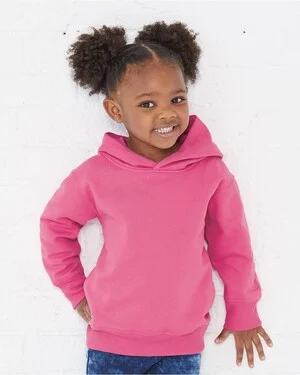




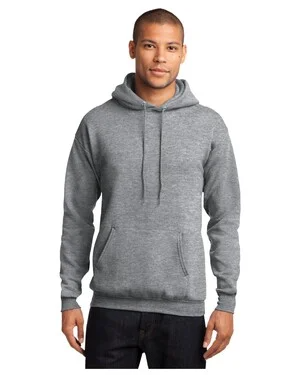











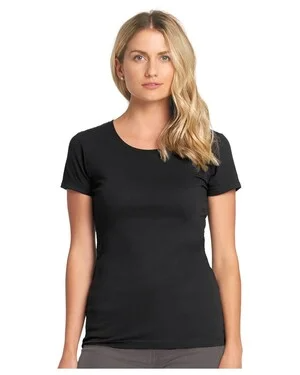
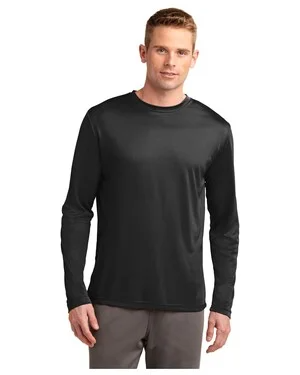









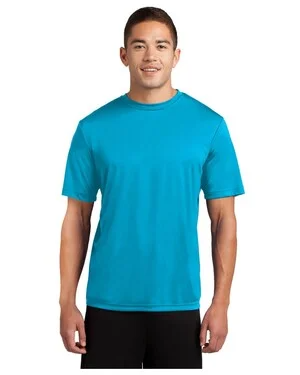

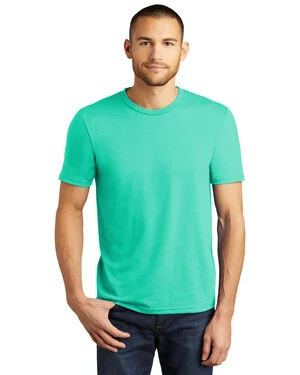



Get Custom Quote Now
Raw Material Sourcing in Blank Apparel Manufacturing
Everything starts with raw materials. The quality of blank clothing depends heavily on the fibers used during production.
Cotton Sourcing
Cotton remains one of the most common materials in blank apparel manufacturing. High-quality cotton creates softer, more breathable garments ideal for printing and everyday wear.
Popular cotton types include:
- Ringspun cotton
- Combed cotton
- Organic cotton
- Carded cotton
- Open-end cotton
Countries heavily involved in cotton production include:
- Pakistan
- India
- China
- United States
- Turkey
- Brazil
Pakistan plays a major role in global textile manufacturing because of its strong cotton industry. This is why many businesses source garments from Asian clothes wholesale suppliers UK networks connected to Pakistani manufacturers.
Polyester Sourcing
Polyester is widely used for sportswear, sublimation garments, and performance clothing.
Benefits include:
- Moisture-wicking
- Lightweight feel
- Durability
- Quick drying
- Wrinkle resistance
Products like bulk polyester shirts for sublimation rely heavily on high-quality polyester fibers for vibrant print compatibility.
Blended Fabrics
Many blank apparel products use cotton-poly blends because they combine comfort and durability.
Common blends include:
- 60/40 cotton polyester
- 50/50 cotton polyester
- Tri-blend fabrics
These materials are often used in:
- Retail fashion blanks
- Gym wear
- Promotional apparel
- Streetwear collections
Fabric selection directly impacts:
- Printing quality
- Garment shrinkage
- Color retention
- Customer satisfaction
- Production costs
Yarn Production and Fabric Manufacturing
Once raw fibers are sourced, the next stage is yarn manufacturing.
Spinning Process
Cotton or polyester fibers are cleaned, aligned, and spun into yarn. The yarn quality determines the final garment texture and durability.
Higher-quality yarn creates:
- Softer garments
- Better print surfaces
- Reduced pilling
- Improved durability
Lower-quality yarn can lead to:
- Rough texture
- Uneven dye absorption
- Faster wear and tear
Knitting and Weaving
Most blank apparel uses knitted fabrics rather than woven fabrics because knitted materials provide flexibility and comfort.
Popular knit types include:
- Jersey knit
- Interlock knit
- Fleece knit
- Rib knit
For example:
- Long sleeve t-shirt blanks often use jersey knit fabric
- Hoodies rely on fleece fabric
- Sportswear uses lightweight polyester knits
Fabric GSM Importance
GSM stands for grams per square meter and determines fabric thickness.
Typical ranges:
- 120–160 GSM: Lightweight t-shirts
- 180–220 GSM: Premium t-shirts
- 250–350 GSM: Hoodies and sweatshirts
Buyers looking for premium wholesale garments usually prefer higher GSM because it provides:
- Better durability
- Improved structure
- Higher perceived value
Dyeing and Fabric Finishing Processes
After fabric production, the material moves into dyeing and finishing facilities.
This stage dramatically affects the appearance and quality of blank apparel.
Dyeing Techniques
Popular dyeing methods include:
- Reactive dyeing
- Pigment dyeing
- Garment dyeing
- Discharge dyeing
Different techniques create different aesthetics.
For example:
- Vintage blanks use washed or faded dye methods
- Sportswear uses colorfast polyester dyeing
- Premium hoodies require deep reactive dye penetration
Products like vintage t-shirt blank depend heavily on specialized washing and finishing techniques to achieve a worn-in appearance.
Fabric Finishing
Finishing processes improve:
- Softness
- Shrink resistance
- Print compatibility
- Wrinkle resistance
Common finishing methods include:
- Enzyme wash
- Silicone wash
- Bio wash
- Anti-shrink treatment
- Moisture-wicking treatment
For performance garments like dri fit t-shirts bulk, finishing treatments are essential for athletic functionality.
Quality Testing During Finishing
Manufacturers test fabrics for:
- Colorfastness
- Shrinkage
- Fabric strength
- Dye consistency
- Wash durability
Skipping proper testing leads to customer complaints and product returns.
Garment Manufacturing and Apparel Assembly
Once fabrics are prepared, apparel production begins.
Pattern Making
Patterns determine garment shape and sizing consistency.
Manufacturers create patterns for:
- T-shirts
- Hoodies
- Sweatshirts
- Long sleeves
- Oversized fits
- Streetwear silhouettes
Consistency matters because wholesale buyers expect identical sizing across bulk orders.
Cutting Process
Fabric layers are spread and cut using:
- Manual cutting
- Automatic cutting machines
- Laser cutting systems
Accurate cutting reduces waste and improves garment consistency.
Sewing and Assembly
The cut panels move to stitching departments where garments are assembled.
Key stitching operations include:
- Shoulder joining
- Sleeve attachment
- Side seam stitching
- Rib attachment
- Hood assembly
- Pocket stitching
Products like plain hoodies for printing require durable stitching because printing businesses need garments that can handle repeated washing.
Hoodie Manufacturing Complexity
Hoodies are more complex than t-shirts because they involve:
- Drawstrings
- Kangaroo pockets
- Rib cuffs
- Rib waistband
- Double-layer hoods
- Heavy fleece fabrics
This is why wholesale hoodies usually cost more than basic t-shirts.
Quality Control in Apparel Manufacturing
Factories inspect garments for:
- Stitching defects
- Fabric flaws
- Color inconsistencies
- Incorrect sizing
- Loose threads
Strong quality control systems help reduce defective inventory.
Printing Compatibility in Blank Apparel Supply Chains
Not every blank garment works well for every printing method.
Supply chains must align garment construction with customization requirements.
Screen Printing Compatibility
Best fabrics for screen printing include:
- 100% cotton
- Ringspun cotton
- Cotton blends
Smooth surfaces produce cleaner prints.
Many businesses purchasing plain t-shirts in bulk wholesale prioritize screen-print-friendly materials.
Sublimation Compatibility
Sublimation requires polyester garments.
High polyester content ensures:
- Vibrant colors
- Long-lasting prints
- Wash durability
This is why bulk polyester shirts for sublimation remain popular for sportswear and event merchandise.
Embroidery Compatibility
Embroidery works best on:
- Heavyweight hoodies
- Sweatshirts
- Structured fabrics
Products like blank hooded sweatshirts wholesale are commonly used for embroidery branding.
DTG Printing Compatibility
Direct-to-garment printing performs best on:
- Soft cotton fabrics
- Smooth surfaces
- Combed ringspun cotton
DTG businesses prefer premium blank garments with tight knit construction.
Warehousing and Inventory Management
Once garments are manufactured, they move into warehouses.
Inventory management is one of the most important parts of the blank apparel supply chain.
Why Warehousing Matters
Wholesale buyers need:
- Fast delivery
- Stock consistency
- Multiple color options
- Large quantity availability
A poor warehouse system creates:
- Shipping delays
- Stockouts
- Order mistakes
- Lost inventory
Inventory Forecasting
Successful suppliers forecast demand based on:
- Seasonal trends
- Fashion demand
- Regional buying patterns
- Historical sales data
For example:
- Hoodies peak during winter
- Lightweight tees peak during summer
- White blanks sell year-round
Products like white blank hoodie often maintain steady demand because they are widely used for printing and fashion branding.
SKU Management
Blank apparel suppliers manage thousands of SKUs based on:
- Sizes
- Colors
- Fits
- Fabric types
- Styles
A single hoodie style may include:
- 8 sizes
- 15 colors
- Multiple fabric weights
Efficient inventory systems help maintain accurate stock visibility.
Global Shipping and International Distribution
Modern blank apparel businesses serve international customers.
This makes logistics and global distribution critical.
International Shipping Methods
Blank apparel suppliers use:
- Air freight
- Sea freight
- Express courier shipping
- Regional distribution networks
Shipping choice depends on:
- Order urgency
- Budget
- Order volume
- Destination country
Customs and Import Regulations
International apparel shipments require:
- Customs documentation
- HS codes
- Commercial invoices
- Country-of-origin labeling
Failure to comply causes shipment delays and additional costs.
Regional Distribution Hubs
Large suppliers use regional warehouses to reduce delivery times.
This benefits customers in:
- UK
- USA
- Canada
- Australia
- UAE
Businesses sourcing from wholesale hoodies Pakistan suppliers often rely on export logistics systems to serve international markets.
Last-Mile Delivery
The final step involves local courier delivery.
Fast last-mile delivery improves customer satisfaction and repeat purchasing.
Reliable suppliers optimize:
- Packaging
- Courier partnerships
- Tracking systems
- Return handling
Role of Pakistan in the Blank Apparel Supply Chain
Pakistan is one of the leading textile manufacturing countries in the world.
Its textile industry supports:
- Cotton production
- Fabric manufacturing
- Garment assembly
- Export operations
Why Pakistan Is Important
Pakistan offers:
- Competitive manufacturing costs
- Skilled textile labor
- Strong cotton supply
- Large production capacity
This makes it attractive for wholesale apparel sourcing.
Lahore as a Textile Hub
Lahore has become a major apparel manufacturing and distribution center.
Businesses sourcing from wholesale hoodies Lahore suppliers often benefit from:
- Faster manufacturing
- Local textile expertise
- Better customization support
- Access to export logistics
Export Advantages
Pakistani apparel exporters supply:
- Streetwear brands
- Corporate apparel companies
- Sportswear businesses
- Promotional merchandise companies
The country continues expanding its role in global fashion supply chains.
Sustainability in the Blank Apparel Supply Chain
Sustainability has become increasingly important in apparel manufacturing.
Consumers now expect environmentally responsible production.
Sustainable Material Sourcing
Manufacturers are shifting toward:
- Organic cotton
- Recycled polyester
- Low-impact dyes
- Eco-friendly packaging
These materials reduce environmental impact.
Water Consumption Challenges
Textile production consumes large amounts of water.
Sustainable factories use:
- Water recycling systems
- Low-water dyeing methods
- Chemical treatment facilities
Ethical Labor Practices
Responsible supply chains prioritize:
- Fair wages
- Worker safety
- Ethical factory standards
- Compliance certifications
Brands increasingly evaluate suppliers based on ethical manufacturing standards.
Sustainable Packaging
Many apparel companies now use:
- Recyclable packaging
- Biodegradable poly bags
- Reduced plastic usage
Sustainability can improve brand reputation while meeting modern customer expectations.
Technology Transforming Blank Apparel Supply Chains
Technology continues reshaping the apparel industry.
ERP Systems
Enterprise resource planning systems help suppliers manage:
- Inventory
- Orders
- Warehousing
- Shipping
- Production schedules
ERP software improves operational efficiency.
Automation in Manufacturing
Modern factories use:
- Automated cutting systems
- Robotic fabric spreading
- Digital pattern grading
Automation reduces production errors and labor inefficiencies.
AI and Demand Forecasting
Artificial intelligence helps suppliers predict:
- Seasonal demand
- Popular colors
- Trending fits
- Inventory needs
Better forecasting reduces overproduction and stock shortages.
Digital Supply Chain Visibility
Modern businesses expect real-time visibility into:
- Production timelines
- Shipping status
- Warehouse inventory
- Order tracking
Transparent supply chains improve customer trust.
Common Supply Chain Challenges in Blank Apparel
Even established suppliers face operational challenges.
Raw Material Price Fluctuations
Cotton prices can change due to:
- Weather conditions
- Global demand
- Trade policies
- Fuel costs
These fluctuations affect garment pricing.
Shipping Delays
Global logistics disruptions may result from:
- Port congestion
- Customs inspections
- Fuel price increases
- Political instability
Reliable suppliers create backup logistics strategies.
Inventory Imbalances
Overstocking leads to:
- Higher storage costs
- Unsold inventory
- Cash flow issues
Understocking causes:
- Missed sales
- Delayed orders
- Customer dissatisfaction
Quality Inconsistencies
Poor factory oversight can lead to:
- Uneven sizing
- Color mismatches
- Defective stitching
Strong quality control systems help maintain consistency.
How Businesses Benefit from Understanding the Supply Chain
Understanding the blank apparel supply chain helps businesses make smarter purchasing decisions.
Better Product Selection
Buyers can choose garments based on:
- Fabric quality
- Printing compatibility
- Durability
- Customer preferences
Improved Cost Management
Understanding sourcing and logistics helps businesses:
- Reduce unnecessary expenses
- Plan inventory better
- Optimize order quantities
Stronger Supplier Relationships
Businesses that understand manufacturing processes communicate more effectively with suppliers.
This improves:
- Production planning
- Custom order management
- Lead time coordination
Faster Brand Growth
Reliable supply chains allow businesses to:
- Scale faster
- Launch collections consistently
- Maintain customer satisfaction
This is especially important for growing apparel brands and merchandise companies.
Why Unikaas Focuses on Reliable Blank Apparel Supply Chains
A strong supply chain is one of the biggest competitive advantages in wholesale apparel.
At Unikaas, the focus extends beyond simply selling garments. The goal is to provide dependable sourcing, consistent quality, scalable inventory management, and efficient delivery systems for businesses worldwide.
Whether customers need:
- Gildan t-shirts bulk
- Purchase shirts in bulk
- Wholesale hoodies
- Long sleeve t-shirt blanks
- Dri fit t-shirts bulk
the supply chain behind those products directly impacts reliability and business success.
Modern apparel businesses need:
- Stable inventory
- Fast fulfillment
- Consistent quality
- International shipping support
- Flexible bulk ordering
A reliable supply chain makes all of that possible.
Final Thoughts on the Blank Apparel Supply Chain
The blank apparel supply chain is far more complex than most people realize. Every t-shirt, hoodie, sweatshirt, or polyester performance garment passes through multiple stages before reaching wholesale buyers.
From cotton farms and yarn mills to dye houses, stitching facilities, warehouses, and international shipping systems, each stage affects product quality, pricing, and customer satisfaction.
Businesses that understand these systems gain major advantages in:
- Inventory planning
- Product sourcing
- Cost management
- Brand growth
- Customer retention
As the apparel industry continues evolving, supply chains will become even more technology-driven, sustainable, and globally connected.
For businesses looking to scale in fashion, merchandise, printing, or wholesale apparel, working with reliable suppliers like Unikaas can provide access to dependable blank apparel sourcing backed by efficient manufacturing and distribution systems.
