
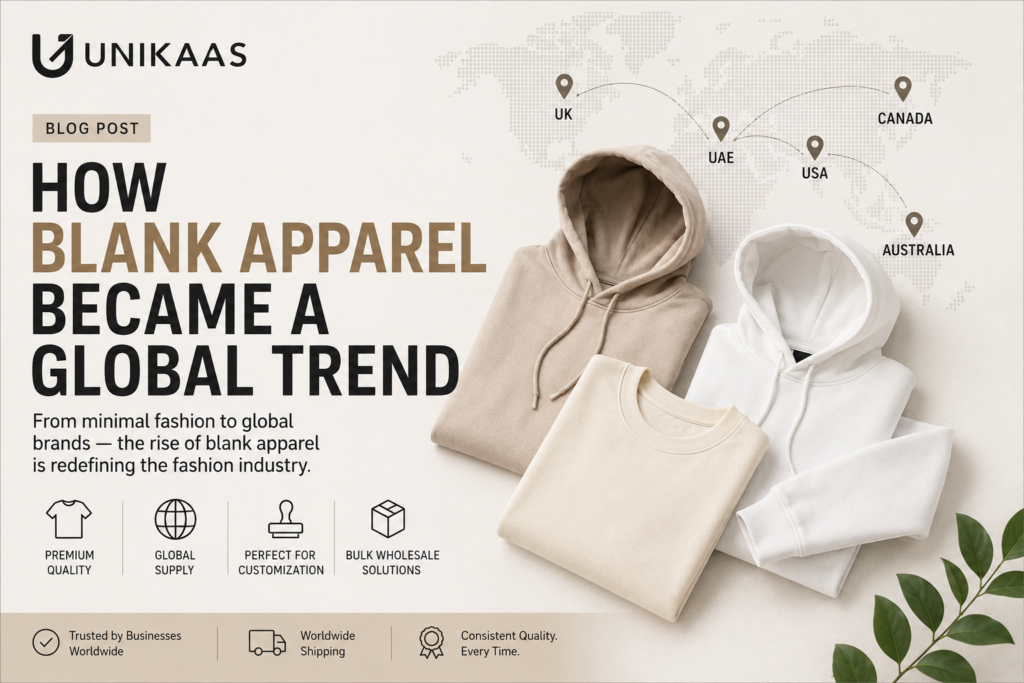
Blank apparel has transformed from a basic clothing category into one of the biggest movements in modern fashion, streetwear, merchandise branding, and retail manufacturing. What was once considered simple plain clothing is now the foundation of billion-dollar fashion businesses, custom merchandise brands, sportswear collections, startup labels, influencer products, and promotional campaigns across the world.
From oversized hoodies to minimalist t-shirts, blank apparel is now everywhere. Whether you walk through fashion districts in New York, browse online stores in the UK, explore wholesale markets in Pakistan, or look at influencer merchandise in Australia and Canada, you will notice one thing — blank clothing dominates modern fashion.
Today, businesses, startups, clothing brands, gyms, schools, creators, and ecommerce stores rely heavily on blank apparel because it offers flexibility, affordability, and scalability. Companies can easily customize blank garments with printing, embroidery, sublimation, or branding while keeping production costs manageable.
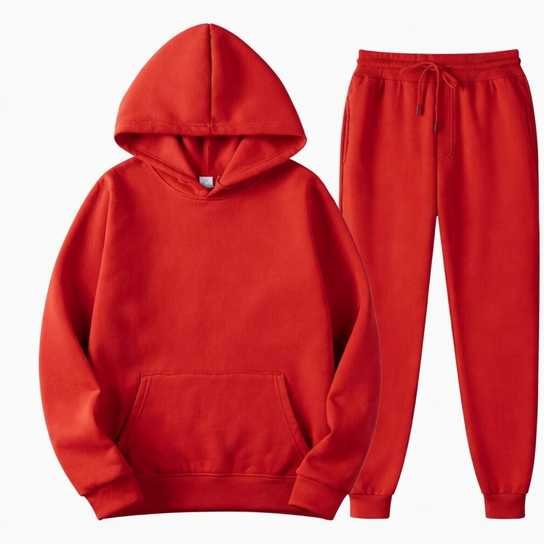
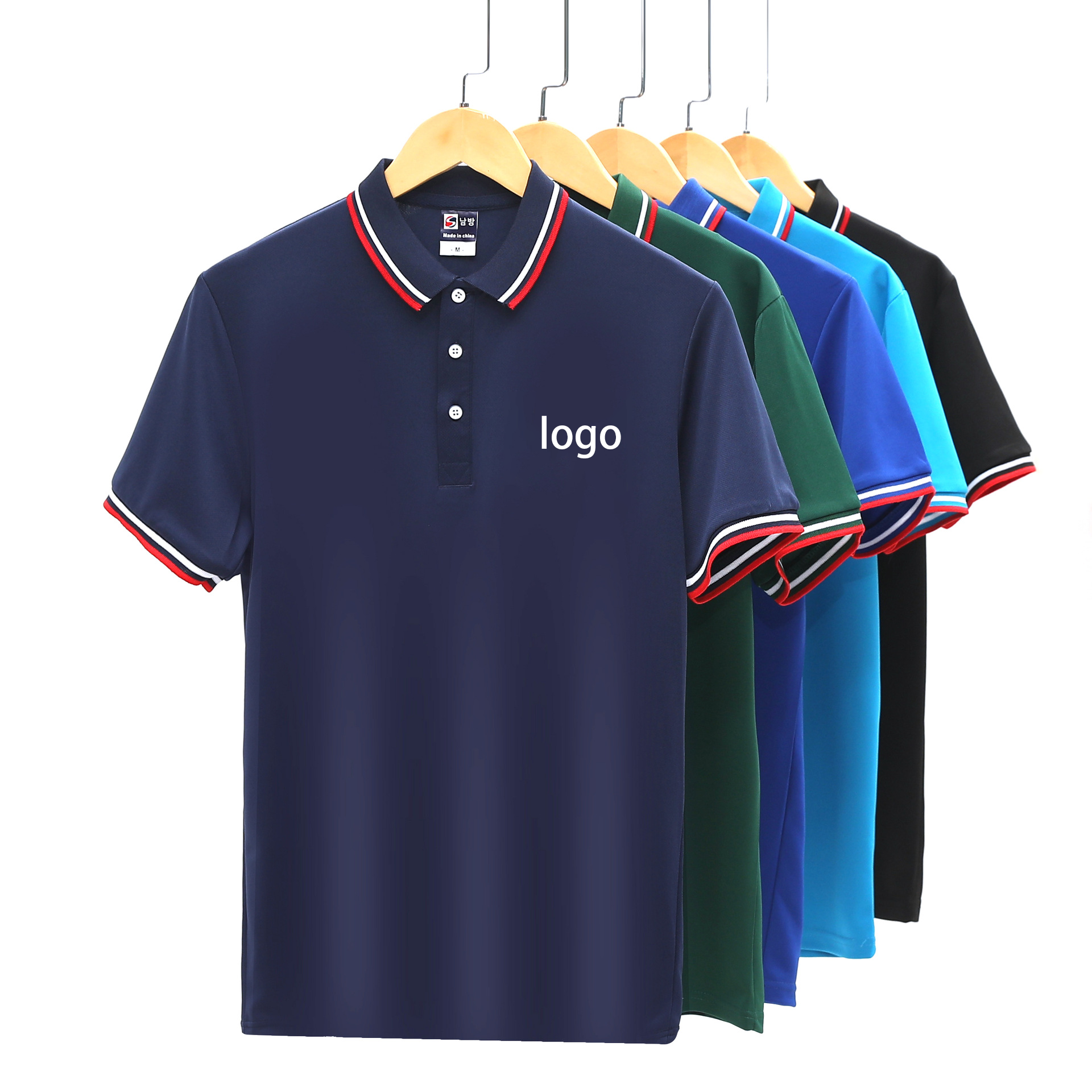
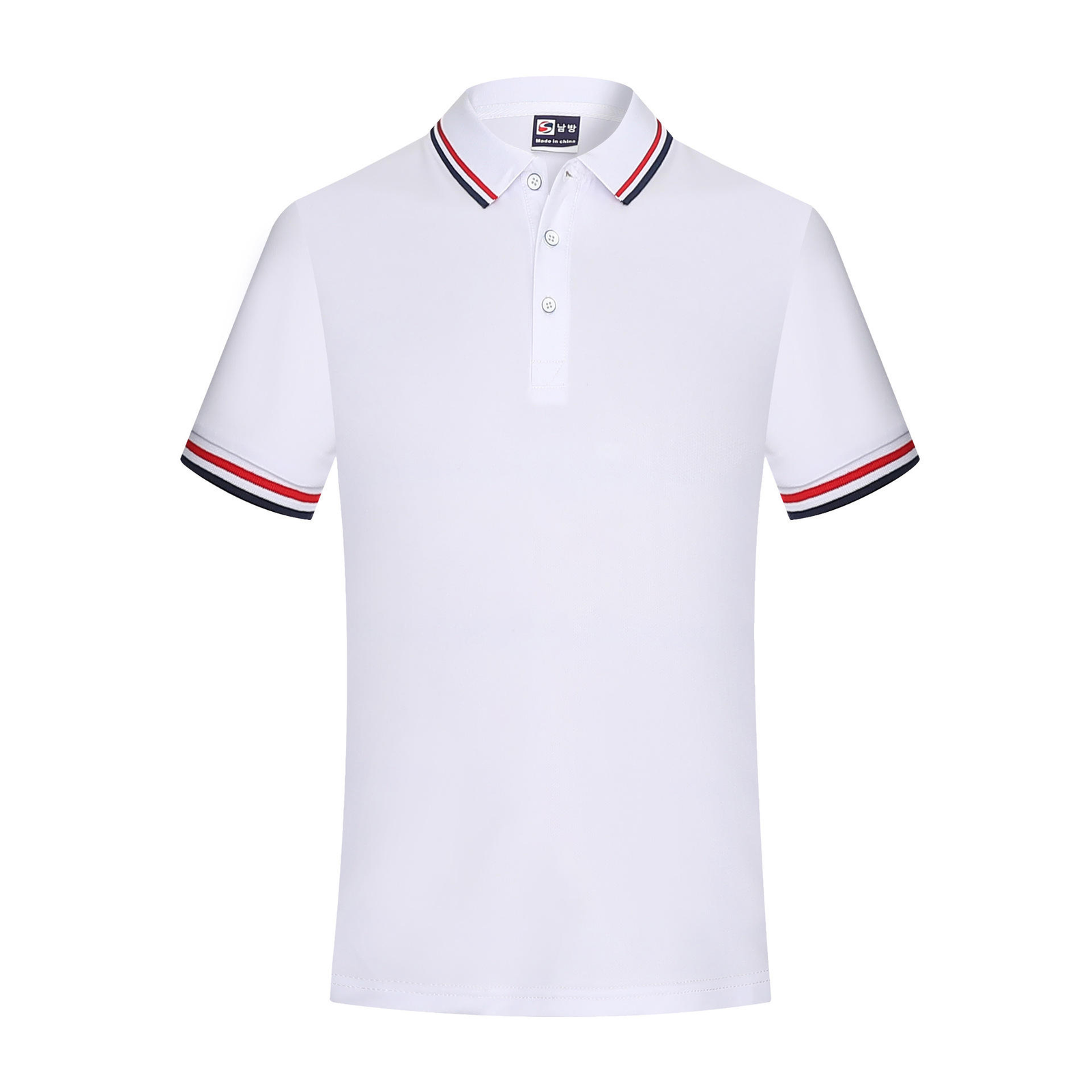
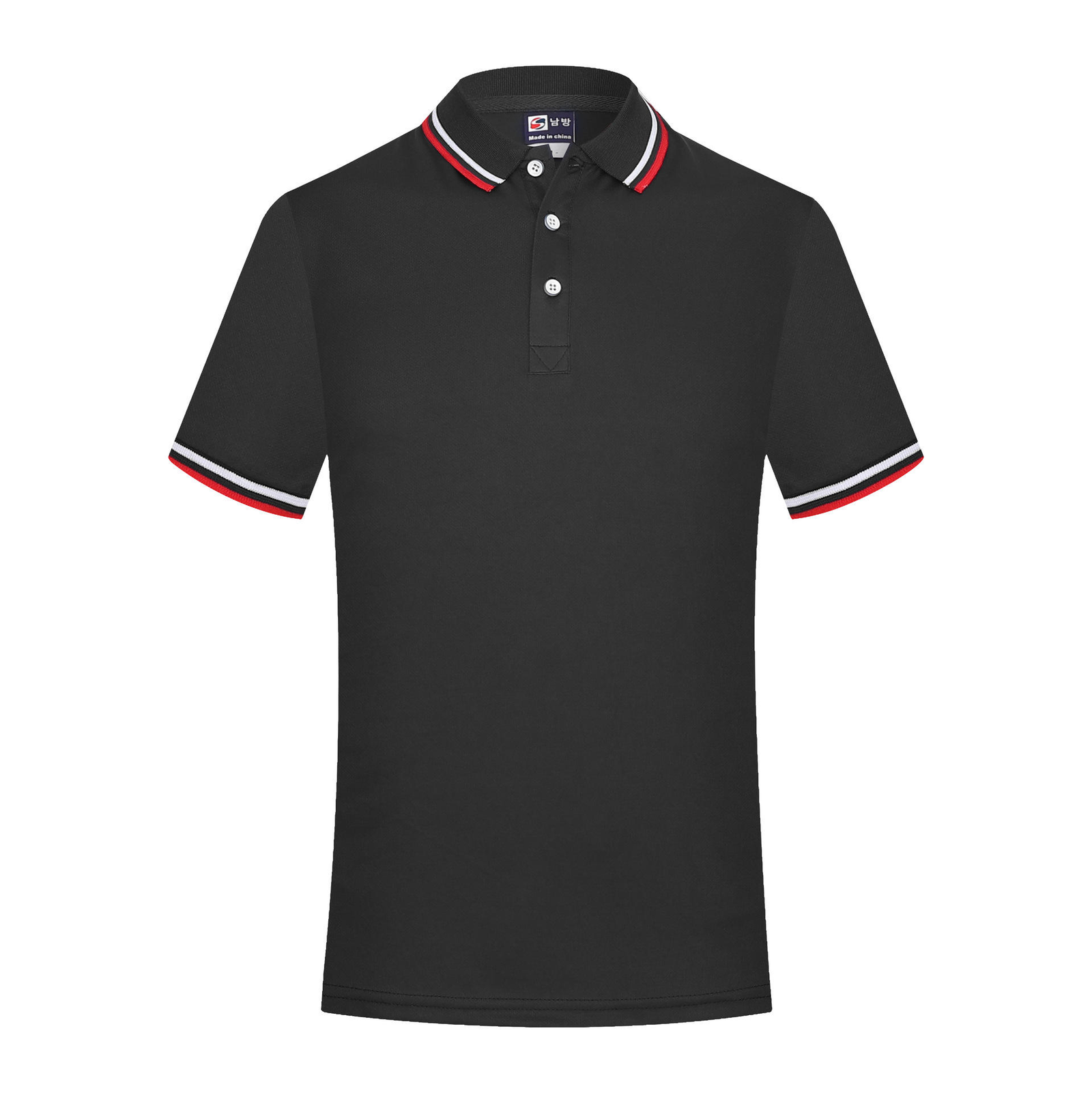
This global trend has also created massive demand for suppliers offering wholesale t-shirts, wholesale hoodies, and premium-quality blank garments for printing and customization.
As the fashion industry continues to shift toward minimalism, personalization, and private labeling, blank apparel has become more than a trend — it has become a global business model.

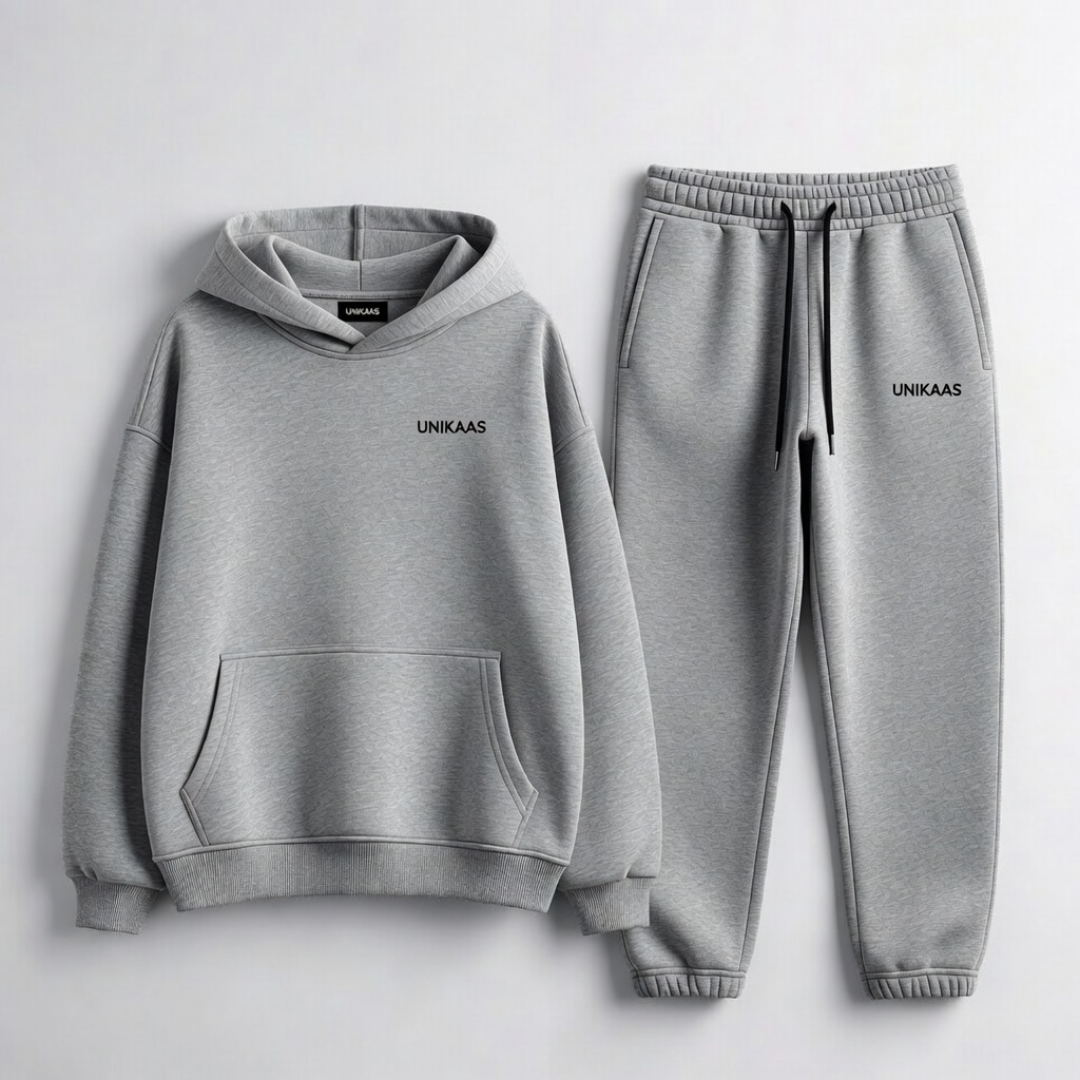
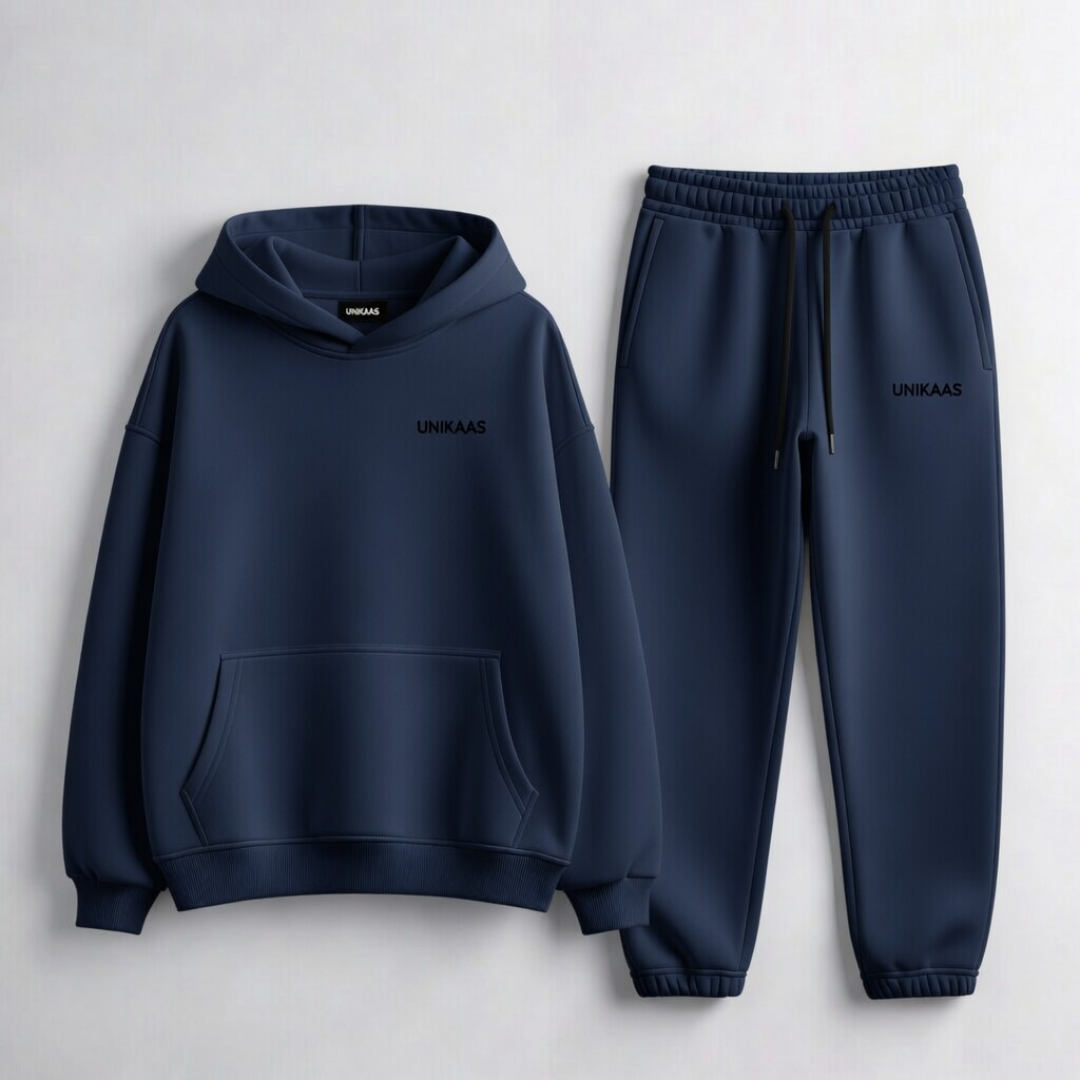
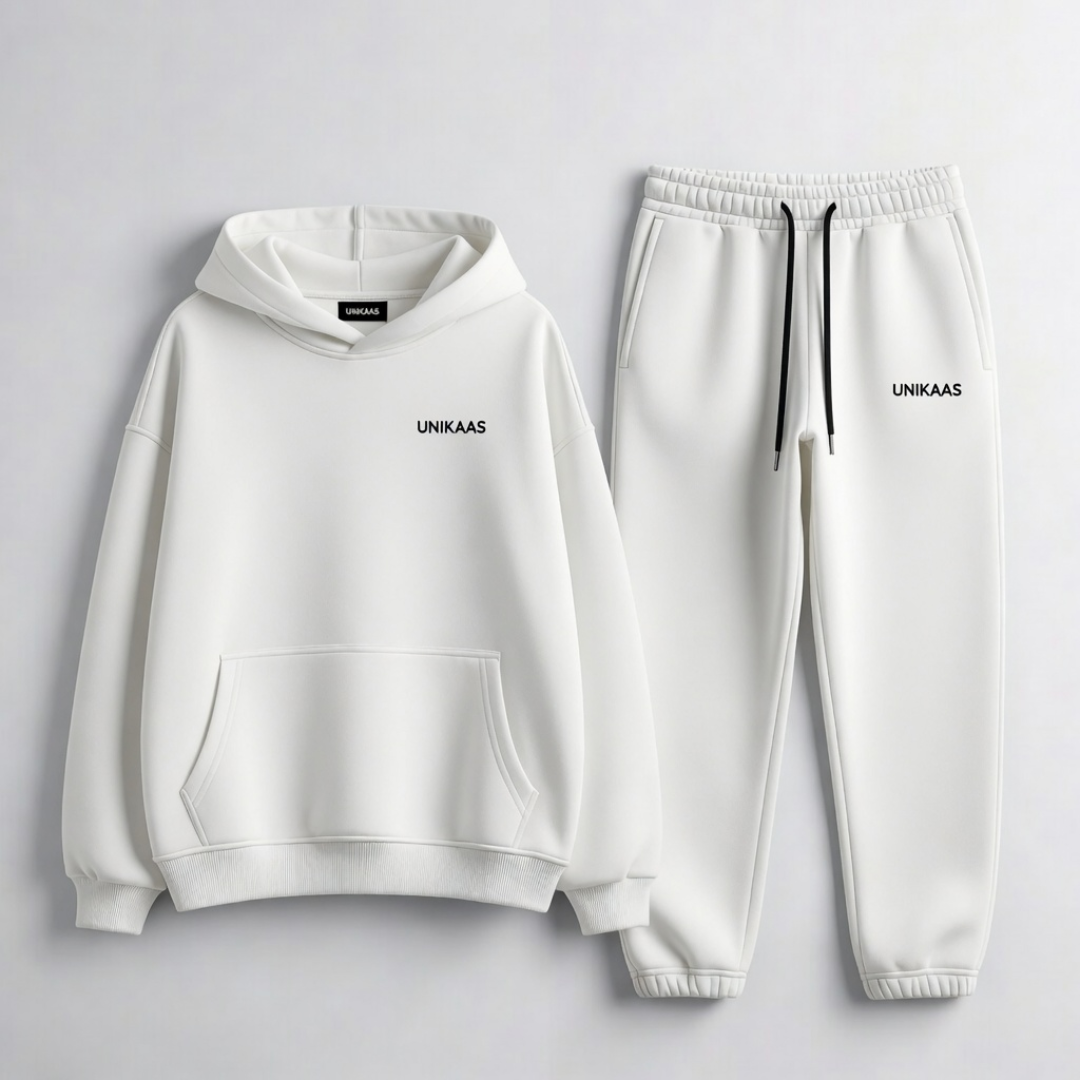
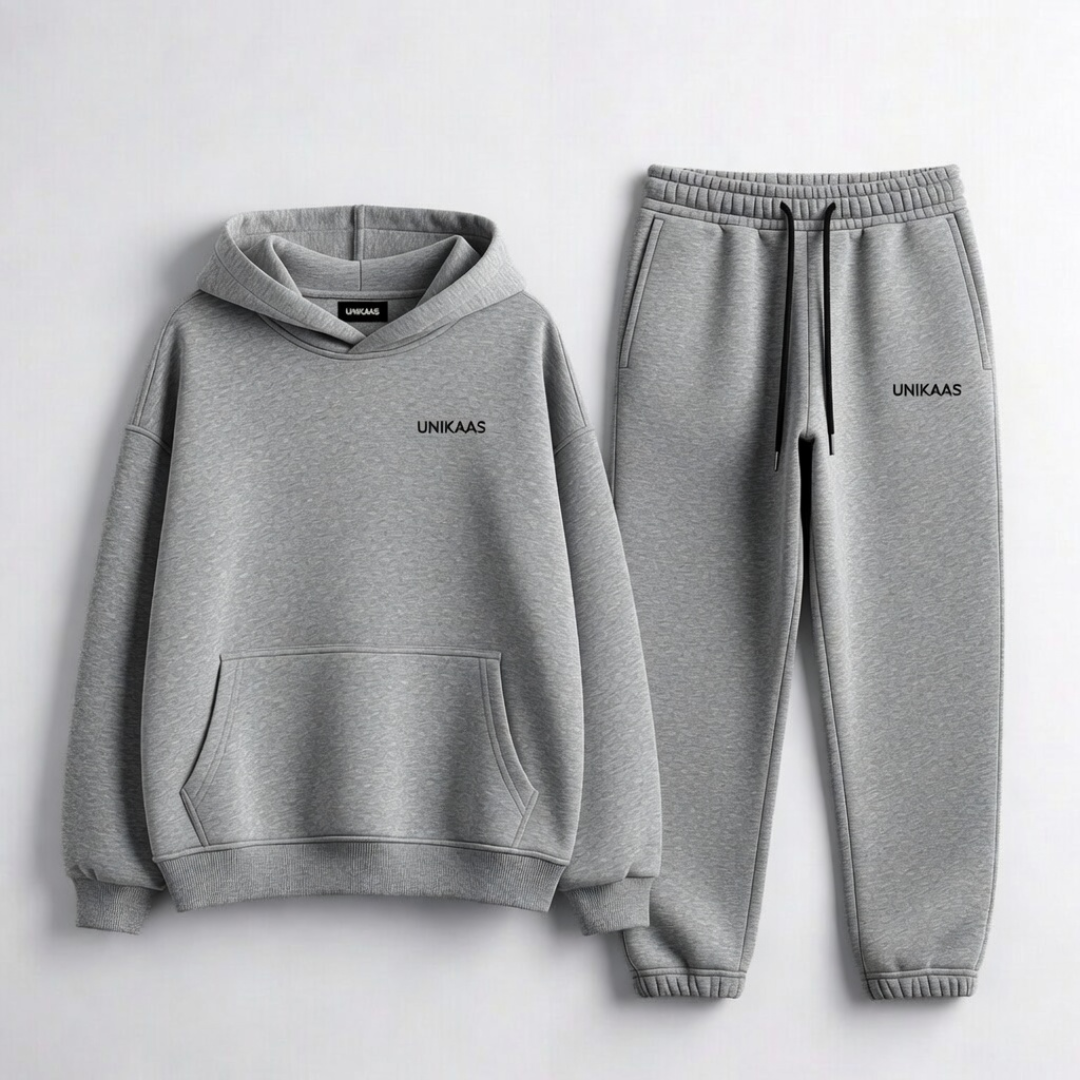
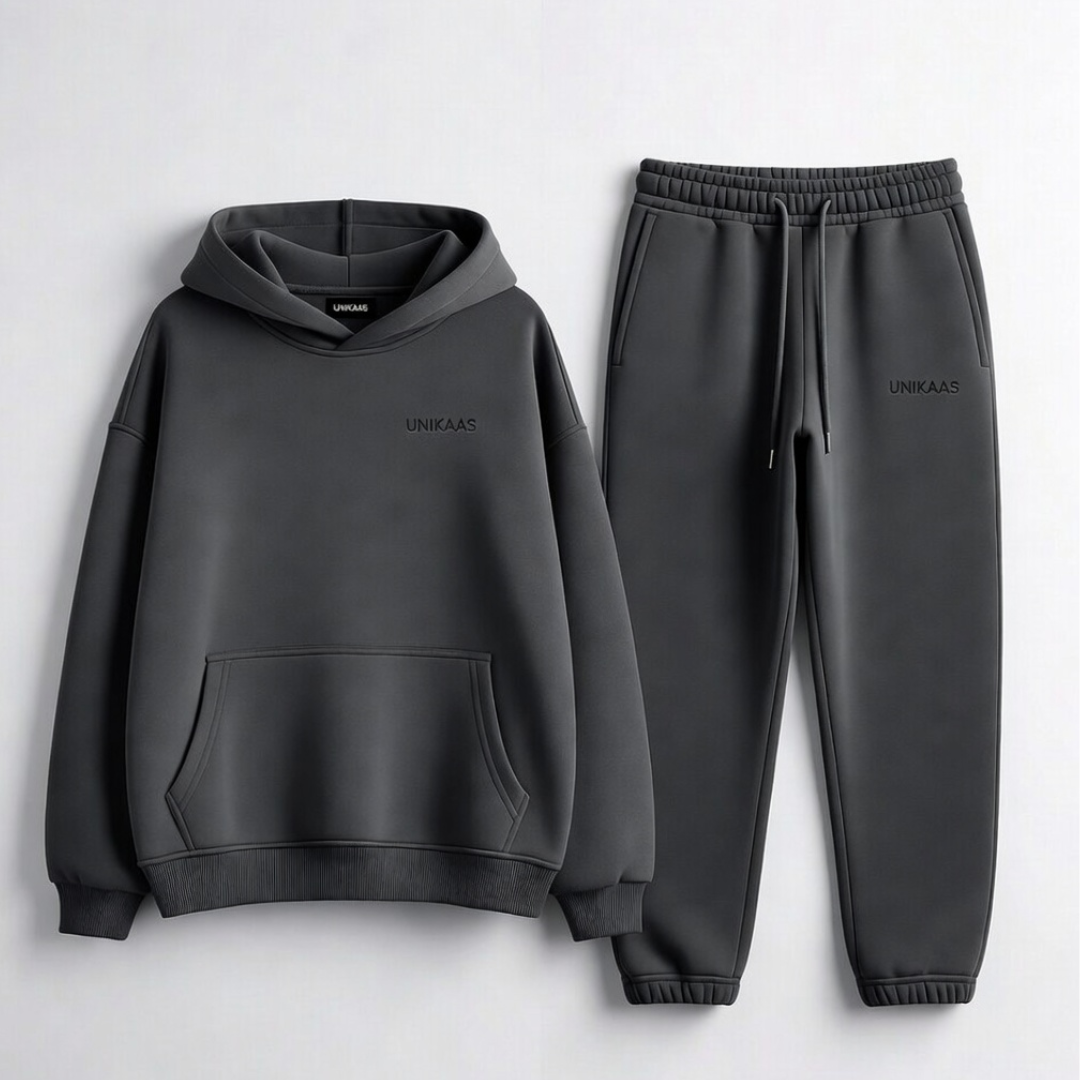
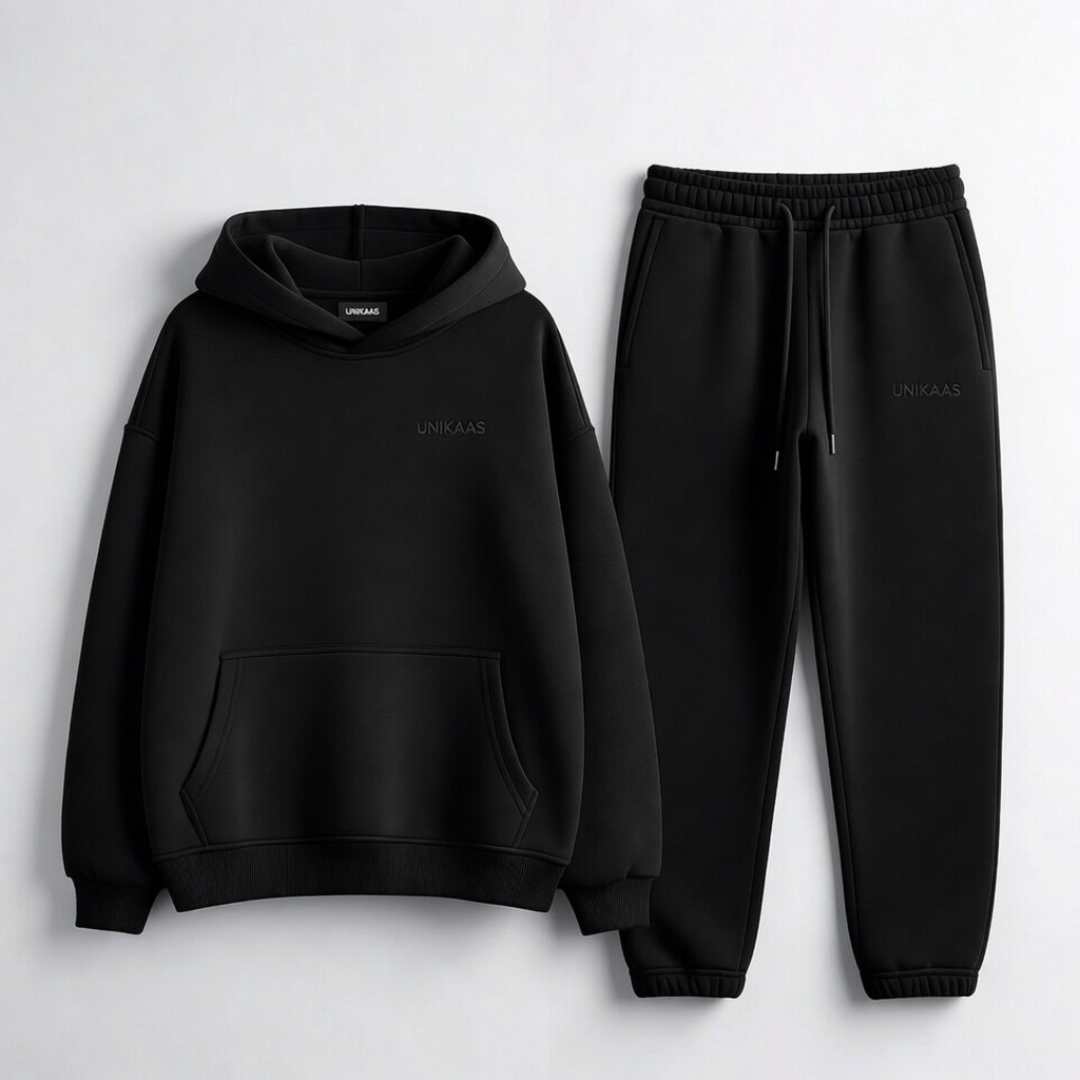
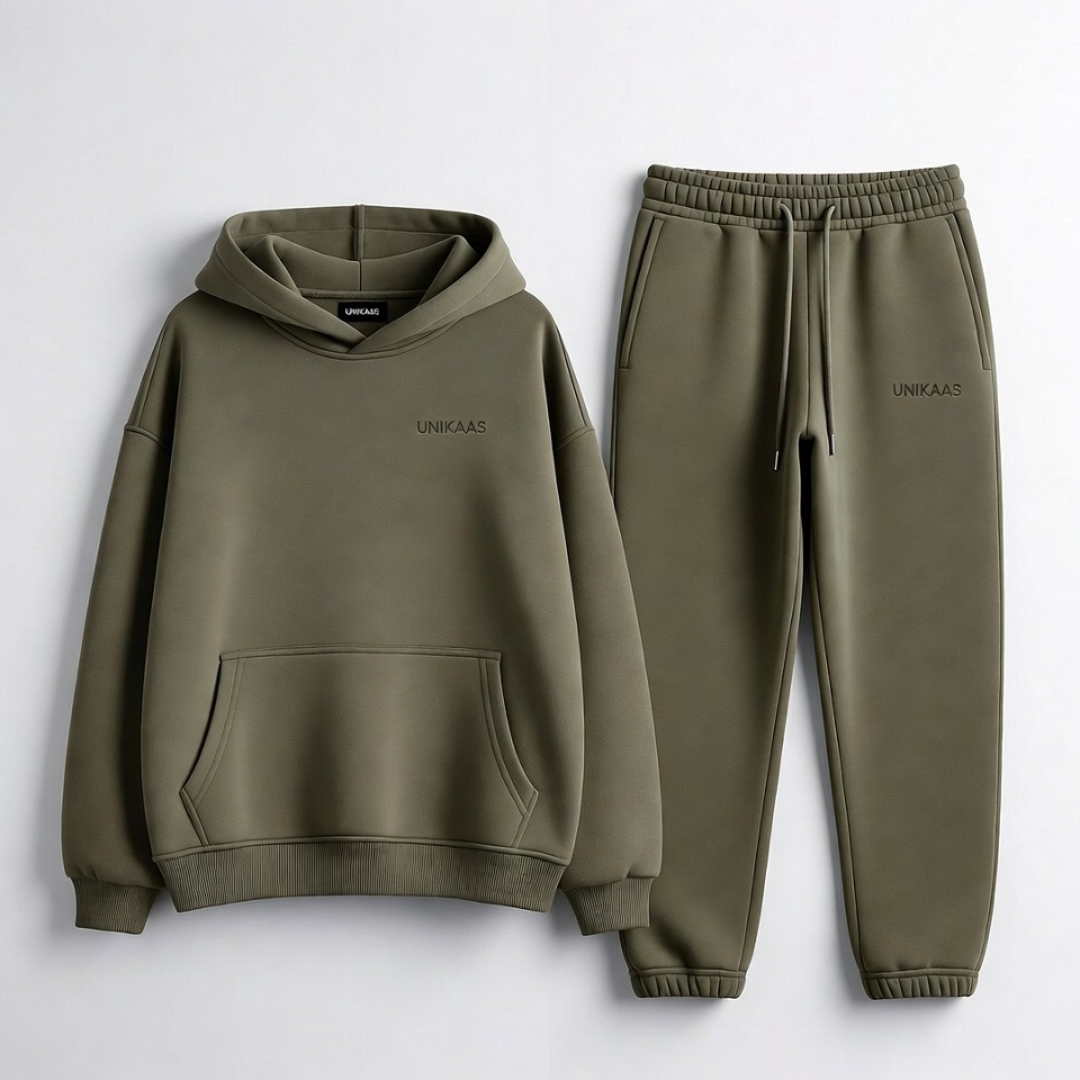
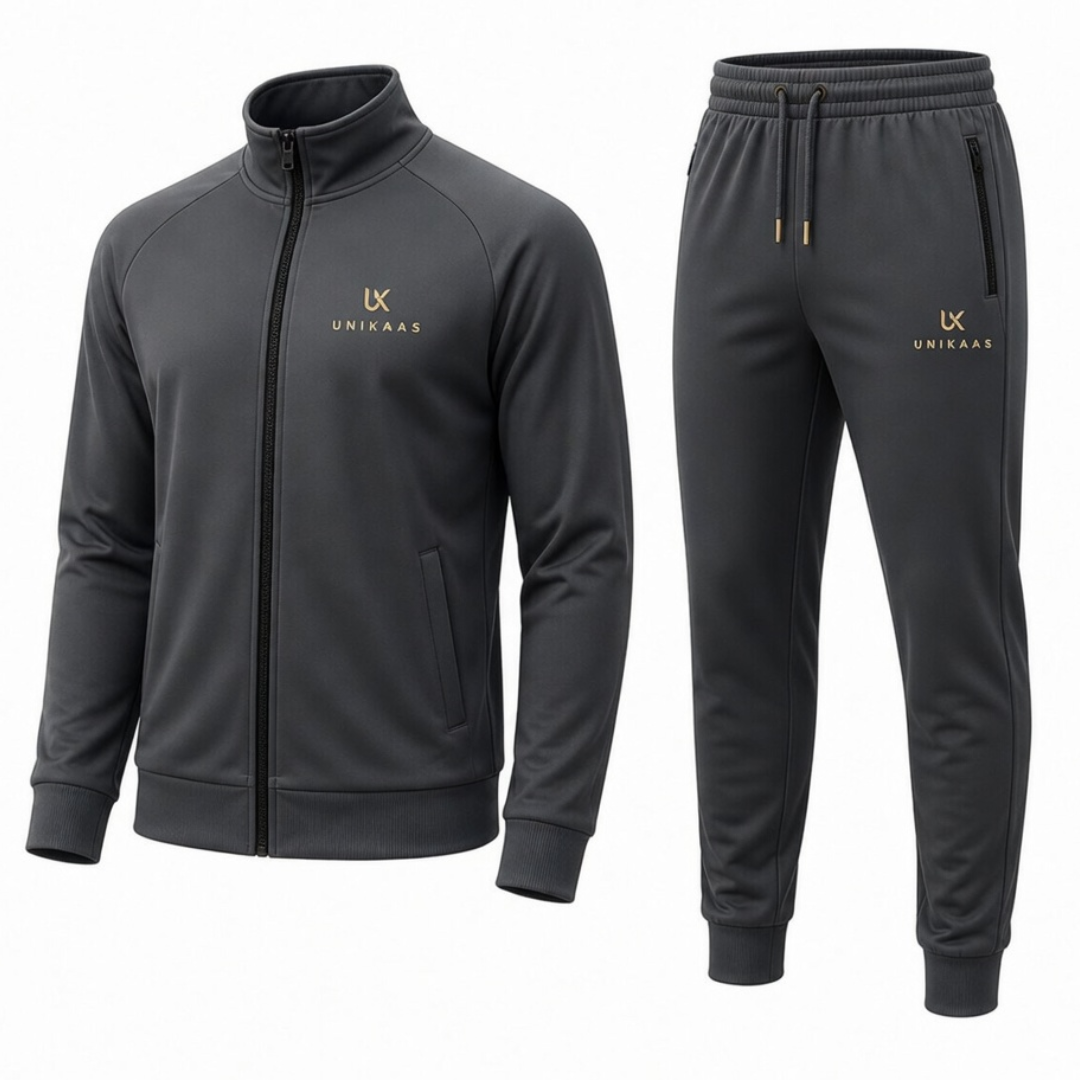
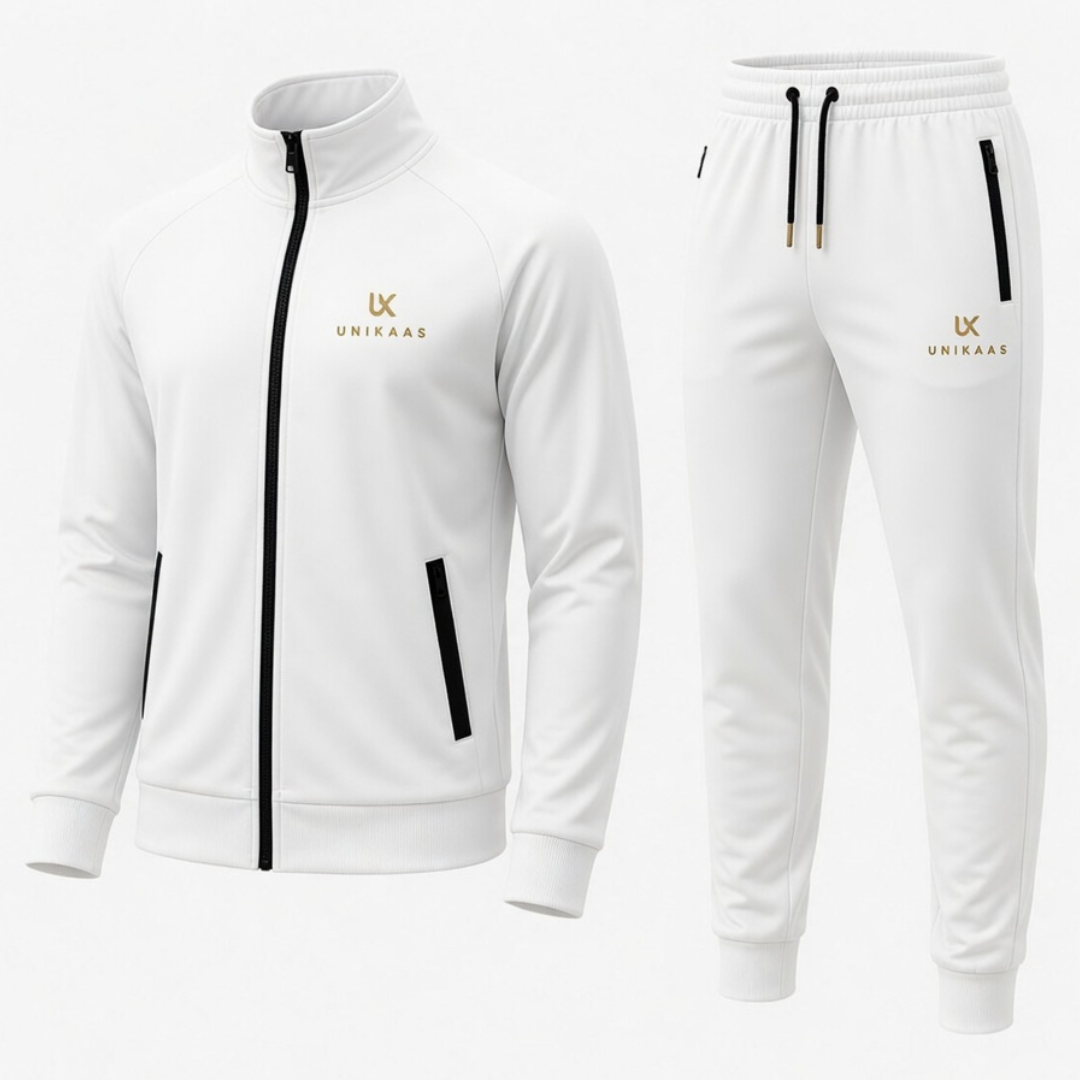
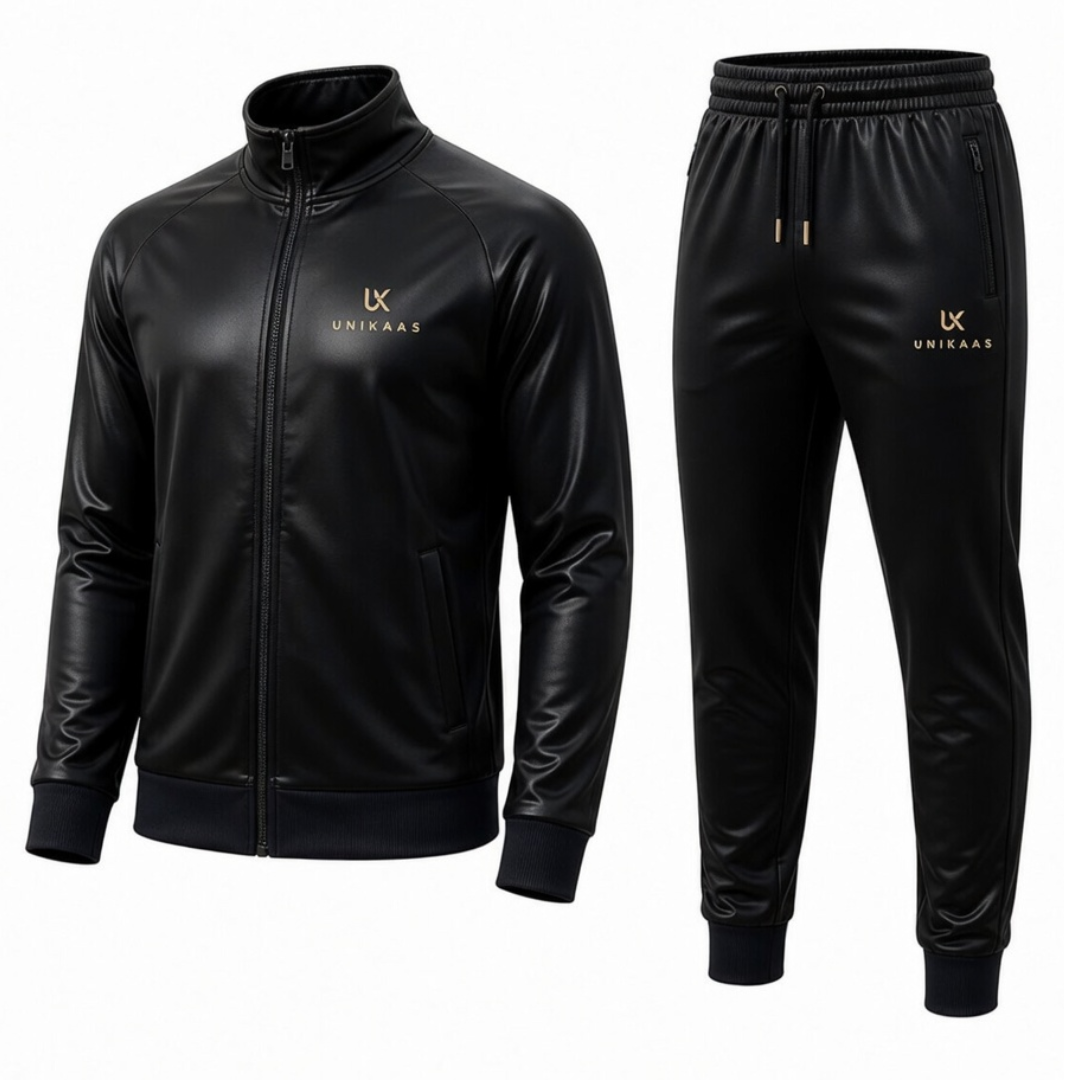
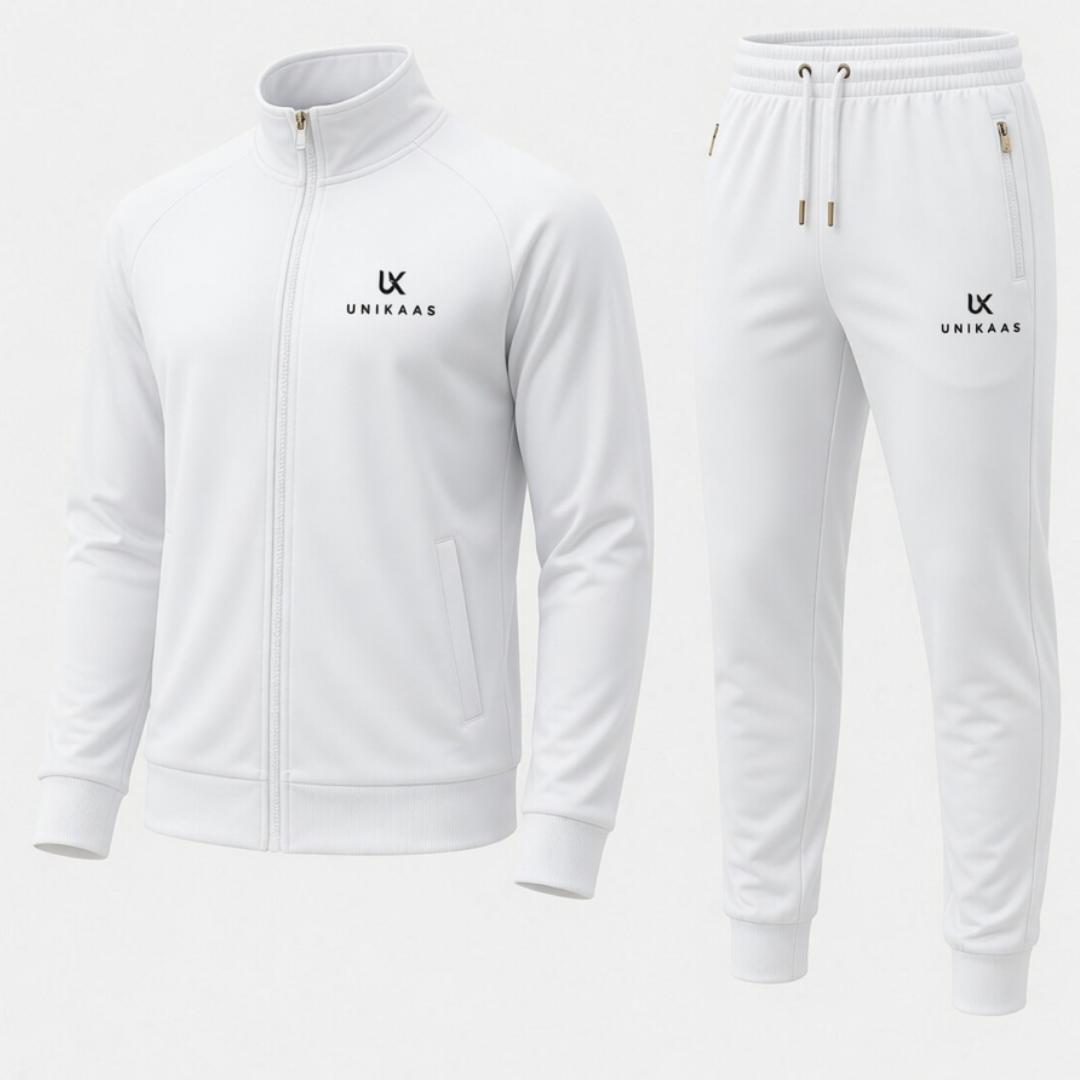
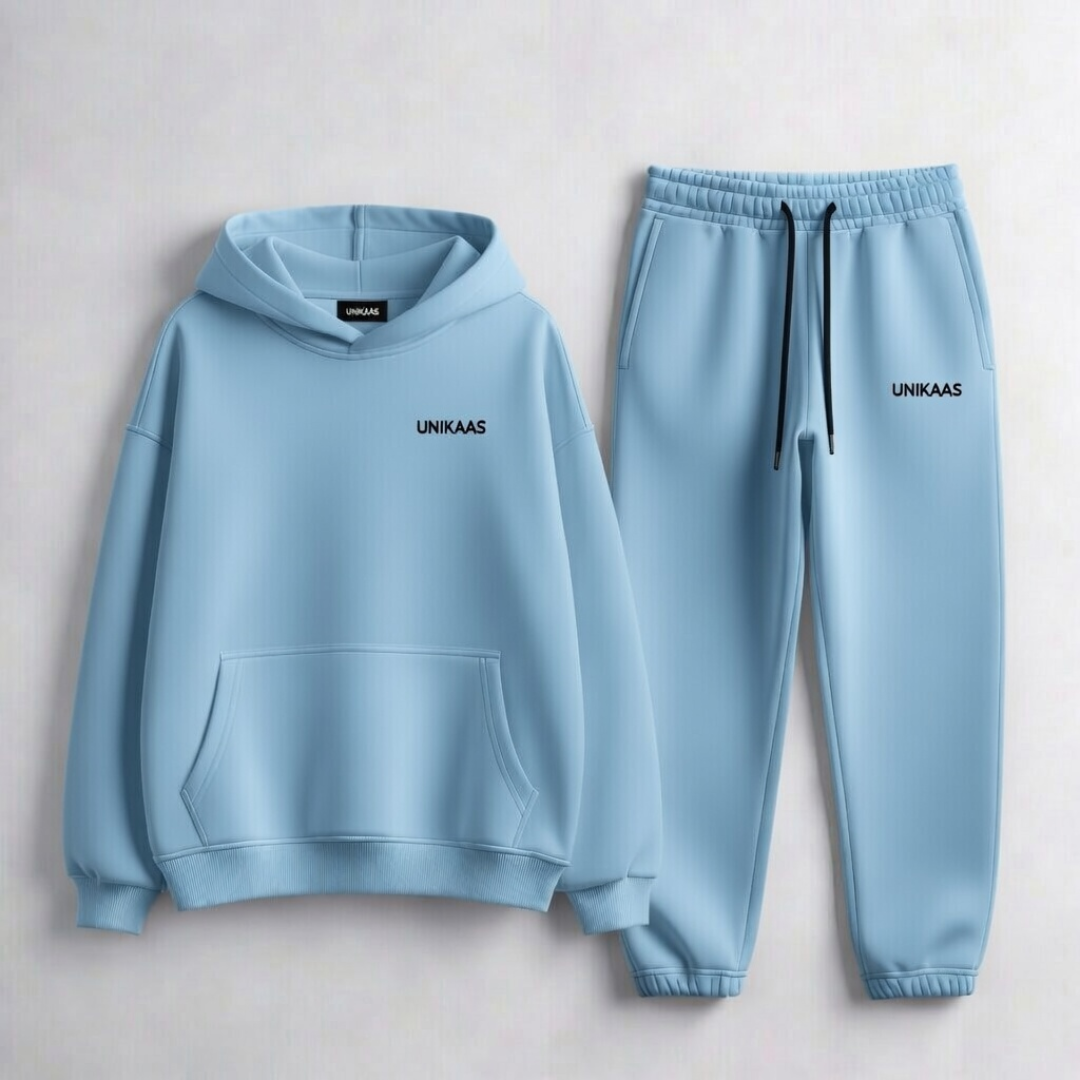
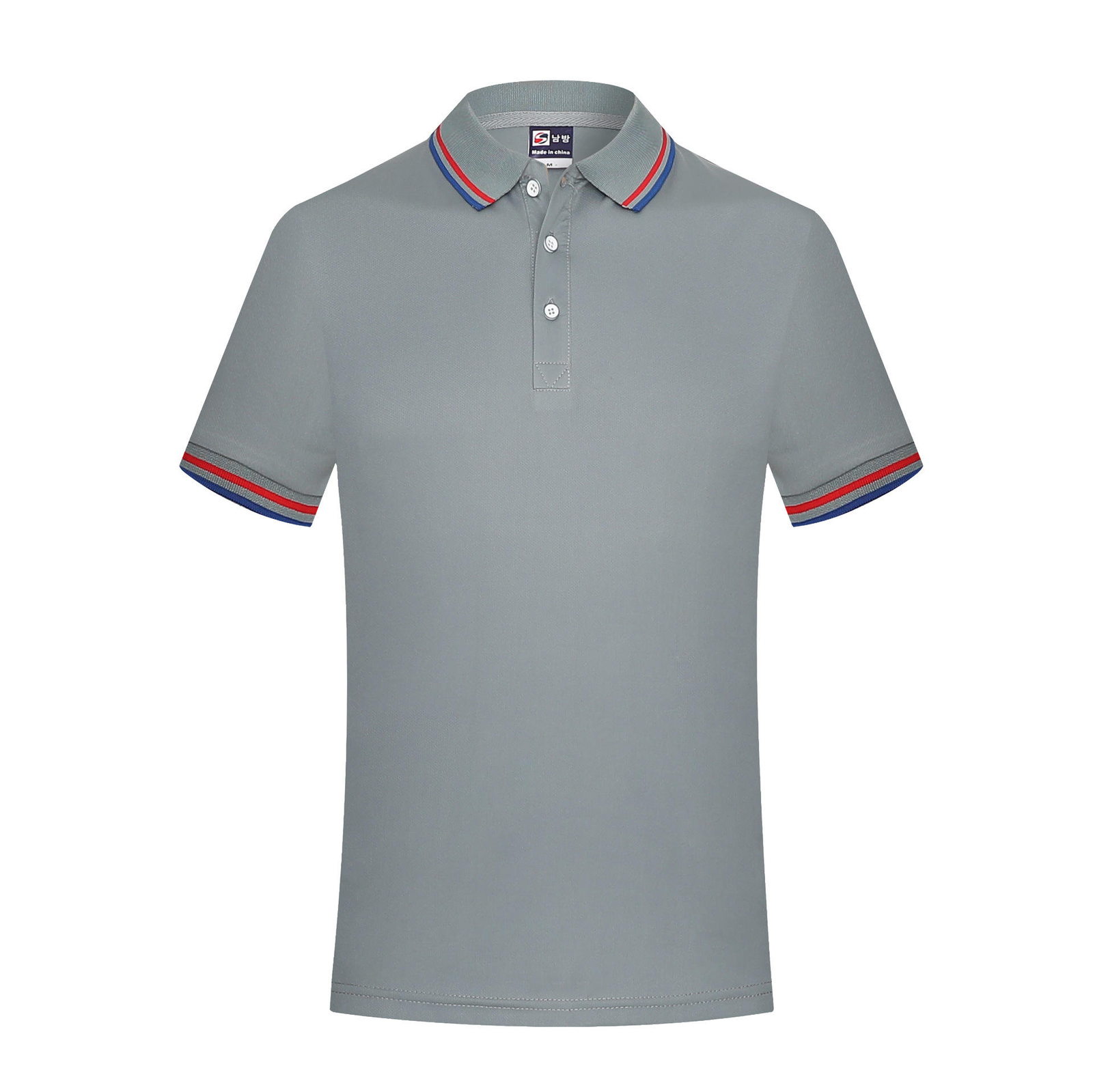
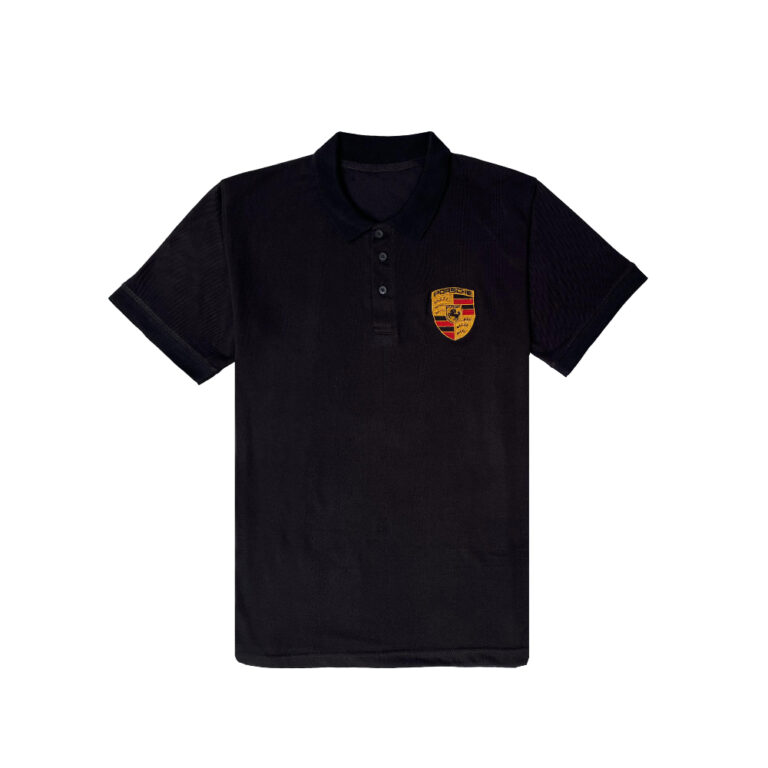
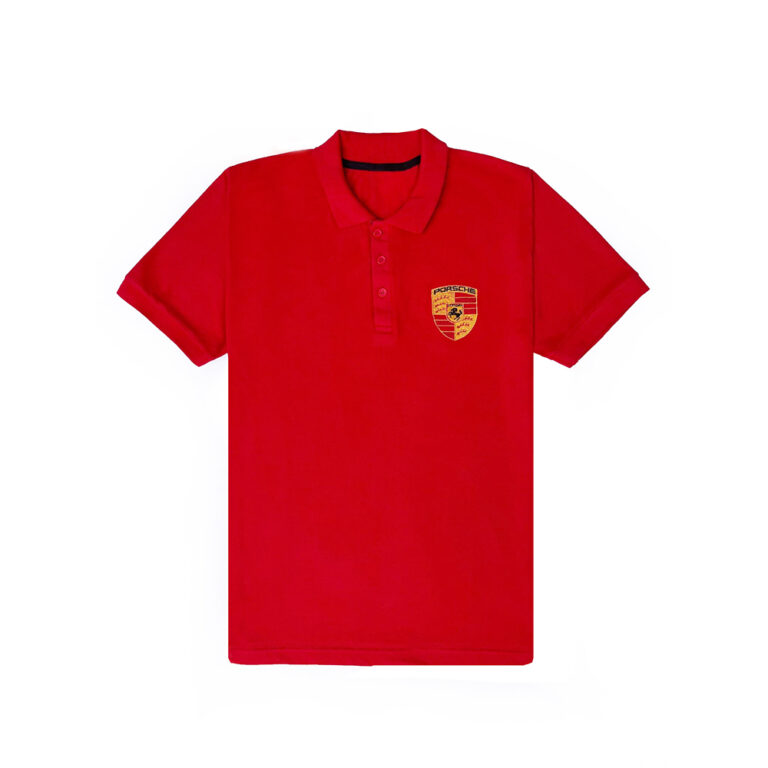
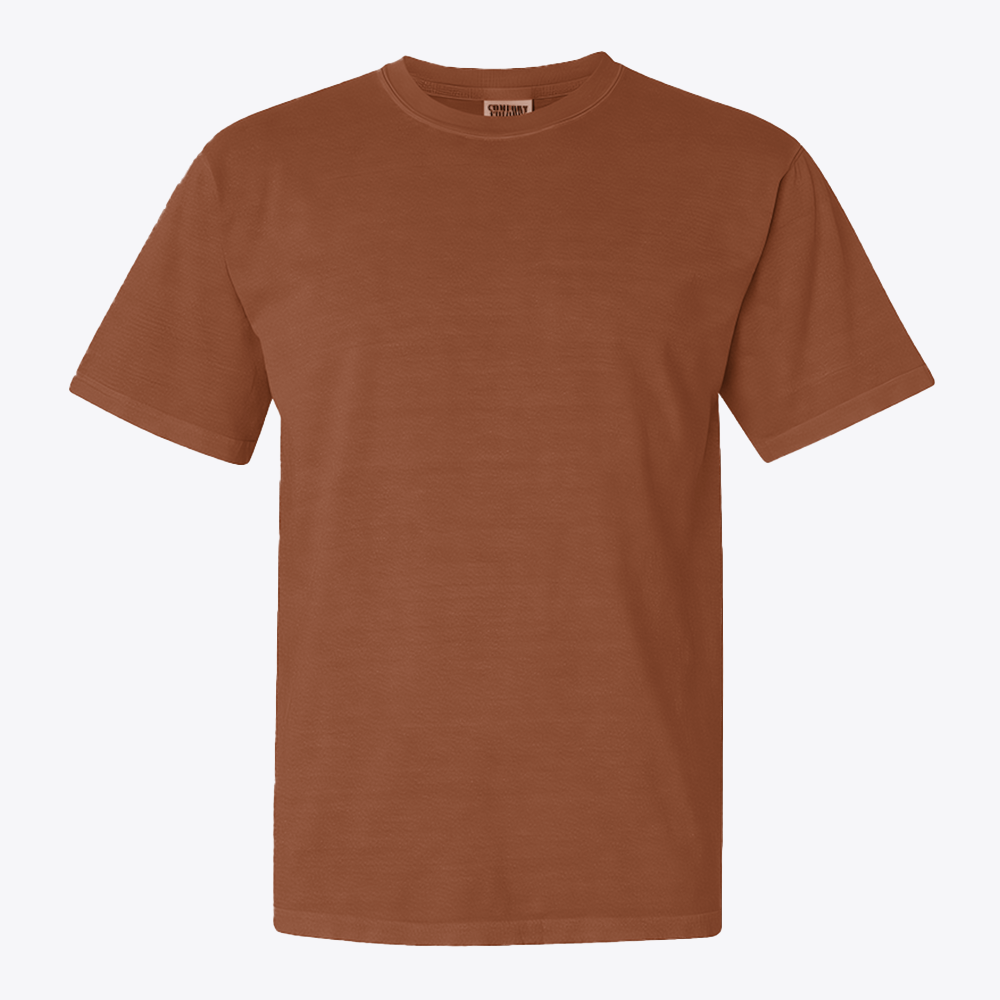
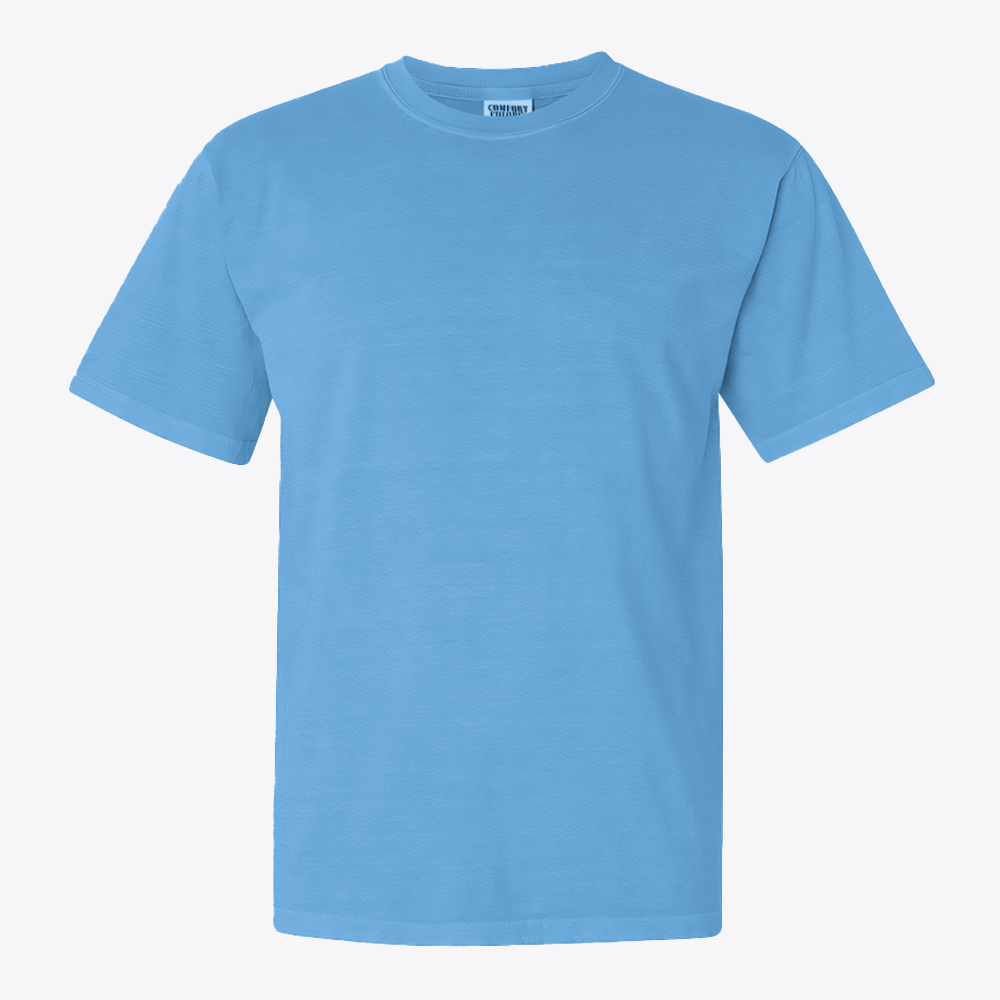
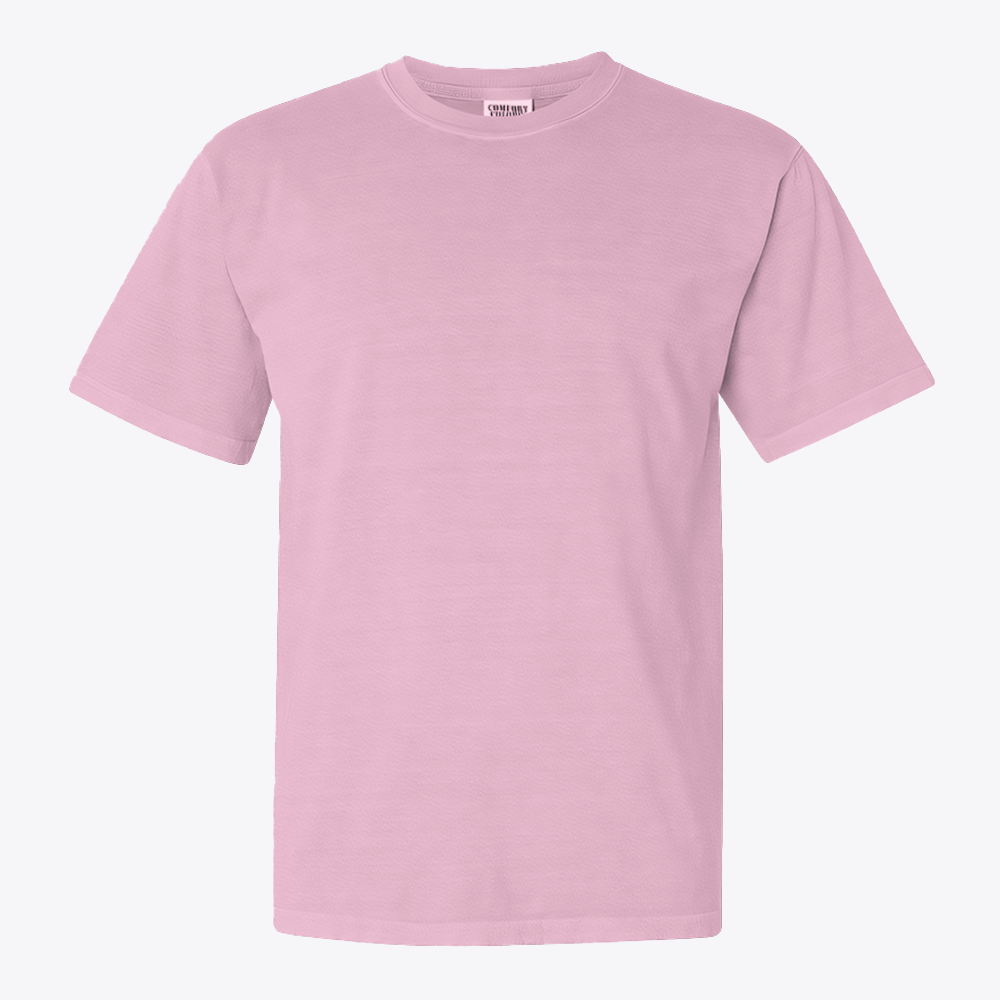
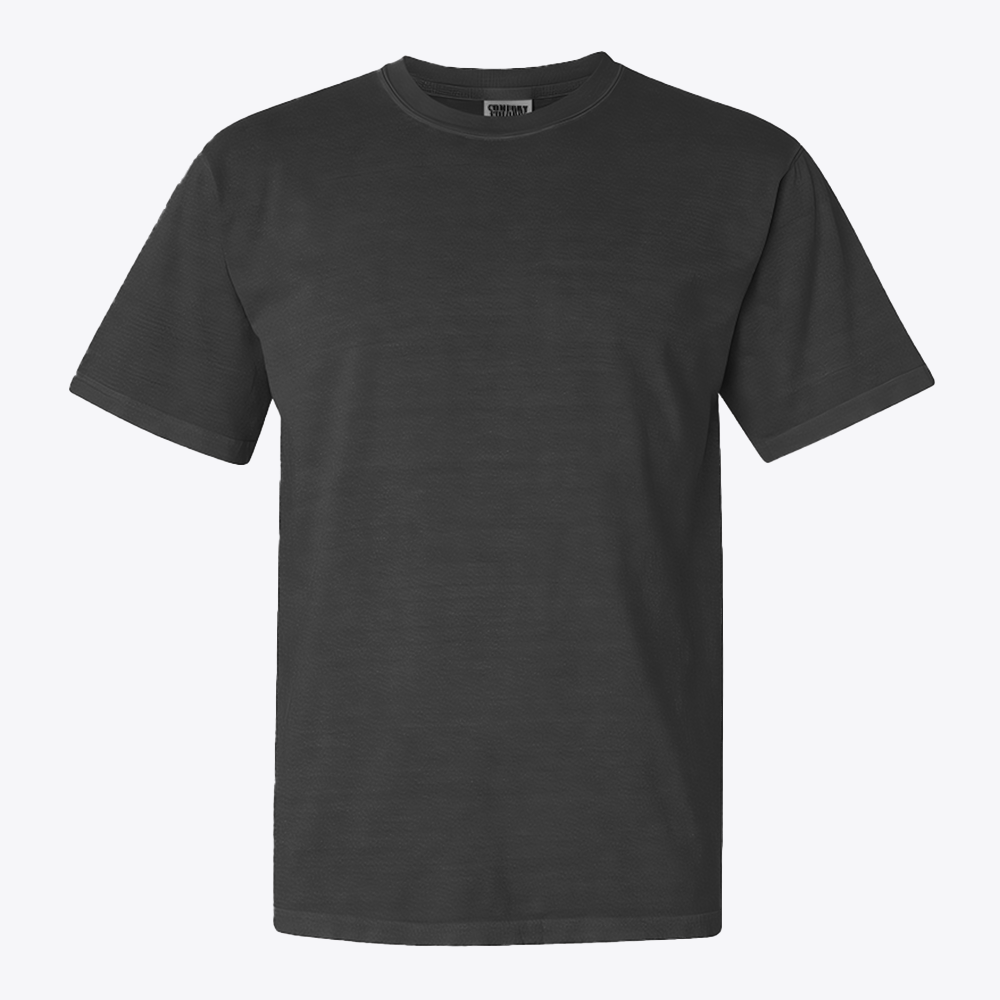
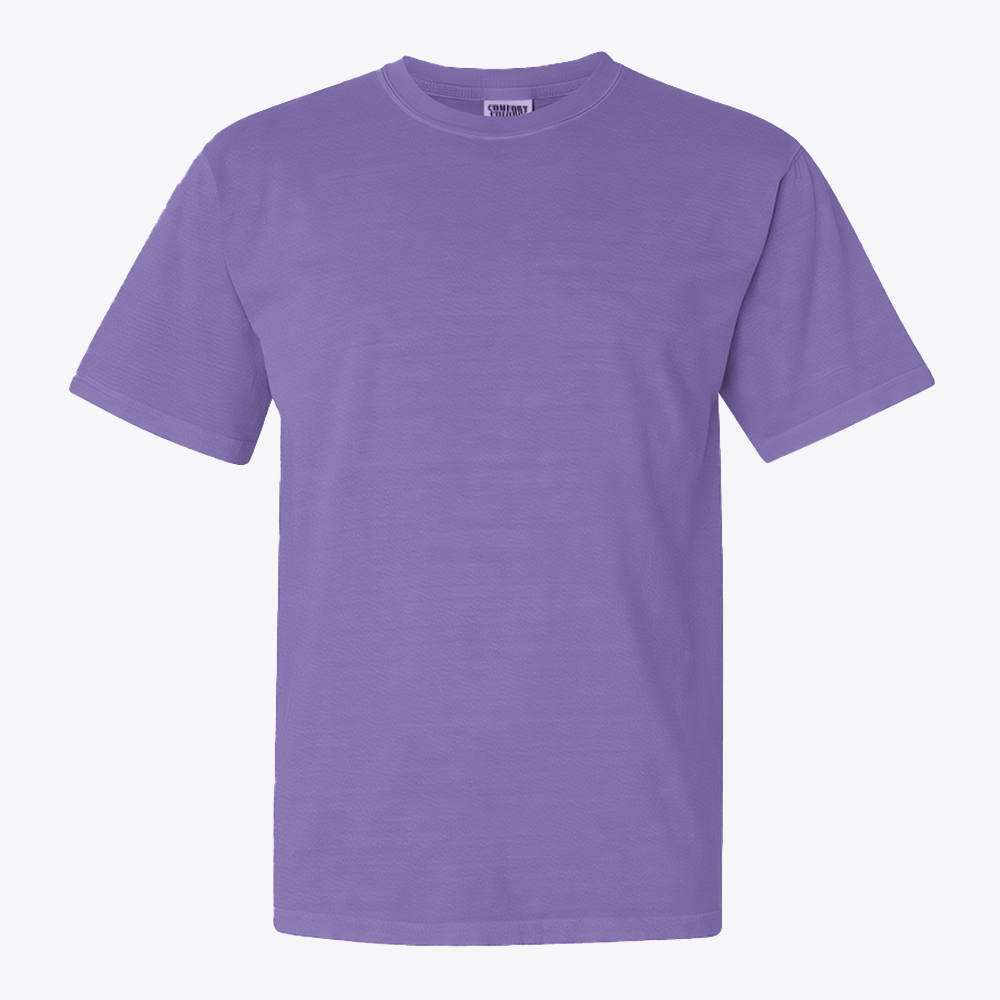
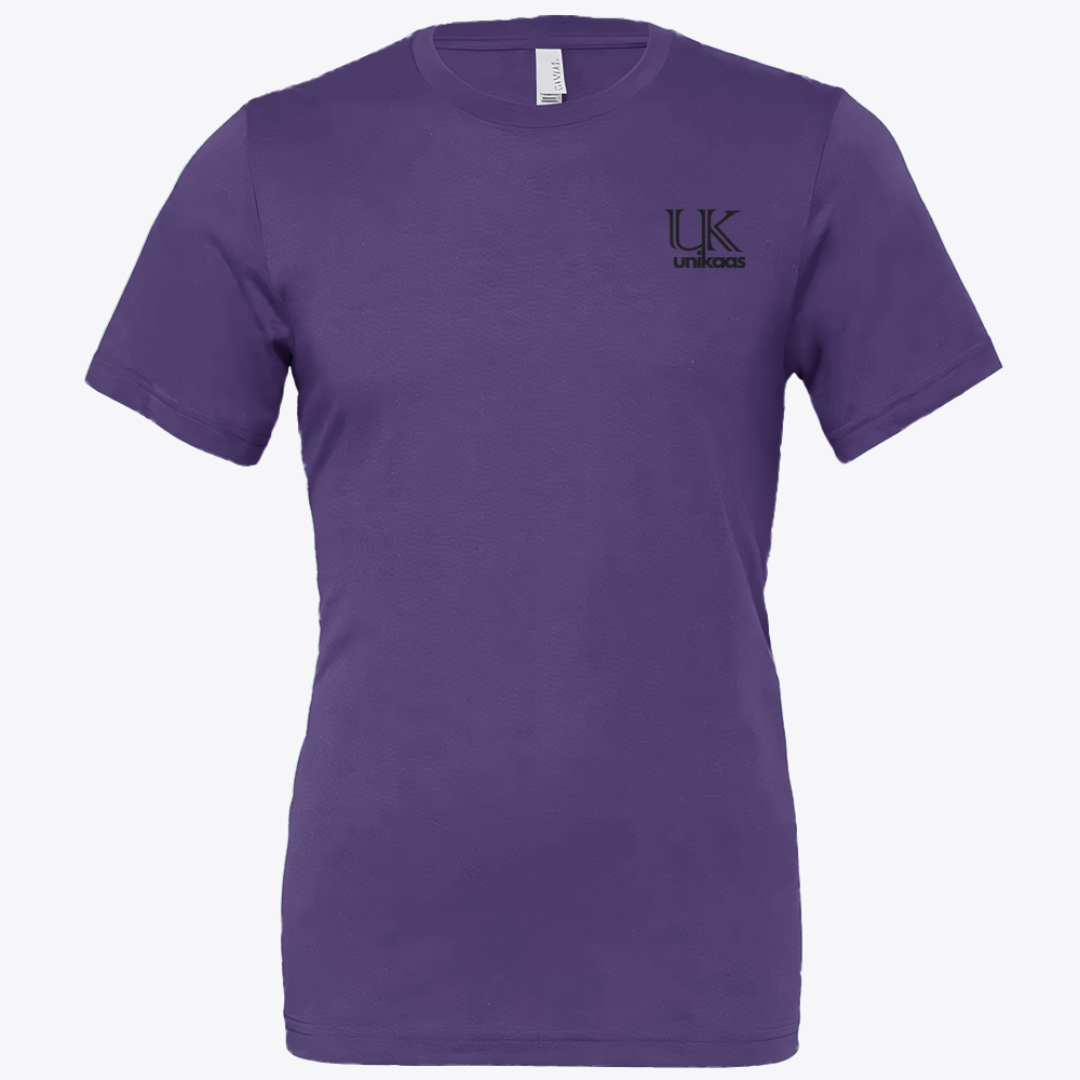
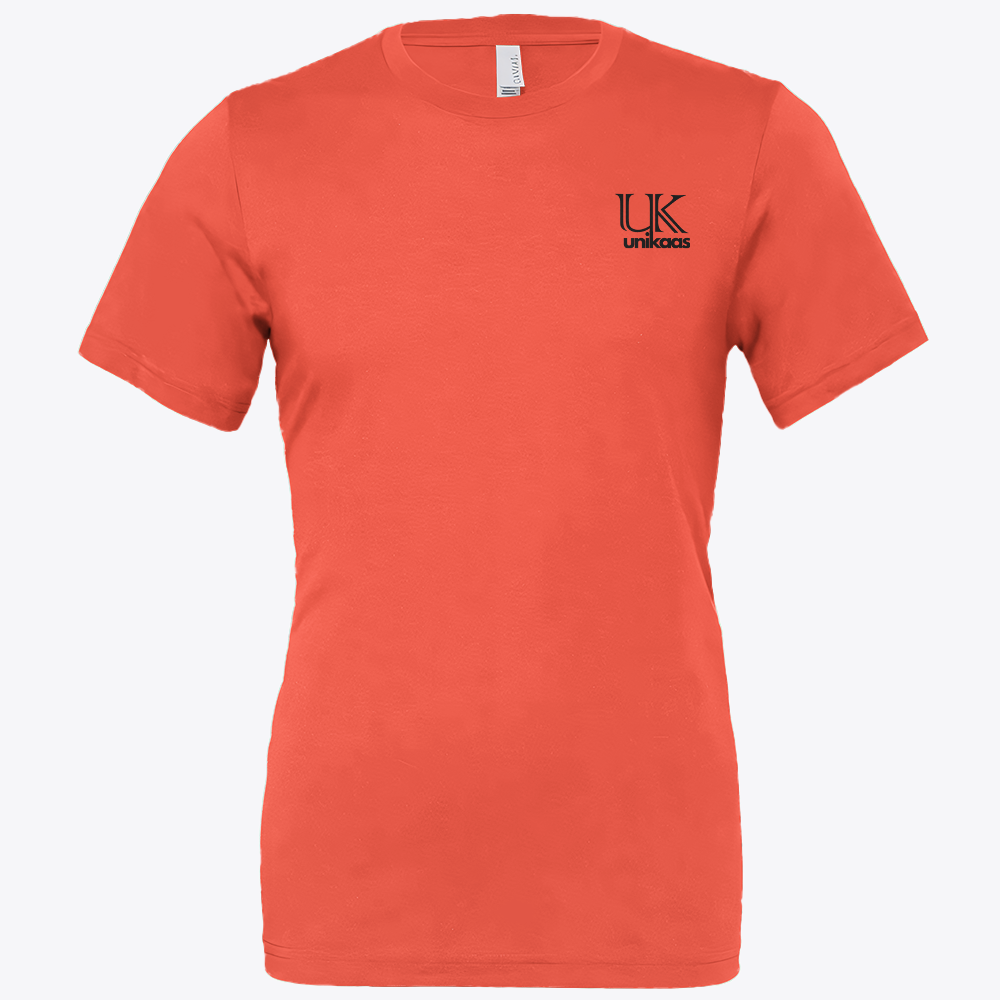
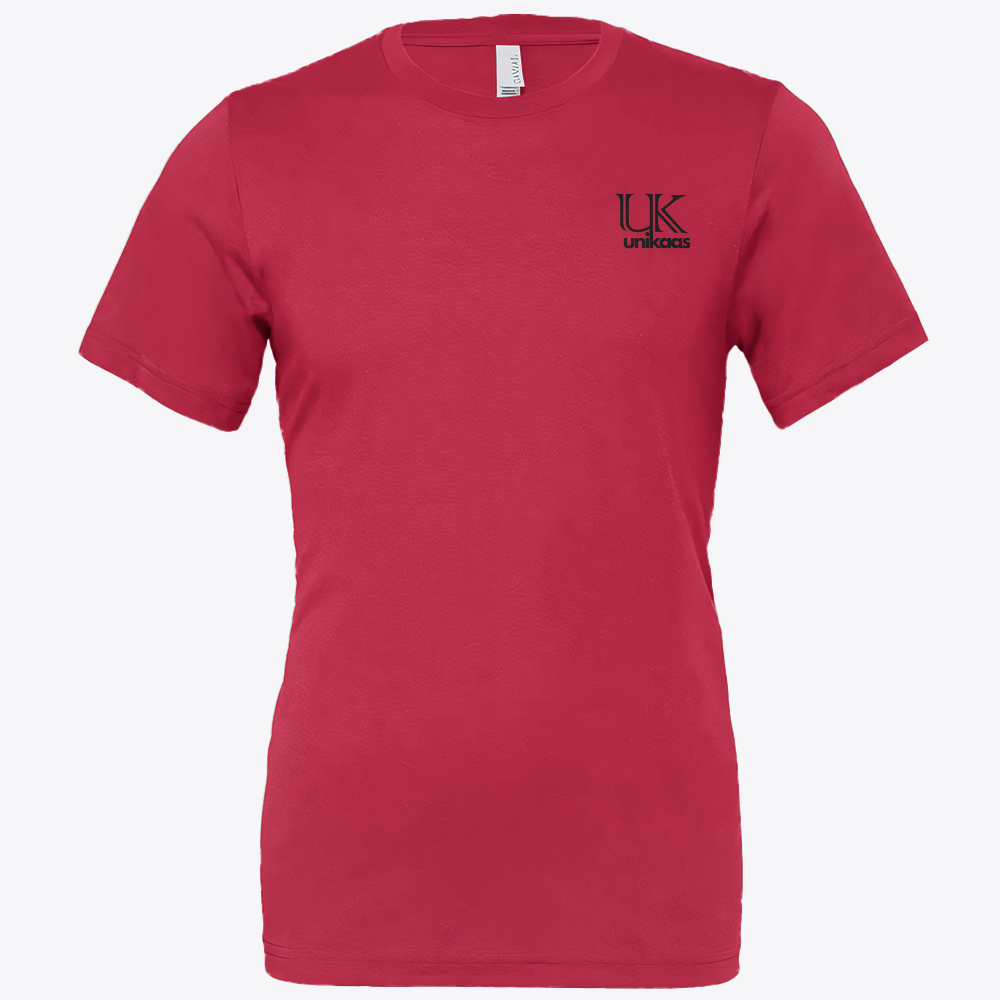
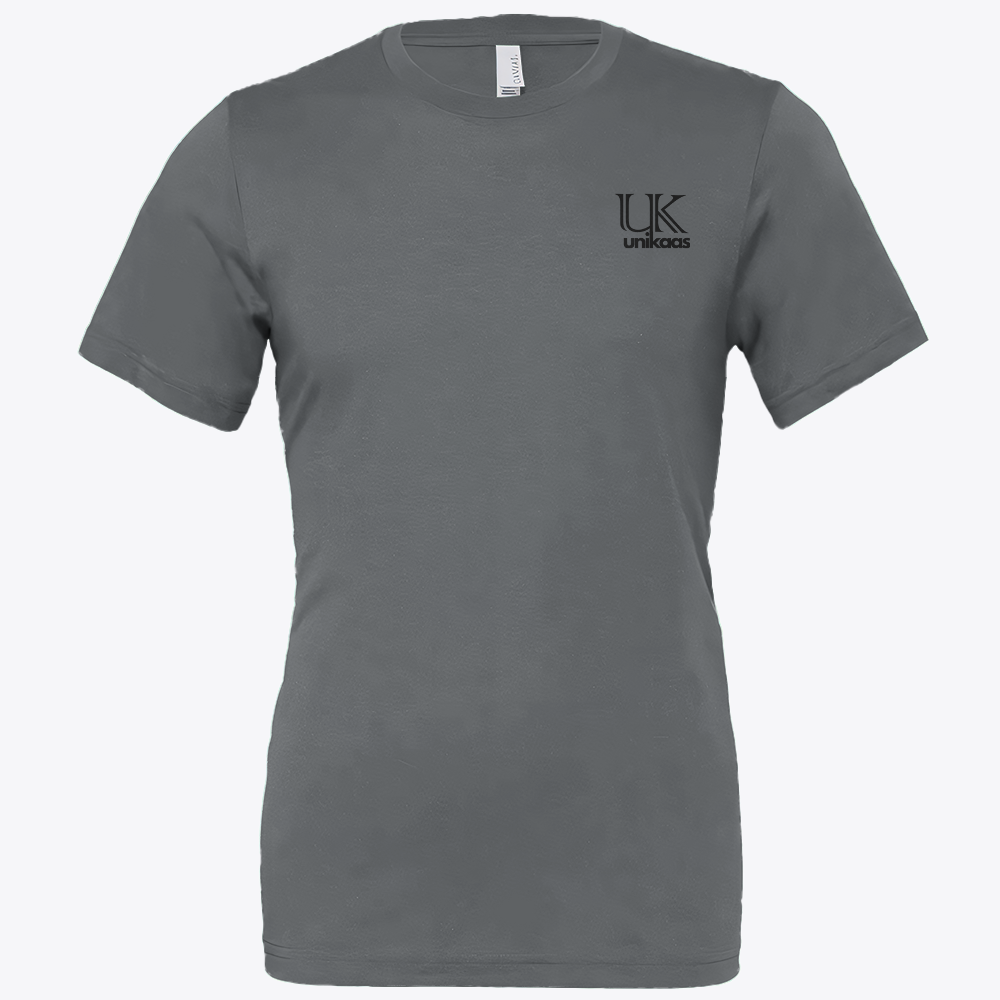
Get Custom Quote Now
The Rise of Minimalist Fashion and Blank Apparel
Minimalist fashion played a major role in the growth of blank apparel worldwide. Over the last decade, consumers began moving away from overly complicated fashion designs and started embracing clean, versatile, and timeless clothing.
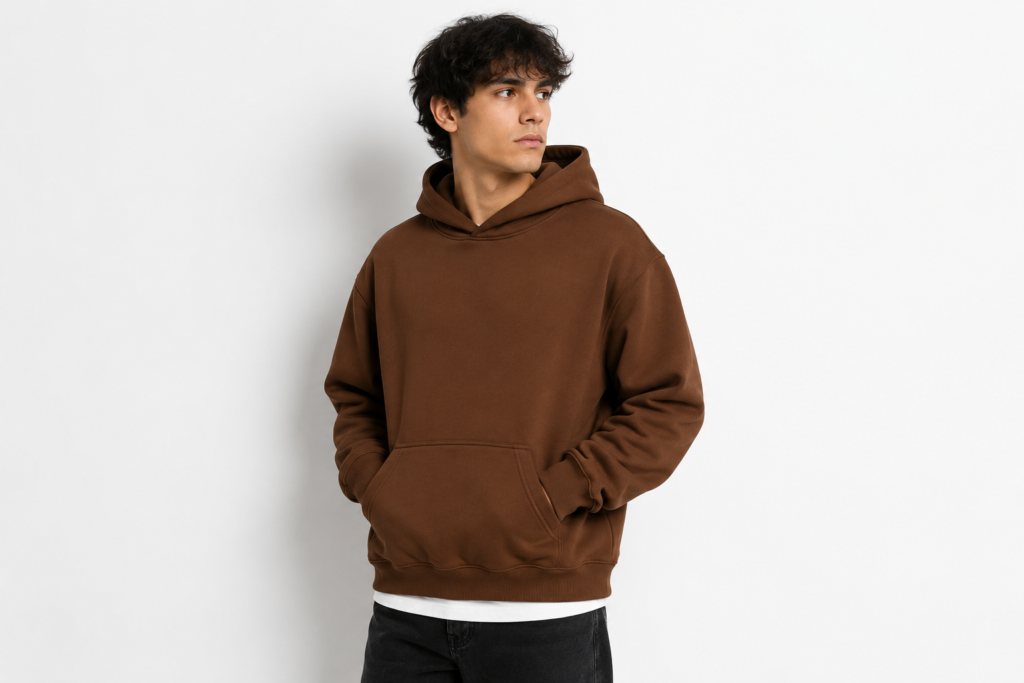
Plain hoodies, blank t-shirts, neutral sweatshirts, and solid-color garments became wardrobe essentials because they could be worn in multiple ways. Minimalist fashion matched perfectly with modern lifestyles where comfort, simplicity, and practicality matter more than loud branding.
Fashion influencers, celebrities, and social media creators also accelerated this movement. Oversized blank hoodies, monochrome outfits, and relaxed streetwear aesthetics became highly popular across Instagram, TikTok, and YouTube.
This trend increased demand for products like:
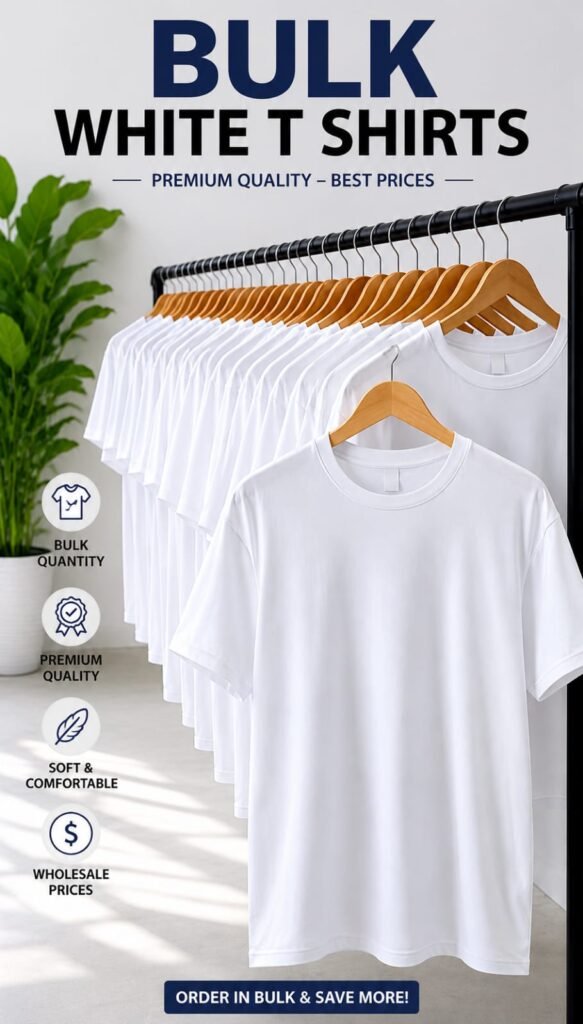
- plain t-shirts in bulk wholesale
- plain hoodies for printing
- white blank hoodie
- long sleeve t-shirt blanks
Minimalist clothing works because it appeals to every audience. Teenagers wear blank streetwear for fashion. Businesses use it for uniforms. Fitness brands customize it for activewear. Influencers turn it into merchandise. Clothing startups use blank garments as the foundation of their brand identity.
Blank apparel became universal because it serves both fashion and functionality at the same time.
Another major reason for the rise of blank apparel is seasonal versatility. Blank hoodies are useful in winter collections, while plain t-shirts dominate summer fashion. Long-sleeve blanks work well during transitional seasons. Because of this flexibility, retailers and wholesalers can sell blank clothing year-round.
Fashion brands also discovered that consumers often prefer simple premium garments over heavily designed clothing. Neutral tones like black, white, beige, gray, olive, and cream became dominant colors in global fashion.
This change pushed suppliers like Unikaas to expand collections of premium blank apparel suitable for customization, resale, and fashion branding.
How Streetwear Culture Changed the Blank Clothing Industry
Streetwear completely changed how people view blank apparel. Before streetwear became mainstream, blank clothing was mostly associated with promotional wear, uniforms, or undergarments.
That changed when streetwear brands started using oversized blanks, heavyweight hoodies, and premium cotton t-shirts as the foundation of modern fashion collections.
Streetwear brands realized something powerful — a blank garment with perfect fit, premium fabric, and high-quality construction could become luxury fashion even without excessive graphics.
This created huge demand for:
- Oversized hoodies
- Heavyweight sweatshirts
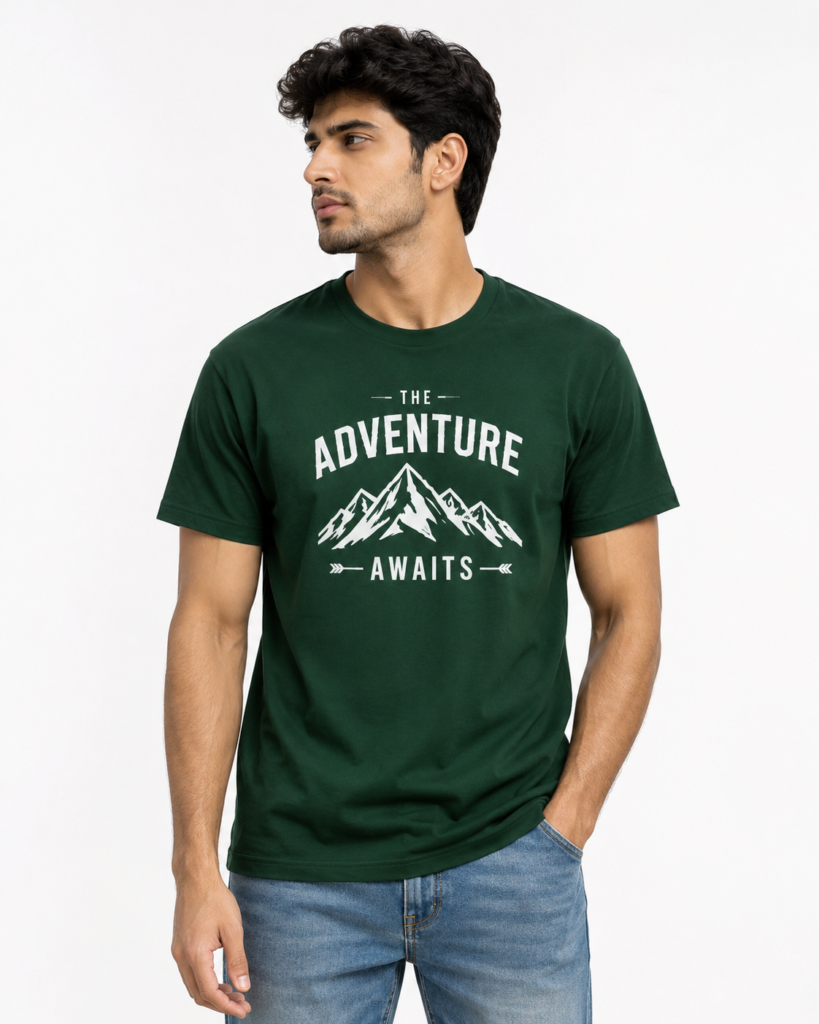
- Blank vintage t-shirts
- Relaxed fit garments
- Neutral streetwear basics
Products such as vintage t-shirt blank collections became increasingly popular because consumers wanted retro-inspired minimalist fashion.
Streetwear culture also introduced “drop culture,” where limited-edition collections create hype and exclusivity. Many startup brands use blank apparel as their base product and simply add:
- Screen printing
- Puff print
- Embroidery
- DTG printing
- Heat transfers
- Labels and tags
This allows small businesses to launch fashion brands with relatively low startup costs.
The rise of ecommerce further accelerated this trend. Platforms like Shopify, Etsy, TikTok Shop, and Instagram Shops enabled entrepreneurs to sell customized blank apparel globally without owning large factories.
Influencers also contributed heavily. Instead of manufacturing clothing from scratch, creators began launching merchandise using blank hoodies and t-shirts sourced from wholesale suppliers.
This created explosive demand for reliable suppliers offering:
- Consistent sizing
- Premium fabric quality
- Fast wholesale shipping
- Customization-friendly materials
- Bulk purchasing options
As a result, blank apparel evolved from simple basics into premium fashion products.
Why Businesses Prefer Blank Apparel for Branding
One of the biggest reasons blank apparel became a global trend is branding flexibility.
Businesses across multiple industries use blank clothing because it allows them to create customized products without expensive manufacturing processes.
Restaurants use branded uniforms. Gyms create fitness merchandise. Startups launch clothing brands. Schools order hoodies. Influencers sell merch. Corporate companies create promotional apparel.
All of this starts with blank garments.
For example, companies often purchase:
Businesses prefer blank apparel because it offers:
Cost Efficiency
Manufacturing custom garments from scratch requires:
- Fabric sourcing
- Pattern development
- Sampling
- Stitching
- Quality testing
- Large MOQs
Blank apparel eliminates most of these steps.
Companies can simply purchase ready-made premium garments and customize them according to their branding needs.
Faster Production
Blank garments are already manufactured and stocked. This dramatically reduces production timelines.
Instead of waiting months for custom manufacturing, businesses can print or embroider blank apparel immediately.
Lower Risk
Fashion startups often fail because of excessive inventory investment. Blank apparel reduces this risk since businesses can test designs on smaller quantities before scaling.
Better Scalability
Once a design becomes successful, businesses can reorder the same blank garments consistently from trusted suppliers.
This makes scaling easier and more predictable.
Printing Compatibility
Modern blank apparel is designed specifically for:
- Screen printing
- DTF printing
- Sublimation
- Heat press
- Embroidery
For example, bulk polyester shirts for sublimation are highly popular because polyester garments provide vibrant sublimation printing results.
Similarly, activewear brands frequently choose dri-fit t-shirts bulk options for sportswear and fitness branding.
The combination of affordability, flexibility, and branding potential made blank apparel one of the most profitable segments in the fashion industry.
The Role of Ecommerce in the Global Blank Apparel Boom
Ecommerce transformed blank apparel from a local wholesale business into a global industry.
Before ecommerce, most apparel sourcing happened through physical wholesale markets or trade shows. Today, businesses can source blank garments online from anywhere in the world.
This accessibility opened opportunities for:
- Small clothing startups
- Print-on-demand sellers
- Etsy store owners
- TikTok brands
- Gym apparel startups
- Influencer merchandise stores
- Local fashion entrepreneurs
Online wholesale suppliers made it easier than ever to buy blank apparel in bulk quantities.
Businesses now search globally for suppliers that offer:
- Competitive pricing
- Worldwide shipping
- Consistent stock availability
- Private labeling
- Wholesale discounts
- Quality assurance
This is one reason why suppliers like Unikaas have gained attention among apparel buyers in the USA, UK, Canada, UAE, and Australia.
Ecommerce also changed consumer buying behavior. People no longer want only branded designer fashion. They increasingly prefer:
- Comfortable basics
- Neutral essentials
- Athleisure wear
- Oversized streetwear
- Functional fashion
Blank apparel fits perfectly into these modern fashion preferences.
Another major ecommerce trend is print-on-demand.
Print-on-demand businesses use blank apparel as their core product. Entrepreneurs upload designs online, and products are printed only when customers place orders.
This business model reduced inventory risks and enabled thousands of small brands to enter the fashion industry.
Because of this shift, wholesale demand for blank t-shirts and hoodies increased dramatically worldwide.
Social media advertising further fueled this growth. Viral TikTok fashion trends often revolve around oversized hoodies, plain t-shirts, vintage blanks, and minimalist streetwear.
Consumers now value fit, fabric quality, and styling versatility more than flashy logos.
That cultural change helped blank apparel become mainstream fashion rather than just wholesale merchandise.
How Global Manufacturing Expanded the Blank Apparel Industry
Global manufacturing networks played a huge role in making blank apparel affordable and accessible.
Countries like Pakistan, China, Bangladesh, and India became major apparel manufacturing hubs due to lower production costs and strong textile industries.
Pakistan especially became important in global blank apparel production because of its:
- Cotton industry
- Textile infrastructure
- Skilled labor
- Competitive pricing
- Export capabilities
Many international buyers now source apparel from Pakistan because manufacturers can produce high-quality garments at competitive wholesale rates.
This is why searches related to:
have become increasingly popular.
Global supply chains also improved logistics and shipping speeds. Today, wholesalers can ship bulk apparel internationally much faster than before.
Modern manufacturing has also improved blank apparel quality significantly.
Today’s premium blanks offer:
- Better stitching
- Softer fabrics
- Modern fits
- Durable construction
- Heavyweight cotton
- Moisture-wicking technology
- Pre-shrunk fabric
- Sustainable materials
Blank apparel is no longer viewed as cheap low-quality clothing. Premium blanks now compete directly with branded fashion products.
Luxury streetwear brands often use heavyweight blank garments with minimal branding because consumers value comfort and quality.
Sustainability also influenced the market. Many consumers now prefer timeless blank clothing because it promotes longer wardrobe usage compared to fast-fashion graphic trends.
Neutral blank apparel tends to stay fashionable longer, reducing unnecessary clothing waste.
Why Blank Apparel Will Continue Growing Worldwide
The blank apparel trend is not slowing down anytime soon. In fact, several factors suggest continued long-term growth.
Growth of Independent Clothing Brands
Thousands of new fashion startups launch every year using blank garments as their foundation.
Instead of investing heavily in manufacturing, startups focus on branding, marketing, and community building.
Expansion of Creator Economy
Influencers, YouTubers, streamers, podcasters, and TikTok creators all use blank apparel for merchandise businesses.
This creator economy continues expanding globally.
Increased Demand for Comfort Wear
Consumers increasingly prioritize comfort-focused fashion. Oversized hoodies, relaxed t-shirts, and athleisure products remain highly popular.
Growth of Fitness and Sportswear
Athletic brands continue driving demand for moisture-wicking blank apparel like dri-fit t-shirts bulk.
Corporate Branding and Events
Businesses continue using blank apparel for:
- Employee uniforms
- Promotional campaigns
- Conferences
- Team apparel
- Event merchandise
Sustainable Fashion Trends
Minimalist wardrobes and capsule fashion trends support blank apparel growth because plain garments remain wearable for years.
Advances in Printing Technology
Modern printing methods allow businesses to create premium customized apparel quickly and affordably.
This makes blank apparel even more valuable for customization businesses.
As ecommerce expands further in regions like the Middle East, South Asia, Europe, and North America, global demand for blank clothing will likely continue rising.
Why Unikaas Is Part of the Global Blank Apparel Movement
As blank apparel continues dominating global fashion and wholesale markets, suppliers play a critical role in helping businesses access quality products.
Unikaas supports this growing industry by offering a wide range of blank apparel solutions for startups, retailers, printers, clothing brands, and wholesalers.
Businesses searching for premium blank garments can explore:
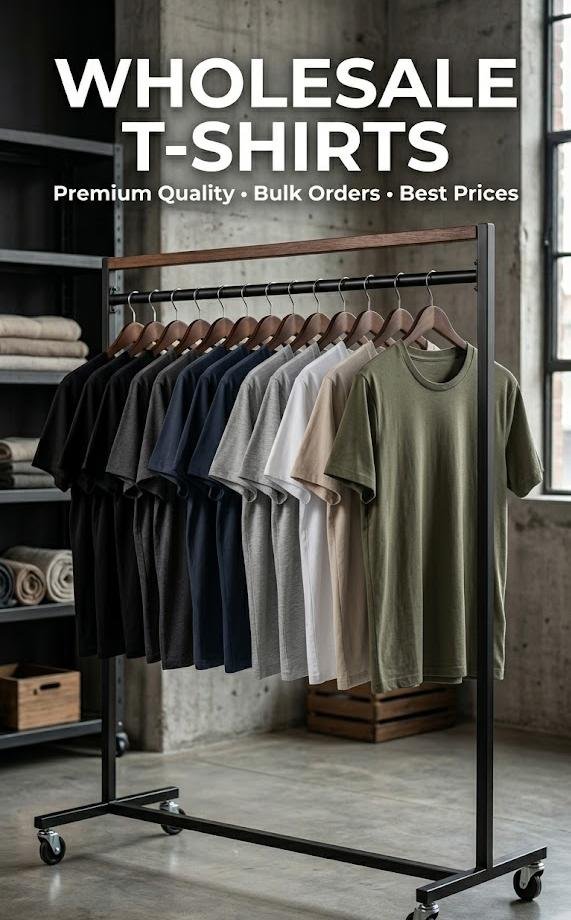
- wholesale t-shirts
- wholesale hoodies
- plain t-shirts in bulk wholesale
- plain hoodies for printing
- white blank hoodie
- gildan t-shirts bulk
- blank hooded sweatshirts wholesale
- long sleeve t-shirt blanks
- bulk polyester shirts for sublimation
Whether a business is launching a new streetwear label, building a merchandise brand, sourcing uniforms, or scaling a print-on-demand operation, blank apparel provides the flexibility needed for growth.
The global fashion industry continues evolving toward customization, minimalism, and comfort-driven clothing. Blank apparel sits directly at the center of all three trends.
What started as simple plain clothing has now become one of the most powerful segments in the worldwide apparel business.
From fashion startups in the USA to wholesale buyers in the UK, from ecommerce sellers in Canada to streetwear brands in Australia and the UAE, blank apparel continues shaping the future of modern fashion.
And as customization culture keeps growing, blank apparel will likely remain one of the strongest opportunities in the global clothing industry for years to come.
