
Difference Between Blank Apparel and Branded Clothing
The fashion industry has changed massively over the last decade. More startups, print-on-demand businesses, gym wear brands, streetwear labels, and ecommerce stores are entering the market every day. One of the biggest decisions every clothing business faces is choosing between blank apparel and branded clothing.
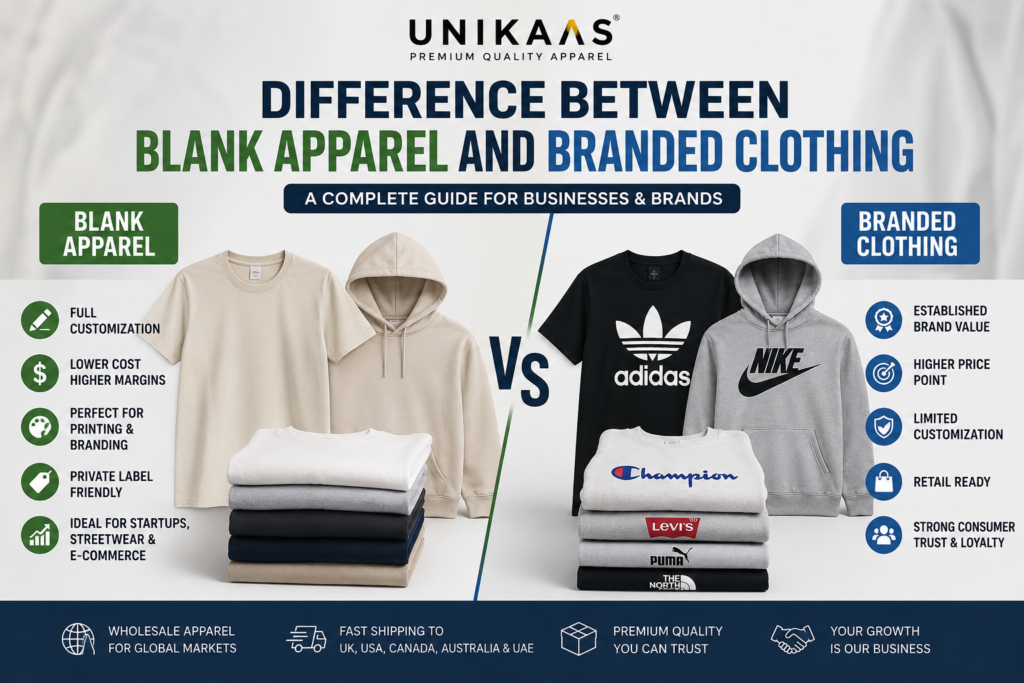
For many people starting a fashion business, the difference may seem simple at first. Blank apparel refers to plain clothing without logos or brand labels, while branded clothing comes with established branding, logos, and retail identity. But when you go deeper, the differences affect pricing, profit margins, customization, scalability, marketing, and even customer loyalty.
If you are launching a clothing line, running a printing business, selling merchandise, or sourcing wholesale apparel, understanding these differences is essential. Companies like Unikaas have helped businesses worldwide source high-quality blank garments for printing, embroidery, private labeling, and fashion manufacturing.


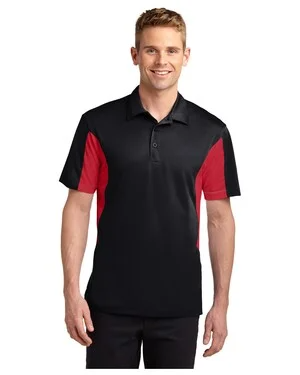
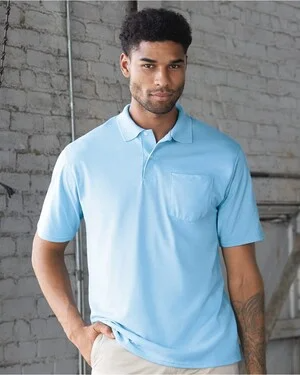
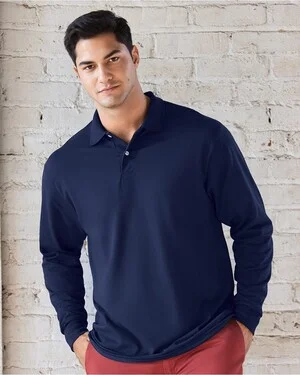
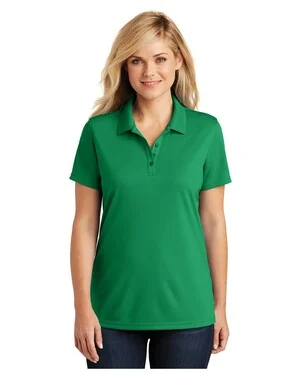

Get Custom Quote Now
What Is Blank Apparel?
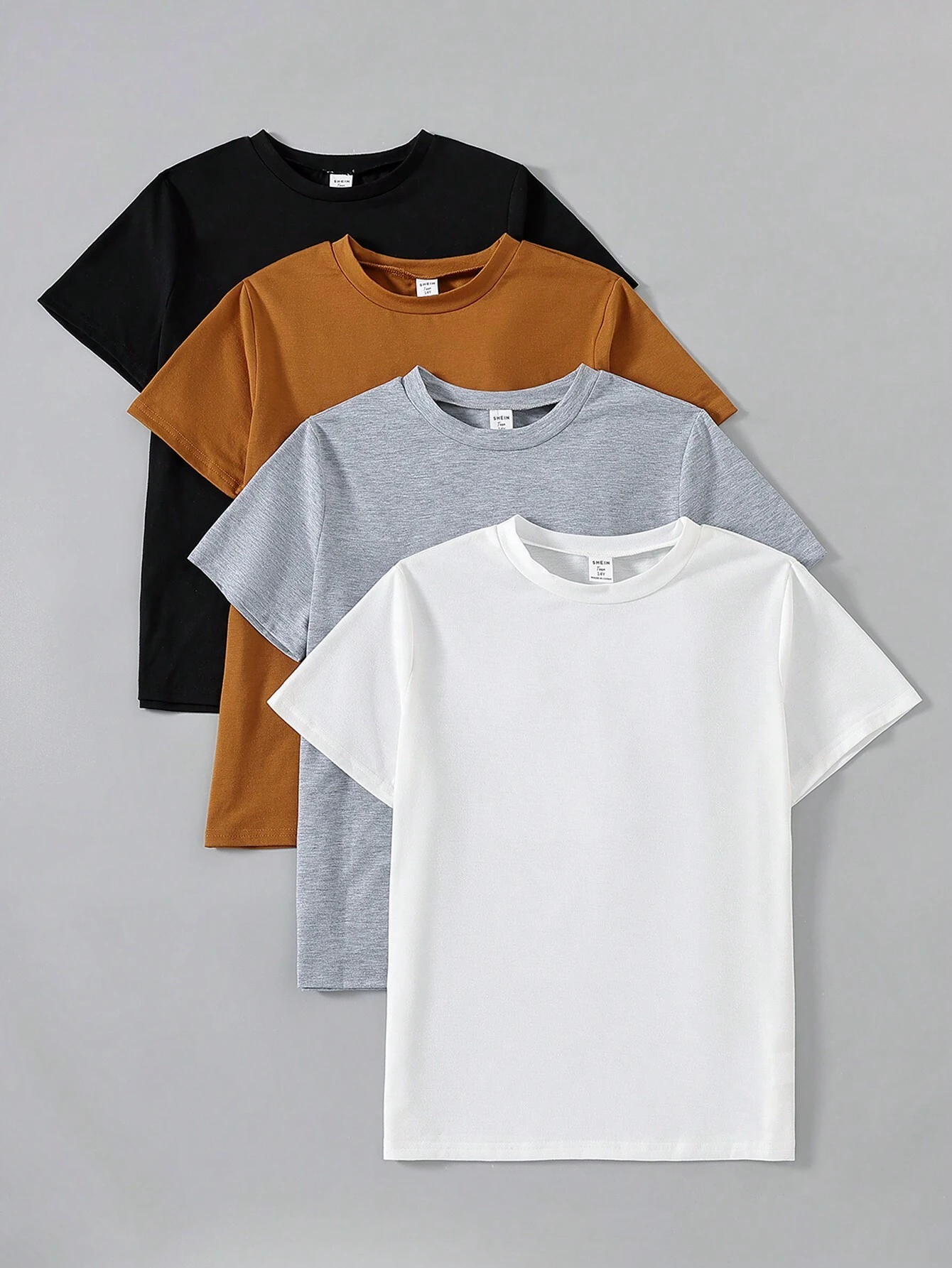
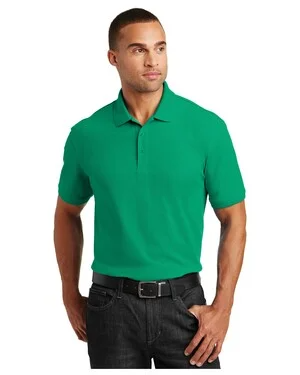
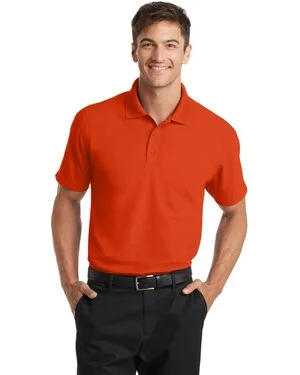
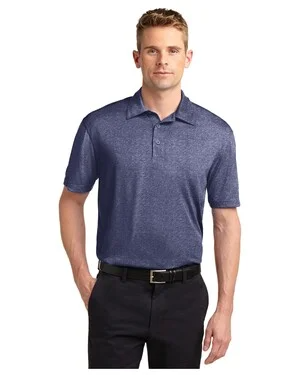
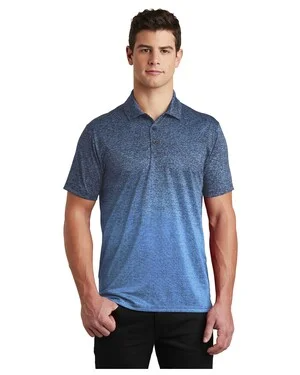
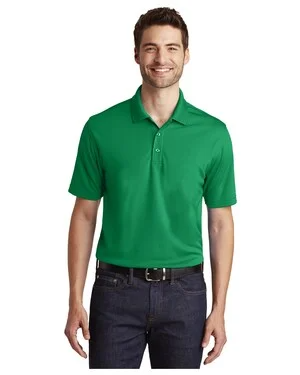
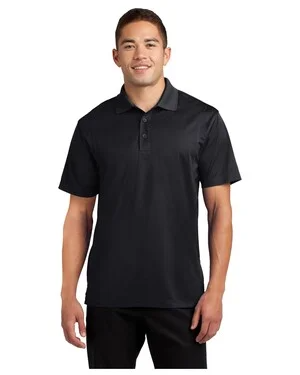
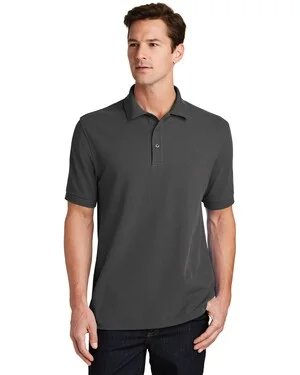
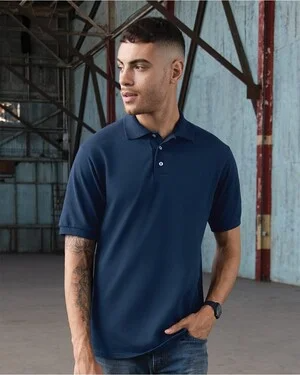
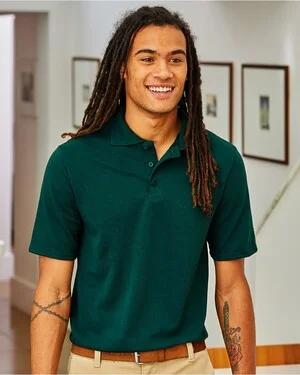
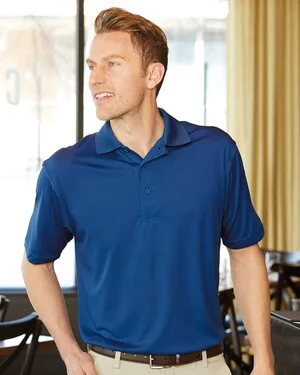
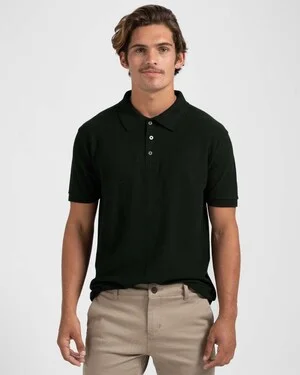
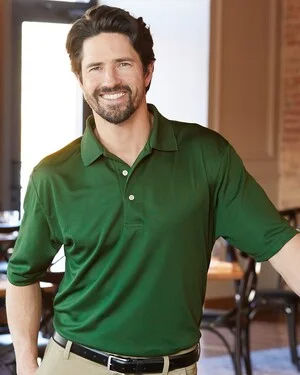
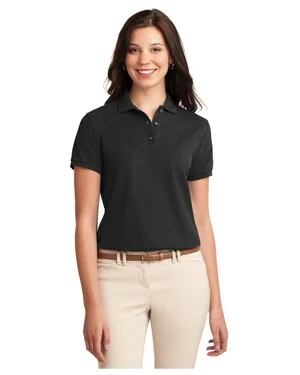
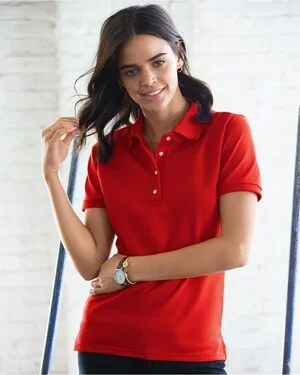
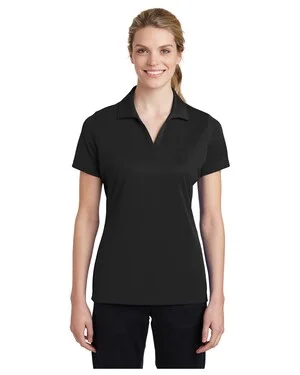
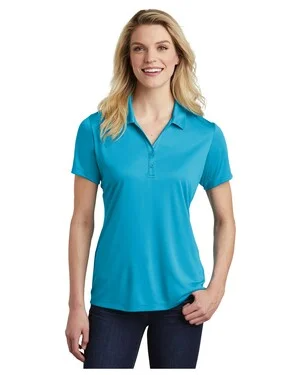
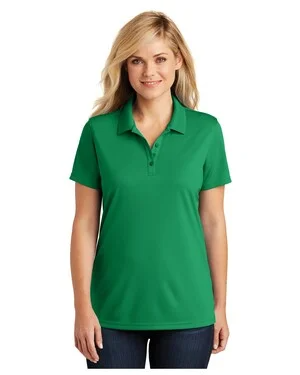
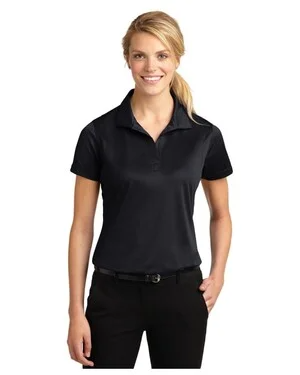
Blank apparel refers to clothing items manufactured without visible branding, logos, artwork, or retail designs. These garments are intentionally kept plain so businesses, creators, and clothing brands can customize them according to their own needs.
Blank apparel includes products such as:
- Plain t-shirts
- Hoodies
- Sweatshirts
- Tank tops
- Long sleeve shirts
- Polyester performance wear
- Dri-fit shirts
- Oversized fashion blanks
- Streetwear essentials
Most businesses purchasing blank apparel are looking for flexibility. They want garments that can be screen printed, embroidered, sublimated, heat pressed, or private labeled.
Popular categories include:
Blank apparel has become the foundation of modern apparel entrepreneurship because it allows complete creative control without paying extra for another brand’s identity.
What Is Branded Clothing?
Branded clothing refers to garments produced and sold under an established fashion label or recognized company. These clothes usually include:
- Brand logos
- Trademark designs
- Woven labels
- Brand packaging
- Marketing identity
- Retail positioning
Examples include global sportswear brands, luxury labels, fast-fashion companies, and lifestyle fashion businesses.
When customers buy branded clothing, they are often paying for:
- Brand reputation
- Fashion status
- Marketing influence
- Celebrity endorsements
- Retail experience
- Perceived exclusivity
Unlike blank apparel, branded clothing is already finished as a consumer product. Businesses generally cannot customize it freely because logos and trademarks are protected.
This creates a major difference between the two categories, especially for startups and print businesses.
Why Blank Apparel Has Become So Popular
The rise of ecommerce and print-on-demand services has completely transformed the apparel industry. Small businesses no longer need massive factories or expensive retail stores to launch a fashion brand.
Blank apparel makes this possible.
Today, entrepreneurs can buy high-quality blanks from suppliers like Unikaas and build unique clothing brands with minimal startup investment.
Several factors are driving this shift.
Lower Startup Costs
Blank apparel is significantly cheaper than branded clothing. Businesses only pay for the garment itself rather than expensive brand licensing and marketing costs.
This helps new brands launch products without huge capital requirements.
For example:
- A plain oversized t-shirt can be customized for streetwear branding
- A blank hoodie can become part of a premium merch collection
- A polyester shirt can be used for sportswear sublimation
Using products like Bulk Polyester Shirts for Sublimation allows businesses to create professional apparel while maintaining better margins.
Full Customization Freedom
Blank apparel gives complete creative freedom. You can:
- Add your own logo
- Create custom packaging
- Use private labels
- Choose print placements
- Experiment with colors and designs
Branded garments already carry someone else’s identity, which limits customization opportunities.
Better Profit Margins
Businesses using blank apparel often achieve higher profits because sourcing costs remain lower.
A startup can buy wholesale blank garments, customize them, and sell them under its own brand identity at premium prices.
This business model is widely used in:
- Streetwear
- Gym clothing
- Music merchandise
- Influencer brands
- Event apparel
- Corporate uniforms
The Core Difference Between Blank Apparel and Branded Clothing
Although both categories involve garments, their business purpose is completely different.
Blank Apparel Is Built for Customization
Blank apparel acts like a foundation. It allows businesses to build something unique.
Examples include:
- Screen printing
- Embroidery
- Sublimation
- DTG printing
- Heat transfer vinyl
- Private label fashion
Products such as Vintage T-Shirt Blank are especially popular for streetwear and retro clothing brands because they provide premium aesthetics without existing logos.
Branded Clothing Is Built for Retail Recognition
Branded clothing focuses on identity and recognition.
Consumers purchase branded products because they trust the company or admire its image. The clothing itself becomes part of a lifestyle statement.
This means customers often pay higher prices for branding rather than fabric quality alone.
Fabric Quality Comparison
One common misconception is that blank apparel automatically means lower quality. That is no longer true.
Modern wholesale suppliers now produce premium blank garments using:
- Heavyweight cotton
- Ring-spun cotton
- French terry fleece
- Organic cotton
- Polyester blends
- Moisture-wicking fabrics
For example:
- Dri Fit T-Shirts Bulk are designed for athletic performance
- Long Sleeve T-Shirt Blanks provide layering versatility
- White Blank Hoodie products are commonly used for luxury streetwear customization
In many cases, high-end blank apparel rivals branded fashion in fabric quality.
The real difference is branding and presentation rather than garment construction.
Pricing Differences Between Blank Apparel and Branded Clothing
Pricing is one of the biggest deciding factors for businesses.
Blank Apparel Pricing
Blank garments are usually sold wholesale, which dramatically reduces per-unit costs.
Businesses buying from suppliers like Unikaas can order large quantities at affordable rates and scale production efficiently.
Wholesale purchasing advantages include:
- Lower cost per item
- Bulk discounts
- Better scalability
- Easier inventory management
- Improved profit margins
Products such as Purchase Shirts in Bulk are specifically designed for businesses needing affordable scaling options.
Branded Clothing Pricing
Branded clothing prices include:
- Marketing expenses
- Brand positioning
- Retail markups
- Packaging
- Advertising campaigns
- Sponsorships
This means consumers may pay several times more for a branded shirt compared to a blank garment with similar fabric quality.
Customization Possibilities
Customization is where blank apparel dominates the market.
Screen Printing
Screen printing remains one of the most popular decoration methods for blank apparel.
Ideal for:
- Streetwear
- Merch brands
- Corporate uniforms
- Promotional campaigns
Embroidery
Embroidery adds premium aesthetics to hoodies, sweatshirts, and caps.
Products like Blank Hooded Sweatshirts Wholesale are commonly used for embroidery customization.
Sublimation
Sublimation printing works best on polyester garments.
Businesses frequently use Bulk Polyester Shirts for Sublimation because they provide vibrant, long-lasting print quality.
Private Labeling
Private labeling allows businesses to replace manufacturer tags with their own branding.
This creates a fully custom fashion identity without manufacturing garments from scratch.
Blank Apparel in the Streetwear Industry
Streetwear brands rely heavily on blank apparel.
Many successful labels started by sourcing premium blanks and adding unique branding elements.
Oversized silhouettes, heavyweight fabrics, and vintage washes are especially popular in modern streetwear.
Why streetwear brands prefer blank apparel:
- Faster production
- Lower startup costs
- Easier experimentation
- Flexible inventory
- Better control over branding
Products like Vintage T-Shirt Blank help brands achieve modern oversized aesthetics without expensive manufacturing setups.
Blank Apparel for Print-on-Demand Businesses
Print-on-demand has exploded globally because it eliminates large inventory requirements.
Businesses can:
- Source blank garments
- Print designs when orders arrive
- Ship directly to customers
This model minimizes risk and allows rapid product testing.
Popular POD products include:
- T-shirts
- Hoodies
- Dri-fit apparel
- Long sleeve tees
Categories such as Plain Hoodies for Printing are widely used because they support multiple decoration techniques.
Branded Clothing and Consumer Psychology
Branded clothing succeeds because of emotional appeal.
Customers often associate brands with:
- Status
- Lifestyle
- Community
- Fashion identity
- Social influence
Luxury fashion brands especially rely on exclusivity and perception.
Blank apparel works differently.
Instead of selling an existing identity, it allows creators to build new identities.
This is why blank garments are essential for:
- Startup brands
- Independent creators
- Musicians
- Influencers
- Ecommerce stores
The Role of Wholesale Suppliers
Wholesale suppliers play a critical role in the blank apparel industry.
Reliable suppliers help businesses access:
- Consistent sizing
- Fabric quality
- Bulk inventory
- Fast shipping
- Competitive pricing
Unikaas has become a recognized source for wholesale apparel across markets including the UK, USA, Canada, Australia, UAE, and Pakistan.
Their product range includes:
This international accessibility helps brands scale globally.
Sustainability and Blank Apparel
Sustainability has become a major topic in fashion.
Blank apparel often supports more sustainable business models because businesses can produce smaller runs instead of massive overproduction.
Advantages include:
- Reduced waste
- Made-to-order production
- Lower unsold inventory
- Flexible customization
Print-on-demand businesses especially benefit from this approach.
Some blank apparel manufacturers also use:
- Organic cotton
- Recycled polyester
- Eco-friendly dyes
- Sustainable packaging
Which Option Is Better for Startups?
For most startups, blank apparel is usually the smarter choice.
Reasons include:
Lower Financial Risk
Manufacturing branded clothing from scratch requires:
- Custom patterns
- Sampling
- Fabric sourcing
- Factory coordination
- Large MOQs
Blank apparel eliminates many of these obstacles.
Faster Launch Speed
Businesses can launch within days instead of months.
Using products from suppliers like Unikaas allows entrepreneurs to focus on branding and marketing rather than manufacturing complexity.
Easier Scaling
As orders increase, businesses can simply order larger quantities of blank garments.
This makes growth more manageable.
The Role of Blank Hoodies in Modern Fashion
Blank hoodies have become one of the strongest products in fashion customization.
They are used for:
- Streetwear
- University merch
- Corporate branding
- Gym apparel
- Influencer merchandise
Popular options include:
Heavyweight hoodies especially dominate premium fashion collections because consumers associate them with luxury streetwear aesthetics.
Why Businesses Choose Plain T-Shirts
Plain t-shirts remain the backbone of apparel customization.
They are versatile, affordable, and suitable for nearly every niche.
Businesses commonly use:
- Oversized tees
- Heavyweight tees
- Dri-fit shirts
- Vintage washed shirts
- Long sleeve tees
Categories such as Plain T-Shirts in Bulk Wholesale are ideal for brands needing consistent inventory.
Blank Apparel for Sportswear Brands
Athletic and fitness brands rely heavily on blank performance apparel.
Features include:
- Moisture management
- Stretch fabrics
- Breathability
- Lightweight construction
Products like Dri Fit T-Shirts Bulk allow sportswear startups to create custom gym clothing without manufacturing technical fabrics themselves.
The Economics of Brand Building
One of the biggest advantages of blank apparel is ownership.
When you customize blank garments, you build your own brand equity instead of promoting someone else’s company.
This matters because:
- Customer loyalty becomes yours
- Brand recognition stays with your business
- Marketing investments build long-term value
With branded clothing, the original brand retains most of the value.
E-Commerce and Blank Apparel
Ecommerce platforms have made blank apparel businesses easier than ever.
Online stores can now sell:
- Custom hoodies
- Printed shirts
- Gym wear
- Fashion basics
- Merchandise collections
Without physical retail stores.
This has created massive demand for:
- Wholesale sourcing
- Reliable inventory
- Global shipping
- Fast fulfillment
Companies like Unikaas support these business models through scalable wholesale apparel supply.
Why Fashion Entrepreneurs Prefer Blank Apparel
Fashion entrepreneurs value control.
Blank apparel allows brands to control:
- Product identity
- Visual aesthetics
- Marketing direction
- Brand messaging
- Customer experience
This freedom is difficult to achieve with pre-branded clothing.
Regional Demand for Wholesale Blank Apparel
Different regions show increasing demand for blank garments.
UK Market
The UK has a growing streetwear and ecommerce industry.
Businesses often source from:
Pakistan Market
Pakistan continues growing as both a manufacturing and wholesale hub.
Popular categories include:
USA and Canada
North American markets heavily favor:
- Oversized fashion blanks
- Dri-fit apparel
- Premium heavyweight hoodies
- Vintage-style t-shirts
Challenges of Blank Apparel Businesses
Although blank apparel offers major advantages, there are still challenges.
Branding Responsibility
Businesses must create their own identity.
Without strong branding, blank apparel products may struggle to stand out.
Quality Control
Not all wholesale suppliers offer consistent quality.
Businesses should carefully test fabrics, sizing, stitching, and shrinkage before scaling.
Competition
The barrier to entry is low, which increases market competition.
Successful brands differentiate through:
- Design
- Community
- Marketing
- Storytelling
- Product quality
Challenges of Branded Clothing
Branded clothing also has limitations.
Higher Costs
Retail brands often charge premium prices.
Limited Customization
Businesses cannot legally modify branded garments for resale in many cases.
Dependency on Existing Brands
Retailers selling branded products rely on another company’s identity rather than building their own.
How Unikaas Supports Clothing Businesses
Unikaas provides wholesale blank apparel solutions for startups, ecommerce brands, printers, and fashion entrepreneurs.
Their catalog includes:
- Gildan T-Shirts Bulk
- Wholesale T-Shirts
- Wholesale Hoodies
- Long Sleeve T-Shirt Blanks
- Plain Hoodies for Printing
This wide range allows businesses to source products suitable for multiple niches and customization methods.
Future Trends in Blank Apparel
The blank apparel market is expected to continue growing because of:
- Ecommerce expansion
- Creator economy growth
- Influencer brands
- Print-on-demand services
- Sustainable fashion trends
Several major trends are shaping the future.
Oversized Fashion
Oversized fits remain dominant in modern streetwear.
Minimalist Branding
Consumers increasingly prefer clean aesthetics and subtle branding.
Performance Wear
Athletic apparel demand continues rising globally.
Eco-Friendly Materials
Sustainability is becoming a stronger purchasing factor.
Choosing the Right Apparel Strategy
The right choice depends on your business goals.
Choose Blank Apparel If You Want:
- Custom branding
- Better margins
- Print flexibility
- Private labeling
- Startup scalability
Choose Branded Clothing If You Want:
- Established recognition
- Retail resale
- Luxury positioning
- Consumer trust from existing brands
For most startups and independent creators, blank apparel offers more flexibility and long-term brand potential.
Final Thoughts on Blank Apparel vs Branded Clothing
The difference between blank apparel and branded clothing goes far beyond logos. It affects business structure, profitability, customization, scalability, and brand ownership.
Blank apparel gives entrepreneurs the opportunity to build something unique. It offers flexibility, lower startup costs, and strong profit potential for modern ecommerce businesses.
Branded clothing, on the other hand, focuses on recognition, status, and established identity. While it carries strong consumer appeal, it limits customization and usually comes with higher costs.
For startups, printers, merchandise sellers, and growing fashion labels, blank apparel continues becoming the preferred choice.
With reliable suppliers like Unikaas offering products such as:
- Wholesale T-Shirts
- Wholesale Hoodies
- Plain Hoodies for Printing
- Vintage T-Shirt Blank
- Dri Fit T-Shirts Bulk
fashion businesses now have more opportunities than ever to launch scalable clothing brands with full creative control.
