
The apparel industry has evolved dramatically over the last decade. Businesses, fashion brands, print-on-demand companies, streetwear startups, corporate merchandise suppliers, and custom clothing businesses now have more sourcing options than ever before. Two of the most common apparel categories in the market are factory made apparel and blank apparel.
While both serve the clothing industry, they are designed for completely different purposes. Understanding the difference between factory made and blank apparel is essential for retailers, wholesalers, fashion entrepreneurs, screen printers, embroidery businesses, and promotional merchandise companies.
Many newcomers to the apparel industry assume that all garments are produced the same way. However, factory made garments and blank apparel follow different production methods, target different buyers, and offer different levels of customization.
At Unikaas, businesses across the UK, USA, Canada, Australia, UAE, and Pakistan source high-quality blank garments for branding, printing, embroidery, and resale. Whether you’re looking for Wholesale T-Shirts or premium Wholesale Hoodies, understanding these differences helps you make smarter purchasing decisions.
What Is Factory Made Apparel?
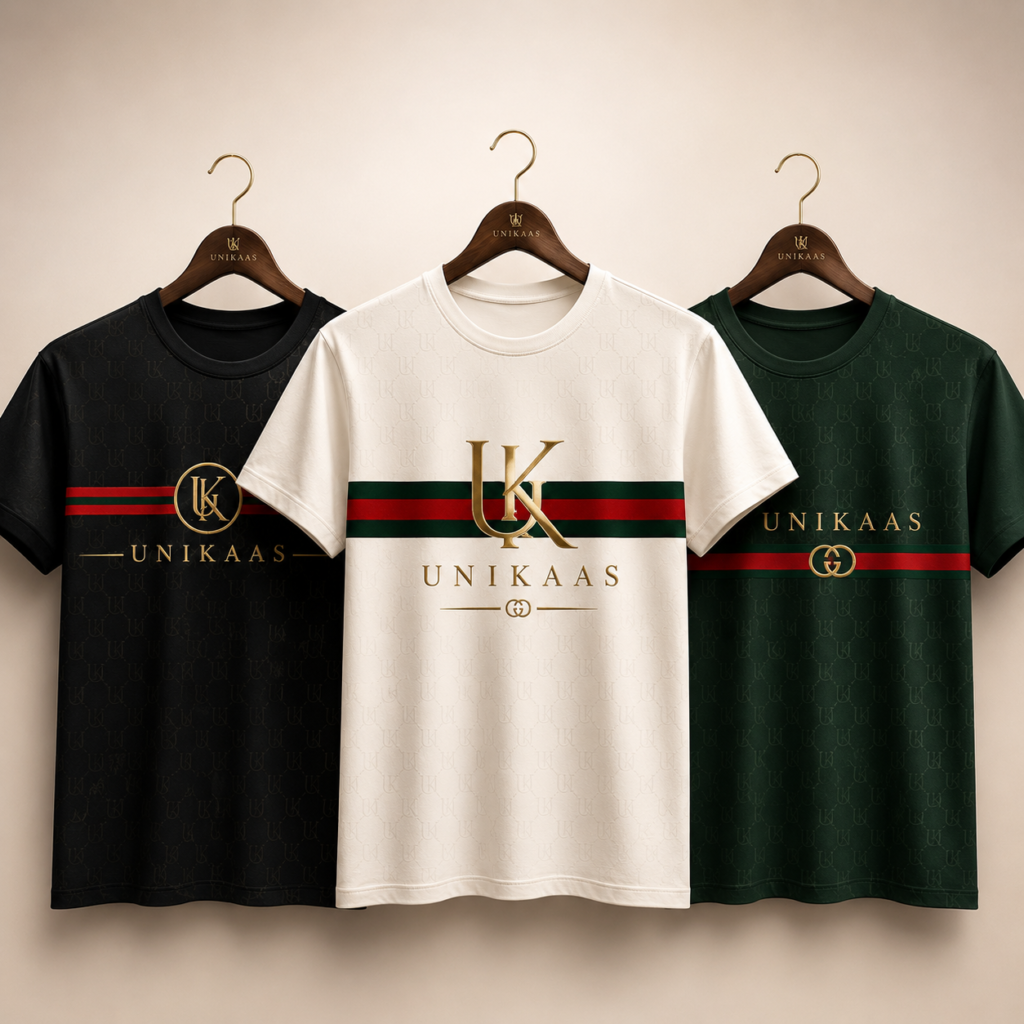
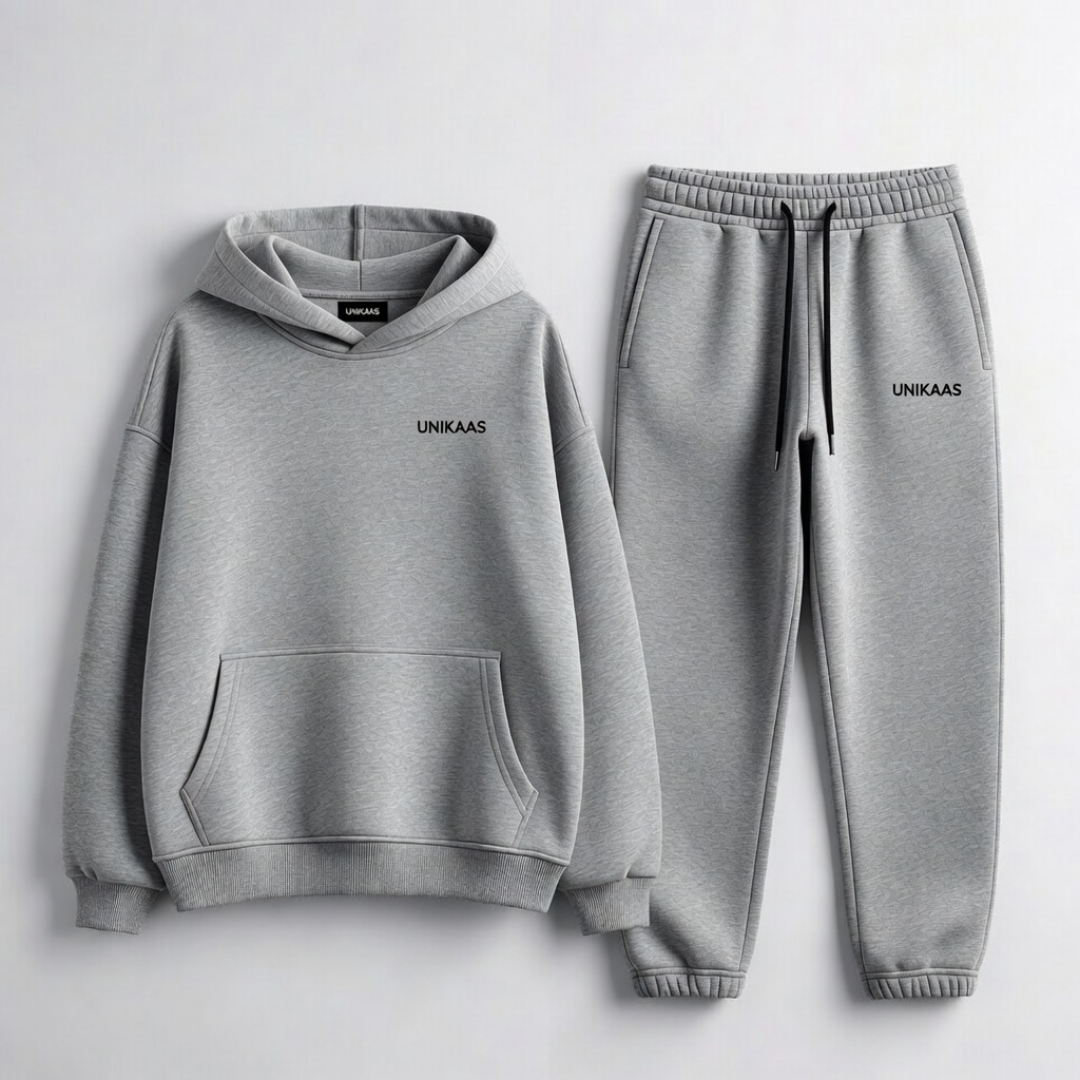
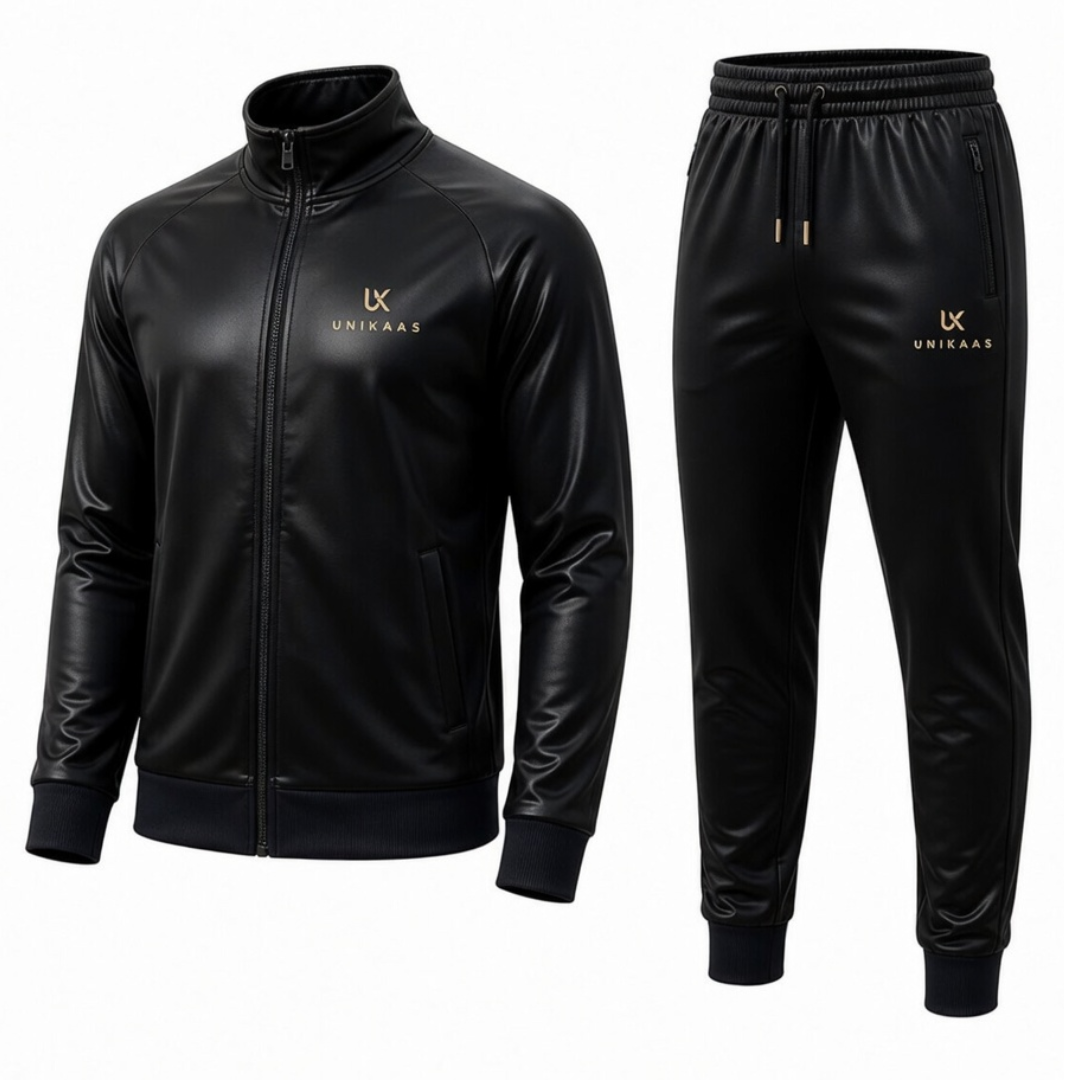
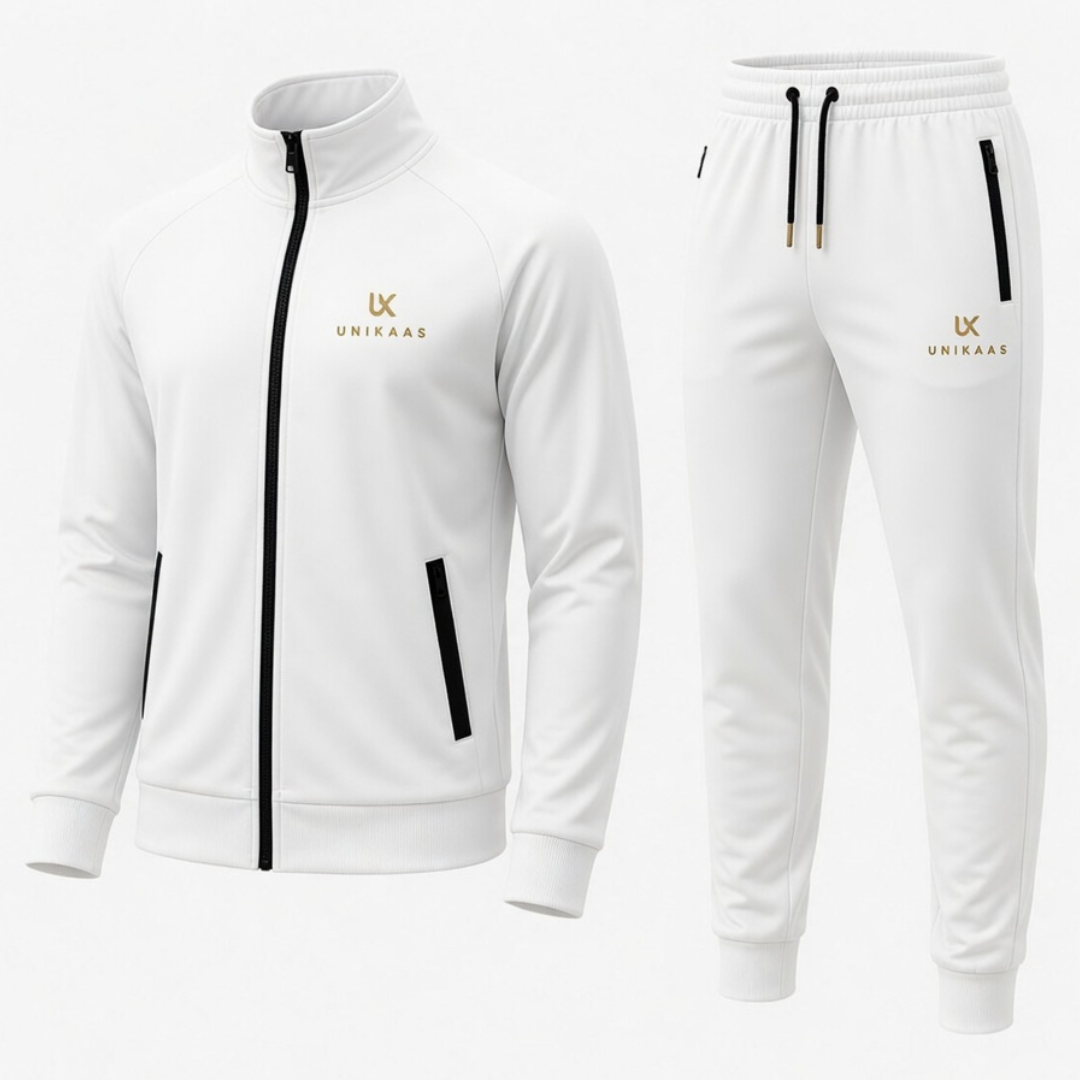
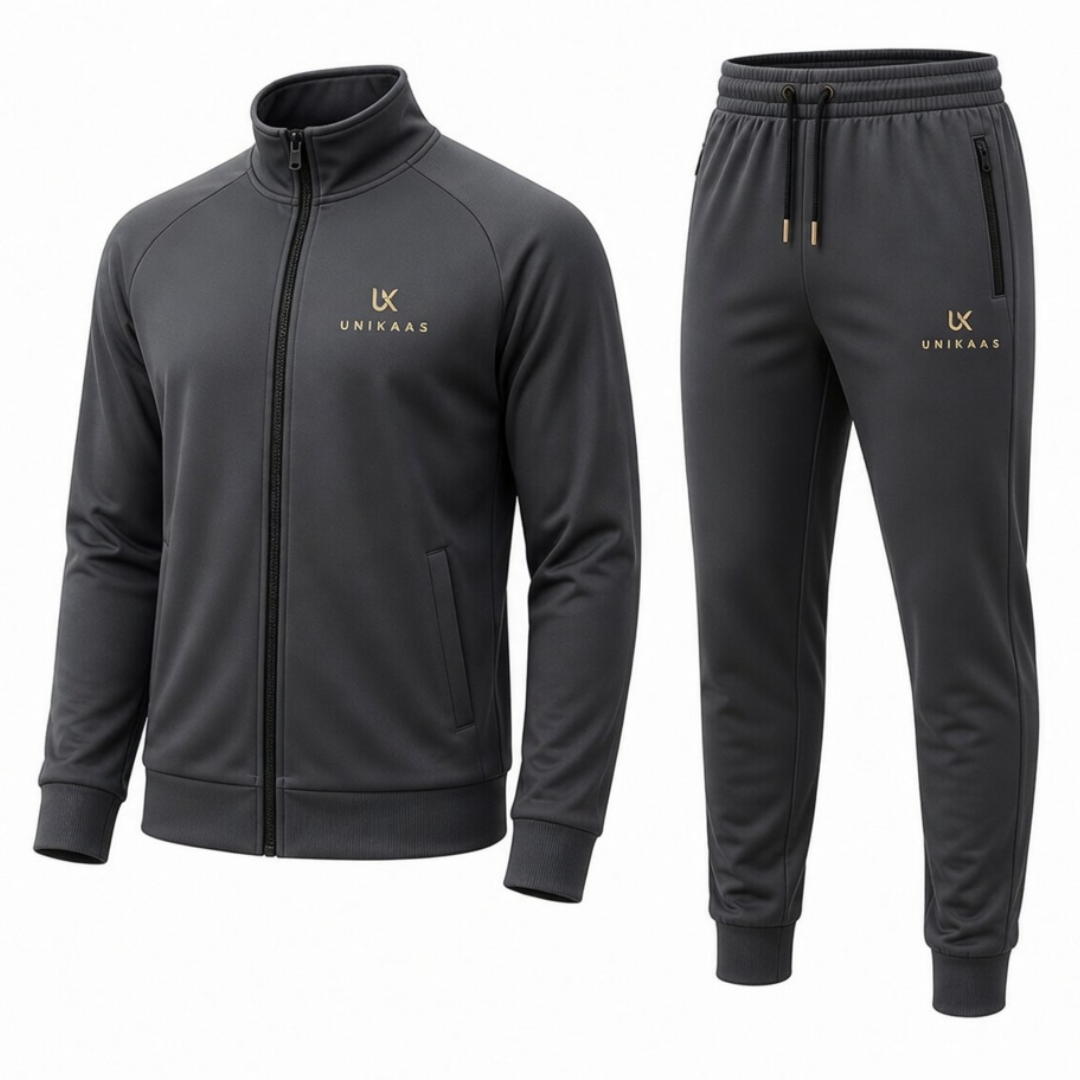
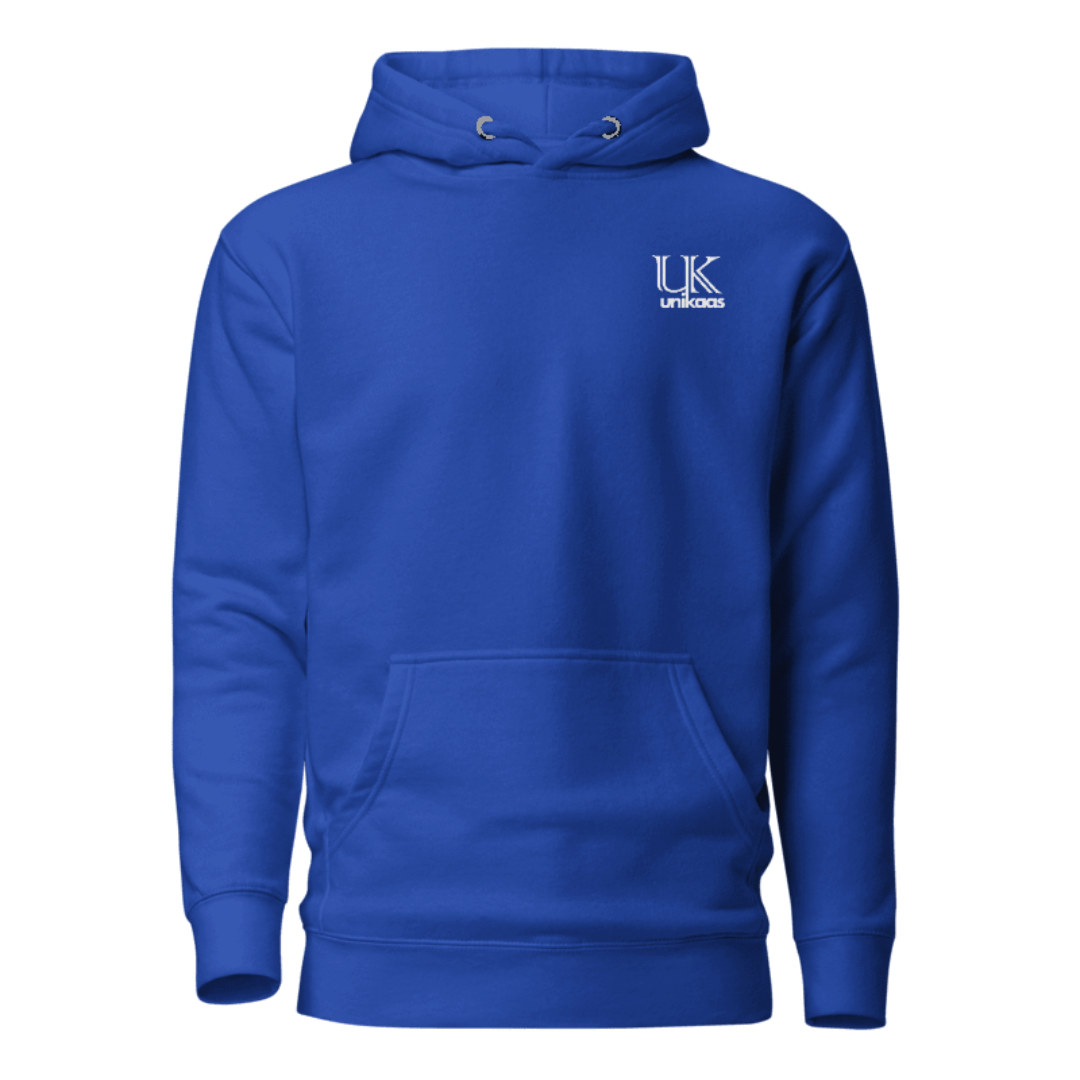
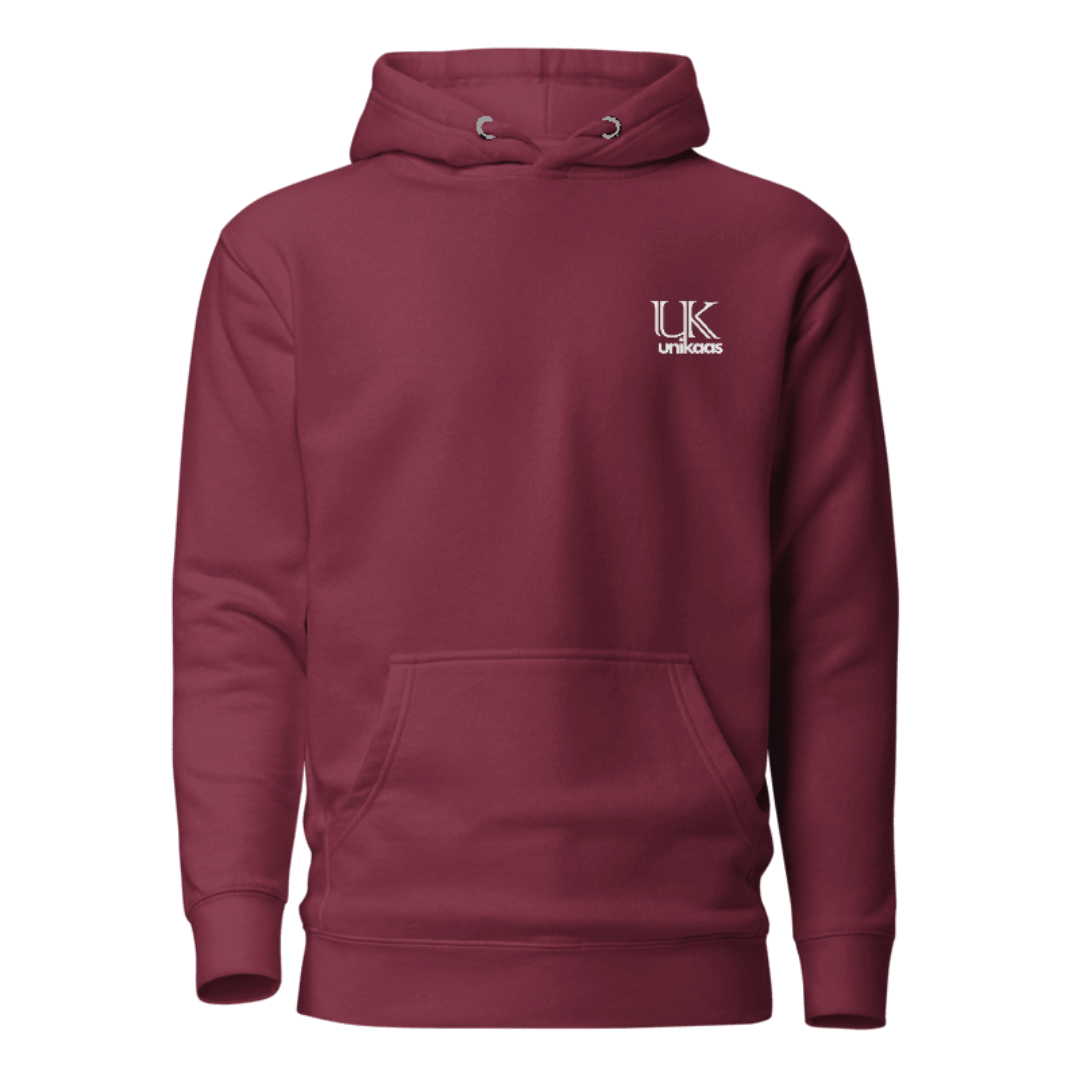
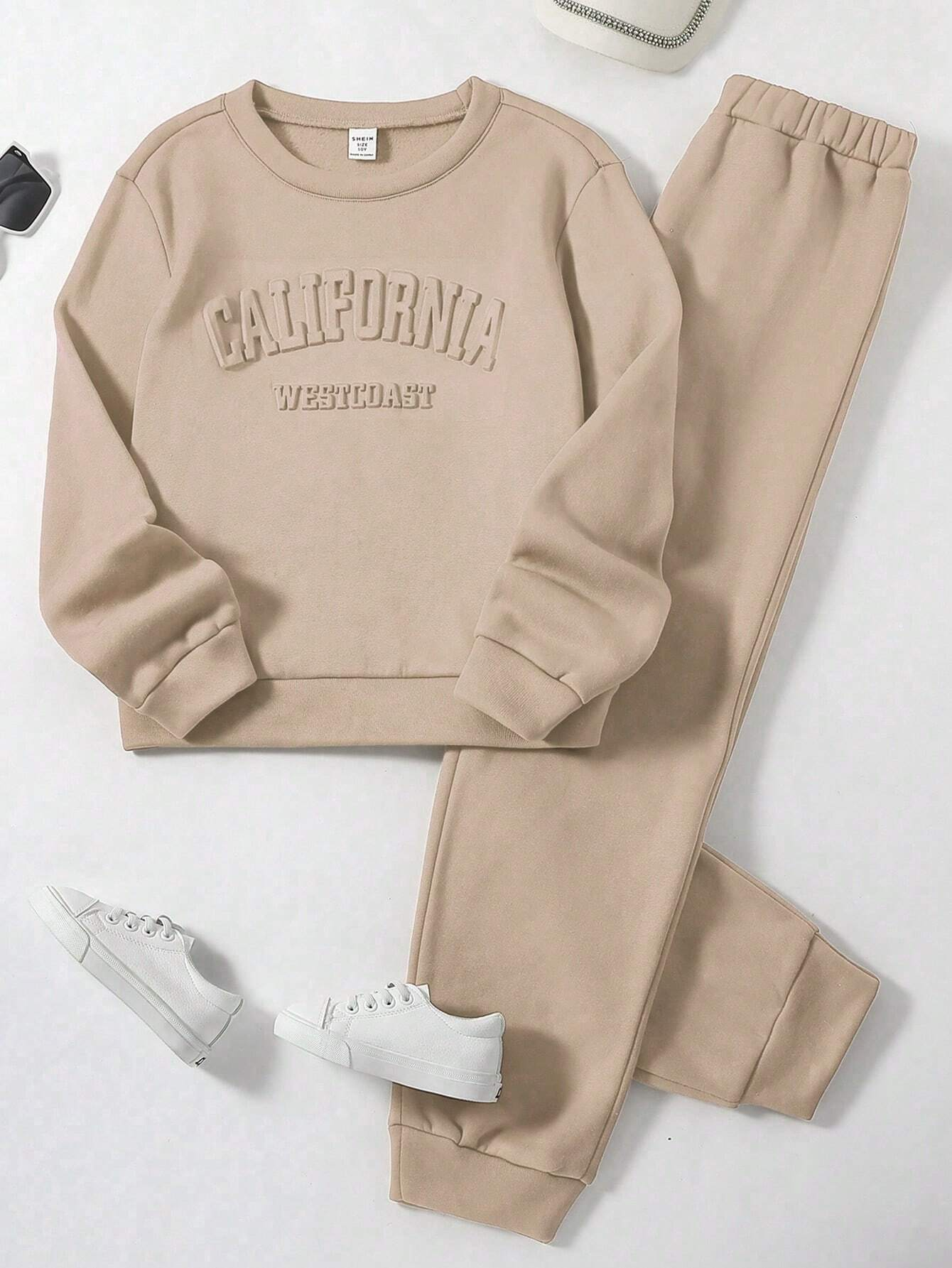
Factory made apparel refers to garments that are fully designed, branded, labeled, packaged, and prepared for direct retail sale before reaching consumers.
These garments usually include:
- Brand logos
- Printed graphics
- Fashion labels
- Hang tags
- Custom packaging
- Retail-ready presentation
Major clothing brands manufacture factory made apparel according to their own specifications. The garments are completed products that require no further customization.
Examples include:
- Branded sportswear
- Fashion retailer collections
- Designer clothing
- Seasonal apparel lines
- Licensed merchandise
- Retail fashion products
Factory made apparel is intended for consumers who purchase finished products rather than businesses that need garments for customization.
The manufacturer controls:
- Fabric selection
- Design development
- Color schemes
- Branding
- Packaging
- Retail presentation
Because of this, buyers have limited flexibility after production is complete.


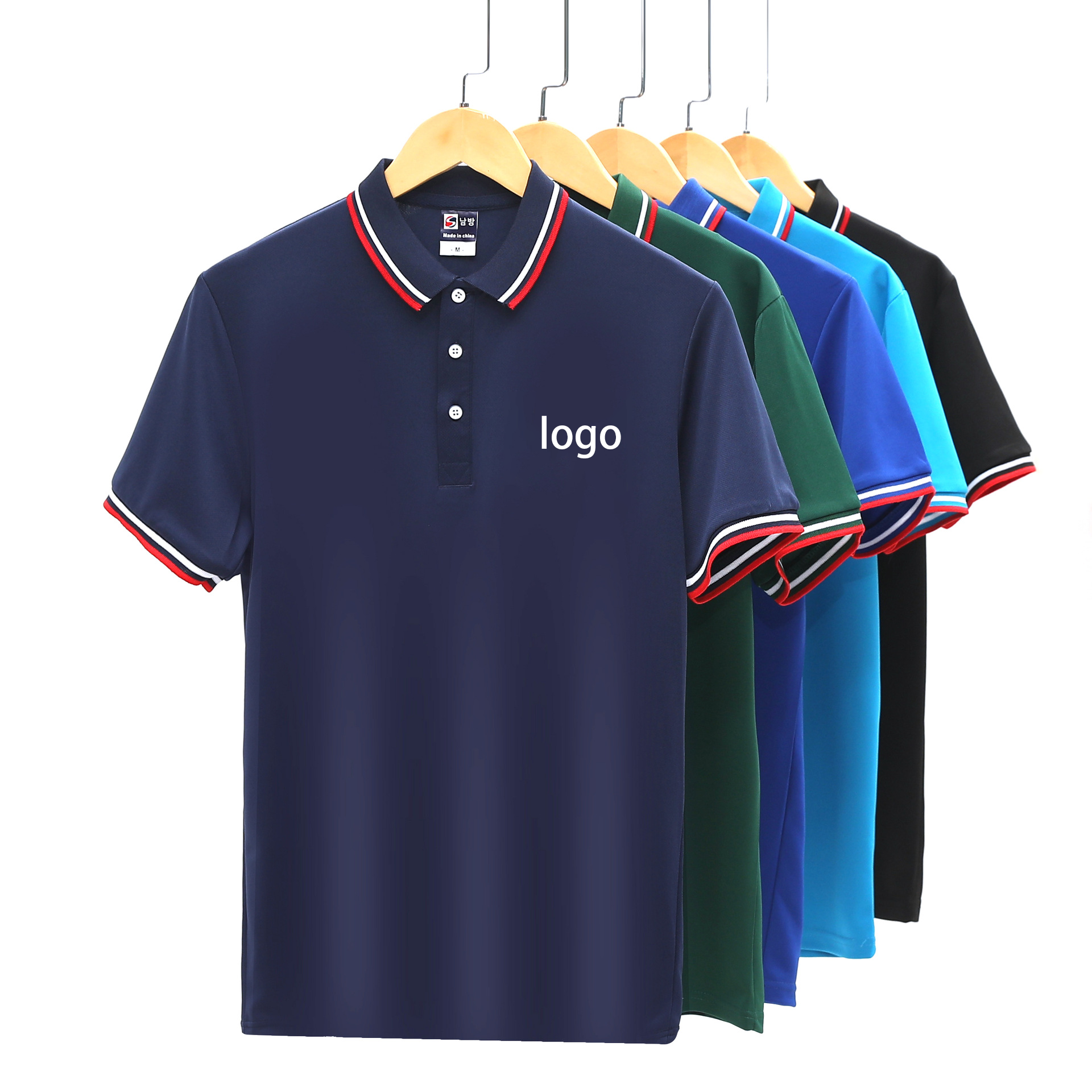
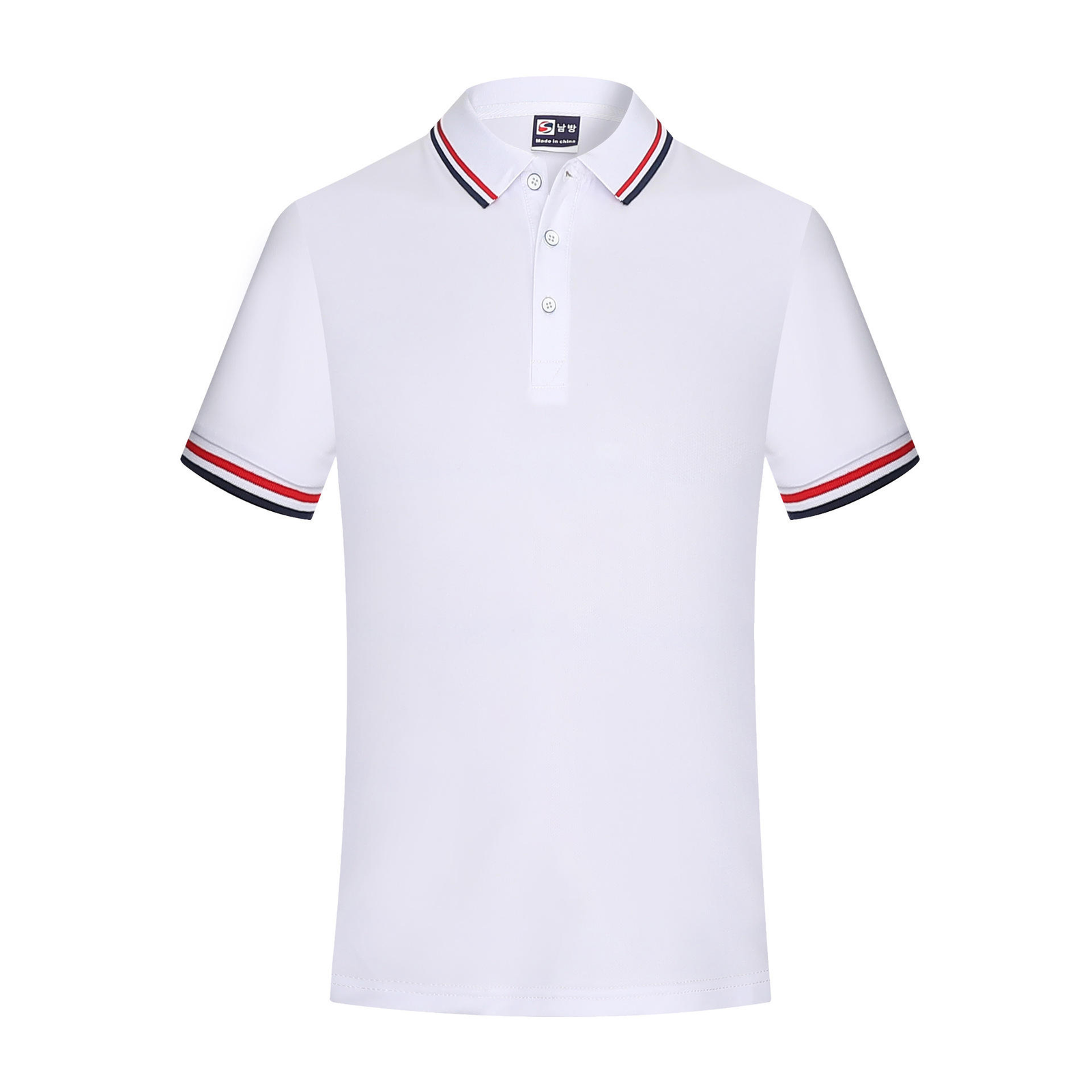
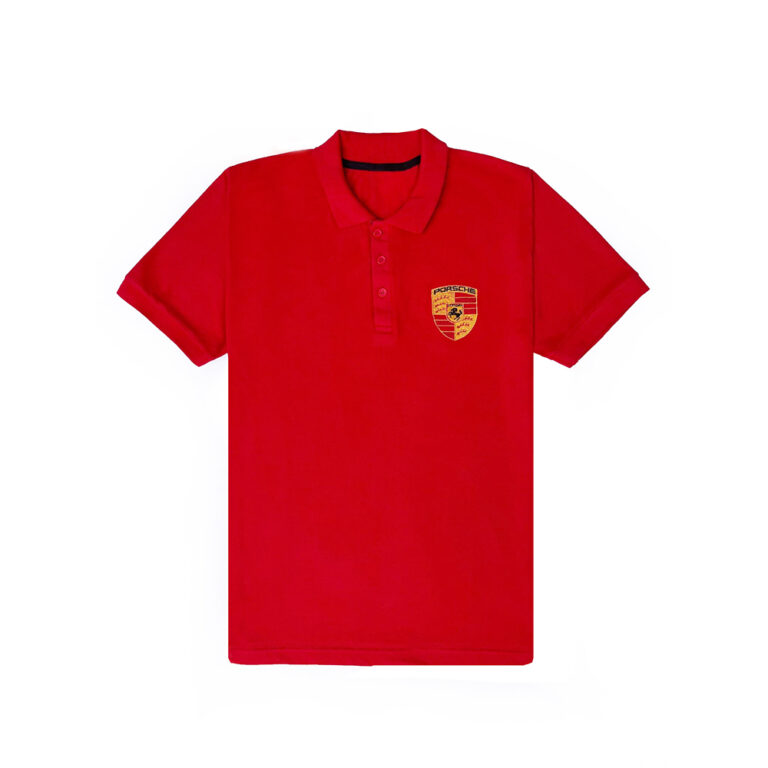
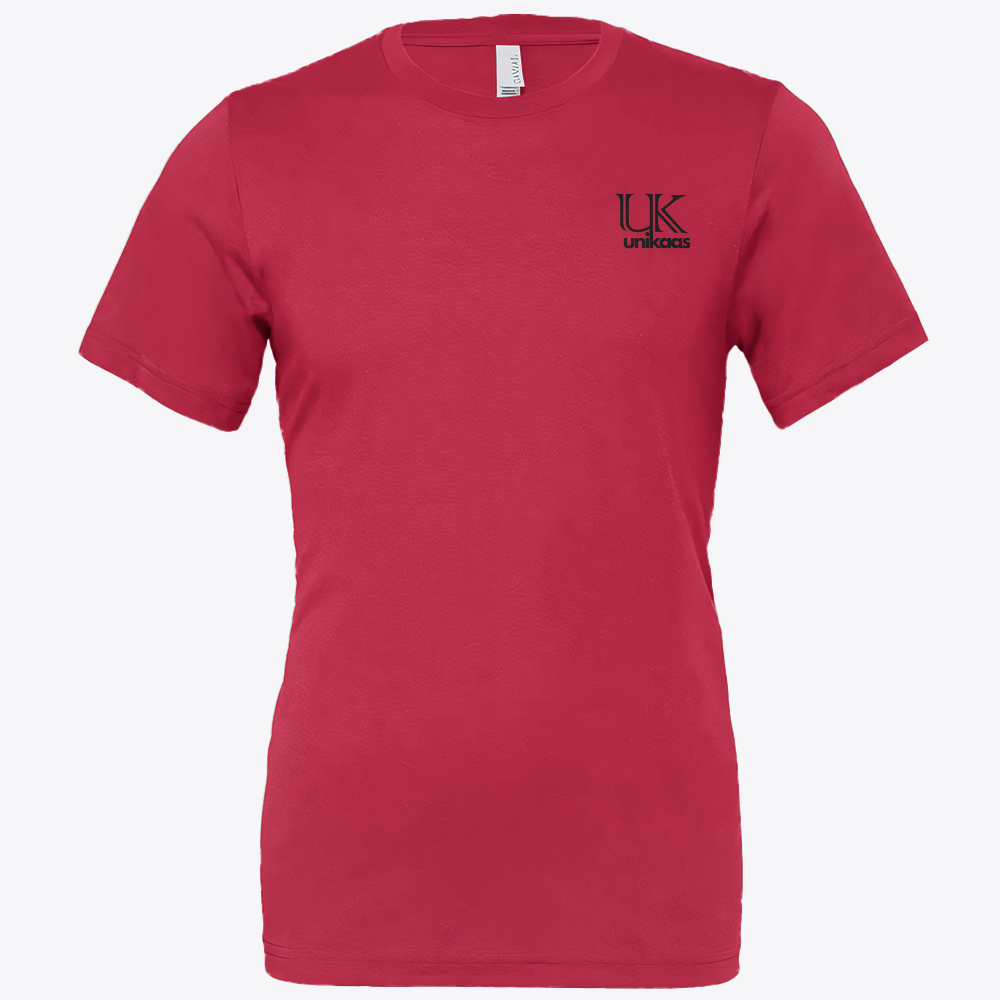
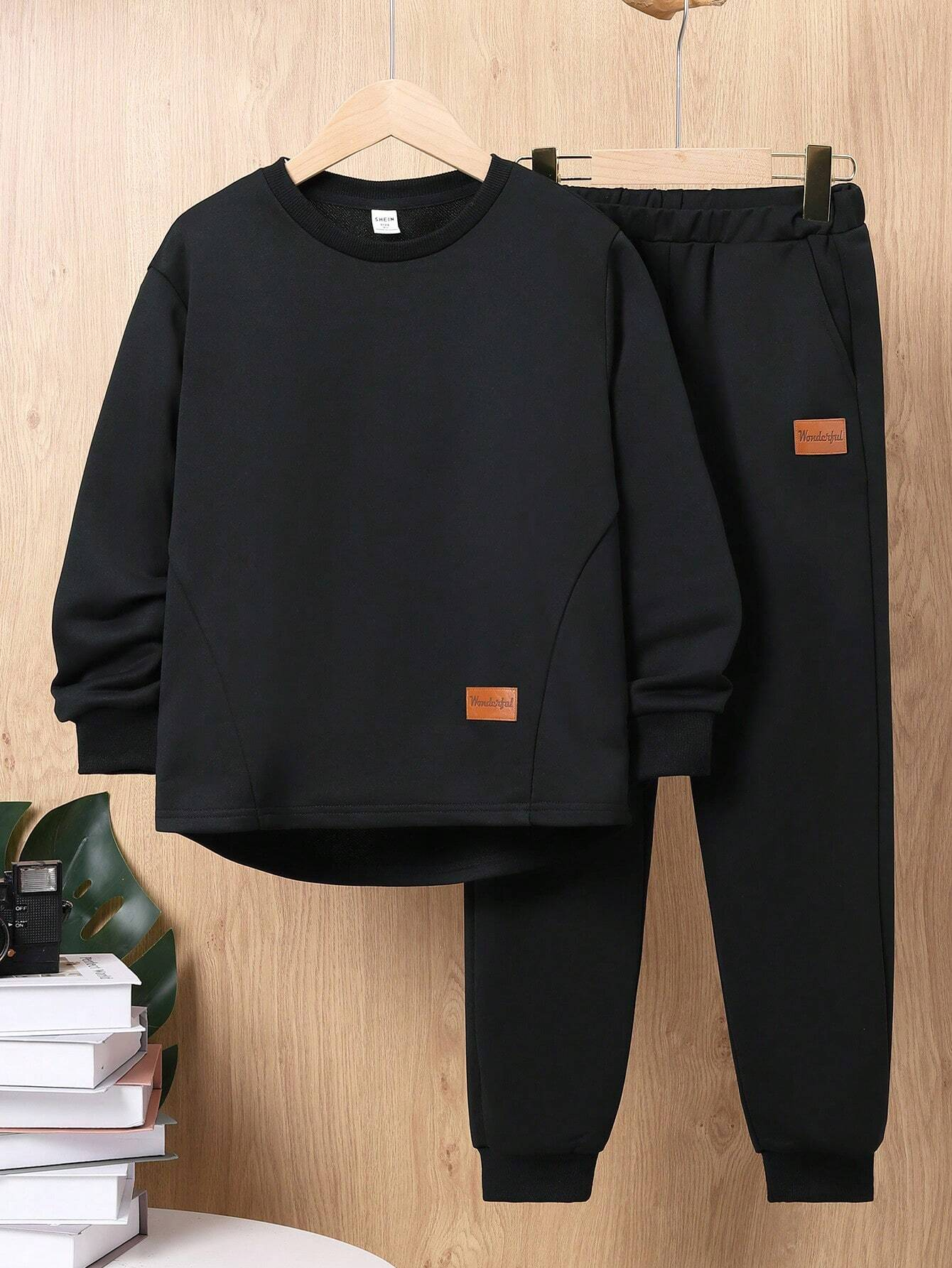
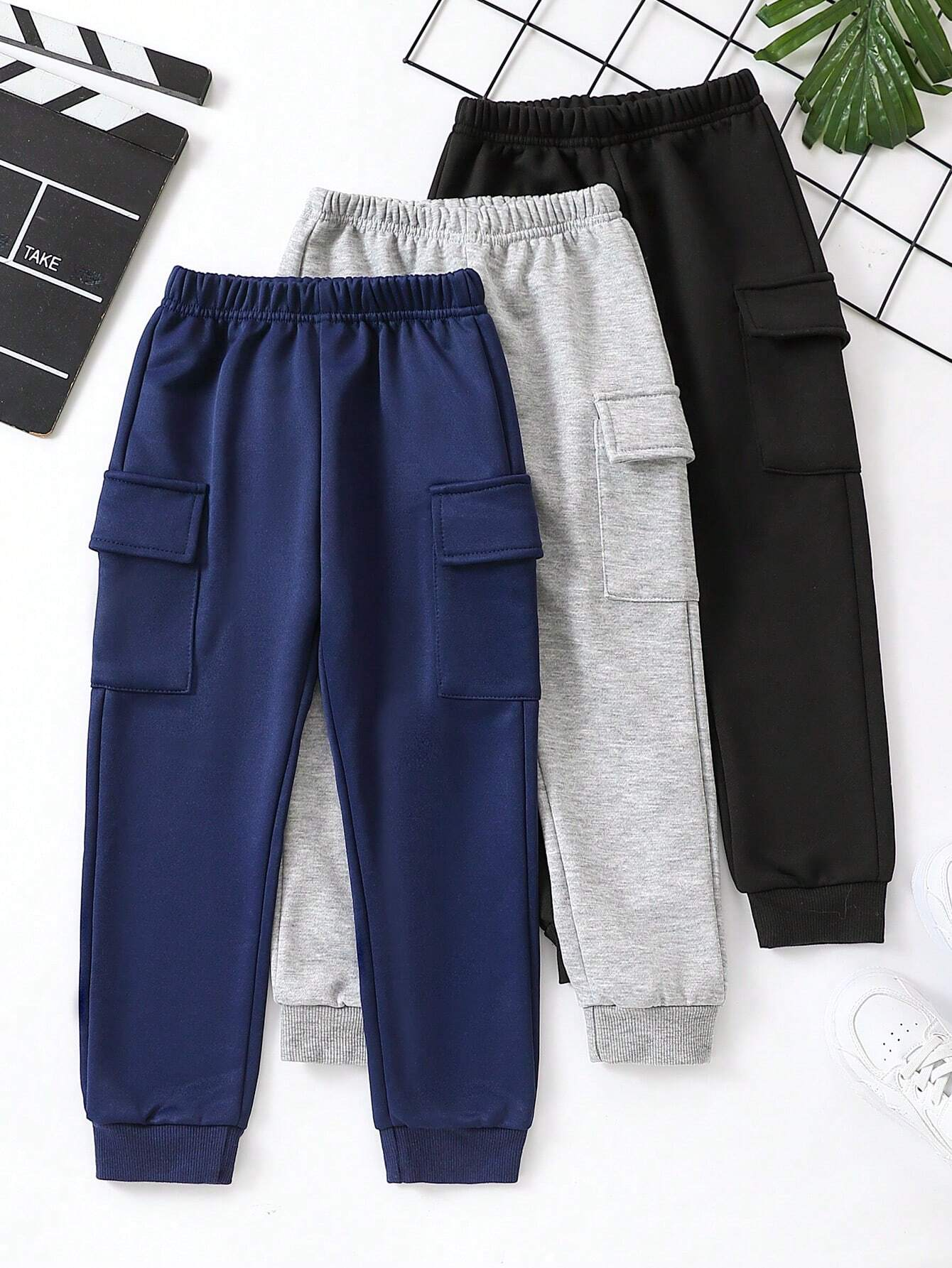
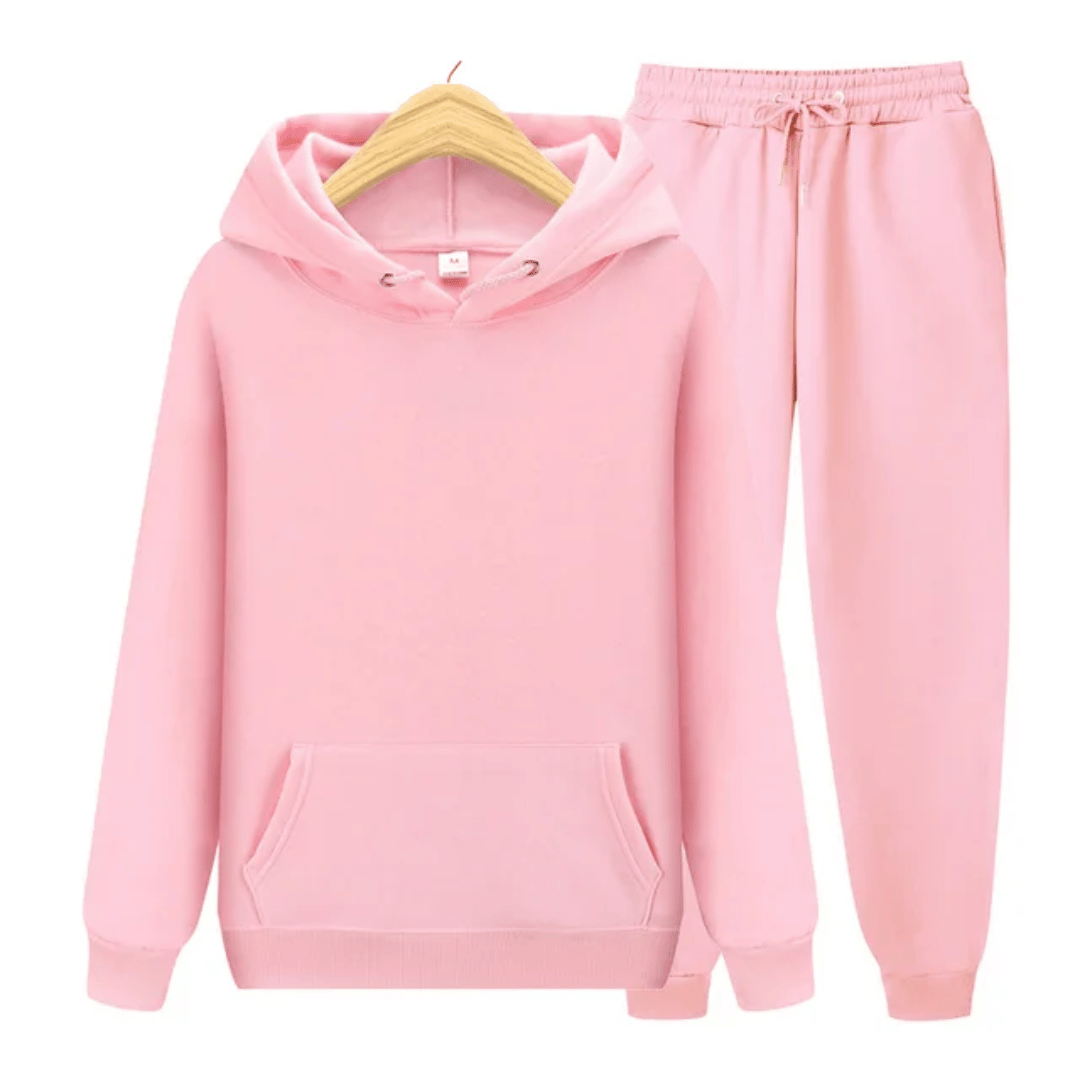
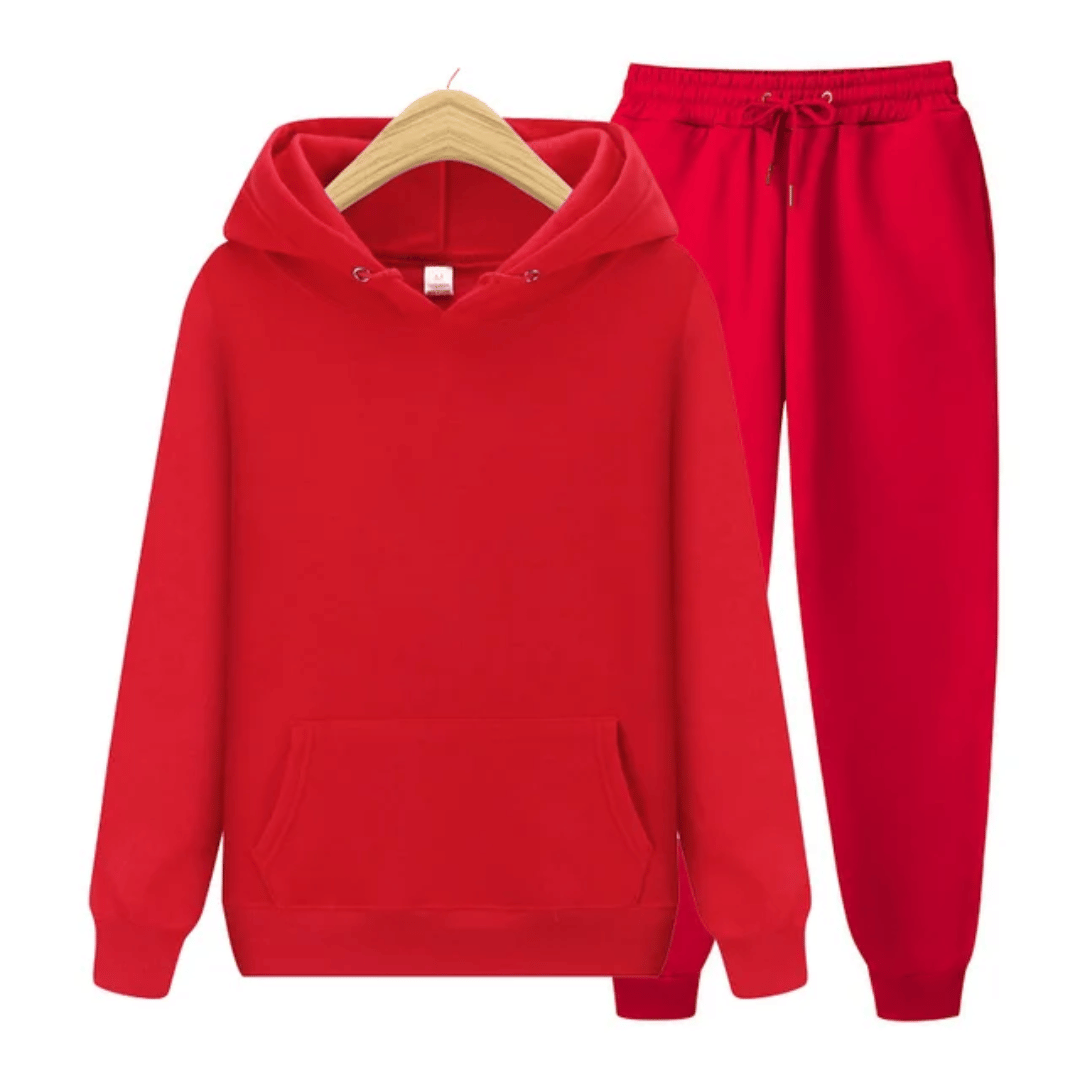
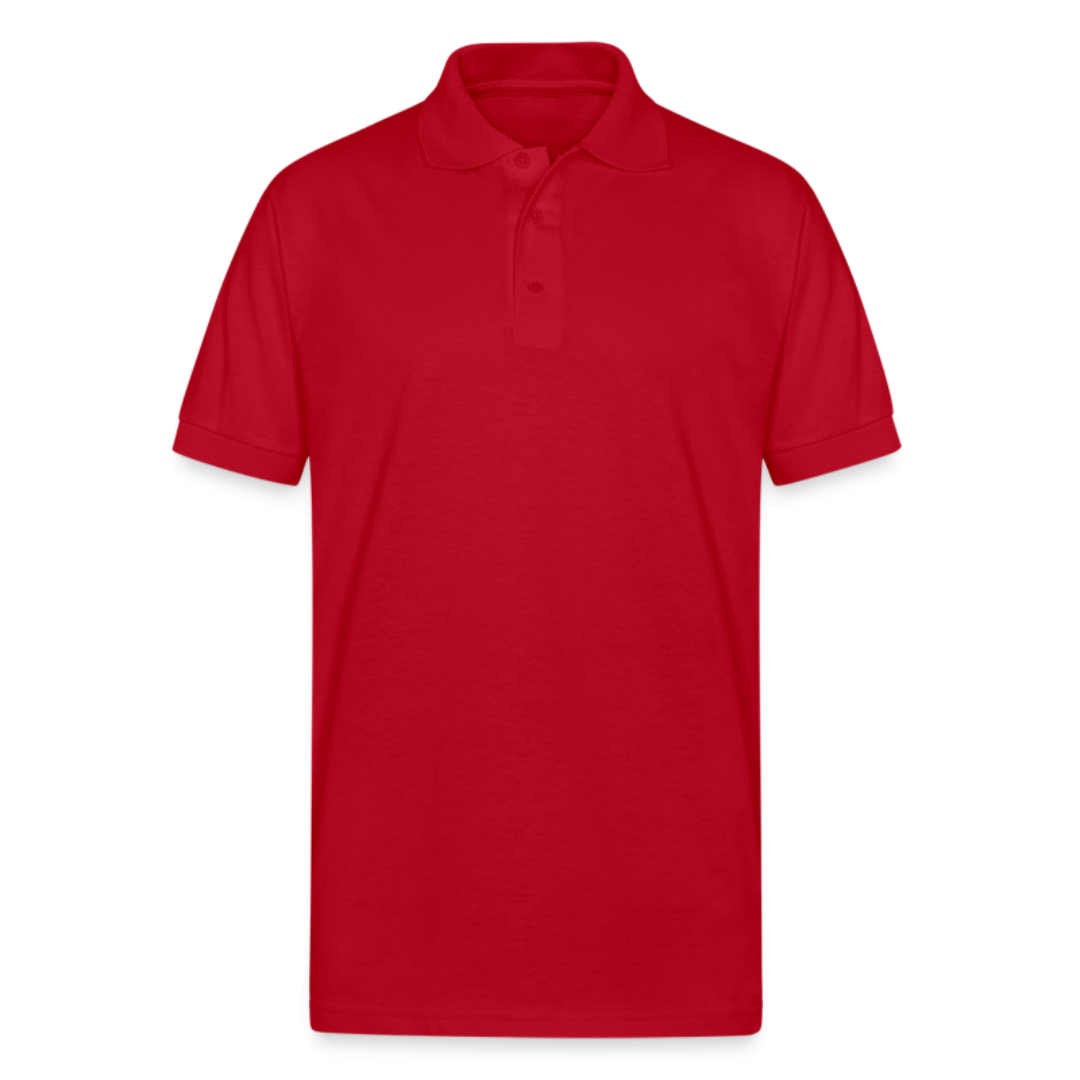
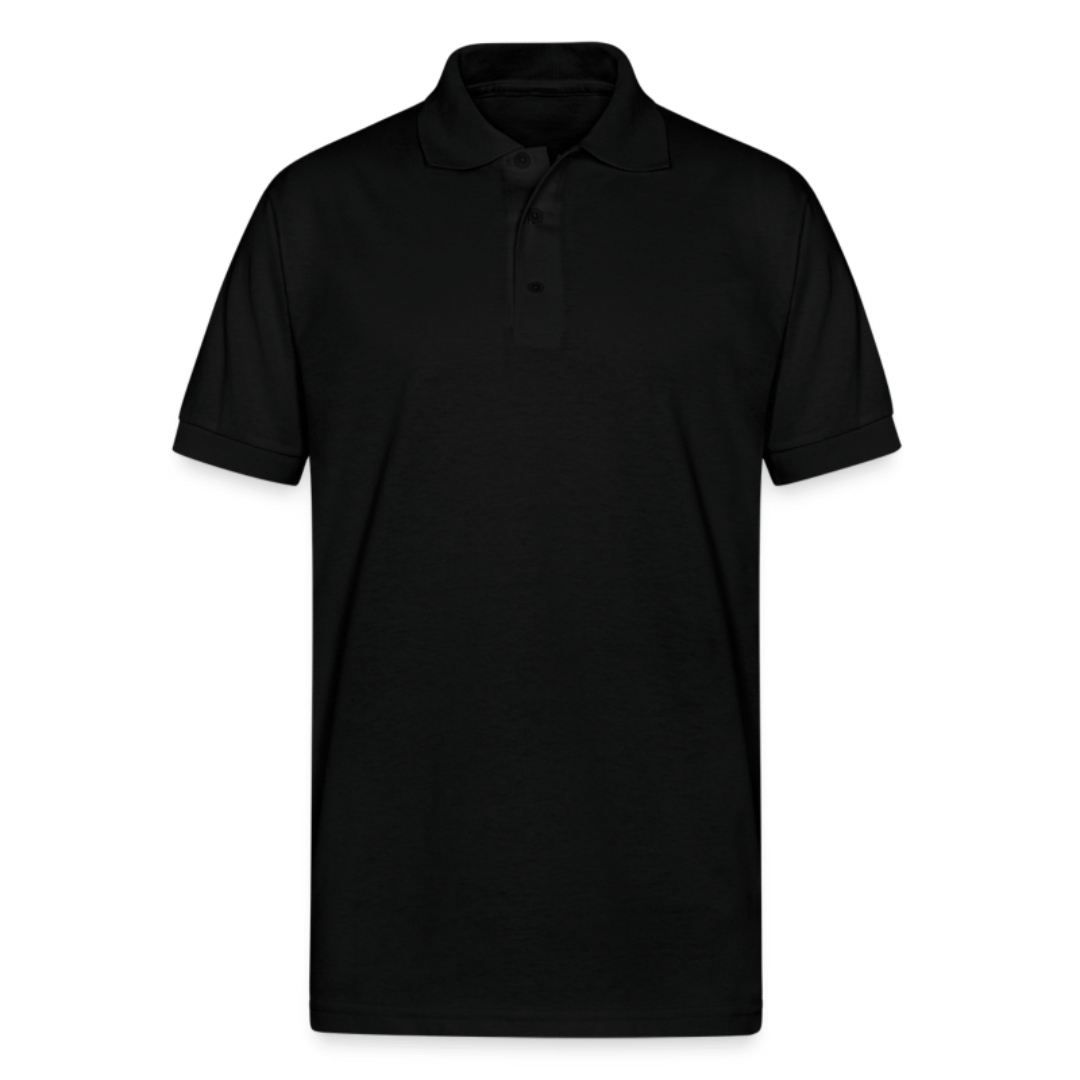
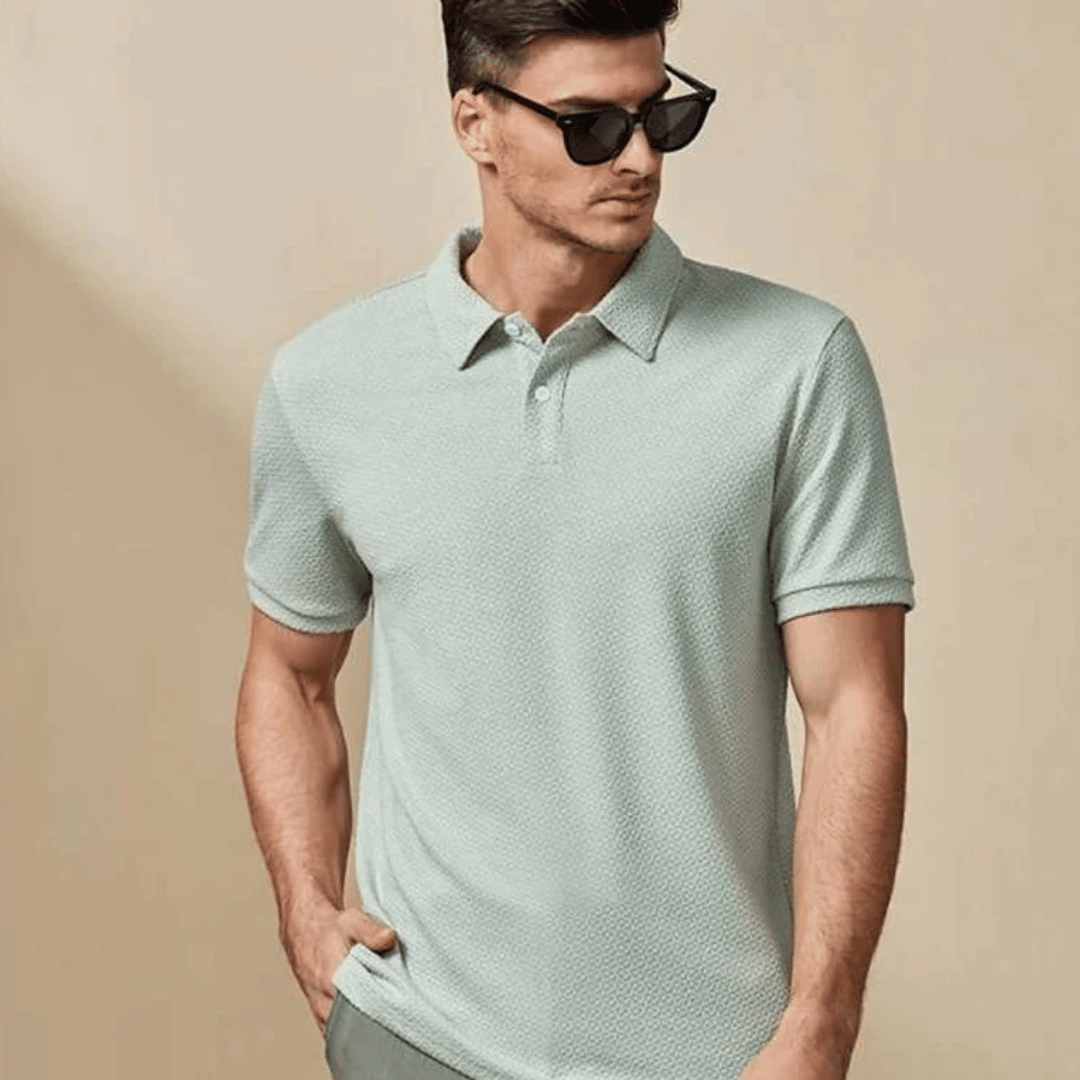

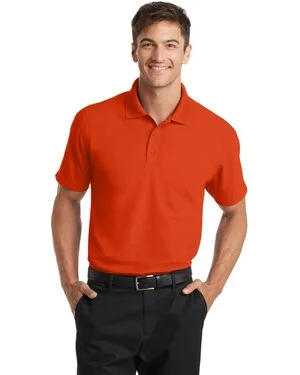
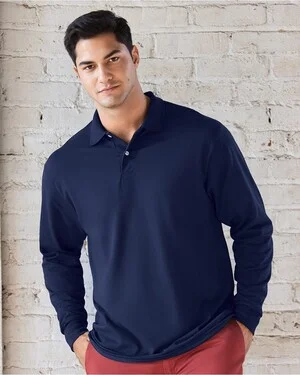
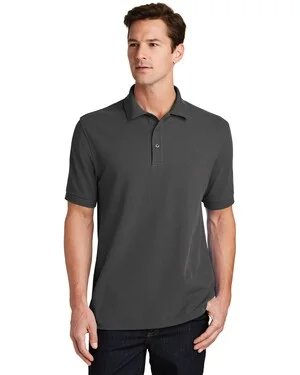
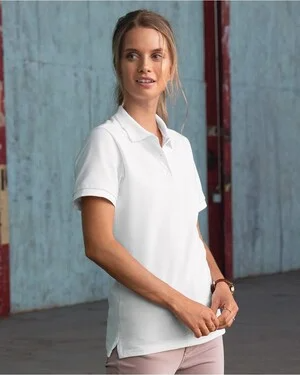
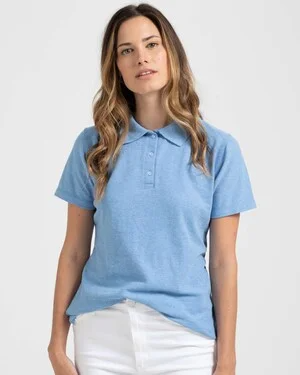
Get Custom Quote Now
What Is Blank Apparel?
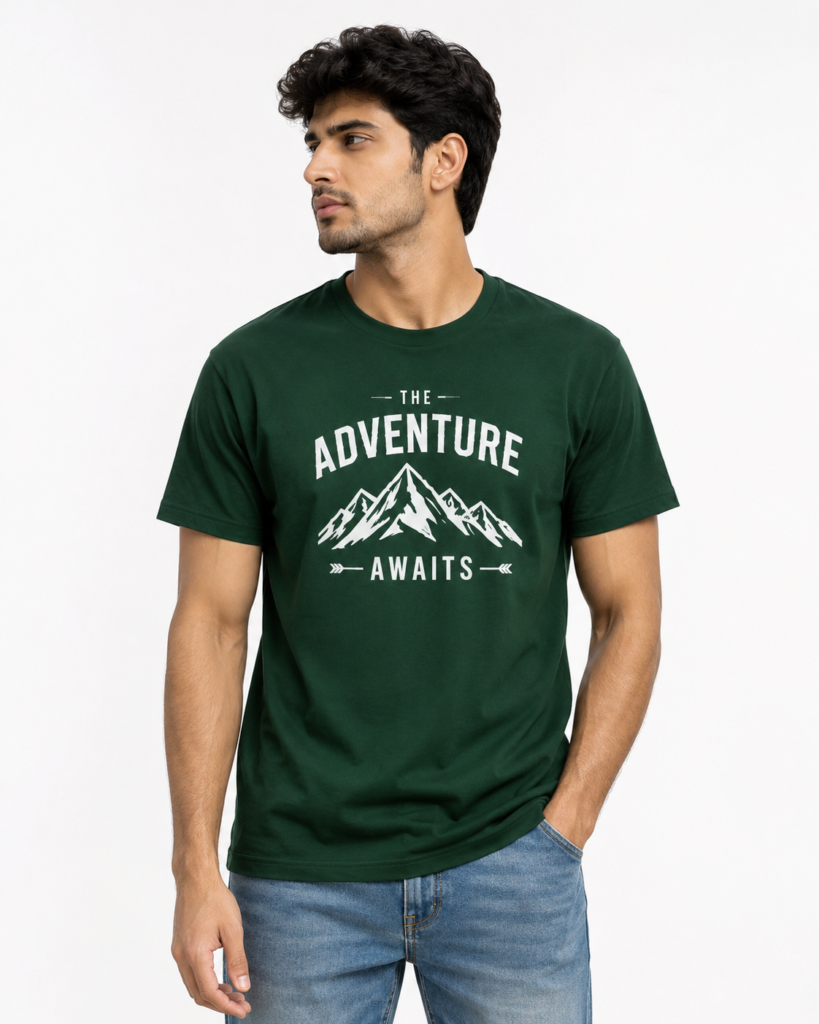
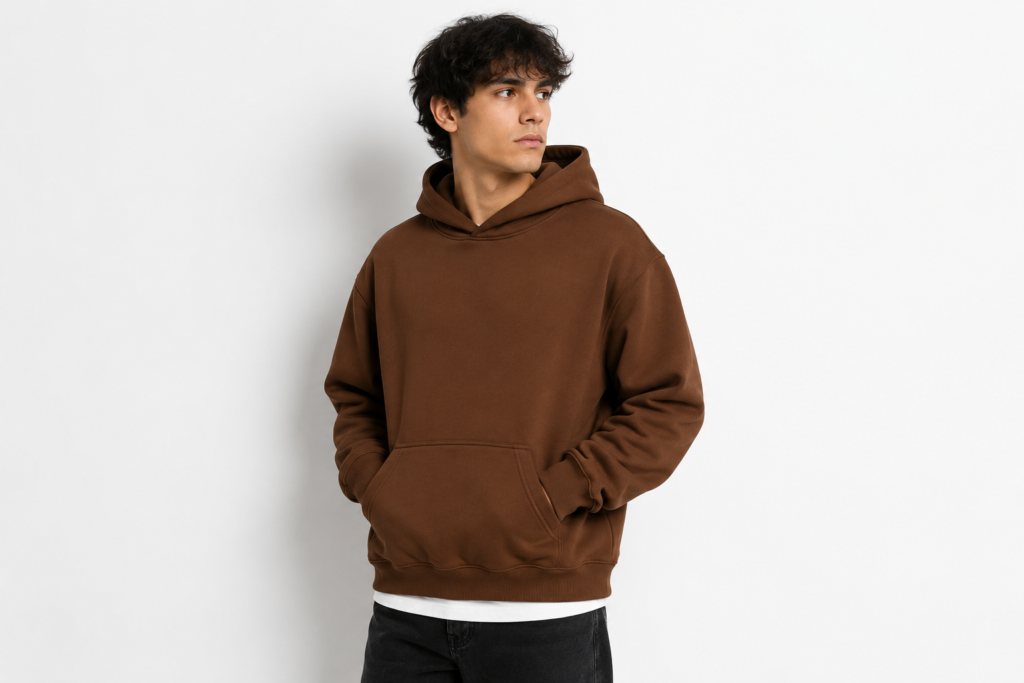
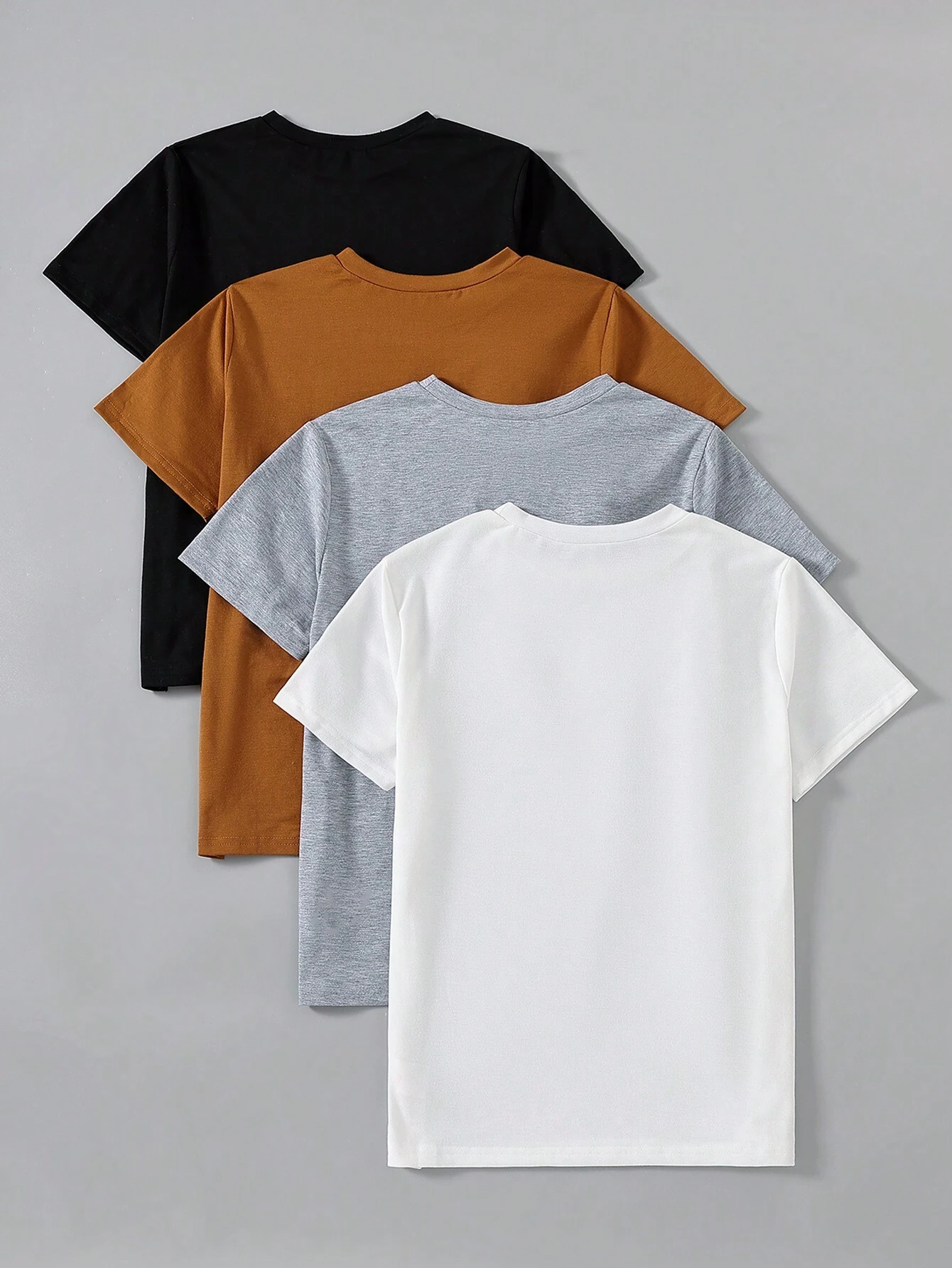
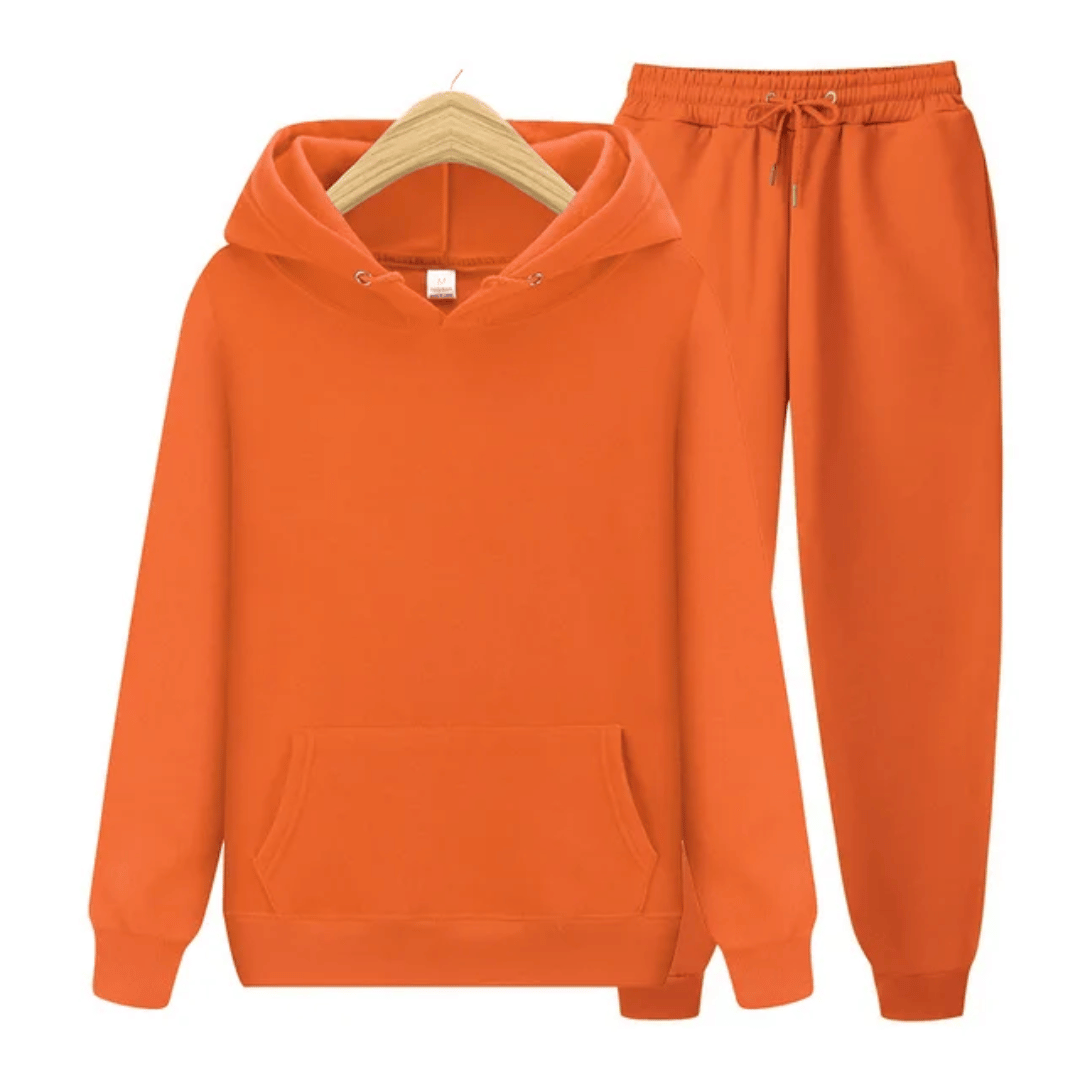
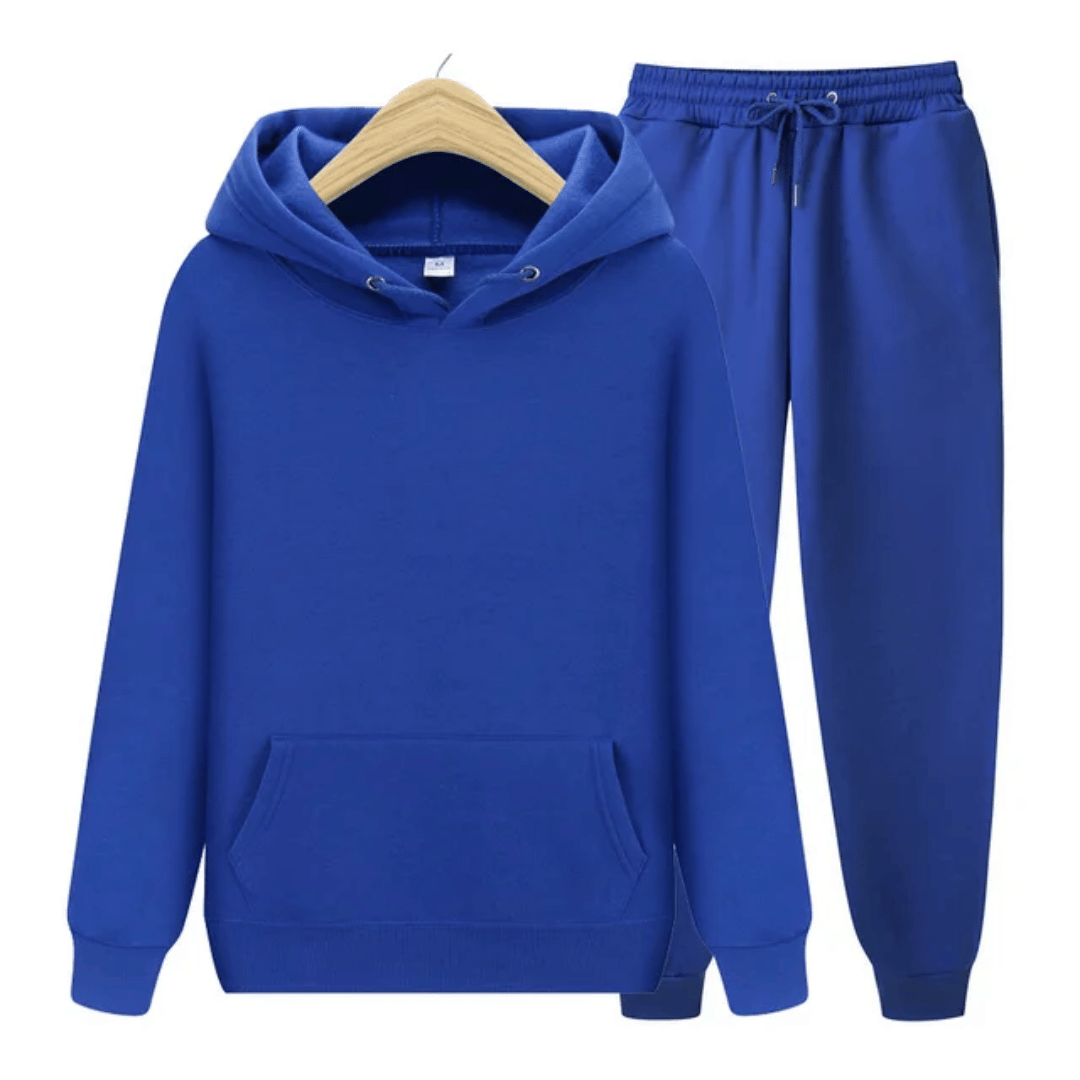
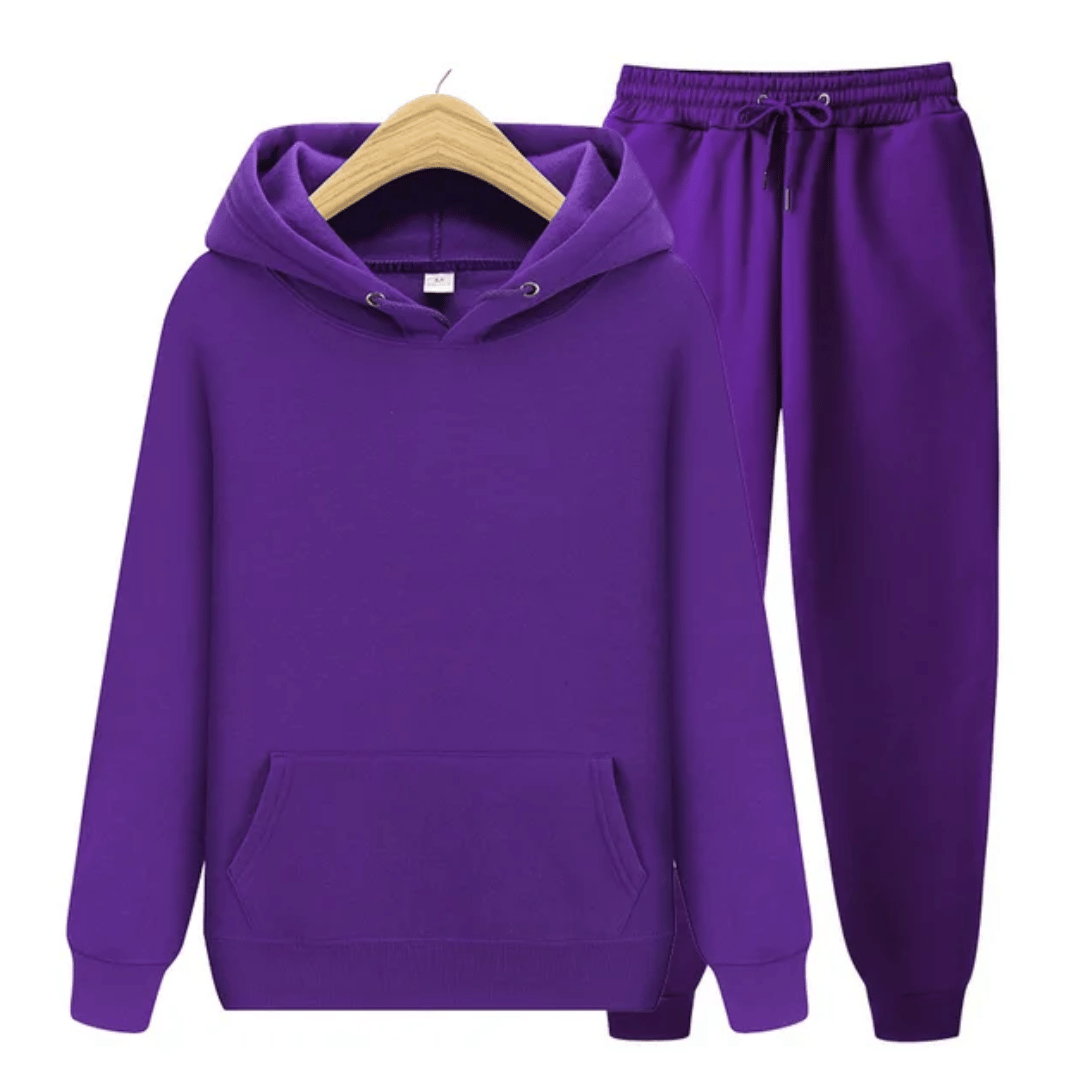
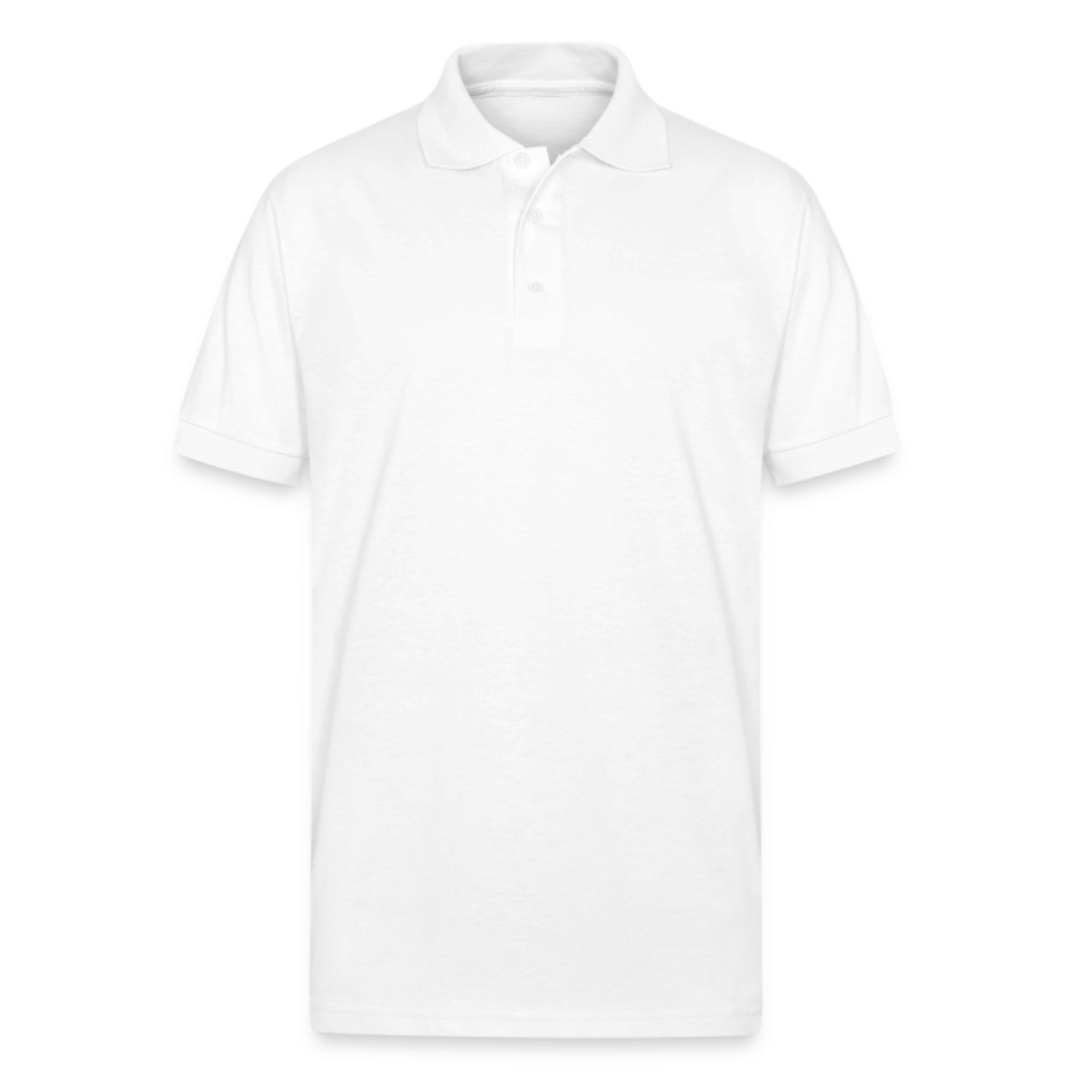
Blank apparel refers to garments manufactured without branding, graphics, artwork, or decorative elements.
These garments serve as blank canvases that can be customized according to customer requirements.
Common blank apparel products include:
- T-shirts
- Hoodies
- Sweatshirts
- Polo shirts
- Long sleeve shirts
- Performance wear
- Polyester garments
- Streetwear basics
Blank apparel is especially popular among:
- Screen printers
- Embroidery businesses
- Fashion startups
- Corporate branding companies
- Merchandising businesses
- Promotional product suppliers
Unlike factory made clothing, blank apparel allows businesses to create unique products after purchase.
For example, a business can source Plain T-Shirts in Bulk Wholesale and then add:
- Screen printing
- DTG printing
- Embroidery
- Heat transfer graphics
- Vinyl applications
- Brand labels
This flexibility is one of the biggest reasons blank apparel has become a dominant force in modern apparel manufacturing.
How Factory Made Apparel Is Manufactured
The manufacturing process for factory made garments typically follows a complete fashion production cycle.
Design Development
Fashion designers create concepts, sketches, patterns, and specifications.
Sampling
Prototype garments are produced and tested.
Production Planning
Manufacturers determine:
- Fabric requirements
- Color palettes
- Sizes
- Trims
- Labels
- Packaging
Mass Manufacturing
Large quantities are produced according to finalized specifications.
Branding Application
Logos, labels, graphics, and packaging are added.
Retail Distribution
Products are distributed directly to retailers and consumers.
The final garment reaches the market as a finished product with little room for modification.
How Blank Apparel Is Manufactured
Blank apparel manufacturing focuses on versatility rather than finished branding.
Manufacturers produce garments with neutral designs suitable for a wide range of customization techniques.
The process includes:
Fabric Selection
High-quality cotton, polyester, blends, fleece, and performance fabrics are chosen.
Businesses often source specialized products like Bulk Polyester Shirts for Sublimation because these garments are specifically engineered for customization.
Garment Construction
Factories create garments using standard cuts and sizing.
Quality Control
Blank garments undergo inspection for:
- Stitch quality
- Fabric consistency
- Fit accuracy
- Color consistency
Bulk Distribution
Products are supplied to wholesalers, decorators, printers, and retailers.
The garments remain unbranded and ready for customization.
Major Difference Between Factory Made and Blank Apparel
Although both categories originate from apparel factories, they differ significantly in purpose and functionality.
Purpose
Factory made apparel is intended for direct retail sale.
Blank apparel is intended for customization and branding.
Branding
Factory made garments already contain branding elements.
Blank apparel contains little or no branding.
Flexibility
Factory made apparel offers limited flexibility.
Blank apparel offers nearly unlimited customization opportunities.
Cost Structure
Factory made apparel often includes branding costs.
Blank apparel eliminates many of those expenses.
Business Applications
Factory made apparel targets consumers.
Blank apparel targets businesses and creators.
These distinctions significantly affect sourcing decisions.
Why Businesses Prefer Blank Apparel
The rise of custom apparel businesses has dramatically increased demand for blank garments.
Several factors contribute to this trend.
Lower Startup Costs
Launching a clothing brand using factory made products often requires:
- Design teams
- Large production runs
- Packaging development
- Label creation
- Inventory investment
Blank apparel simplifies the process.
Businesses can start with smaller investments by purchasing Purchase Shirts in Bulk and customizing them according to customer demand.
Faster Market Entry
Creating factory made apparel can take months.
Blank apparel allows businesses to launch products almost immediately.
Entrepreneurs can focus on:
- Marketing
- Design
- Customer acquisition
rather than managing complex manufacturing processes.
Reduced Inventory Risk
Blank garments can serve multiple product lines.
A single blank hoodie can become:
- Corporate merchandise
- Team apparel
- Streetwear
- Event merchandise
- Promotional clothing
This flexibility reduces unsold inventory risk.
Cost Comparison Between Factory Made and Blank Apparel
Cost is one of the most important factors when choosing apparel sourcing methods.
Factory made garments include numerous expenses:
- Design costs
- Product development
- Branding
- Packaging
- Marketing
- Licensing
- Retail distribution
These expenses increase the final garment price.
Blank apparel focuses on garment production without many additional costs.
For example, businesses sourcing Plain Hoodies for Printing can allocate more budget toward customization and marketing rather than paying for pre-existing branding.
This often results in higher profit margins.
Quality Comparison
A common misconception is that blank apparel is lower quality than factory made clothing.
In reality, quality depends on:
- Fabric weight
- Construction standards
- Manufacturing processes
- Quality control systems
Many premium blank apparel manufacturers produce garments equal to or better than retail fashion brands.
Examples include:
- Ring-spun cotton shirts
- Heavyweight hoodies
- Premium fleece garments
- Performance wear
Products such as Dri Fit T-Shirts Bulk demonstrate how blank apparel can meet demanding quality standards while remaining suitable for customization.
Customization Potential
Customization is where blank apparel truly outperforms factory made garments.
Businesses can transform blank garments into unique branded products using:
Screen Printing
Ideal for large-volume orders.
Direct-to-Garment Printing
Perfect for detailed artwork.
Embroidery
Adds premium branding.
Heat Transfers
Suitable for small runs.
Sublimation
Excellent for polyester garments.
The ability to customize apparel after purchase provides businesses with unmatched flexibility and creativity.
Apparel Industry Trends Driving Blank Apparel Growth
Several market trends continue to increase demand for blank apparel worldwide.
Print-On-Demand Expansion
Print-on-demand businesses rely heavily on blank garments.
Creator Economy Growth
Content creators need merchandise without investing in large manufacturing operations.
Corporate Branding
Businesses increasingly use customized apparel for marketing.
Event Merchandise
Conferences, festivals, and organizations require branded clothing quickly.
Streetwear Brands
Many startup streetwear labels launch collections using premium blank garments before transitioning to custom manufacturing.
These trends continue driving demand for high-quality blank apparel worldwide.
Profit Margin Differences Between Factory Made and Blank Apparel
One of the biggest reasons entrepreneurs, clothing brands, and merchandise companies choose blank apparel is profit potential. Understanding how margins work can help businesses determine which sourcing strategy aligns with their goals.
Factory made apparel generally includes numerous built-in costs before the garment even reaches the buyer. These costs may include:
- Product design
- Pattern development
- Brand licensing
- Marketing campaigns
- Packaging
- Retail distribution
- Brand markups
Every step adds cost to the final product.
When a retailer purchases factory made apparel, they are paying for the entire brand ecosystem rather than just the garment itself.
Blank apparel works differently.
The primary cost is the garment itself. Since branding, graphics, and customization are not included, businesses can purchase products at competitive wholesale rates and add value afterward.
For example, a startup can source Wholesale T-Shirts and apply custom designs that significantly increase perceived value. A shirt purchased at a wholesale rate can be transformed into a premium branded product through creative design and effective marketing.
This model allows businesses to:
- Control pricing
- Manage branding
- Adjust production volumes
- Improve margins
- Test multiple product ideas
The ability to create unique products without investing in complete garment manufacturing gives blank apparel a significant advantage for emerging brands.
Why Startups Usually Choose Blank Apparel First
Starting a clothing brand from scratch can be expensive.
Many entrepreneurs dream of developing fully custom garments immediately, but the reality often involves significant financial challenges.
Factory made production usually requires:
- High minimum order quantities
- Custom fabric sourcing
- Pattern creation
- Product sampling
- Label manufacturing
- Packaging design
These requirements increase startup costs substantially.
Blank apparel provides a practical alternative.
Instead of investing thousands of dollars into custom manufacturing, startups can launch products using high-quality blanks and focus their resources on:
- Building a brand identity
- Creating unique graphics
- Marketing campaigns
- Social media growth
- Customer acquisition
Many successful clothing brands began with blank apparel before transitioning into fully custom production.
A new streetwear brand, for instance, can source Vintage T-Shirt Blank products and add unique artwork, creating premium collections without the risks associated with custom manufacturing.
This approach allows entrepreneurs to validate demand before committing to larger investments.
Supply Chain Differences
Supply chain management plays a critical role in apparel businesses.
The supply chain for factory made apparel is generally more complex because multiple stages are involved before products reach consumers.
A typical factory made apparel supply chain includes:
- Product design
- Material sourcing
- Sampling
- Manufacturing
- Branding
- Packaging
- Warehousing
- Distribution
- Retail sales
Each stage requires time, coordination, and resources.
Blank apparel supply chains are often more streamlined.
The process usually involves:
- Fabric sourcing
- Garment manufacturing
- Quality control
- Wholesale distribution
- Customer customization
The simplified structure allows faster inventory turnover and improved responsiveness to market trends.
Businesses can react quickly to customer demand without waiting for lengthy production cycles.
This flexibility has become increasingly valuable in today’s fast-moving apparel market.
Inventory Management Comparison
Inventory management can determine whether an apparel business succeeds or struggles.
Factory made apparel often creates inventory challenges because products are highly specific.
If a branded design does not sell well, businesses may be left with:
- Unsold inventory
- Seasonal stock
- Outdated styles
- Excess packaging
These factors can reduce profitability.
Blank apparel offers more versatility.
A blank hoodie can serve multiple purposes:
- Corporate apparel
- School merchandise
- Sports teams
- Fashion brands
- Promotional campaigns
This versatility makes inventory easier to manage.
Products such as Blank Hooded Sweatshirts Wholesale can support numerous customer segments, reducing the risk associated with holding inventory.
Businesses benefit from greater flexibility and improved inventory efficiency.
Custom Printing and Decoration Opportunities
One of the most important advantages of blank apparel is compatibility with modern decoration methods.
Factory made garments often have existing graphics or branding that limit customization opportunities.
Blank garments are intentionally designed to accommodate decoration.
Popular customization techniques include:
Screen Printing
Screen printing remains one of the most cost-effective methods for bulk apparel decoration.
It is ideal for:
- Event merchandise
- Promotional apparel
- Corporate uniforms
- Clothing brands
Embroidery
Embroidery provides a premium appearance that works particularly well for:
- Corporate branding
- Uniforms
- Luxury apparel
- Team wear
Direct-to-Garment Printing
DTG printing enables highly detailed designs with full-color graphics.
This method is especially popular among print-on-demand businesses.
Heat Transfer Vinyl
Heat transfer applications offer flexibility for small orders and personalized apparel.
Sublimation Printing
Sublimation printing is highly effective on polyester fabrics.
Businesses often choose Bulk Polyester Shirts for Sublimation because these garments are specifically engineered to produce vibrant, durable prints.
The wide range of customization options makes blank apparel suitable for virtually any branding strategy.
Blank Apparel and the Rise of Streetwear
Streetwear has become one of the most influential segments of modern fashion.
Many emerging streetwear brands rely heavily on blank apparel during their early growth stages.
Premium blank garments provide:
- Consistent quality
- Reliable sizing
- Fast availability
- Lower investment requirements
Instead of manufacturing garments from scratch, designers can focus on:
- Artwork
- Brand storytelling
- Marketing
- Community building
Products such as Long Sleeve T-Shirt Blanks and heavyweight hoodies often serve as the foundation for successful streetwear collections.
As brands grow, they may transition to fully custom manufacturing, but blank apparel frequently serves as the launching pad.
Wholesale Apparel Purchasing Advantages
Wholesale purchasing is another area where blank apparel offers significant benefits.
Buying factory made apparel wholesale still involves paying for branding and product development costs embedded within the product.
Blank apparel wholesale focuses on garment value.
Benefits include:
- Lower unit costs
- Better scalability
- Consistent inventory
- Faster fulfillment
- Greater customization potential
Businesses sourcing Purchase Shirts in Bulk can create multiple product lines from a single inventory source.
This efficiency is particularly important for growing companies that need to manage costs carefully.
Global Demand for Blank Apparel
Demand for blank apparel continues to increase worldwide.
Several factors are driving this growth:
E-commerce Expansion
Online stores make it easier than ever to launch apparel businesses.
Print-on-Demand Services
Print-on-demand platforms depend almost entirely on blank garments.
Corporate Branding
Businesses increasingly invest in customized uniforms and promotional apparel.
Influencer Merchandise
Creators frequently launch merchandise collections using blank apparel.
Small Business Growth
Entrepreneurs seek cost-effective methods for entering the apparel industry.
Markets in the UK, USA, Canada, Australia, UAE, and Pakistan have all experienced growing demand for premium blank clothing products.
This trend shows no signs of slowing down.
The Role of Hoodies in Blank Apparel Markets
Hoodies represent one of the fastest-growing categories in blank apparel.
Consumers increasingly view hoodies as everyday fashion items rather than seasonal garments.
Businesses use blank hoodies for:
- Fashion collections
- Corporate branding
- Team apparel
- Event merchandise
- Promotional campaigns
Premium options such as White Blank Hoodie products provide a clean foundation for customization.
Similarly, businesses seeking regional sourcing solutions frequently explore Wholesale Hoodies Pakistan and Wholesale Hoodies Lahore to access quality garments at competitive prices.
The versatility of hoodies continues to fuel strong demand across multiple industries.
Brand Building Opportunities with Blank Apparel
Blank apparel empowers businesses to build brands without operating large manufacturing facilities.
Instead of focusing on garment production, entrepreneurs can focus on:
- Brand identity
- Product positioning
- Customer relationships
- Content creation
- Advertising
This model allows companies to scale more efficiently.
A small startup can begin with a limited product range and gradually expand based on customer demand.
Because blank apparel removes many manufacturing barriers, it has become a preferred solution for modern apparel entrepreneurs.
Sustainability Considerations
Sustainability has become a major concern within the fashion industry.
Factory made apparel often contributes to overproduction because brands forecast demand months in advance.
Incorrect forecasting can lead to:
- Excess inventory
- Product waste
- Clearance sales
- Unsold garments
Blank apparel can support more sustainable practices.
Businesses frequently decorate garments only after receiving orders.
Benefits may include:
- Reduced waste
- Lower inventory risk
- Smaller production runs
- Improved demand forecasting
Print-on-demand systems demonstrate how blank apparel can support more efficient production models.
Although sustainability ultimately depends on manufacturing practices, blank apparel often provides greater flexibility for responsible inventory management.
Quality Factors Buyers Should Evaluate
Regardless of whether apparel is factory made or blank, quality remains critical.
Buyers should evaluate:
Fabric Composition
Understanding cotton, polyester, and blended fabrics helps determine durability and comfort.
Fabric Weight
Heavier fabrics often provide a more premium feel.
Stitch Construction
Strong stitching contributes to garment longevity.
Fit Consistency
Reliable sizing improves customer satisfaction.
Shrinkage Performance
Quality garments maintain their shape after washing.
Businesses sourcing products like Gildan T-Shirts Bulk often prioritize these characteristics because consistency directly impacts customer experience.
Choosing the Right Option for Your Business
The decision between factory made and blank apparel depends largely on business goals.
Factory made apparel may be appropriate when:
- Selling established retail brands
- Operating traditional fashion stores
- Distributing branded collections
- Focusing on consumer resale
Blank apparel may be preferable when:
- Building a clothing brand
- Offering custom printing services
- Running a merchandise business
- Creating promotional apparel
- Launching a startup
Many businesses discover that blank apparel provides the flexibility, affordability, and scalability necessary for long-term growth.
Why Businesses Choose Unikaas for Blank Apparel
As demand for customizable apparel continues to grow, sourcing quality blank garments becomes increasingly important.
Unikaas supplies a wide range of apparel solutions suitable for:
- Fashion brands
- Screen printers
- Embroidery businesses
- Promotional companies
- Corporate buyers
- Retailers
From premium Wholesale T-Shirts to versatile Wholesale Hoodies, businesses can access products designed for customization, branding, and resale.
Whether sourcing basic tees, performance garments, fleece hoodies, or specialized blanks, Unikaas helps businesses build apparel programs that support growth and profitability.
Factory Made Apparel vs Blank Apparel: Detailed Comparison Table
Understanding the differences between factory made apparel and blank apparel becomes easier when comparing them side by side.
| Feature | Factory Made Apparel | Blank Apparel |
|---|---|---|
| Branding | Pre-branded | Minimal or no branding |
| Customization | Limited | Extensive |
| Intended Buyer | Consumers | Businesses and decorators |
| Startup Cost | Higher | Lower |
| Production Complexity | High | Low |
| Inventory Flexibility | Limited | High |
| Decoration Options | Restricted | Multiple options |
| Print Compatibility | Limited | Excellent |
| Embroidery Compatibility | Limited | Excellent |
| Bulk Purchasing Benefits | Moderate | High |
| Business Scalability | Moderate | Excellent |
| Profit Margin Potential | Lower | Higher |
| Time to Market | Longer | Faster |
| Product Testing | Difficult | Easy |
| Brand Creation | Limited | Full control |
| Merchandise Programs | Less suitable | Highly suitable |
This comparison highlights why blank apparel has become the preferred choice for modern clothing brands, print businesses, promotional product suppliers, and entrepreneurs entering the apparel industry.
How Print-on-Demand Businesses Depend on Blank Apparel
The print-on-demand industry has transformed apparel commerce.
Instead of manufacturing thousands of finished garments upfront, businesses now produce customized products only after receiving customer orders.
This business model depends heavily on blank apparel.
The process typically works as follows:
- Customer places an order.
- A blank garment is selected.
- Artwork is applied.
- The finished product is shipped directly to the customer.
This system reduces:
- Inventory costs
- Warehousing expenses
- Production risk
- Unsold stock
Factory made apparel cannot support this model effectively because the garments are already completed products.
Blank apparel acts as the foundation for virtually every major print-on-demand platform operating today.
Whether businesses use cotton tees, fleece hoodies, performance apparel, or premium streetwear blanks, customization remains possible because the garments are intentionally produced without final branding.
Why Fashion Brands Start with Blank Apparel Before Custom Manufacturing
Many successful apparel brands follow a similar growth path.
During the early stages, companies often focus on:
- Testing products
- Building an audience
- Developing brand awareness
- Generating cash flow
Custom manufacturing can require substantial investment.
Blank apparel allows entrepreneurs to validate product ideas before committing to large production runs.
For example, a startup may launch a collection using premium Plain T-Shirts in Bulk Wholesale products.
If demand increases, the brand can later introduce:
- Custom patterns
- Specialized fabrics
- Unique garment fits
- Private label production
This phased approach reduces financial risk while providing valuable market feedback.
Many recognized streetwear and lifestyle brands began exactly this way.
Corporate Apparel Programs and Blank Garments
Corporate apparel remains one of the largest consumers of blank garments worldwide.
Organizations frequently require apparel for:
- Employee uniforms
- Brand awareness campaigns
- Trade shows
- Promotional giveaways
- Team-building events
- Corporate merchandise
Blank apparel provides flexibility because businesses can apply:
- Company logos
- Employee names
- Department branding
- Event graphics
without investing in custom garment manufacturing.
Products such as Plain Hoodies for Printing are commonly used for employee apparel programs because they provide comfort, durability, and excellent decoration surfaces.
This practical approach makes blank apparel highly attractive to businesses of all sizes.
Sportswear and Performance Apparel Applications
Athletic apparel represents another area where blank garments offer significant advantages.
Sports organizations frequently require customized apparel including:
- Team jerseys
- Training shirts
- Event uniforms
- Tournament merchandise
- Fitness apparel
Performance fabrics designed for moisture management and durability are particularly popular.
Products such as Dri Fit T-Shirts Bulk provide excellent customization opportunities while maintaining athletic performance characteristics.
Teams can easily add:
- Names
- Numbers
- Sponsor logos
- Team branding
This flexibility explains why schools, clubs, gyms, and sports organizations often choose blank apparel solutions.
Regional Growth of Blank Apparel Markets
Demand for blank apparel continues expanding across global markets.
United Kingdom
The UK market has experienced strong growth due to:
- E-commerce expansion
- Independent fashion brands
- Print-on-demand businesses
- Promotional merchandise companies
Many businesses also source through suppliers specializing in Asian Clothes Wholesale Suppliers UK to access competitive pricing and diverse product ranges.
United States
The United States remains one of the largest blank apparel markets globally.
Growth drivers include:
- Creator merchandise
- Corporate branding
- Small business formation
- Print-on-demand services
Canada
Canadian businesses increasingly seek premium blank garments suitable for customization and private labeling.
Australia
Australian apparel entrepreneurs frequently use blank products to launch lifestyle, surf, fitness, and streetwear brands.
UAE
The UAE market benefits from strong demand for:
- Promotional apparel
- Corporate uniforms
- Hospitality clothing
- Event merchandise
Pakistan
Pakistan continues to strengthen its position as a major apparel manufacturing hub, supporting both domestic and international blank apparel demand.
The Future of Blank Apparel
Several trends suggest continued growth for the blank apparel industry.
Increased Personalization
Consumers increasingly prefer unique products that reflect their personal identity.
Customization supports this trend directly.
Creator Economy Expansion
Content creators, influencers, streamers, and online personalities continue launching merchandise collections.
Blank apparel remains the preferred foundation for these businesses.
Advances in Printing Technology
Modern printing methods continue improving:
- Color accuracy
- Durability
- Production speed
These advancements make blank apparel even more valuable.
Sustainable Production Models
Demand-driven manufacturing and print-on-demand systems align well with sustainability goals.
Global E-Commerce Growth
Online commerce enables entrepreneurs to reach customers worldwide using blank apparel-based business models.
These factors position blank apparel for continued expansion over the coming years.
Common Misconceptions About Blank Apparel
Several myths continue to influence buying decisions.
Myth 1: Blank Apparel Is Lower Quality
Quality depends on manufacturing standards, not branding.
Many blank garments are produced using premium materials and construction methods.
Myth 2: Blank Apparel Looks Generic
Customization allows businesses to create unique, professional products.
The finished result often appears indistinguishable from factory made branded apparel.
Myth 3: Only Small Businesses Use Blank Apparel
Large corporations, universities, sports organizations, and major brands regularly use blank garments for merchandise and promotional programs.
Myth 4: Blank Apparel Is Only for Printing
Blank garments support:
- Embroidery
- Screen printing
- Heat transfers
- Sublimation
- Private labeling
making them suitable for numerous business applications.
How to Choose the Right Blank Apparel Supplier
Selecting the right supplier is critical for long-term success.
Businesses should evaluate:
Product Quality
Consistent quality supports customer satisfaction and repeat business.
Product Range
A supplier should offer multiple categories including:
- T-shirts
- Hoodies
- Sweatshirts
- Long sleeves
- Performance wear
Inventory Availability
Reliable stock levels help businesses fulfill orders quickly.
Competitive Pricing
Wholesale pricing directly affects profitability.
Customer Support
Strong supplier relationships often contribute to long-term business growth.
Shipping Capabilities
Efficient logistics improve customer experience and operational efficiency.
Working with established suppliers helps businesses scale more effectively.
The Role of Unikaas in Modern Apparel Sourcing
As the blank apparel industry grows, businesses require dependable sourcing partners capable of providing quality products across multiple categories.
Unikaas supports a wide range of apparel requirements through products including:
- Wholesale T-Shirts
- Wholesale Hoodies
- Plain T-Shirts in Bulk Wholesale
- Bulk Polyester Shirts for Sublimation
- Plain Hoodies for Printing
- Dri Fit T-Shirts Bulk
- White Blank Hoodie
- Gildan T-Shirts Bulk
- Blank Hooded Sweatshirts Wholesale
- Long Sleeve T-Shirt Blanks
- Vintage T-Shirt Blank
These products help businesses create customized apparel solutions while maintaining quality and profitability.
Conclusion
The difference between factory made and blank apparel extends far beyond branding.
Factory made apparel is designed as a finished retail product, complete with logos, graphics, packaging, and brand identity. It serves consumers seeking ready-to-wear garments and businesses focused on retail resale.
Blank apparel, by contrast, serves as a versatile foundation for customization, branding, and product development. Its flexibility allows entrepreneurs, clothing brands, printers, corporations, schools, sports organizations, and merchandise companies to create unique apparel without investing in full-scale manufacturing.
For startups, blank apparel offers lower barriers to entry, reduced risk, faster market access, and stronger profit potential. For established businesses, it provides scalability, inventory flexibility, and extensive customization opportunities.
As e-commerce, print-on-demand services, creator merchandise, and personalized products continue expanding worldwide, blank apparel is positioned to remain one of the most important segments of the global apparel industry.
Businesses seeking growth, flexibility, and customization opportunities often discover that blank apparel provides the ideal balance between affordability and creative freedom.
Frequently Asked Questions
What is the main difference between factory made and blank apparel?
Factory made apparel is fully branded and ready for retail sale, while blank apparel is produced without decoration and designed for customization.
Is blank apparel cheaper than factory made apparel?
In many cases, yes. Blank apparel eliminates branding and retail-related costs, making it more affordable for businesses.
Can blank apparel be used for clothing brands?
Yes. Many clothing brands start with blank apparel and customize it through printing, embroidery, or private labeling.
Is blank apparel suitable for screen printing?
Absolutely. Blank apparel is specifically designed to support screen printing and other decoration methods.
Why do print-on-demand companies use blank apparel?
Blank garments provide a neutral foundation that can be customized after an order is placed, reducing inventory requirements.
Are blank hoodies good for embroidery?
Yes. Premium blank hoodies are widely used for embroidery because they offer durable fabrics and large decoration areas.
Which businesses benefit most from blank apparel?
Fashion brands, print shops, promotional product companies, schools, sports teams, corporate organizations, and merchandise sellers all benefit from blank apparel.
Does blank apparel offer good profit margins?
Yes. Because businesses can add branding and customization after purchase, blank apparel often supports higher profit margins than reselling factory made garments.
Is blank apparel growing globally?
Yes. Demand continues increasing across the UK, USA, Canada, Australia, UAE, Pakistan, and many other international markets.
Where can businesses source wholesale blank apparel?
Businesses can source quality blank apparel through trusted suppliers such as Unikaas, which offers a broad selection of customizable apparel products for growing brands and organizations.
