
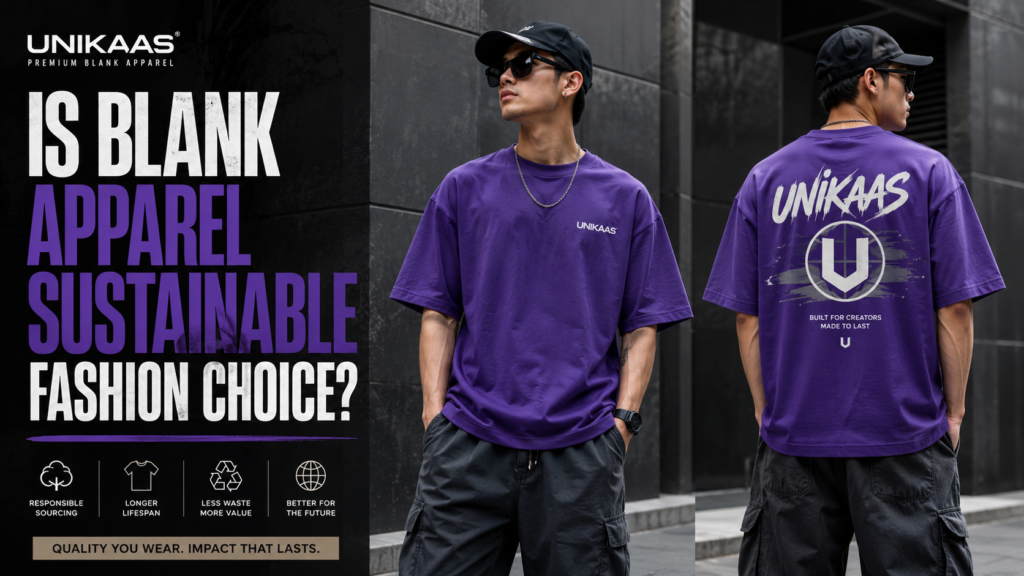
The fashion industry has become one of the most discussed sectors when it comes to sustainability. Consumers today are more aware of how their clothing is produced, where materials come from, and what impact fashion has on the environment. As a result, businesses, brands, and shoppers are actively searching for sustainable alternatives that reduce waste and support responsible consumption.
One category gaining attention is blank apparel. From plain t-shirts and hoodies to performance wear and wholesale clothing, blank garments have become a preferred option for brands, merch sellers, printing businesses, and environmentally conscious consumers. But an important question remains: Is blank apparel actually a sustainable fashion choice?
The answer depends on several factors, including production methods, material sourcing, durability, supply chain efficiency, and how the garments are ultimately used. Compared to fast fashion items that are produced in large quantities with short trend cycles, blank apparel often offers advantages that can support sustainability goals.
This article explores the environmental impact of blank apparel, its role in sustainable fashion, and why businesses around the world are increasingly choosing high-quality blank garments from suppliers like Unikaas.
Understanding Blank Apparel and Its Growing Popularity
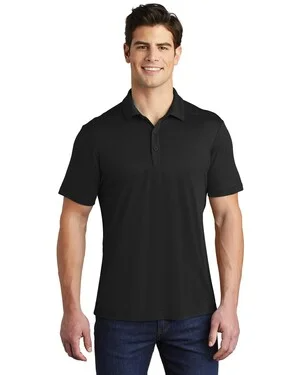
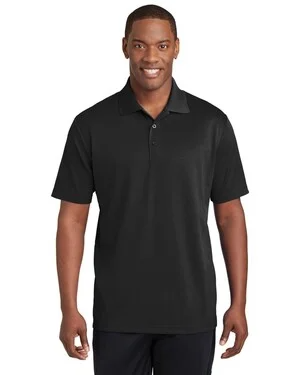
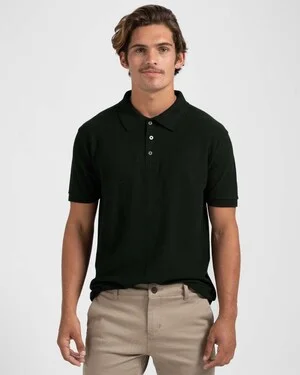
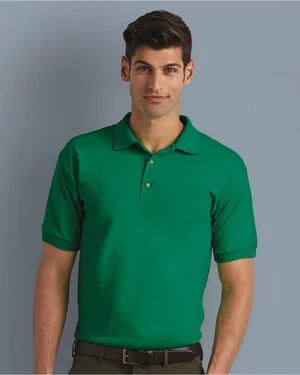
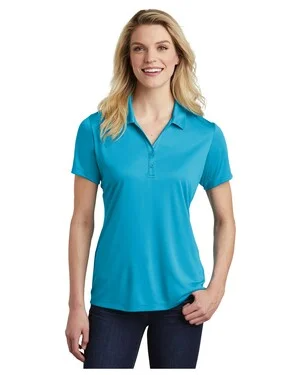
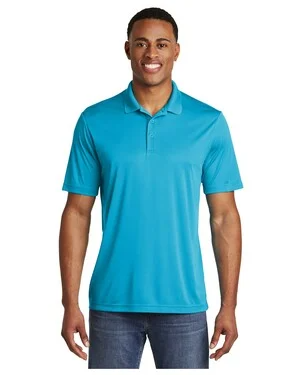
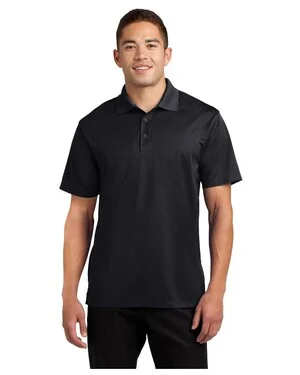
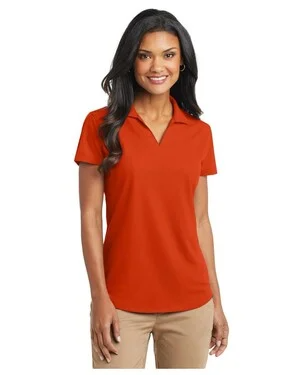
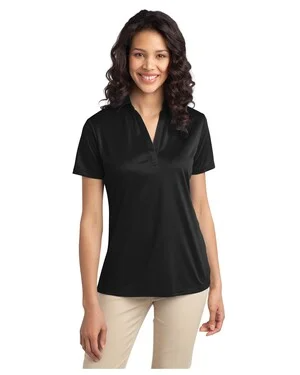
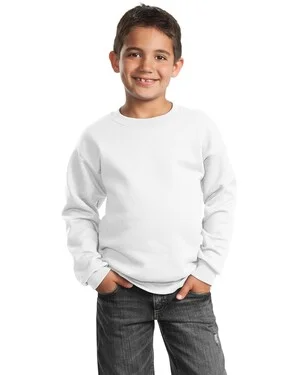
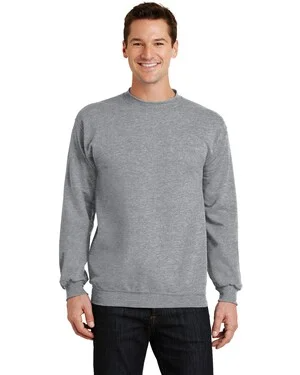
Blank apparel refers to garments manufactured without logos, graphics, embroidery, or branding. These products are intentionally kept plain so they can be customized later or worn as minimalist fashion pieces.
Common examples include:
- Plain t-shirts
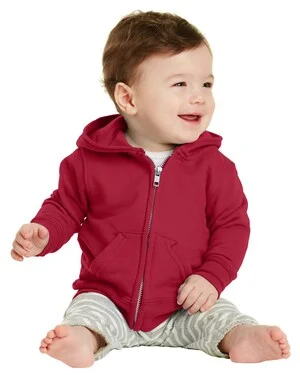
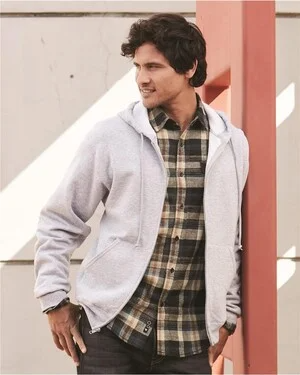
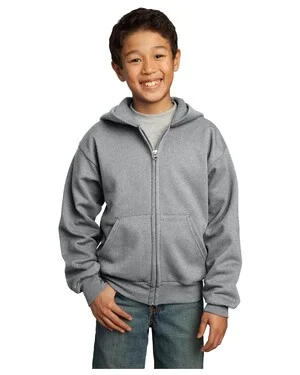
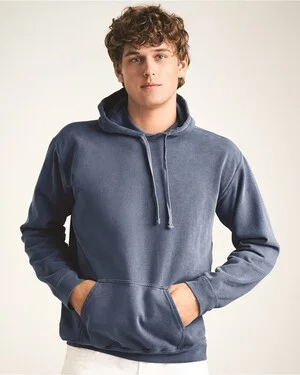
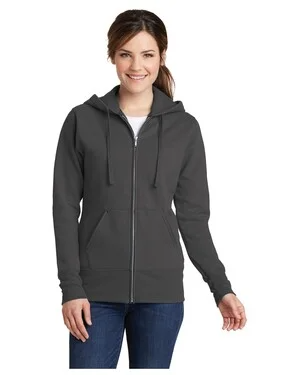
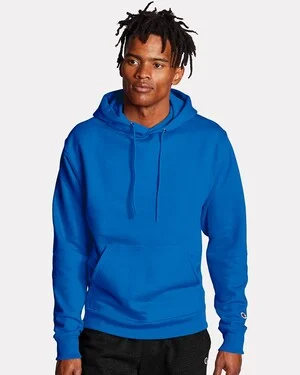
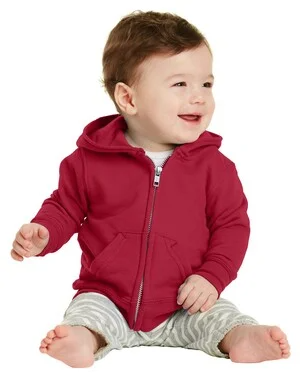
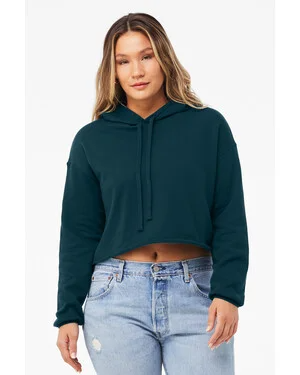
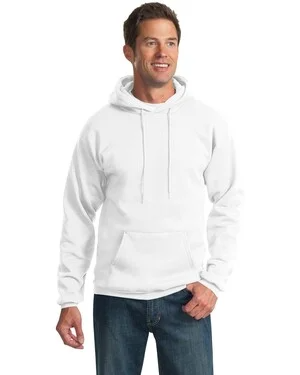
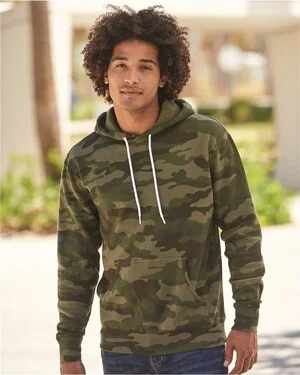
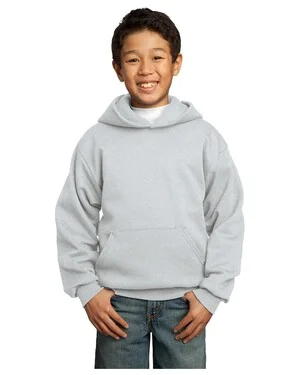
- Blank hoodies
- Sweatshirts
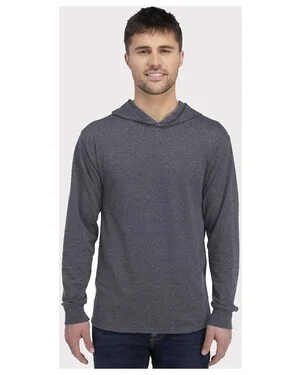
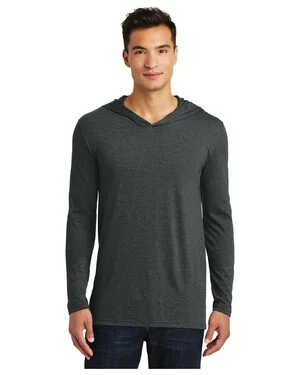
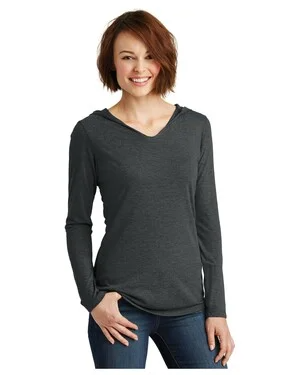
- Long sleeve shirts
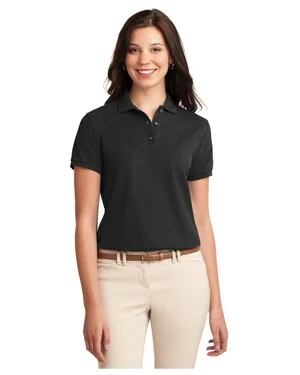
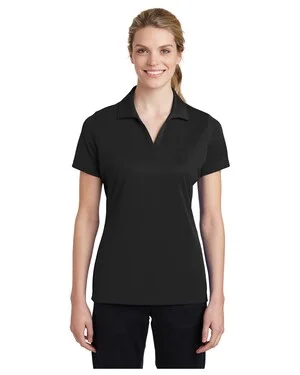
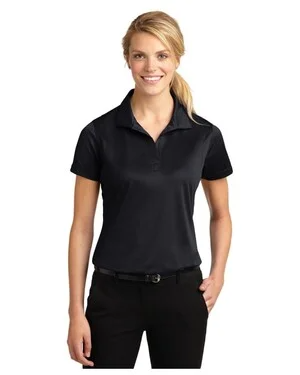
- Performance apparel
- Polyester sublimation shirts
- Athletic wear
- Blank fleece garments
Businesses purchase blank apparel for numerous purposes:
- Screen printing
- Embroidery
- Merchandise production
- Corporate uniforms
- Promotional campaigns
- Retail clothing brands
- Event apparel
- Sports team uniforms
The demand for blank clothing continues to grow because it offers flexibility while reducing unnecessary manufacturing complexity. Products such as wholesale t-shirts and wholesale hoodies have become essential inventory for apparel businesses worldwide.
Unlike trend-driven garments that quickly become outdated, blank apparel often maintains relevance for years, contributing to a longer product lifecycle.














Get Custom Quote Now
The Sustainability Problem in Fast Fashion
To understand whether blank apparel is sustainable, it is important to examine the challenges created by fast fashion.
Fast fashion focuses on:
- Rapid production cycles
- Low-cost manufacturing
- Trend-based collections
- Frequent inventory turnover
- High consumption rates
Many fashion brands release dozens of collections every year. Consumers purchase garments inspired by temporary trends, wear them only a few times, and then discard them.
This model creates several environmental concerns:
Excessive Textile Waste
Millions of tons of textiles enter landfills annually. Many garments are discarded before reaching the end of their usable life.
High Water Consumption
Conventional apparel production requires enormous amounts of water for:
- Cotton cultivation
- Dyeing processes
- Fabric finishing
- Washing treatments
Increased Carbon Emissions
Global clothing manufacturing relies on transportation networks, factories, warehouses, and retail operations that collectively contribute significant greenhouse gas emissions.
Overproduction
Fashion brands frequently manufacture more inventory than demand requires. Unsold garments are often destroyed, discounted heavily, or discarded.
These issues have encouraged businesses to seek alternatives that prioritize longevity and responsible production.
How Blank Apparel Supports Sustainable Fashion
Blank apparel offers several characteristics that align with sustainability principles.
Longer Product Lifespan
One of the most important sustainability factors is durability.
A garment that lasts for years generally has a lower environmental impact than one replaced every few months.
High-quality blank apparel is often designed with:
- Strong stitching
- Durable fabrics
- Reinforced seams
- Consistent construction standards
Products such as plain t-shirts in bulk wholesale are frequently manufactured with durability in mind because they must withstand printing, customization, repeated washing, and long-term use.
Reduced Trend Dependency
Fashion trends change rapidly.
A graphic shirt that becomes outdated after one season may end up unused. Blank garments avoid this problem because they remain timeless.
Minimalist clothing continues to appeal to consumers because:
- It matches various styles
- It can be layered easily
- It remains fashionable longer
- It reduces the pressure to follow trends
This extended relevance can significantly reduce unnecessary consumption.
Better Inventory Management
Blank apparel suppliers often produce standardized products that remain in demand throughout the year.
This helps reduce:
- Overstocking
- Seasonal waste
- Unsold inventory
- Disposal costs
Businesses can order inventory based on actual demand rather than speculative trend forecasts.
Customization on Demand
One major sustainability benefit comes from print-on-demand and made-to-order customization.
Instead of manufacturing thousands of pre-printed garments that may never sell, businesses can purchase blank apparel and customize only when orders are received.
This approach reduces:
- Excess production
- Dead stock
- Inventory waste
- Resource consumption
Many brands using purchase shirts in bulk strategies combine bulk blank inventory with on-demand decoration methods to improve sustainability.
Material Choices and Their Environmental Impact
The sustainability of blank apparel depends heavily on the materials used.
Cotton Blank Apparel
Cotton remains one of the most popular textile fibers worldwide.
Benefits include:
- Natural fiber composition
- Breathability
- Comfort
- Biodegradability under appropriate conditions
However, traditional cotton farming can require significant water and pesticide use.
When sourcing cotton blanks, businesses should evaluate:
- Farming methods
- Water usage
- Supply chain transparency
- Fabric quality
Products such as gildan t-shirts bulk are widely used by printers and apparel businesses because of their consistency and long-lasting performance.
Polyester Blank Apparel
Polyester often receives criticism because it is derived from petroleum-based resources.
However, sustainability discussions around polyester are more nuanced.
Advantages include:
- Exceptional durability
- Moisture management
- Long lifespan
- Lower replacement frequency
For applications such as sportswear and sublimation printing, bulk polyester shirts for sublimation can remain in use for years, reducing replacement cycles.
The growing adoption of recycled polyester further improves sustainability outcomes.
Performance Fabrics
Modern athletic apparel is designed to maximize performance while extending garment life.
Products such as dri fit t-shirts bulk are frequently used for:
- Sports teams
- Corporate events
- Fitness brands
- Activewear businesses
When maintained properly, these garments often provide long-term durability, which contributes positively to sustainability goals.
Why Durability Matters More Than Most People Realize
One of the biggest misconceptions in sustainable fashion is focusing solely on materials while ignoring durability.
A sustainable garment should:
- Last longer
- Maintain shape
- Retain color
- Resist damage
- Stay useful for years
Consider two scenarios:
A low-quality shirt lasts six months before replacement.
A high-quality blank shirt lasts three years.
Even if both shirts use similar materials, the longer-lasting product generally produces a lower environmental impact because fewer resources are needed over time.
This is why many businesses prioritize premium blank garments instead of choosing the lowest-cost option available.
Durability reduces:
- Manufacturing demand
- Transportation emissions
- Packaging waste
- Resource extraction
The most sustainable garment is often the one that stays in use the longest.
The Role of Hoodies in Sustainable Blank Apparel
Blank hoodies have become a cornerstone of modern apparel brands.
Consumers appreciate hoodies because they are:
- Comfortable
- Versatile
- Durable
- Suitable year-round
High-quality blank hoodies frequently remain wearable for many years.
Products such as:
- plain hoodies for printing
- white blank hoodie
- blank hooded sweatshirts wholesale
- wholesale hoodies pakistan
- wholesale hoodies lahore
provide businesses with versatile inventory that can be customized for multiple markets without creating unnecessary production waste.
Because hoodies generally have a long lifespan, they often deliver stronger sustainability performance than trend-driven seasonal garments.
Final Conclusion: Is Blank Apparel a Sustainable Fashion Choice?
Blank apparel can absolutely be a sustainable fashion choice when it is produced responsibly, sourced from reliable suppliers, and used with a long-term mindset. While no garment is entirely free from environmental impact, blank clothing offers several advantages that align with modern sustainability goals.
Unlike fast fashion products that are often driven by short-lived trends and excessive overproduction, blank apparel focuses on versatility, longevity, and practical use. A well-made blank t-shirt, hoodie, or sweatshirt can remain relevant for years, reducing the need for constant replacement and helping to minimize textile waste.
Businesses also benefit from the flexibility of blank apparel. Instead of manufacturing large quantities of pre-branded clothing that may never sell, companies can purchase quality blanks and customize them only when needed. This approach supports better inventory management, reduces dead stock, and lowers overall resource consumption.
Products such as wholesale t-shirts, wholesale hoodies, plain t-shirts in bulk wholesale, and plain hoodies for printing provide businesses with adaptable apparel solutions that can serve multiple markets without contributing to unnecessary fashion waste.
Sustainability is not determined by a single factor. It depends on material quality, durability, production practices, transportation efficiency, and consumer behavior. Choosing garments that last longer, encouraging responsible consumption, and reducing unnecessary production all contribute to a more sustainable apparel industry.
For clothing brands, printers, retailers, promotional businesses, and merchandise creators, blank apparel represents a practical path toward more responsible fashion operations. By investing in durable, versatile products and working with trusted suppliers like Unikaas, businesses can support sustainability goals while maintaining quality, profitability, and customer satisfaction.
As consumers continue to prioritize ethical purchasing decisions across the UK, USA, Canada, Australia, UAE, and other global markets, the demand for high-quality blank apparel is expected to grow. Companies that embrace durable basics, efficient inventory strategies, and thoughtful customization methods will be better positioned to meet both environmental expectations and market demand.
The future of sustainable fashion is not only about creating new products—it is also about creating better products that stay useful for longer. In that respect, blank apparel is more than just a trend; it is a practical and increasingly important part of a more sustainable fashion ecosystem.
Supply Chain Sustainability and the Role of Blank Apparel
Supply chain sustainability refers to the process of reducing environmental, social, and economic impacts throughout every stage of a product’s journey—from raw material sourcing to manufacturing, transportation, warehousing, distribution, and final delivery to customers.
In the apparel industry, a sustainable supply chain aims to minimize waste, conserve resources, improve efficiency, and promote responsible production practices. As consumers become more conscious of how their clothing is made, brands are increasingly evaluating their supply chains to identify opportunities for improvement.
Why Supply Chain Sustainability Matters in Fashion
The fashion industry operates through a complex global network of suppliers, manufacturers, logistics providers, and retailers. Every stage consumes resources and generates environmental impacts.
Key sustainability concerns include:
- Excessive water consumption
- Energy-intensive manufacturing
- Carbon emissions from transportation
- Textile waste generation
- Overproduction of inventory
- Packaging waste
- Resource depletion
A sustainable supply chain seeks to address these challenges by improving efficiency and reducing unnecessary environmental burdens.
How Blank Apparel Supports a More Sustainable Supply Chain
Blank apparel naturally aligns with several sustainable supply chain principles.
Standardized Production
Unlike trend-based fashion collections that change every season, blank garments are typically produced using standardized designs.
Products such as wholesale t-shirts and wholesale hoodies maintain consistent demand throughout the year.
This consistency helps manufacturers:
- Forecast demand more accurately
- Reduce production waste
- Optimize resource planning
- Minimize excess inventory
Reduced Overproduction
One of the biggest sustainability issues in fashion is overproduction.
Many brands manufacture large quantities of finished garments before knowing actual customer demand. Unsold inventory often ends up discounted, destroyed, or discarded.
Blank apparel enables businesses to:
- Hold versatile inventory
- Customize products when orders arrive
- Reduce dead stock
- Improve inventory turnover
For example, businesses purchasing plain t-shirts in bulk wholesale can print designs only after receiving confirmed orders, significantly reducing waste.
More Efficient Warehousing
Blank garments can serve multiple purposes across different markets.
A single inventory of blank shirts may be used for:
- Corporate uniforms
- Event merchandise
- Fashion brands
- Sports teams
- Promotional campaigns
This flexibility reduces the need for multiple specialized inventories and improves warehouse efficiency.
Sustainable Material Sourcing
Supply chain sustainability begins with raw materials.
Responsible suppliers evaluate:
- Fabric sourcing practices
- Resource consumption
- Material durability
- Manufacturing standards
Whether sourcing cotton, polyester, or blended fabrics, the goal is to maximize garment lifespan while minimizing environmental impact.
Products such as bulk polyester shirts for sublimation and dri fit t-shirts bulk are often selected because their durability helps extend product life, reducing replacement frequency.
Transportation and Logistics Efficiency
Transportation contributes significantly to the apparel industry’s carbon footprint.
Sustainable supply chains focus on:
- Consolidated shipments
- Optimized delivery routes
- Efficient inventory placement
- Reduced packaging volume
Wholesale purchasing can support these goals.
For example, businesses that purchase shirts in bulk often reduce the number of shipments required compared to repeatedly ordering small quantities.
Fewer shipments generally mean:
- Lower transportation emissions
- Reduced fuel consumption
- Improved logistics efficiency
The Importance of Durable Products
A sustainable supply chain is not only about production—it is also about product longevity.
Garments that last longer:
- Require fewer replacements
- Reduce manufacturing demand
- Lower transportation frequency
- Generate less textile waste
This is why durable products such as long sleeve t-shirt blanks, vintage t-shirt blank, and blank hooded sweatshirts wholesale play an important role in sustainability strategies.
Regional Supply Chain Advantages
Businesses increasingly seek suppliers closer to their target markets to reduce transportation distances and improve responsiveness.
For example:
- UK businesses may source through Asian clothes wholesale suppliers UK
- Pakistan-based brands may rely on wholesale hoodies Pakistan
- Local retailers can benefit from wholesale hoodies Lahore
Strategic sourcing can help reduce shipping times, transportation costs, and associated emissions.
Technology and Supply Chain Transparency
Modern apparel businesses increasingly use technology to improve sustainability.
Examples include:
- Inventory management systems
- Demand forecasting tools
- Production planning software
- Order tracking systems
- Supplier monitoring platforms
These tools help reduce waste by aligning production more closely with actual market demand.
How Unikaas Supports Sustainable Supply Chain Practices
A reliable supplier contributes significantly to supply chain sustainability.
Through a broad selection of blank apparel products, Unikaas helps businesses:
- Source versatile inventory
- Reduce unnecessary overproduction
- Support print-on-demand models
- Improve inventory efficiency
- Access durable blank garments suitable for long-term use
By focusing on quality blank apparel that can serve multiple applications, businesses can create more efficient and responsible supply chains while maintaining profitability and customer satisfaction.
Supply Chain Sustainability: The Bigger Picture
Sustainable fashion is not achieved through a single product or process. It requires continuous improvements across the entire supply chain.
Blank apparel contributes to these efforts by supporting:
- Longer product lifecycles
- Reduced inventory waste
- Better demand forecasting
- Flexible customization
- Efficient logistics
- Lower overproduction risks
As fashion businesses continue to prioritize sustainability, supply chain optimization will remain one of the most effective ways to reduce environmental impact. High-quality blank apparel provides a practical foundation for brands seeking to build more sustainable and resilient operations.
