

The Cultural and Economic Shift Toward Minimalism
The global apparel landscape in 2026 is undergoing a definitive paradigm shift. Flashy, over-branded clothing adorned with massive corporate logos is rapidly losing its appeal. In its place, a powerful movement centered on understated sophistication, utility, and creative autonomy has emerged. At the absolute forefront of this movement is blank apparel. No longer viewed merely as basic undergarments or cheap promotional giveaways, plain garments have transformed into the building blocks of modern fashion, streetwear, and corporate identity.
Consumers in 2026 are increasingly intentional about what they wear. They demand versatility, premium fabric compositions, and the freedom to express their individuality without serving as walking billboards for luxury fashion houses. This collective cultural mindset has catapulted the demand for high-quality wardrobe essentials to unprecedented heights. Whether it is an independent designer launching a boutique streetwear line, a major corporation standardizing its team uniform, or an individual building a timeless capsule wardrobe, the reliance on top-tier unbranded clothing has never been more pronounced.
Financially, the shift toward blank clothing makes immense sense for both businesses and everyday consumers. In an economic environment where efficiency and value retention are paramount, purchasing premium garments in bulk provides a highly strategic advantage. Brands can hedge against rapidly fluctuating retail trends by securing versatile inventory that never goes out of style. Simultaneously, consumers are realizing that purchasing premium blanks offers the same—if not superior—comfort, durability, and fit as high-end designer labels, but at a fraction of the cost.
This comprehensive exploration digs deep into the core mechanics driving this industry-wide phenomenon. Across the following sections, we will analyze the precise factors fueling the popularity of unbranded apparel, break down the technical innovations altering manufacturing processes, explore the lucrative commercial ecosystems built around customization, and provide an actionable blueprint for sourcing the finest materials available on the global market today.
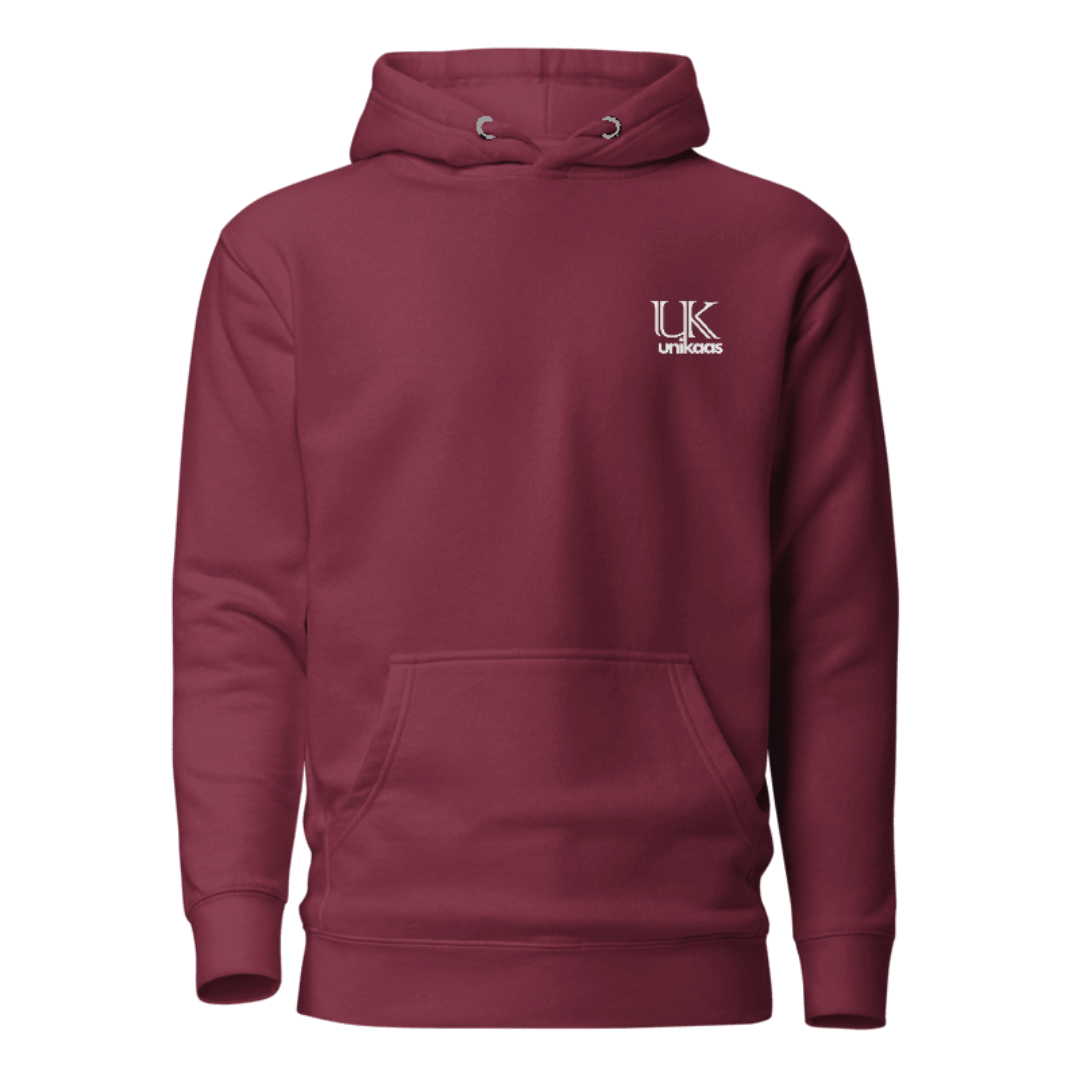
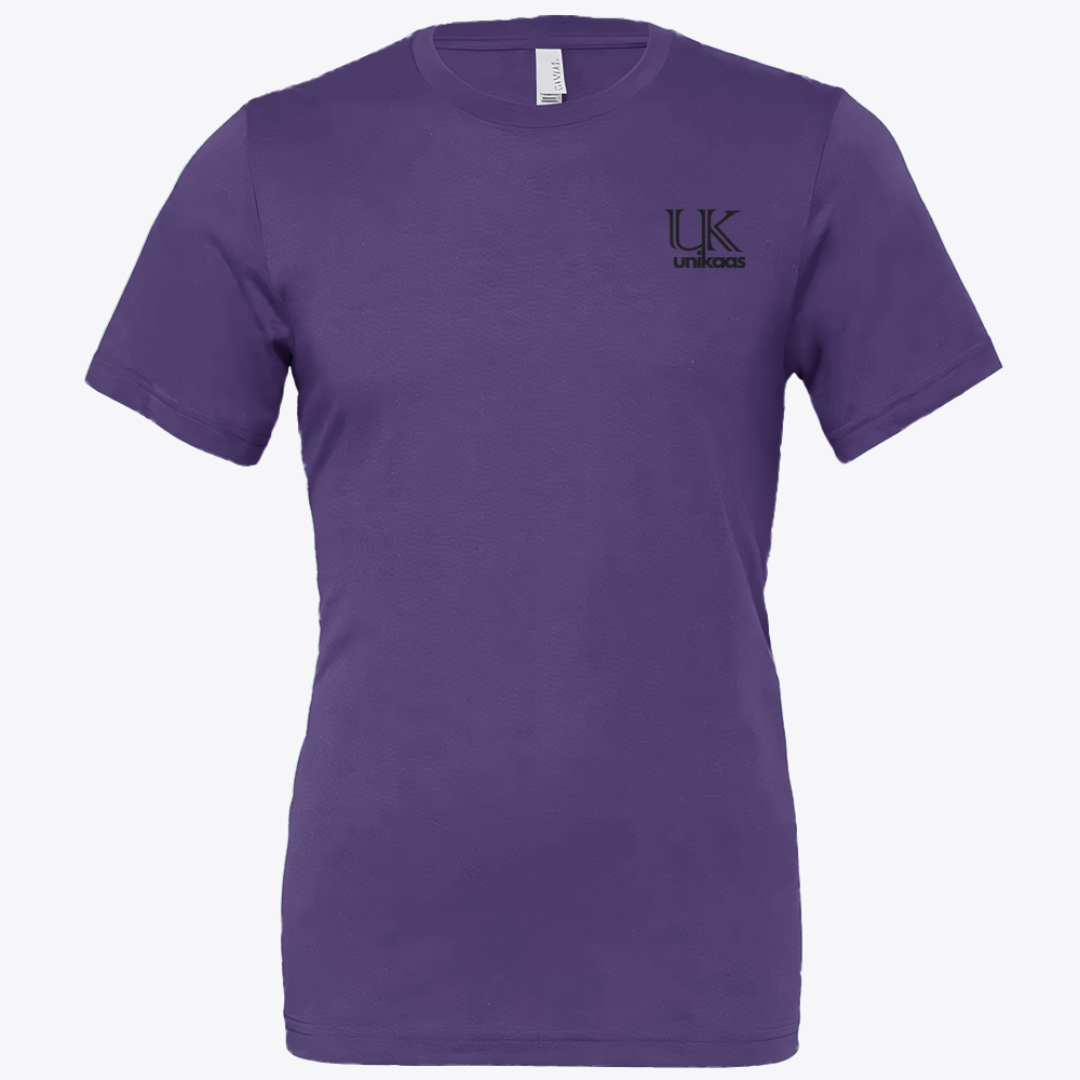
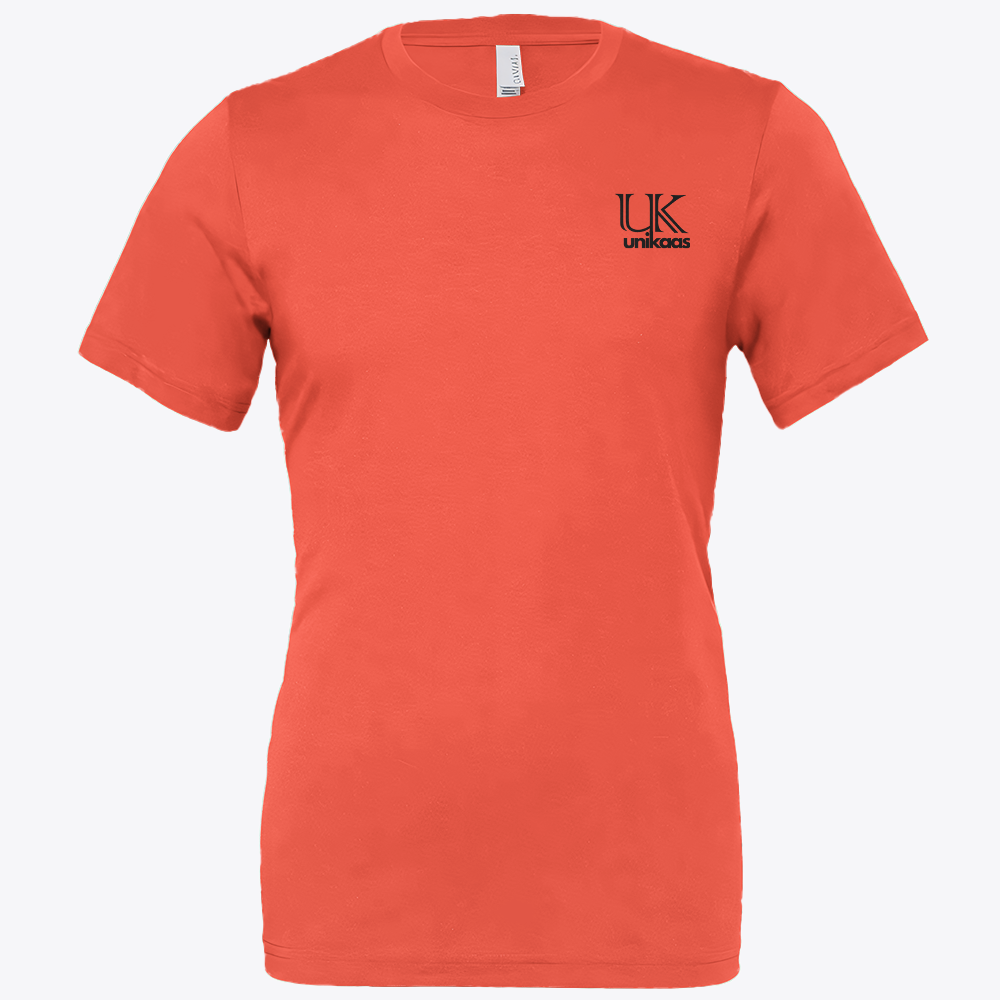
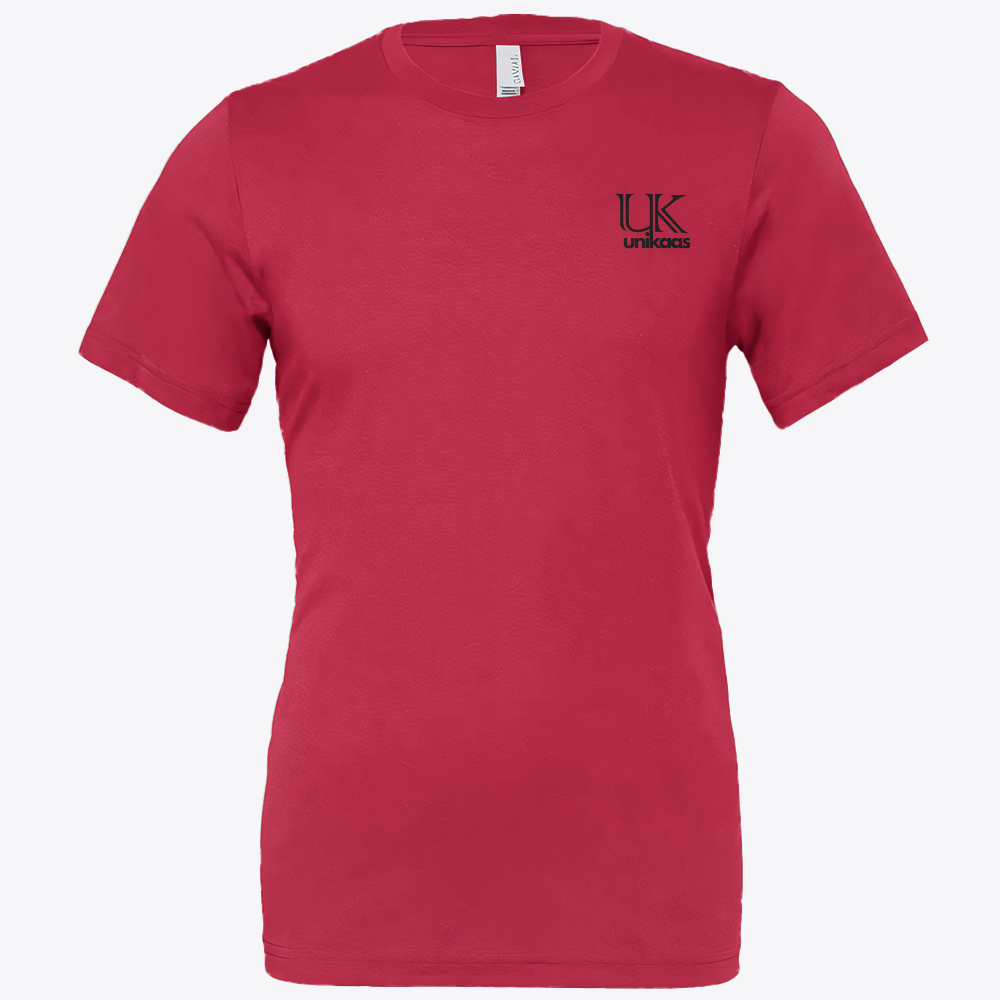
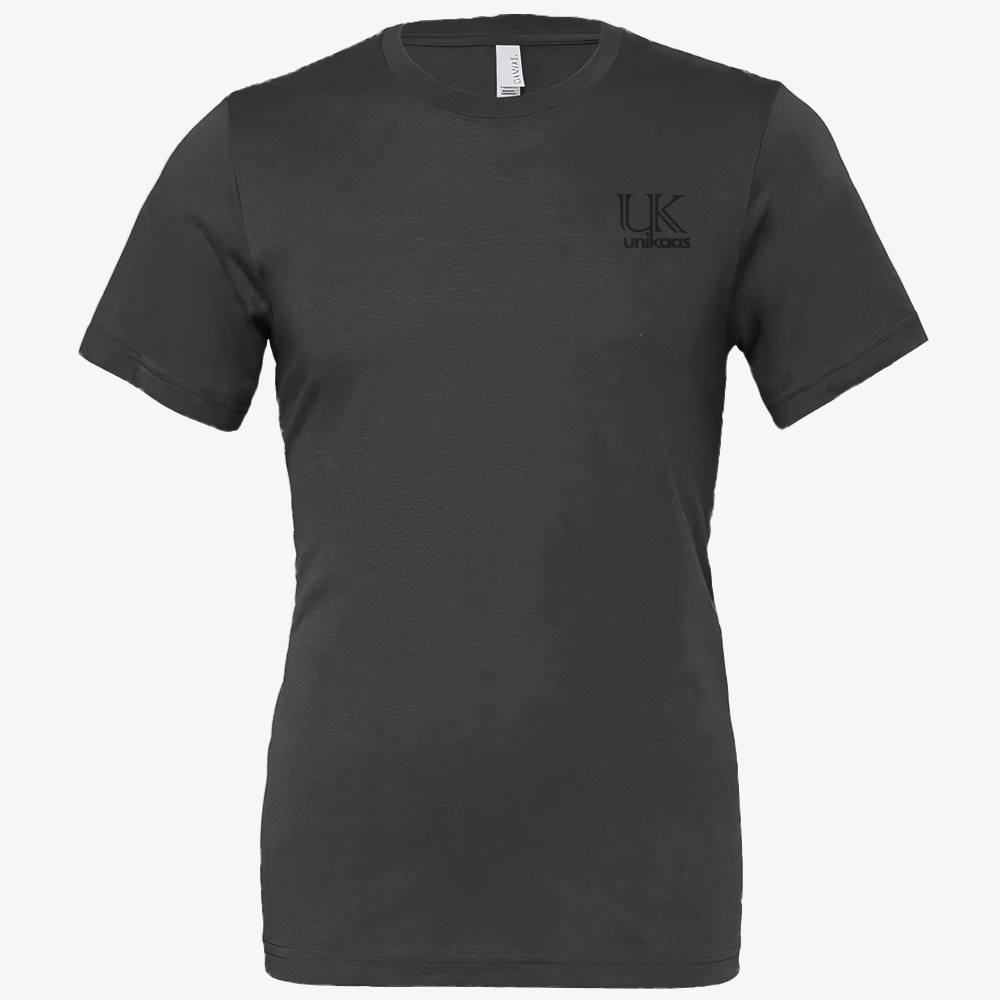
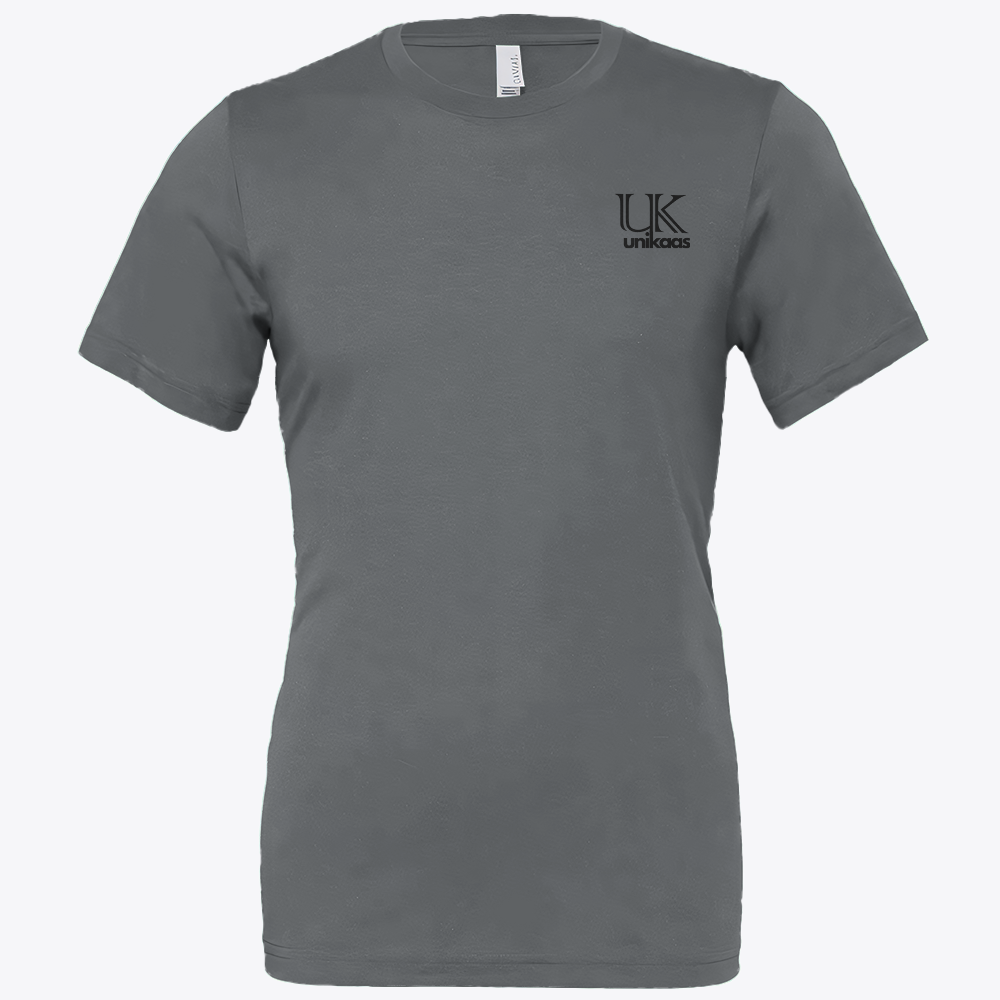
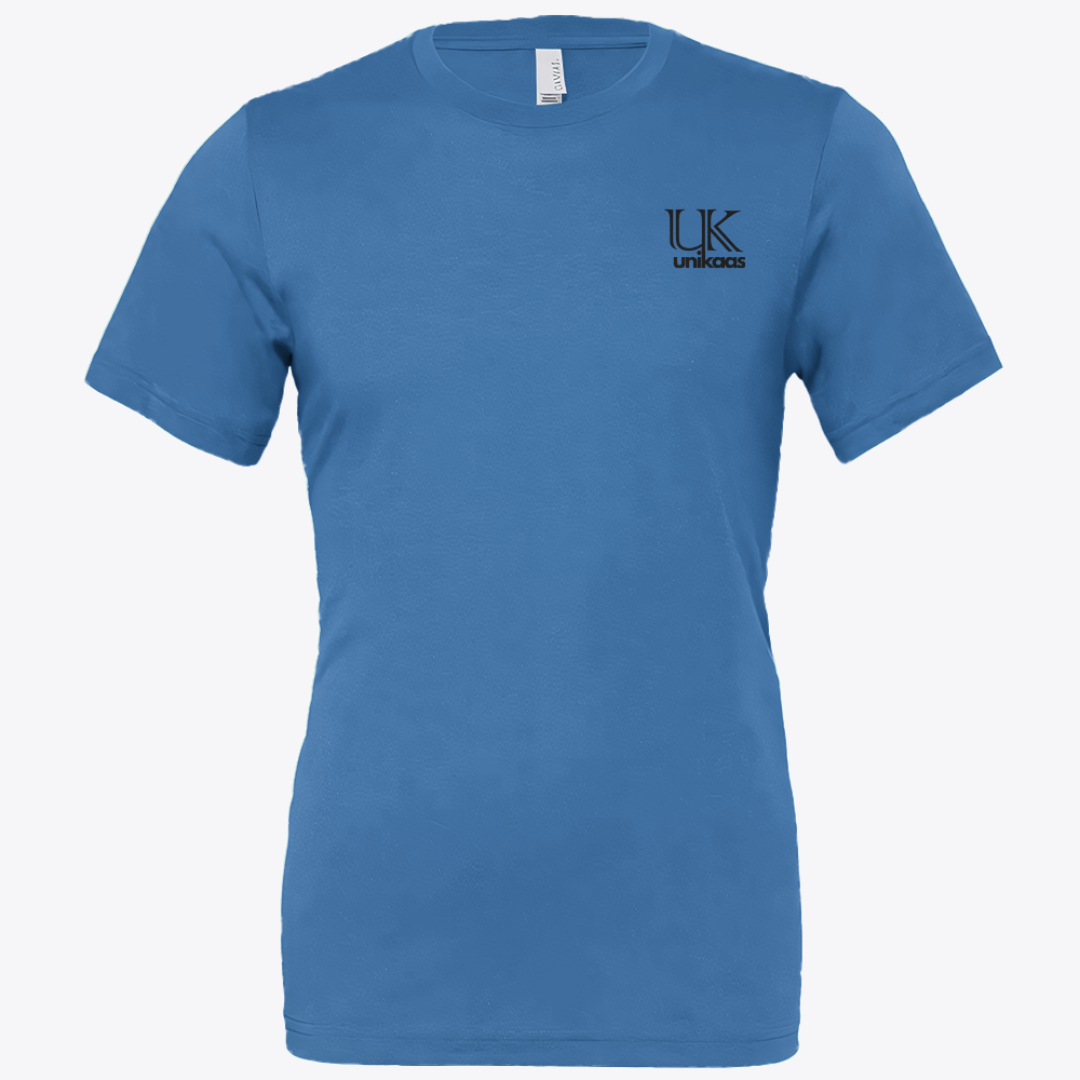
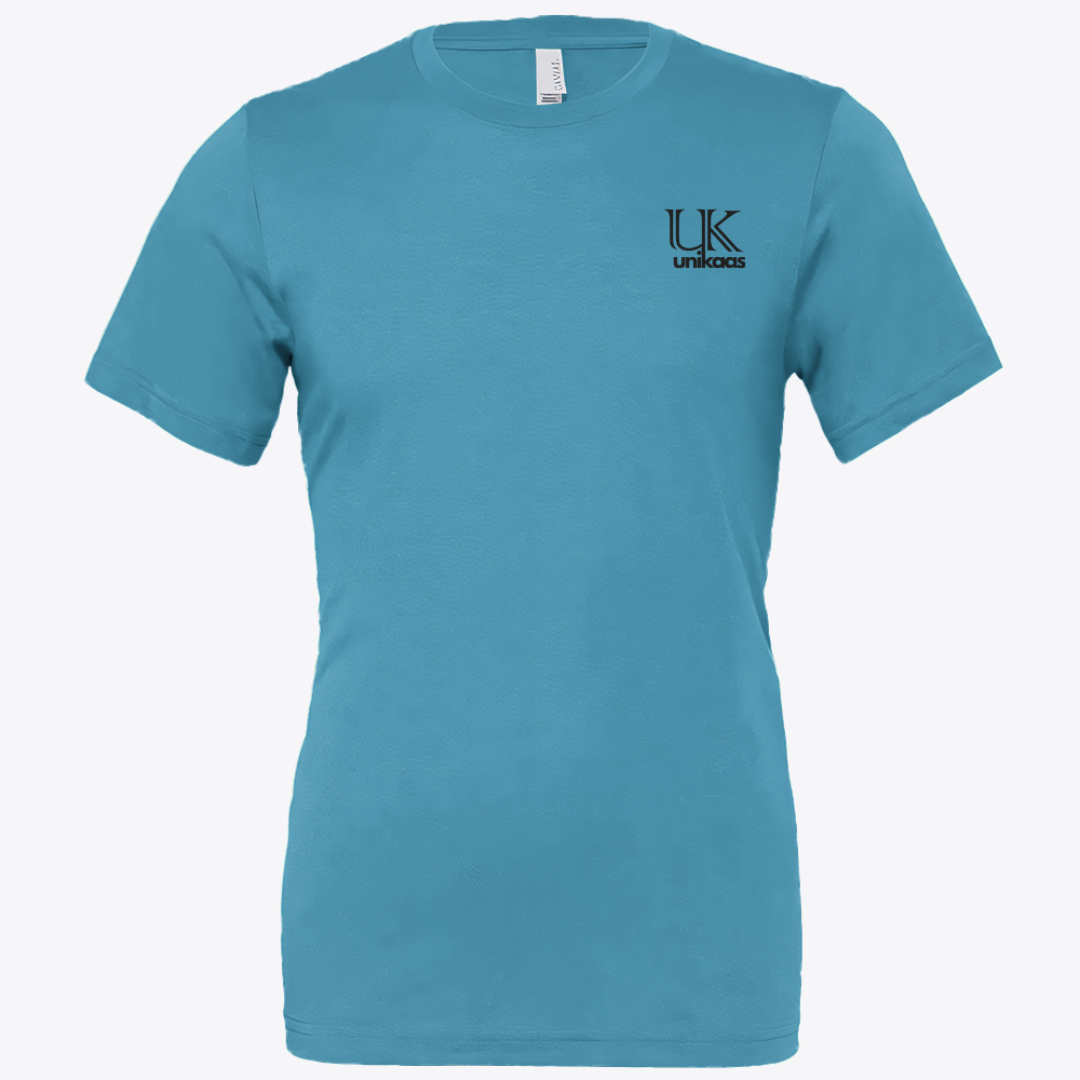
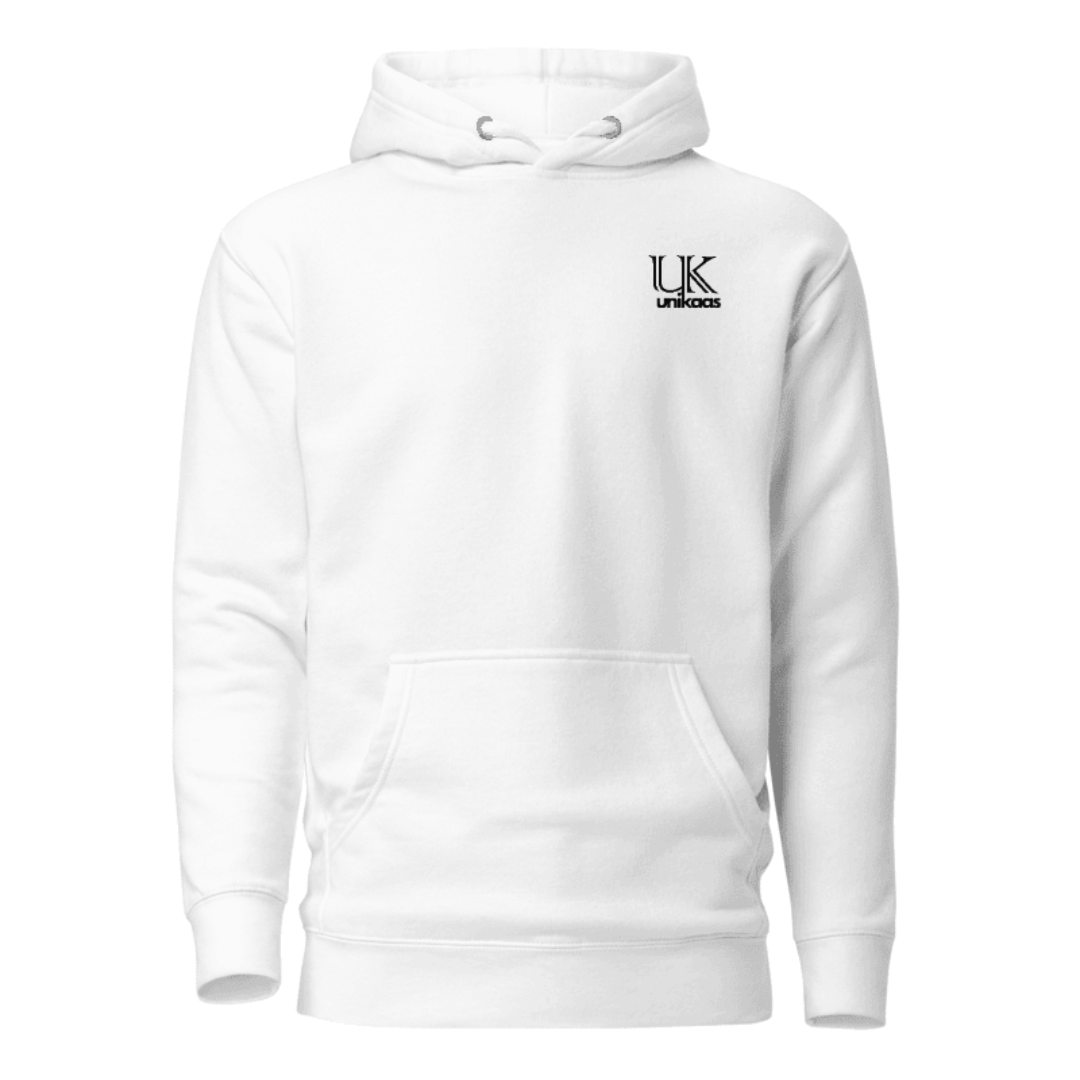
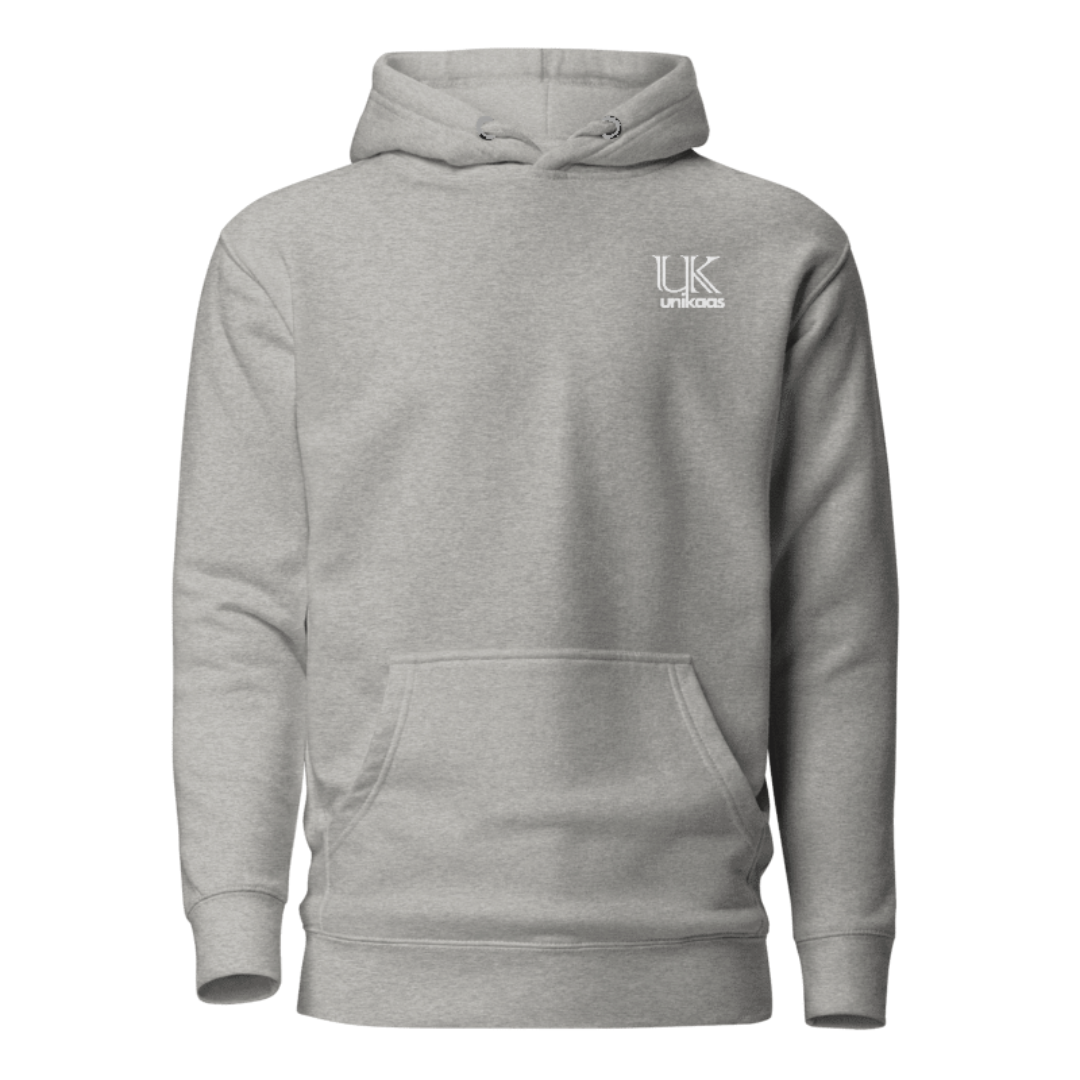
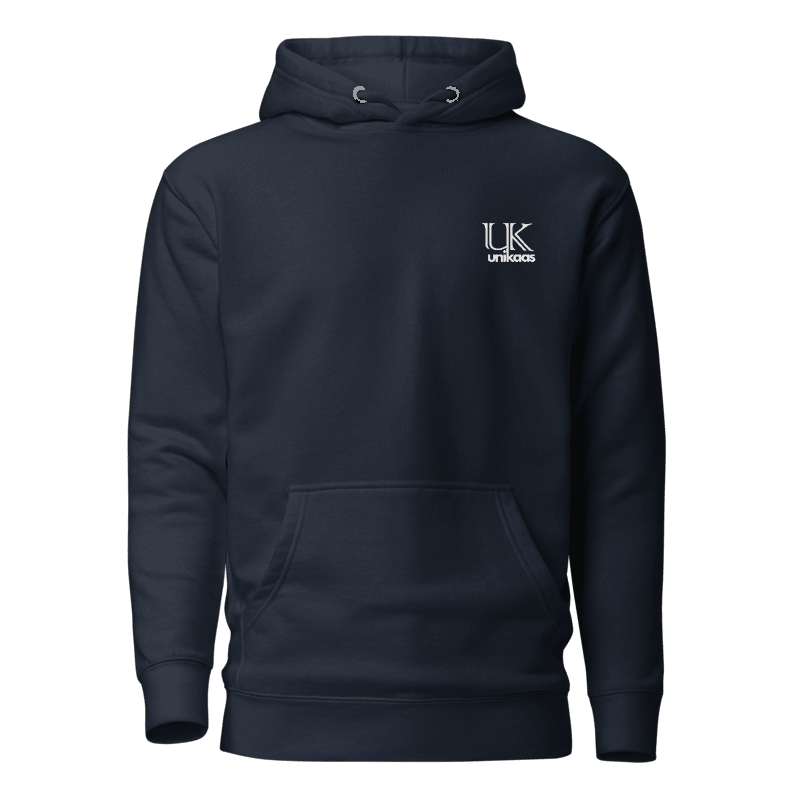
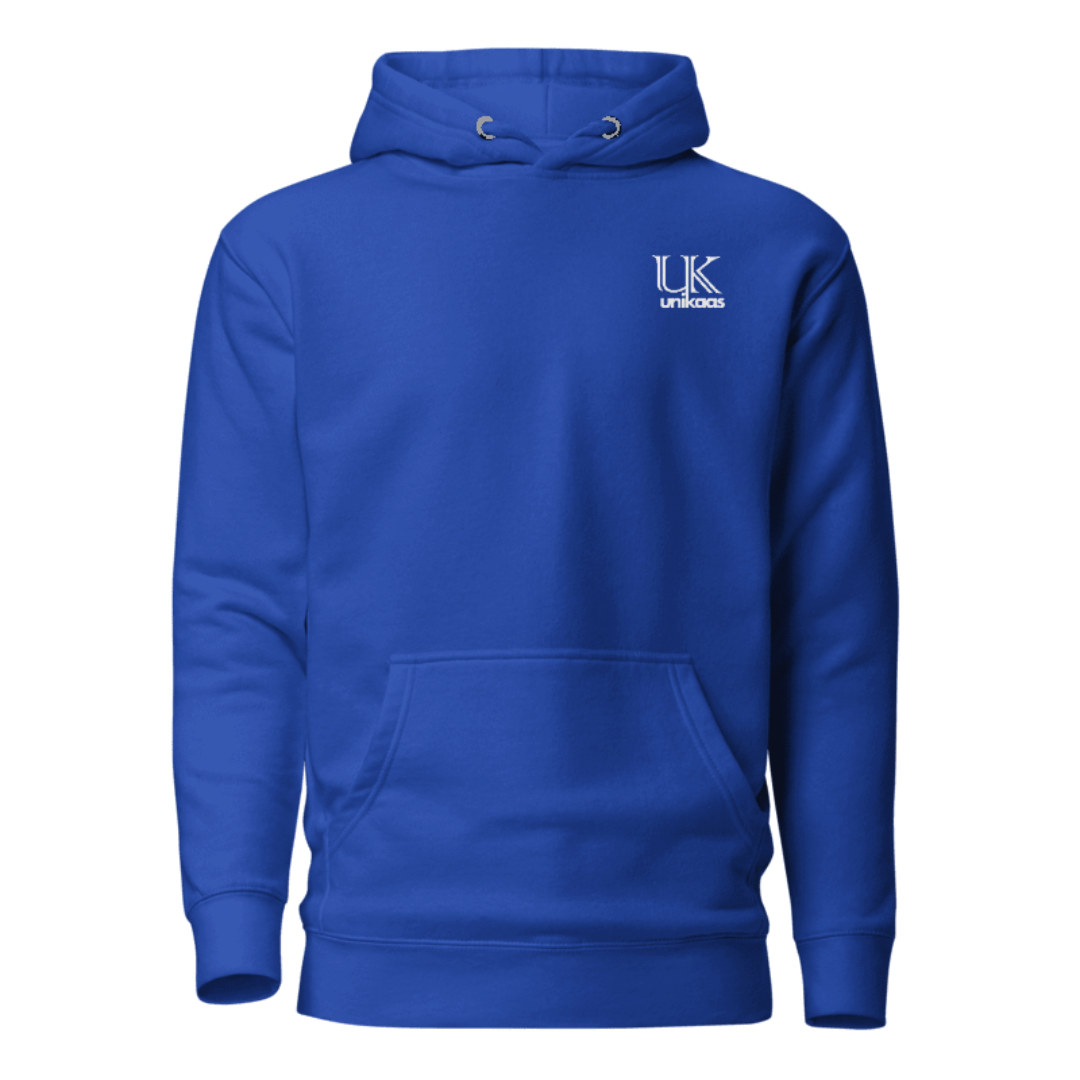


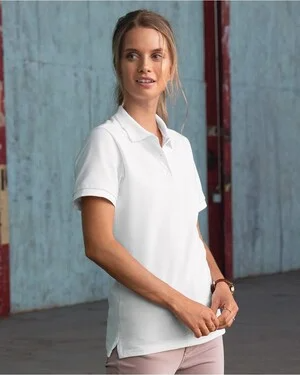
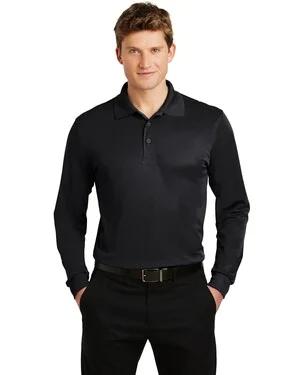
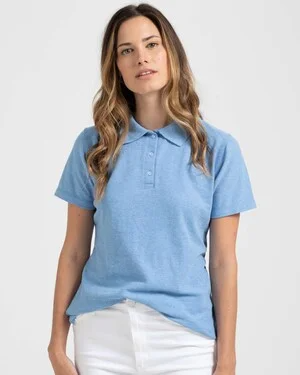

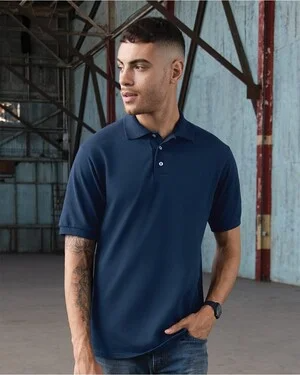
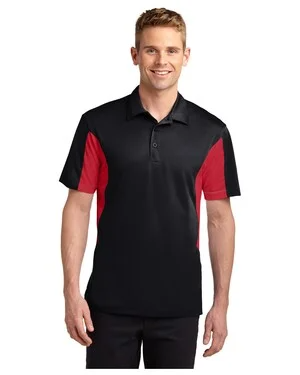
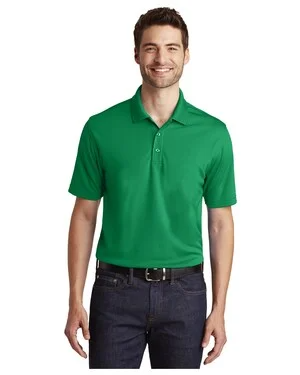
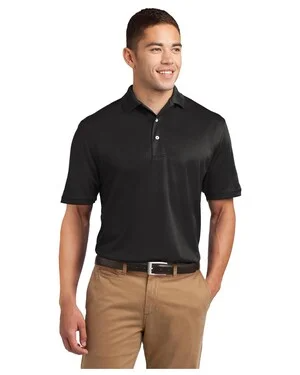
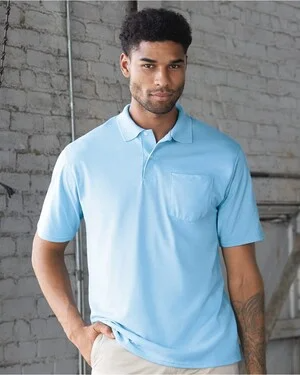
Get Custom Quote Now
The Rise of the Creative Entrepreneur and Customization Culture
One of the single greatest drivers behind the unprecedented boom in blank apparel is the democratic expansion of the creative economy. The barriers to entry for launching a fashion brand have completely collapsed. Today, anyone with a laptop, a graphic design tool, and an internet connection can conceptualize, market, and distribute a clothing line worldwide. However, the physical reality of garment production remains complex. Custom-manufacturing apparel from scratch—involving pattern making, fabric sourcing, dye lot management, and cut-and-sew operations—requires massive capital investment and months of lead time.
Blank apparel solves this structural challenge seamlessly. By utilizing premium, pre-manufactured blanks, independent creators and streetwear brands can bypass the prohibitive costs and operational headaches of traditional manufacturing. They can focus entirely on their core competencies: artistic design, brand storytelling, digital marketing, and community engagement.
The customization culture of 2026 is hyper-sophisticated. It spans across various advanced decoration techniques:
- Direct-to-Garment (DTG) Printing: Offering photographic-quality prints with zero setup overhead.
- Intricate Embroidery: Providing a premium, tactile texture that elevates corporate and streetwear apparel.
- Screen Printing: Remaining the gold standard for high-volume, vibrant, and incredibly durable graphic applications.
- Sublimation Printing: Allowing for seamless, edge-to-edge designs on specialized polyester fabrics without compromising breathability.
Because the final product’s quality is fundamentally bound to the structural integrity of the underlying canvas, choosing the right supplier is the ultimate differentiator between commercial success and brand failure. Creators are continuously seeking out specialized channels to purchase shirts in bulk that feature retail-ready fits, side-seam construction, and superior print surfaces that ensure their artwork remains flawless through dozens of wash cycles.
Sustainability, Longevity, and the Anti-Fast Fashion Movement
The environmental awakening of the global consumer base is another major pillar supporting the blank apparel revolution. For years, the fast-fashion model thrived on hyper-accelerated micro-trends—producing ultra-cheap, poorly constructed garments designed to be worn a handful of times before ending up in landfills. In 2026, a massive wave of consumer pushback has turned the tide against this wasteful cycle.
Today’s market demands longevity. People want garments engineered to endure. Blank apparel inherently aligns with the principles of sustainable fashion through its timelessness. A perfectly tailored, heavy-weight plain t-shirt or an ultra-soft hoodie does not go out of style when the season changes. It remains an active, reliable staple in a consumer’s wardrobe for years.
Furthermore, the manufacturing sector for blank apparel has made monumental strides in ethical production and material sustainability. Top-tier suppliers are pivoting away from toxic dyes and inefficient water usage, focusing instead on organic cotton, recycled polyester, and optimized supply chains that drastically reduce carbon footprints. Because blank garments are produced in massive, standardized runs, material waste during the cutting and sewing phases is minimized compared to highly complex, specialized fashion pieces.
By purchasing sustainable, high-density blanks, clothing brands can naturally align themselves with the eco-conscious values of Gen Z and Millennial buyers. Consumers are no longer just looking at the price tag; they are examining the structural weight, the origin of the fiber, and the ethical practices of the supply chain. In this climate, premium blank basics represent the ultimate antidote to disposable fashion.
Corporate Identity and the Evolution of Modern Uniforms
The corporate world has undergone its own internal fashion revolution. The era of stiff, uncomfortable, poorly fitting promotional polo shirts and boxy corporate merchandise is officially over. Modern enterprises recognize that their team members and customers expect the same level of comfort, style, and fit from corporate apparel as they do from their personal wardrobes.
As remote, hybrid, and flexible work environments remain standard practice globally, the definition of professional attire has permanently shifted toward casual comfort. Organizations are now opting for high-quality, blank streetwear-inspired items to serve as their corporate identity markers. Tech startups, creative agencies, and multinational corporations alike are ordering premium, unbranded hoodies, crewnecks, and refined performance tees in bulk, subsequently applying minimalist, elegant branding via tonal embroidery or subtle high-density prints.
This transformation serves a dual purpose:
- Enhanced Employee Morale: Employees genuinely want to wear corporate apparel that fits beautifully and feels luxurious, leading to increased brand pride and organic representation outside of working hours.
- Premium Brand Perception: When a company distributes exceptional merchandise, it sends a clear signal of quality, attention to detail, and prestige to clients, partners, and the broader public.
By pivoting to top-tier blank suppliers, corporations can curate curated capsule collections for their teams that seamlessly blend utility with contemporary aesthetics, ensuring that the corporate uniform is something to be celebrated, not tolerated.
The Core Elements of High-Quality Blank Apparel
To fully comprehend why blank apparel dominates the contemporary fashion landscape, one must look beneath the surface. The simplicity of a plain garment is deceptive; because there are no graphic designs or aggressive branding elements to distract the eye, every single flaw is magnified. A crooked seam, an inferior fabric blend, an uncomfortable collar, or a poor silhouette cannot be hidden. Therefore, engineering elite blank apparel requires an obsessive dedication to material science, textile engineering, and precise tailoring.
In 2026, the market has become highly educated. Consumers and brand owners easily differentiate between low-grade promotional materials and retail-grade blanks. To succeed in this competitive space, a deep understanding of fabric weights, yarn construction, and silhouette design is mandatory. Let us dissect the foundational elements that separate standard blanks from the premium garments driving the industry forward.
+------------------------------------------------------------------------+
|                      BLANK APPAREL QUALITY TRINITY                      |
+------------------------------------+-----------------------------------+
| 1. MATERIAL SCIENCE                | 2. WEIGHT & CONSTRUCTION         |
| • Combed & Ring-Spun Cotton        | • GSM / Oz per Square Yard        |
| • Advanced Synthetic Polymers      | • Ring-Spun Yarn vs Open-End      |
| • Moisture-Wicking Formulations    | • Double-Needle Topstitching      |
+------------------------------------+-----------------------------------+
                                     |
                                     v
                        +--------------------------+
                        | 3. SILHOUETTE & FIT      |
                        | • Drop-Shoulder Relaxed  |
                        | • Structured Side-Seams  |
                        | • Ergonomic Drape        |
                        +--------------------------+
Material Science: Fibers, Blends, and Performance
The journey of an exceptional blank garment begins at the molecular level, with the selection of the raw fibers. The textile industry has evolved far beyond basic cotton processing. Today, we witness a sophisticated bifurcation between ultra-premium natural fibers and high-tech synthetic polymers designed for specific use cases.
Combed and Ring-Spun Cotton
Traditional, low-cost t-shirts are typically made from “open-end” cotton, a process that creates rough, brittle fibers full of impurities. Premium blanks, conversely, utilize combed and ring-spun cotton. This process involves continuously spinning and thinning the cotton strands to create exceptionally fine, smooth, and long yarn loops.
Before spinning, the cotton is thoroughly combed to filter out short fibers and debris. The result is a textile that is incredibly soft against the skin, possesses a beautiful natural sheen, and offers an ultra-smooth, flat surface area that acts as the perfect canvas for screen printing inks and DTG applications.
Advanced Synthetic Formulations
While cotton remains the king of casual lifestyle wear, synthetic fibers have completely captured the activewear, athleisure, and specialized decoration markets. The contemporary active lifestyle demands garments that manage moisture, regulate temperature, and endure high-intensity physical stress.
High-performance athletic apparel relies on advanced knit patterns and synthetic treatments. For instance, fitness brands and corporate athletic events heavily prioritize sourcing specialized dri fit t shirts bulk to ensure maximum breathability, quick-drying capabilities, and long-term odor control during intense workouts or outdoor activities.
Sublimation-Optimized Polyesters
The explosive popularity of vivid, full-color graphic apparel has driven immense innovation in polyester engineering. Traditional polyester can sometimes feel stiff or synthetic. However, modern polymer chemistry has yielded ultra-soft, fluid-draping polyester knits that mimic the feel of natural fibers while maintaining the chemical properties required for sublimation dyeing.
When creators look to execute complex, multi-colored all-over prints, they rely on sourcing premium bulk polyester shirts for sublimation, where the ink chemically bonds permanently with the synthetic fibers, resulting in vibrant, crack-proof designs that never fade or peel.
Weight Matters: Decoding GSM and Yarn Counts
When evaluating the quality and intended style of blank apparel, fabric weight is one of the most critical metrics. Fabric weight is measured using two primary systems: GSM (Grams per Square Meter) or Ounces per Square Yard (Oz/Sq Yd). Understanding these metrics allows brands to curate collections perfectly suited for specific seasons, aesthetics, and printing methods.
| Fabric Classification | GSM Range | Oz/Sq Yd Range | Ideal Use Cases & Common Garments |
| Lightweight | 120 – 150 GSM | 3.5 – 4.5 oz | Summer fashion collections, activewear, layered undershirts, promotional event giveaways. |
| Midweight | 160 – 200 GSM | 4.7 – 5.9 oz | Standard retail-ready streetwear, corporate merchandising, everyday lifestyle t-shirts. Excellent balance of breathability and structure. |
| Heavyweight | 210 – 300+ GSM | 6.2 – 9.0+ oz | Premium vintage streetwear aesthetics, high-end independent fashion labels, structured boxy tees. Extremely durable. |
| Fleece & Outerwear | 300 – 500+ GSM | 9.0 – 15.0+ oz | Premium hoodies, crewneck sweatshirts, heavy joggers. Designed for insulation, structural stiffness, and luxury drape. |
Beyond GSM, the “yarn count” (expressed as 24s, 30s, 34s, etc.) indicates the thickness of the individual yarns used to weave the fabric. A higher number indicates a finer, thinner yarn. Therefore, a t-shirt made from 30s or 36s single-yarn cotton will have a much tighter, smoother, and more refined weave than a coarse 18s single-yarn utility shirt, providing an exponentially better surface for intricate print work.
Structural Integrity: Silhouette, Seams, and Construction
A garment can be made of the finest fabric in the world, but if the tailoring and construction are flawed, it will fail to resonate with modern consumers. In 2026, the silhouette is everything. The fashion landscape has broadly embraced relaxed, drop-shoulder, and boxy fits influenced by high-fashion streetwear, while simultaneously maintaining a strong market for perfectly tailored, slim, and classic proportions.
Tubular vs. Side-Seam Construction
Mass-market promotional t-shirts are frequently constructed using a “tubular” manufacturing method, where the torso of the shirt is knitted as a continuous fabric tube. While cost-effective, tubular shirts completely lack ergonomic shaping. They tend to fit poorly on diverse body types and are highly prone to twisting out of shape after a few washes because the torque of the knit fabric is unconstrained.
Premium blanks utilize side-seam construction. The front and back panels are cut independently and stitched together down the sides. This allows the garment to follow the natural contours of the human body, drape beautifully, and maintain its structural alignment indefinitely.
Reinforcement and Stitching Details
The longevity of a blank garment is heavily dictated by its stitching details. High-quality blanks feature double-needle topstitching along the collar, shoulder seams, cuffs, and bottom hems. This prevents the seams from unraveling under tension.
Additionally, shoulder-to-shoulder taping—where a soft fabric strip is sewn over the interior shoulder seams and back neck area—adds critical structural reinforcement, preventing the neck from stretching out and ensuring that the garment retains its intended shape through years of heavy wear.
The Domination of Wholesale T-Shirts in the Fashion Ecosystem
The humble t-shirt is arguably the most influential garment in human history. In 2026, its dominance is completely absolute. It serves as a universal canvas that transcends socioeconomic status, age, gender, and geography. Within the commercial fashion ecosystem, the market for bulk t-shirts forms the very foundation upon which multi-billion dollar streetwear brands, merchandising empires, and corporate identities are built.
The explosive growth of online e-commerce platforms, printing technologies, and social media-driven fashion trends has transformed how businesses approach inventory acquisition. Buying retail-ready blanks in high volumes has shifted from a niche supply chain option to an essential industry standard. Brands no longer look for the cheapest option; they look for strategic partnerships with manufacturers capable of delivering consistent, retail-grade canvases that elevate their finished designs.
+------------------------------------------------------------------------+
|                   WHOLESALE T-SHIRT SEGMENTATION 2026                  |
+------------------------------------------------------------------------+
|                                                                        |
|  [ PREMIUM LIFESTYLE & STREETWEAR ]                                    |
|  --> Focus: Vintage washes, heavy GSM, custom fits, long-sleeve varieties|
|  --> Key Assets: Long-sleeve blanks, heavyweight boxy fits              |
|                                                                        |
|  [ CORE VOLUME MERCHANDISING ]                                         |
|  --> Focus: Cost-efficiency, massive color palettes, reliable printability|
|  --> Key Assets: Industry-standard blanks, value packs                 |
|                                                                        |
|  [ PERFORMANCE ATHLEISURE ]                                            |
|  --> Focus: Moisture management, stretch polymers, ergonomic seaming  |
|  --> Key Assets: Dri-fit knits, sublimation-ready blends               |
|                                                                        |
+------------------------------------------------------------------------+
Navigating the Comprehensive Wholesale Landscape
For any business entering the apparel market, navigating the massive variety of available t-shirt options can be daunting. The market is segmented into specific categories designed to fulfill distinct consumer expectations. Understanding this segmentation allows brand owners to correctly align their material sourcing with their target audience’s price points and aesthetic preferences.
To access the diverse manufacturing ecosystems providing these products, establishing a direct connection with an aggregated B2B hub is highly advantageous. Exploring a comprehensive catalog of options via a centralized repository like wholesale t shirts allows businesses to compare technical specifications, color availability, and volume pricing structures across multiple styles simultaneously. This analytical approach ensures that whether a brand requires a lightweight, breathable summer blend or a ultra-heavyweight streetwear knit, the chosen inventory perfectly supports the brand’s long-term value proposition.
The Streetwear Renaissance: Heavyweight and Vintage Blanks
Streetwear fashion has completely redefined the luxury and casual fashion spaces over the past decade, and its evolution in 2026 places an immense emphasis on the tactile feel and visual weight of the fabric. The market has moved decisively away from thin, ultra-tight shirts toward thick, structured, and drop-shoulder silhouettes that project a sense of premium architectural substance.
The Heavyweight Revolution
A heavyweight blank t-shirt (typically ranging from 240 to 300 GSM) does not just look different; it behaves differently. It resists wrinkling, holds its boxy shape away from the body, and creates a clean, intentional silhouette that commands attention. Streetwear brands lean heavily into these dense fabrics because they provide an elite backdrop for high-density screen prints, puff printing, and intricate embroidery work that would cause lighter fabrics to sag or pucker.
The Appeal of the Vintage Aesthetic
Simultaneously, there is an enormous global demand for worn-in, nostalgic aesthetics. Consumers are captivated by the soft texture, faded color palettes, and retro appeal of thrift-store finds from the 1980s and 1990s. Replicating this look from scratch requires specialized garment-dyeing techniques, acid washes, and enzyme treatments that soften the cotton fibers while creating subtle variations in color intensity along the seams.
To satisfy this demanding demographic, fashion lines frequently build their entire seasonal collections around an authentic, pre-washed vintage t shirt blank to capture that coveted retro look and feel immediately out of the box, saving them from having to perform risky, unpredictable post-production chemical washes independently.
Expanding Choices: Long-Sleeve Blanks and Seasonal Versatility
An inherent limitation of standard short-sleeve apparel lines is their seasonal vulnerability. To maintain consistent sales volumes throughout the autumn, winter, and early spring transitions, brands must diversify their product portfolios. This is where multi-seasonal silhouettes become invaluable strategic assets.
Long-sleeve apparel offers an exceptional canvas for creative graphic layouts that are completely impossible on standard short-sleeve shirts. Designers can utilize the extended fabric surface area along the sleeves to apply bold typography, repeating geometric patterns, or intricate sleeve prints that align beautifully with contemporary streetwear and action-sports aesthetics.
Furthermore, long-sleeve shirts serve as critical layering elements within a capsule wardrobe. They can be worn comfortably under heavy jackets, paired with vests, or styled independently during temperate seasons. By integrating a highly durable, beautifully cuffed long sleeve t shirt blanks options into their core inventory, apparel businesses can effectively extend their market relevance across all twelve months of the year, providing their customer base with continuous utility and stylistic variety.
Optimizing Procurement: Sourcing in High Volumes
The financial realities of running a profitable apparel venture demand strict attention to procurement economics. In the clothing industry, profit margins are heavily influenced by the economies of scale achieved during initial manufacturing and purchasing phases. This makes volume optimization a critical focus for growing enterprises.
                  SAVINGS REALIZATION CURVE

    Unit Cost ($)
      ^
      |  o (Retail Price / Low Volume Sourcing)
      |   \
      |    \
      |     o (Mid-Tier Volume Pricing)
      |      \
      |       \_______________________
      |                               o [Bulk Wholesaling / Tier 1]
      |
      +----------------------------------------------------> Total Order Volume
When a business reaches a stage of consistent sales velocity, moving away from low-volume, piecemeal purchasing models becomes imperative. Transitioning to large-scale procurement allows brands to drastically lower their Cost of Goods Sold (COGS). This cost reduction gives businesses the flexibility to either offer highly competitive retail pricing to their end consumers or reinvest their increased profit margins into expansive digital marketing campaigns and product development.
To execute this strategy smoothly, companies look to source from specialized industrial platforms optimized for handling high-volume logistics. Utilizing a structured marketplace specifically tailored for acquiring plain t shirts in bulk wholesale enables brands to unlock deep volume discounts, secure massive quantities of uniform color dye lots, and establish predictable, highly resilient supply chains capable of fueling rapid business expansion without unexpected inventory shortages.
The Rise of Premium Wholesale Hoodies and Sweatshirts
While t-shirts represent the undisputed foundation of daily casual wear, hoodies and fleece sweatshirts have achieved an equal status as iconic symbols of modern lifestyle luxury and functional streetwear. In 2026, the hoodie is no longer restricted to gym sessions, lazy weekends at home, or casual sportswear. It has successfully broken into high-fashion runways, executive boardrooms, and premium lifestyle collections across the globe.
The cultural elevation of the hoodie is deeply linked to the evolution of the global workforce and the widespread adoption of high-low styling—the fashion practice of mixing comfortable, athletic-inspired garments with tailored luxury outerwear. Because a premium hoodie requires significantly more fabric, complex pattern cutting, and specialized sewing techniques than a basic t-shirt, selecting the right wholesale base is an absolute make-or-break decision for any apparel brand or corporate merchandiser.
+------------------------------------------------------------------------+
|                     PREMIUM FLEECE FABRIC ARCHITECTURE                 |
+------------------------------------------------------------------------+
|                                                                        |
|  [ FACE FABRIC: 100% COMBED COTTON ]                                    |
|  --> Ultra-smooth, dense knit designed specifically for optimal print  |
|      reception, minimal fiber migration, and zero ink bleeding.        |
|                                                                        |
|  [ MIDDLE LAYER: POLYESTER STITCHING REINFORCEMENT ]                    |
|  --> Provides structural elasticity, shape retention, and core         |
|      resistance to shrinkage during industrial wash cycles.             |
|                                                                        |
|  [ INTERIOR BACKING: BRUSHED FLEECE OR FRENCH TERRY ]                  |
|  --> Brushed Fleece: Traps air for maximum thermal insulation & loft.  |
|  --> French Terry: Unbrushed loops for supreme breathability & drape.  |
|                                                                        |
+------------------------------------------------------------------------+
The Anatomy of an Elite Wholesale Hoodie
What exactly differentiates a cheap, flimsy sweatshirt from a luxurious, retail-grade masterpiece? The answer lies in structural details that can be measured, felt, and tested over time. When sourcing fleece apparel in bulk, discerning buyers analyze three critical design parameters:
Fabric Composition and Interior Loft
The interior finish of a premium sweatshirt typically falls into two major categories: Brushed Fleece or French Terry.
- Brushed Fleece: This style undergoes a mechanical brushing process that frays the interior fabric loops, creating a soft, fluffy texture that excels at trapping warm air and providing exceptional cozy comfort.
- French Terry: This option leaves the interior loops intact and unbrushed, resulting in a flatter, moisture-wicking, and highly breathable fabric profile that drapes elegantly and is perfect for year-round wear.
The exterior face fabric should ideally be composed of 100% combed cotton, even if the interior uses a polyester blend. This specific composition ensures that printing inks bond flawlessly with the garment without suffering from synthetic dye migration.
Hood Architecture and Hardware
Low-end hoodies often feature single-panel hoods that lay flat and look awkward when worn. Premium alternatives feature multi-panel, double-lined hoods that maintain a proud, structured shape around the neck and shoulders.
Furthermore, attention to hardware is paramount. High-quality blanks use heavy-gauge cotton drawcords tipped with finished metal aglets or clean embroidered buttonholes, completely eliminating raw, easily frayed cord exits.
Ribbing and Panel Construction
The ribbing on the cuffs and bottom hem must possess exceptional memory retention. Cheap ribbing quickly loses its elasticity, resulting in stretched-out, sagging hems after a few wears. Premium manufacturing incorporates high-percentage spandex blends into the rib-knit components to ensure they snap back to their original shape perfectly. Advanced blanks also incorporate side-panel ribbing inserts, which provide enhanced ergonomic flexibility and premium athletic styling.
To access a highly vetted selection of these expertly constructed garments, brand developers frequently leverage specialized industry pipelines like wholesale hoodies to explore advanced fleece formulations, evaluate structural configurations, and procure the ideal physical assets required to successfully anchor their premium apparel collections.
Personalization Optimization: Sourcing the Perfect Canvas
For fashion designers, embroidery houses, and print-shop operators, the physical characteristics of a sweatshirt are directly linked to the technical success of their customization processes. A hoodie that is unevenly woven or chemically unstable will cause catastrophic errors during high-temperature printing or complex multi-needle embroidery setups.
                      PRINT SUCCESS MATRIX BY MATERIAL TYPE

    Print Crispness
      ^
      |                                 o [Premium 100% Cotton Face Blanks]
      |                                /
      |                               /
      |                              o [Standard 80/20 Cotton-Poly Blanks]
      |                             /
      |                            /
      |                           o [Low-Grade 100% Synthetic Fleece]
      |
      +----------------------------------------------------> Fabric Smoothness / Density
When executing Direct-to-Garment (DTG) printing on hoodies, the presence of loose surface fibers (fuzz) can ruin the clarity of the design. The print head deposits microscopic droplets of ink; if the surface is uneven, the ink settles poorly, leading to a blurry, dull finish. Screen printing also requires a flat, dimensionally stable surface area to prevent color registration errors across multi-layered print setups.
To eliminate these production risks, embellishers place immense value on utilizing specialized base garments designed specifically to withstand industrial decoration machinery. Incorporating high-density, flat-weave plain hoodies for printing ensures that whether a designer is applying high-heat plastisol inks, complex multi-colored water-based prints, or heavy embroidery motifs, the underlying fabric remains completely stable, yielding retail-ready results with minimal production waste.
The Iconic Clean Slate: The Universal Appeal of White Blanks
Within the world of blank apparel, certain colors carry distinct strategic and creative weight. While black, navy, and heather grey remain fundamental staples of any clothing line, the solid white hoodie occupies a highly unique and revered position among creators, designers, and custom artists.
A pristine white garment represents the ultimate clean slate. It offers the absolute highest color contrast imaginable, allowing vibrant graphic designs, neon typography, and intricate illustrations to pop with stunning visual impact. For artists experimenting with artisanal manual decoration techniques—such as custom tie-dyeing, ice-dyeing, hand-painted fabric illustrations, or dip-dyeing—a pure white base is mandatory to ensure clean color reproduction without unpredictable shifts in tone.
Furthermore, white apparel is a fundamental pillar of contemporary high-contrast minimalist fashion. It pairs effortlessly with raw denim, technical track pants, or tailored overcoats. By ensuring their supply chain includes a premium, heavily weighted white blank hoodie, apparel companies can confidently cater to both the hyper-creative DIY customization sector and the premium lifestyle consumer looking for an ultra-clean, minimalist statement piece.
Navigating High-Volume Procurement Frameworks
As an apparel brand scales from a localized boutique into a high-volume national or international operation, the operational logistics of sourcing fleece items must evolve accordingly. Sourcing hoodies in small quantities quickly becomes financially unsustainable due to higher unit costs and unpredictable shipping fees. To protect profit margins and guarantee product availability, businesses must form relationships with foundational wholesale networks.
Managing high-volume procurement requires finding a supply partner capable of delivering consistent sizing, identical color matching across separate production runs, and robust inventory volumes that can absorb sudden spikes in market demand. Businesses looking to standardize their fleece offerings leverage specialized wholesale networks to source blank hooded sweatshirts wholesale. This strategic integration gives brands direct access to large-scale production capacities, institutional volume pricing, and reliable shipping timelines, allowing corporate entities and independent labels alike to scale their operations smoothly and securely.
Industry Giants and the Power of the Global Supply Chain
The massive global footprint of the blank apparel industry is made possible by a highly complex, ultra-efficient international supply chain. The plain garments worn by millions every day do not appear by chance; they are the result of highly coordinated manufacturing ecosystems that span across continents. From the vast agricultural cotton fields of South Asia to the high-tech automated spinning mills of the Western hemisphere, the scale of this industry is truly monumental.
To build a highly profitable clothing enterprise, business owners must understand how global manufacturing brands operate and how international trade corridors can be utilized to secure a competitive advantage. In this section, we will analyze the role of foundational industry brands, explore the primary global manufacturing hubs, and break down how sourcing geographic specializations can drastically optimize an apparel business’s bottom line.
The Role of Foundational Industry Standards
While the blank apparel market features hundreds of boutique suppliers, certain manufacturing giants have laid the infrastructural groundwork for the entire industry. These legacy corporations have spent decades perfecting high-speed textile engineering, enabling them to produce billions of reliable garments annually while maintaining incredibly accessible pricing tiers.
Among these industry titans, Gildan stands out as a foundational benchmark. For print shops, music merchandise companies, athletic leagues, and large-scale promotional operations, this brand has long been the default choice for building high-volume apparel collections. The brand’s massive manufacturing capacity allows it to achieve unmatched economies of scale, providing consistent fabric quality, standardized fit profiles, and a massive spectrum of color options that smaller suppliers simply cannot match.
For businesses operating in high-volume environments—where cost-efficiency, reliable product availability, and predictable print performance are paramount—investing in a proven industry standard is a highly secure operational strategy. Utilizing an established procurement pipeline to acquire authentic gildan t shirts bulk allows distributors and custom print houses to confidently bid on massive corporate contracts, sports league outfitting, and festival merchandise runs, secure in the knowledge that their core inventory is backed by one of the most reliable supply chains in textile history.
Sourcing Excellence from South Asia: The Industrial Muscle
When the global apparel industry looks for unparalleled manufacturing expertise, elite craftsmanship, and robust vertical integration, its gaze inevitably turns to South Asia. Countries in this region have cultivated highly sophisticated textile manufacturing ecosystems over generations, transforming themselves into the undisputed backbone of global fashion.
+------------------------------------------------------------------------+
|               VERTICAL INTEGRATION ADVANTAGE IN SOUTH ASIA             |
+------------------------------------------------------------------------+
|                                                                        |
|  [ STAGE 1: LOCAL AGRICULTURAL COTTON SOURCING ]                       |
|  --> Direct access to high-grade premium raw cotton fibers, minimizing |
|      international material transport delays and initial import fees.  |
|                                                                        |
|  [ STAGE 2: IN-HOUSE SPINNING, WEAVING & DYEING ]                     |
|  --> Advanced local mills process raw fibers into high-GSM yarn, texturize |
|      the weave, and execute precise color matching using automated systems.|
|                                                                        |
|  [ STAGE 3: PRECISION CUT-AND-SEW MANUFACTURING ]                      |
|  --> Expert textile artisans handle pattern matching, side-seam assembly, |
|      and double-needle structural reinforcement.                       |
|                                                                        |
|  [ STAGE 4: COMPLIANT GLOBAL LOGISTICS & EXPORT ]                      |
|  --> Finished retail-grade blanks are packaged, quality-vetted, and    |
|      shipped directly to global distribution hubs.                      |
|                                                                        |
+------------------------------------------------------------------------+
Among these powerhouse nations, Pakistan occupies a highly prestigious position, particularly in the production of premium fleece, heavy-weight cotton blends, and home textiles. The country benefits from a rare structural asset: complete vertical integration. This means that within a single localized industrial zone, a garment can progress from raw cotton harvested in the field, through spinning, weaving, advanced chemical dyeing, and final cut-and-sew assembly.
This level of integration completely eliminates the massive logistical delays, compounding customs tariffs, and communication breakdowns that occur when fabric must be shipped across multiple nations for separate processing steps. Buyers who source directly from this region benefit from exceptional cost efficiencies without sacrificing the premium, retail-ready feel that modern consumers demand.
The Regional Prowess of Lahore’s Textile Hub
Deep within Pakistan’s industrial core lies Lahore, a legendary manufacturing city that has evolved into a hyper-specialized global capital for fleece and fashion production. Lahore’s textile facilities are world-renowned for their ability to process ultra-thick, heavy-GSM luxury fleece that perfectly matches the strict aesthetic requirements of elite modern streetwear brands.
The secret to the city’s manufacturing success is a potent combination of generational craftsmanship and massive capital investments in cutting-edge textile machinery. The factories here utilize advanced European knitting and dyeing equipment, allowing them to produce fabric with incredible structural stability, immaculate surface smoothness, and absolute minimal shrinkage rates.
                    REGIONAL SOURCING OPTIMIZATION

    Garment Type          Optimal Sourcing Hub       Primary Structural Benefit
    ----------------------------------------------------------------------------
    Heavy Luxury Fleece   Lahore, Pakistan           Maximum fabric density,
                                                     immaculate brushed interiors,
                                                     elite streetwear draping.

    Mass-Volume Basics    Global Mega-Mills          Lowest unit cost, rapid
                                                     automated output, massive
                                                     pre-dyed color consistency.
International clothing brands that want to bypass intermediate trading houses and maximize their structural design advantages increasingly seek direct sourcing routes into these specialized production centers. Partnering with dedicated manufacturers within the region to secure premium wholesale hoodies pakistani or establishing deep relationships with local production lines for specialized wholesale hoodies lahore grants businesses an extraordinary competitive edge, allowing them to deliver luxury-tier outerwear to the global market at an incredibly optimized price point.
The Ultimate B2B Sourcing Guide for Blank Apparel
Building a highly lucrative, scalable clothing brand or corporate merchandise operation requires more than just artistic vision and clever marketing; it demands an absolute mastery of B2B procurement logistics. In the modern apparel market, your supply chain is your destiny. A single weak link—whether it manifests as inconsistent fabric colors, unexpected sizing variations, shipping delays, or ethical compliance failures—can permanently damage a brand’s reputation and wipe out hard-earned customer trust.
As we look across the landscape of 2026, the global sourcing ecosystem has become highly interconnected but increasingly complex. Buyers must look past superficial sales pitches and execute a rigorous vetting process based on cold, hard technical data. This final page serves as an operational blueprint, detailing the precise steps, quality audits, and strategic channels required to establish a flawless, highly profitable sourcing infrastructure.
+------------------------------------------------------------------------+
|                     THE FOUR-STAGE PROCUREMENT PIPELINE                |
+------------------------------------------------------------------------+
|                                                                        |
|  [ PHASE 1: VENDOR AUDITING & COMPLIANCE ]                             |
|  --> Verify international certifications (OEKO-TEX, WRAP, BSCI).       |
|  --> Confirm minimum order quantities (MOQs) and production capacities.|
|                                                                        |
|  [ PHASE 2: TECHNICAL SPECIFICATION TESTING ]                          |
|  --> Evaluate sample fabric weights via GSM calibration.              |
|  --> Perform industrial wash tests to measure shrinkage & torque.      |
|  --> Assess fiber face smoothness for print/embroidery reception.      |
|                                                                        |
|  [ PHASE 3: BALANCED INVENTORY PORTFOLIO CREATION ]                    |
|  --> Secure everyday basics alongside specialized niche items          |
|      (e.g., South Asian cultural wear, performance fabrics).           |
|                                                                        |
|  [ PHASE 4: SUPPLY CHAIN AGGREGATION & LOGISTICS ]                     |
|  --> Consolidate ordering via centralized B2B distribution hubs       |
|      to minimize customs friction and optimize freight costs.          |
|                                                                        |
+------------------------------------------------------------------------+
Navigating International Supplier Matrices and Compliance
When embarking on large-scale international procurement, a business must look far beyond unit cost. The first layer of defense against supply chain failure is ensuring that manufacturing partners adhere to strict international production and ethical standards.
In 2026, global consumers demand complete transparency. Brands that inadvertently partner with non-compliant, unethical manufacturing facilities face severe public backlash and potential legal penalties under evolving international trade sustainability acts.
When auditing potential suppliers, always demand verified documentation of the following certifications:
- OEKO-TEX Standard 100: Guarantees that the textile products are completely free from harmful chemicals, heavy metals, and toxic dyes, ensuring they are completely safe for human skin.
- Worldwide Responsible Accredited Production (WRAP): Confirms that the manufacturing facility operates under strictly lawful, humane, and ethical workplace conditions.
- Business Social Compliance Initiative (BSCI): Ensures a standardized global monitoring system for ethical workforce treatment, fair wages, and environmental responsibility across the supply chain.
Once ethical compliance is verified, businesses must evaluate the supplier’s structural stability, production capacity, lead times, and Minimum Order Quantities (MOQs). A supplier that can deliver exceptional samples but cannot scale up to produce 10,000 identical units during peak holiday seasons will severely bottleneck a brand’s growth.
Technical Sourcing: The Critical Sampling and Testing Phase
Never commit to a bulk production order without conducting rigorous, independent technical testing on physical pre-production samples. The look and feel of a garment inside a showroom can be highly deceptive. To truly understand how a blank will perform in the real world, it must be subjected to stress tests that simulate heavy consumer wear and industrial decoration environments.
Follow this systematic testing protocol for all garment samples:
- The Wash and Dry Test: Measure the garment’s exact dimensions before washing. Subject the sample to three consecutive cycles of hot water washing and high-heat machine drying. Remeasuring the garment reveals its true shrinkage rate; retail-grade blanks should exhibit less than 3% to 5% total structural shrinkage.
- The Torque Audit: Examine the side seams after washing. If the seams have twisted diagonally across the front of the garment, the fabric was poorly tensioned during knitting, indicating low structural quality that will cause decoration designs to sit crookedly on the consumer.
- The Pilling Evaluation: Friction-test the fabric face by rubbing it vigorously against itself and coarser textiles. Low-quality open-end cotton or cheap synthetics will quickly form unsightly pills (small fiber balls), whereas premium combed and ring-spun cotton will maintain a completely smooth, pristine surface finish.
- Ink and Needle Interception: Run a test print or complex embroidery pattern directly onto the sample. Analyze whether the fabric face experiences fiber migration, ink bleeding, or structural puckering around dense stitch areas.
Diversifying the Inventory Portfolio: Integrating Specialized Lines
A highly sophisticated apparel enterprise understands that consumer needs are diverse. While building a rock-solid foundation of casual streetwear blanks and activewear performance lines is critical, true market leadership is achieved by identifying and capturing lucrative, underserved cultural and demographic niches.
                    TOTAL MARKET SHARE EXPANSION MODEL

    [ Core Casual Wardrobe ] + [ High-Performance Activewear ] + [ Specialized Niche Lines ]
               |                            |                            |
               v                            v                            v
       Everyday T-Shirts               Dri-Fit Polos &                Traditional &
       & Premium Hoodies             Sublimation Blanks             Cultural Apparel
               \                            |                            /
                \___________________________|___________________________/
                                            |
                                            v
                            MAXIMUM MARKET REVENUE GENERATION
For instance, in major cosmopolitan hubs across the United Kingdom, Western Europe, and North America, there is an immense, highly profitable demand for traditional South Asian cultural garments, bridal wear, and festive occasion attire. However, independent retailers in the West often struggle to find reliable, high-volume B2B supply lines that bridge the geographic and cultural gap to South Asian manufacturing centers.
To capitalize on this massive market segment, forward-thinking apparel distributors expand their procurement strategies to include specialized international trade pipelines. Partnering with comprehensive, verified regional export syndicates like asian clothes wholesale suppliers uk allows businesses to seamlessly integrate authentic, beautifully crafted ethnic garments directly alongside their standard lifestyle blank inventory, creating an extraordinarily diverse, highly resilient business model that captures wide-ranging consumer demographics year-round.
Centralizing Sourcing Infrastructure via Core Distribution Hubs
The final step in mastering the B2B apparel supply chain is structural consolidation. Managing dozens of separate relationships with individual boutique mills, independent dye houses, and disconnected freight forwarders creates an immense administrative burden and multiplies the potential points of operational failure.
To achieve maximum efficiency, top-tier brands and high-volume custom decoration houses centralize their procurement operations through comprehensive, multi-category B2B distribution hubs.
By partnering with an aggregated supply platform that houses a massive variety of essential blank garments under a single operational roof, brands can unlock powerful strategic benefits:
- Logistical Optimization: Consolidating multiple product lines—from performance activewear to heavyweight streetwear fleeces—into single, unified freight shipments drastically reduces cross-border customs friction, import duties, and global shipping costs.
- Consistent Color Engineering: Centralized hubs maintain strict quality oversight over color dye lots, ensuring that a specific color code matches perfectly across t-shirts, long-sleeves, and hoodies, enabling brands to launch cohesive, matching capsule collections effortlessly.
- Simplified Financial Operations: Managing a single, centralized invoicing pipeline streamlinesto corporate accounting, simplifies auditing, and allows businesses to leverage their total purchasing power to secure elite volume pricing tiers.
To establish this level of operational efficiency, companies integrate their supply chain directly with a primary, all-encompassing digital wholesale ecosystem. Accessing a master digital B2B portal like Unikaas grants brand owners, corporate sourcing agents, and enterprise custom decorators instant, real-time access to an elite global manufacturing network.
This direct connection provides a highly stable, completely transparent supply chain filled with premium materials, retail-ready silhouettes, and compliant international manufacturing power, giving modern apparel enterprises the foundational assets they need to confidently dominate the global fashion marketplace.
