
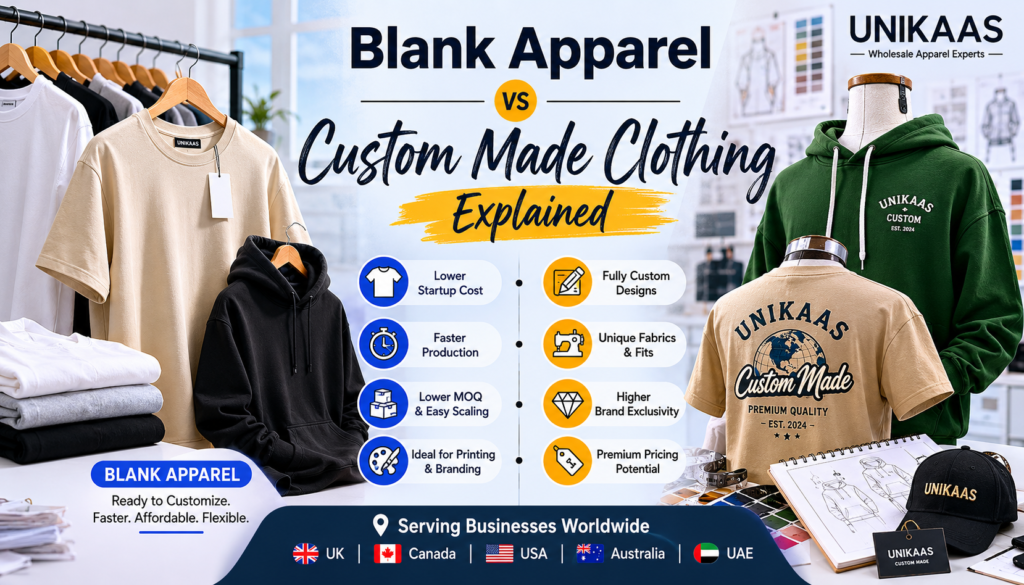
Introduction to Blank Apparel vs Custom Made Clothing
The fashion industry has evolved rapidly over the last decade, giving brands, startups, creators, gyms, schools, and merchandise businesses more production choices than ever before. One of the most common decisions businesses face today is whether to choose blank apparel or invest in fully custom-made clothing. Both options offer unique advantages, pricing structures, production timelines, and branding opportunities. Understanding the difference between these two manufacturing approaches is essential for any business looking to build a profitable clothing line or scale an existing apparel operation.
For streetwear startups, ecommerce clothing brands, print-on-demand stores, sportswear companies, and corporate merchandise suppliers, selecting the right apparel foundation can directly affect product quality, delivery speed, profit margins, and customer satisfaction. Many successful global brands started with blank apparel because it allowed them to launch quickly with minimal investment. Others chose custom manufacturing to create exclusive garments tailored to their brand identity.
At Unikaas, businesses can access premium wholesale blank apparel solutions including wholesale t-shirts, wholesale hoodies, and plain t-shirts in bulk wholesale for printing, embroidery, branding, and resale. These products provide businesses with cost-effective options for scaling fashion operations without the high risks associated with custom garment manufacturing.
This detailed guide explains the differences between blank apparel and custom made clothing, compares their advantages and disadvantages, explores pricing and production factors, and helps businesses decide which option is best for their goals.
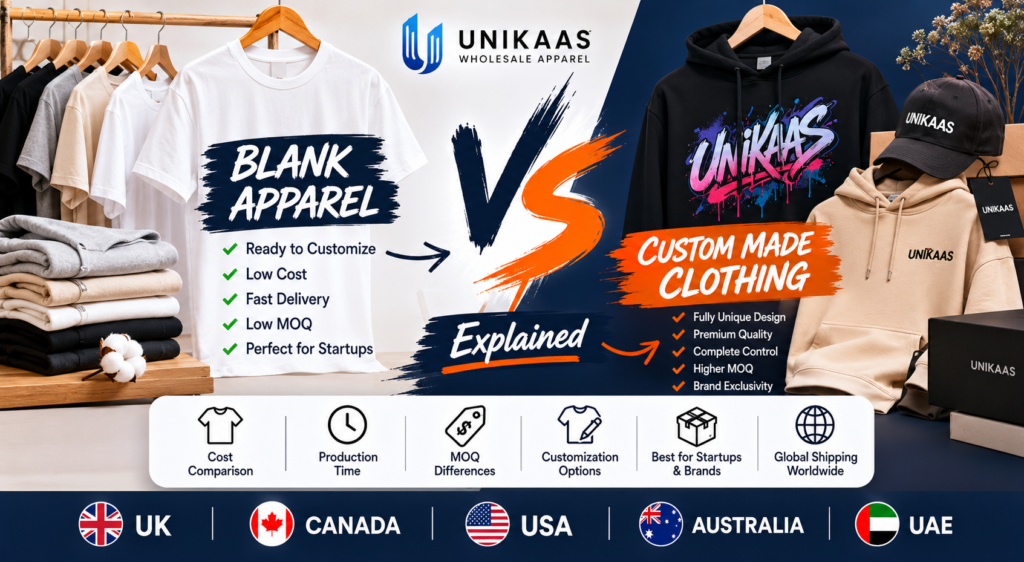
What Is Blank Apparel?
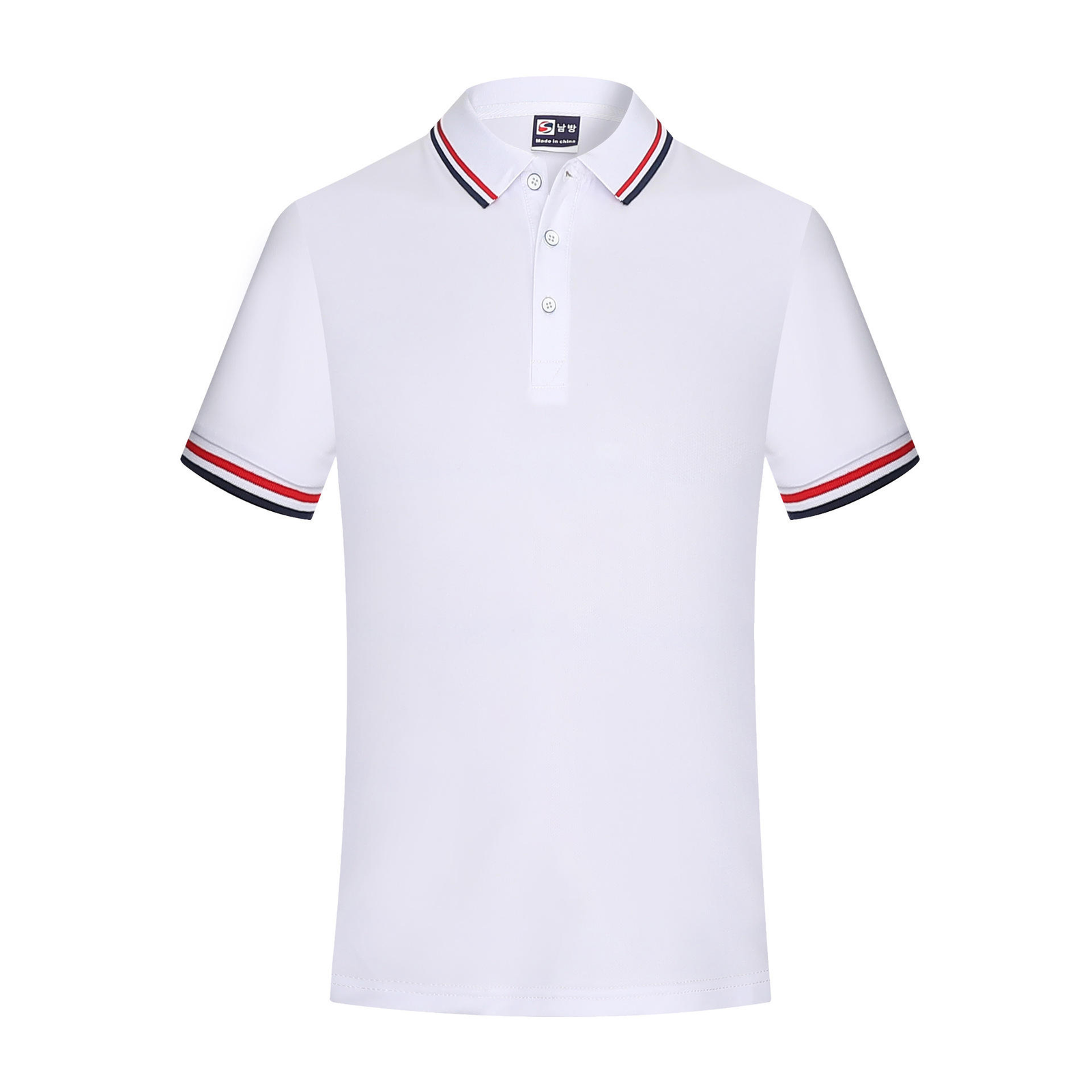
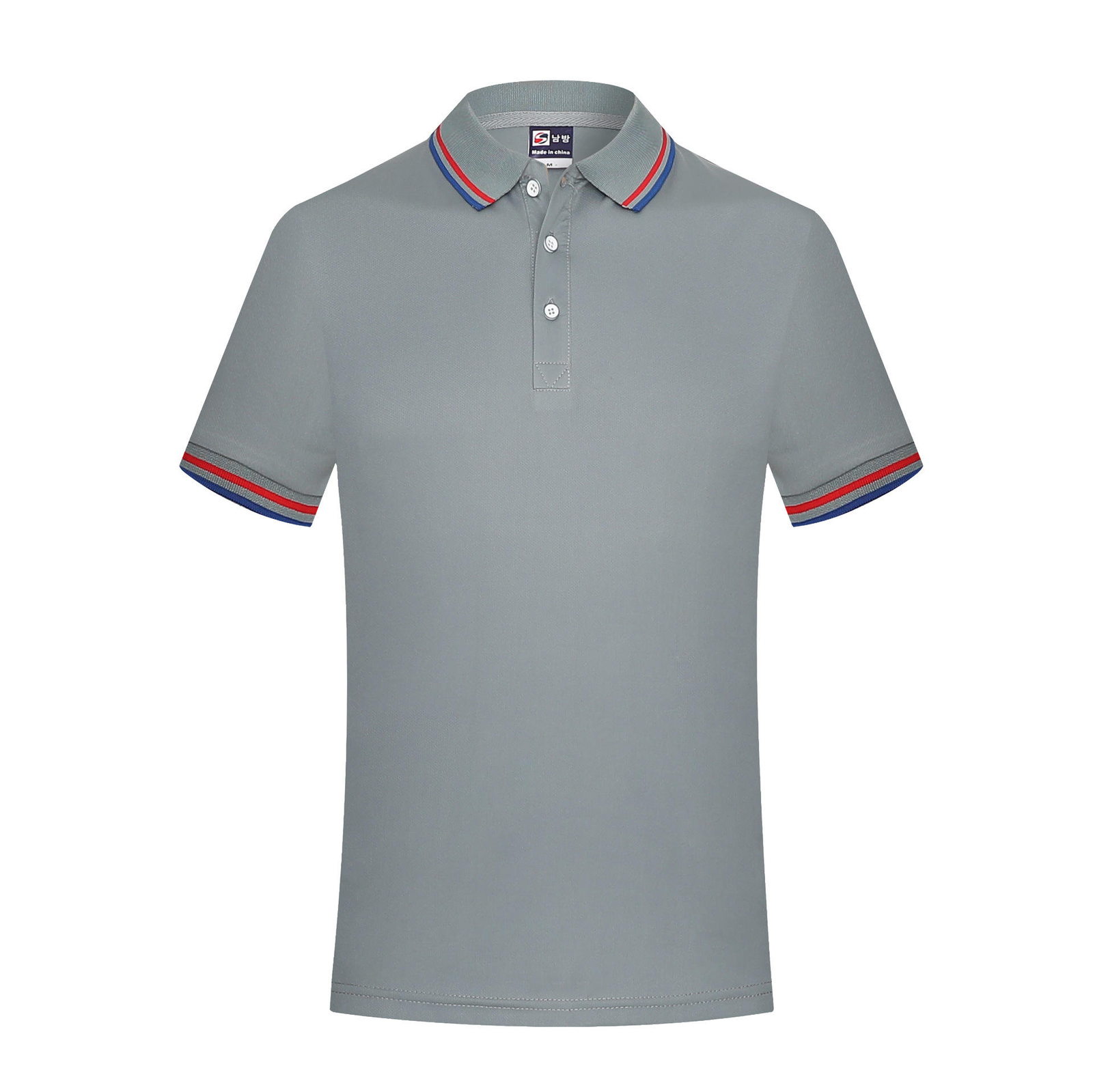
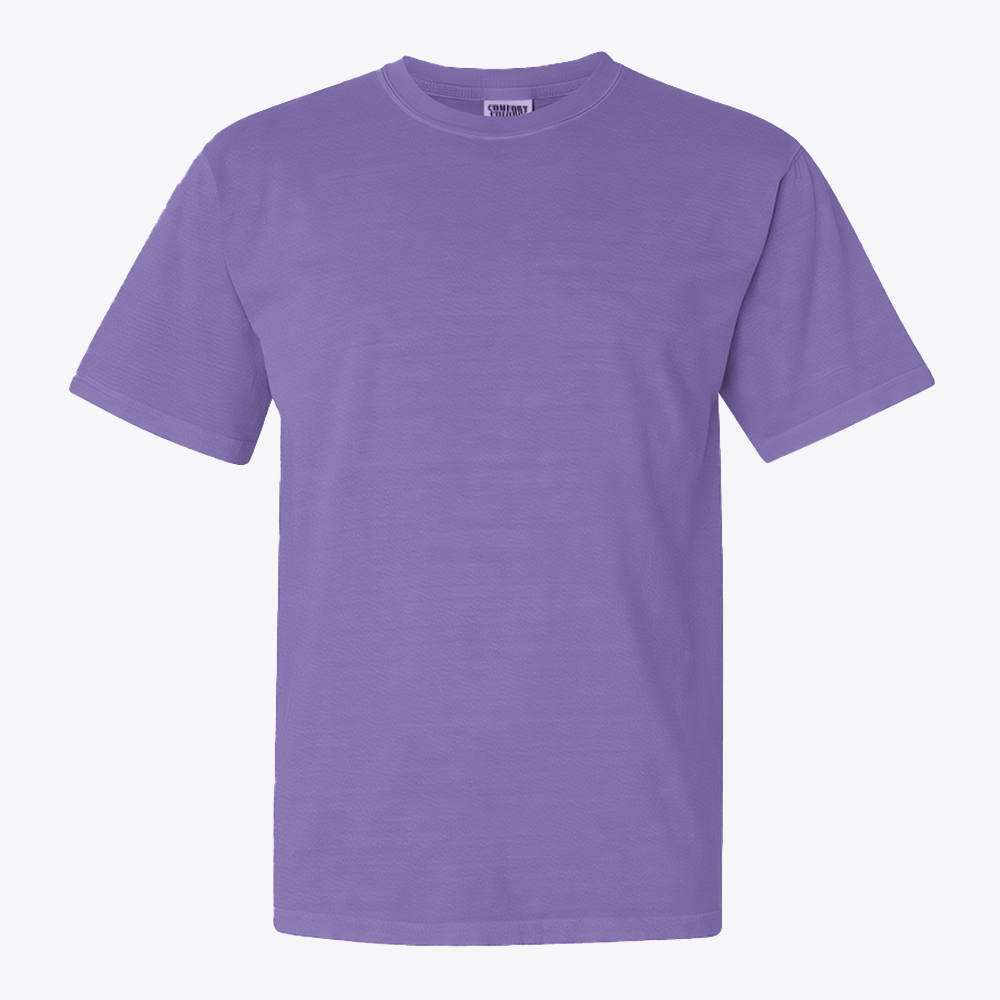
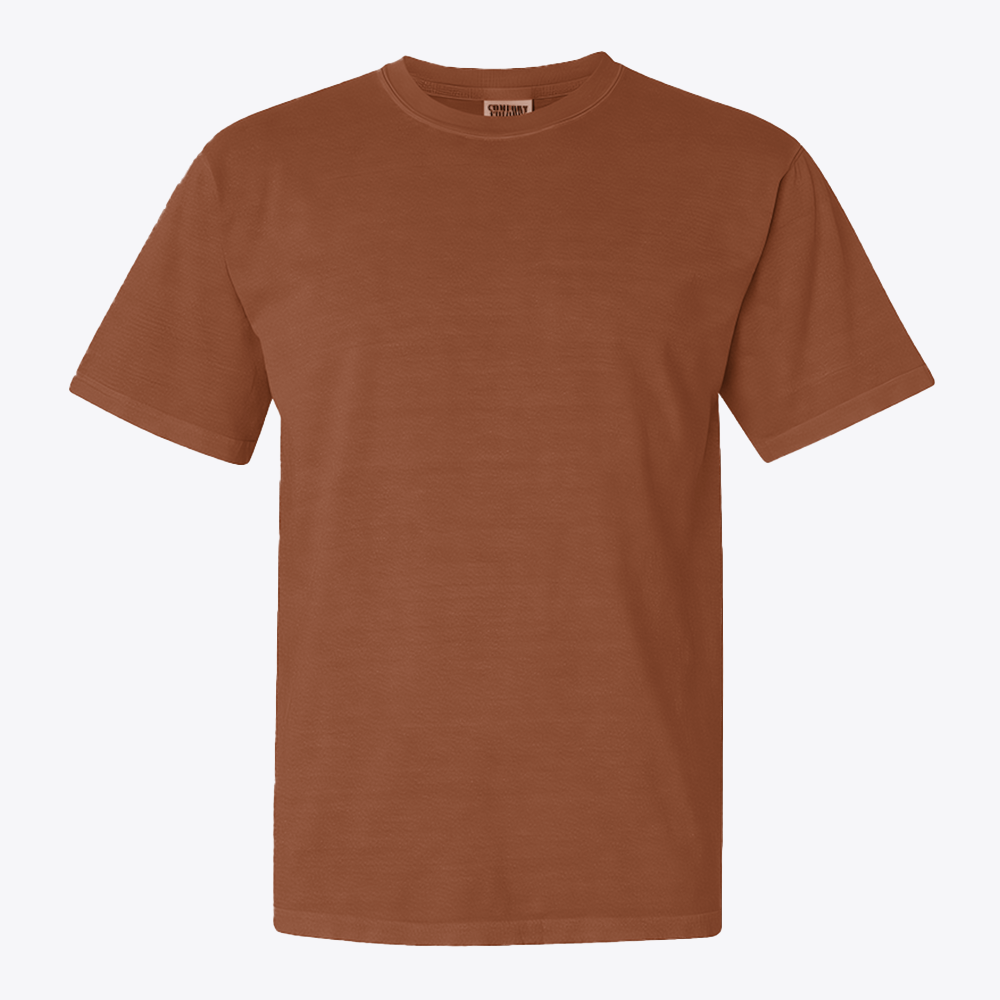
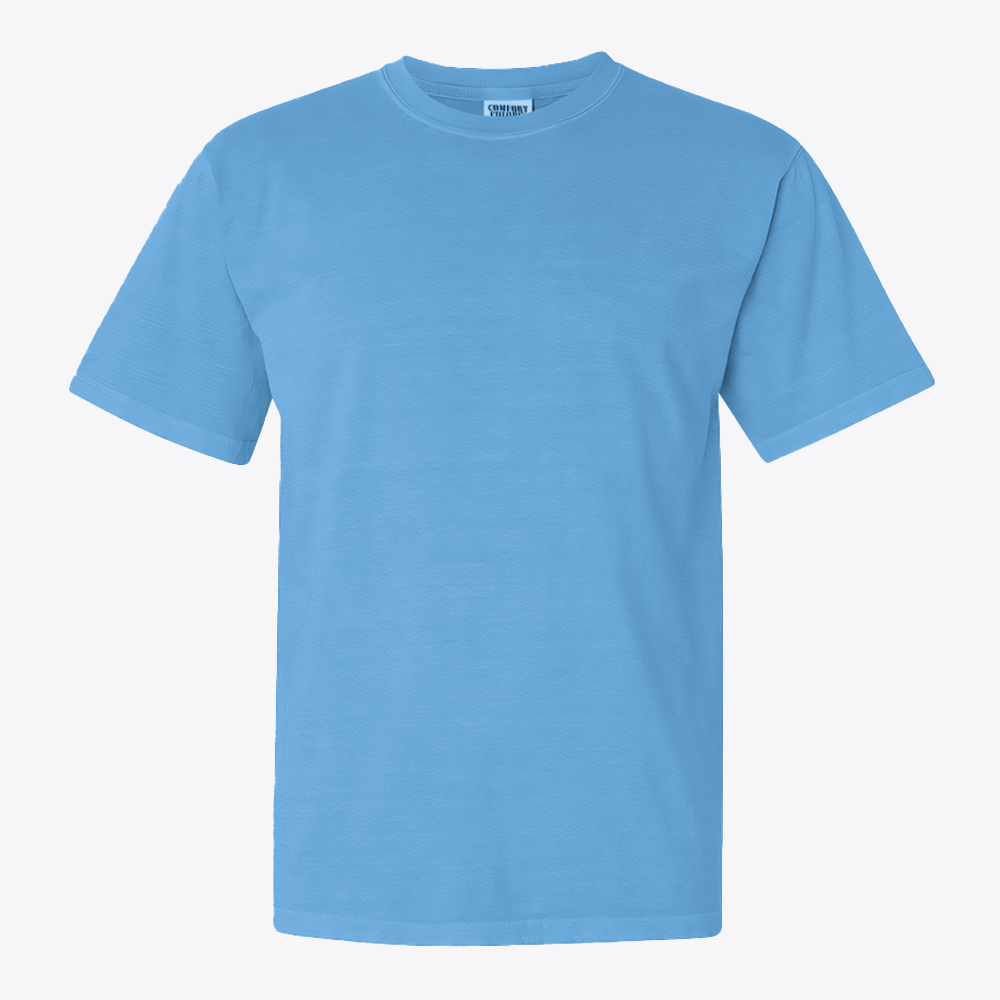
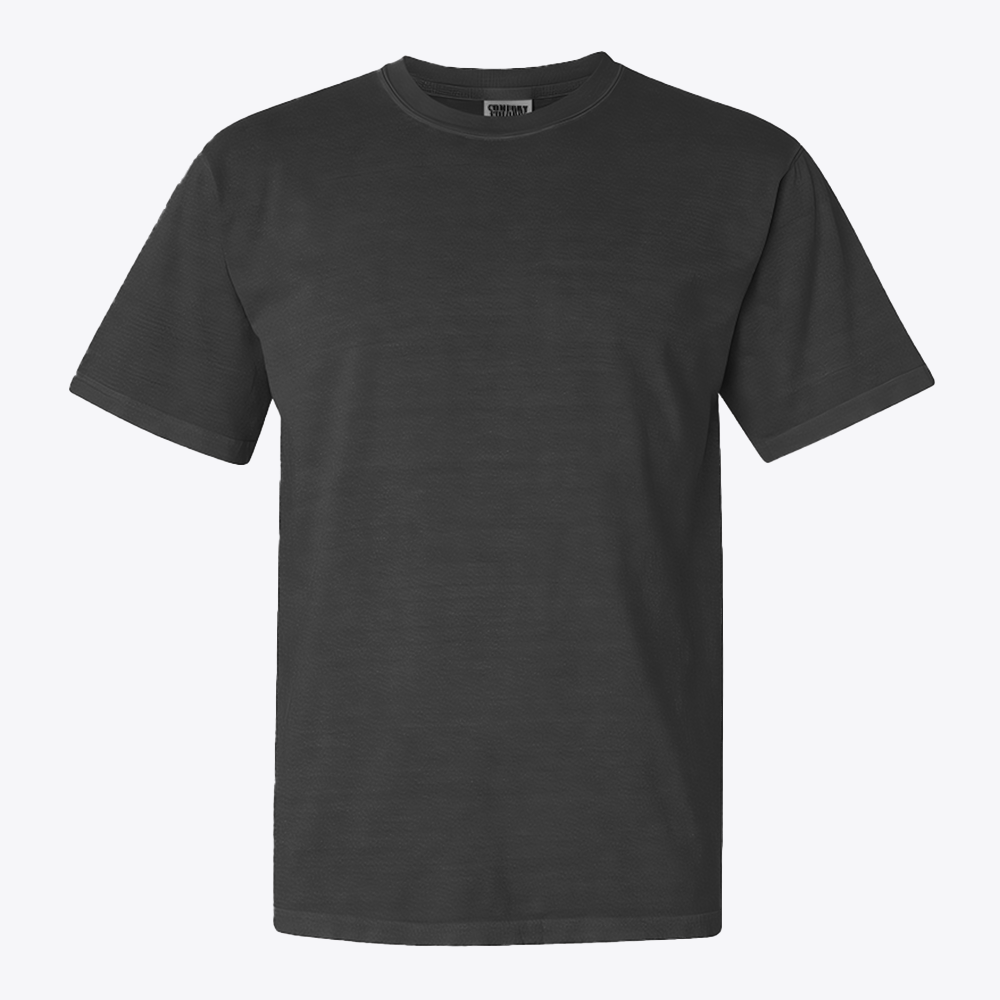
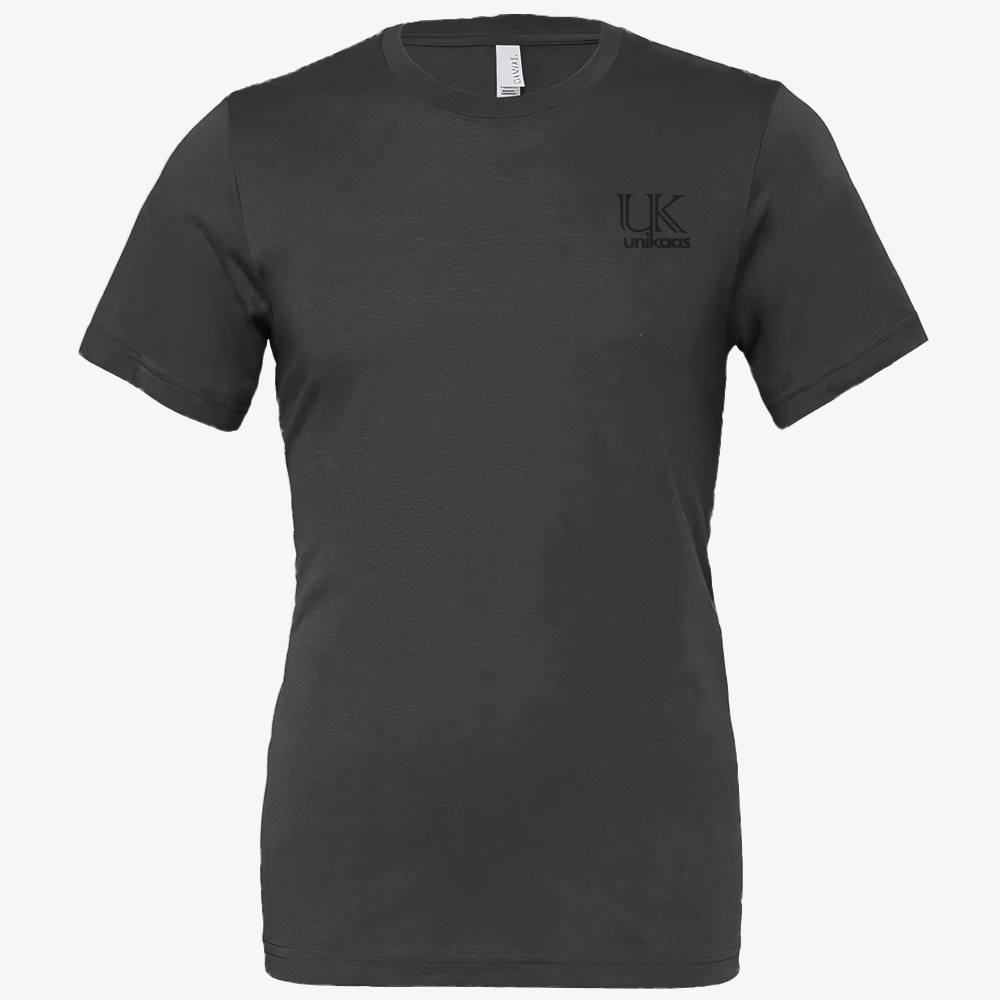
Blank apparel refers to ready-made garments manufactured without logos, graphics, embroidery, or custom branding. These garments are produced in bulk by manufacturers and wholesalers, allowing businesses to customize them later through screen printing, sublimation, embroidery, DTG printing, vinyl transfer, or private labeling.
Blank apparel products are commonly used by:
- Streetwear brands
- Print shops
- Ecommerce startups
- Sports teams
- Corporate merchandise companies
- Fashion influencers
- School organizations
- Event management companies
- Fitness brands
- Uniform suppliers
Popular blank apparel products include:
- T-shirts
- Hoodies
- Sweatshirts
- Tank tops
- Long sleeve shirts
- Polyester performance shirts
- Oversized tees
- Vintage blanks
- Dri-fit sportswear
Businesses often choose blank apparel because it eliminates the need for expensive garment pattern creation, fabric sourcing, custom stitching development, and high minimum order quantities.
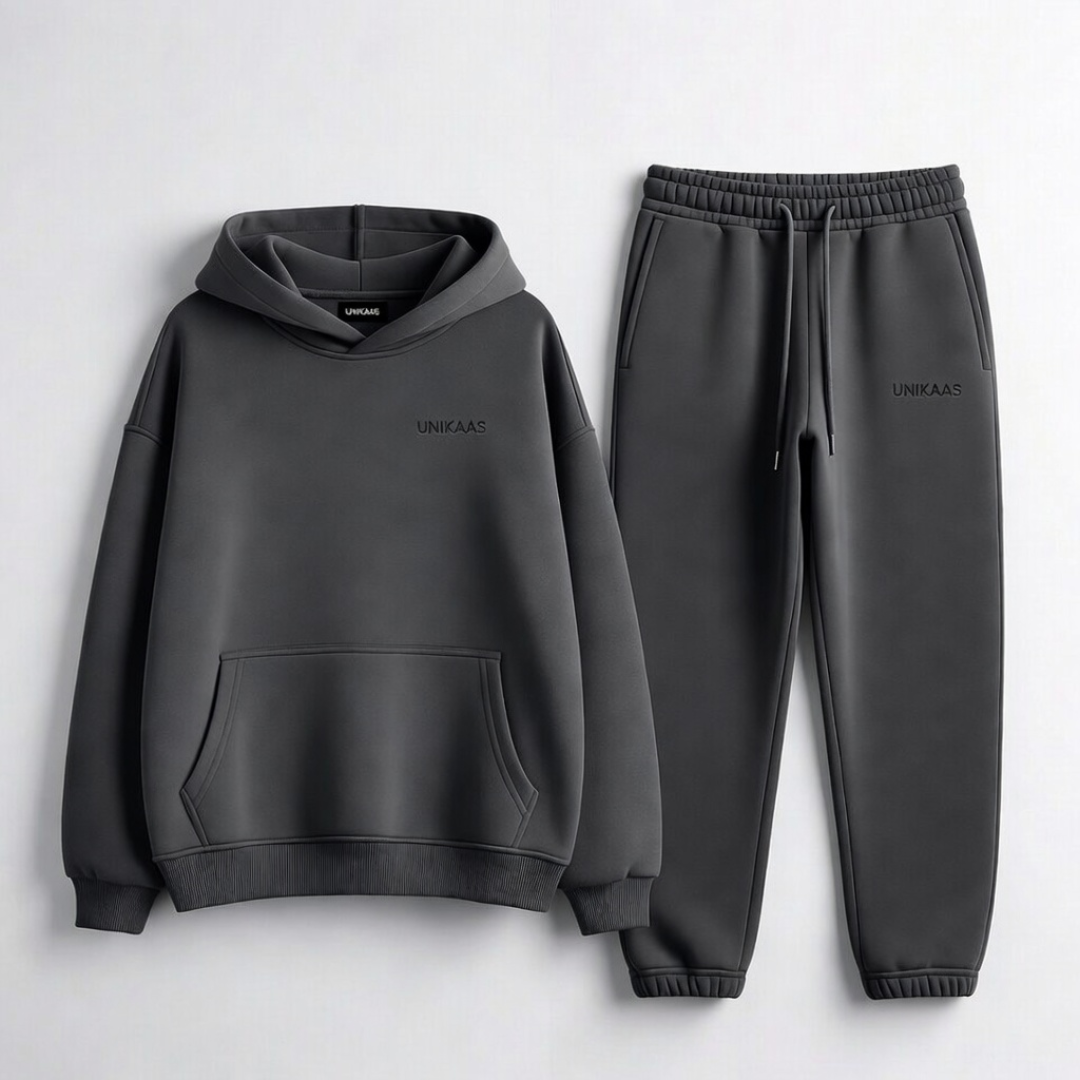
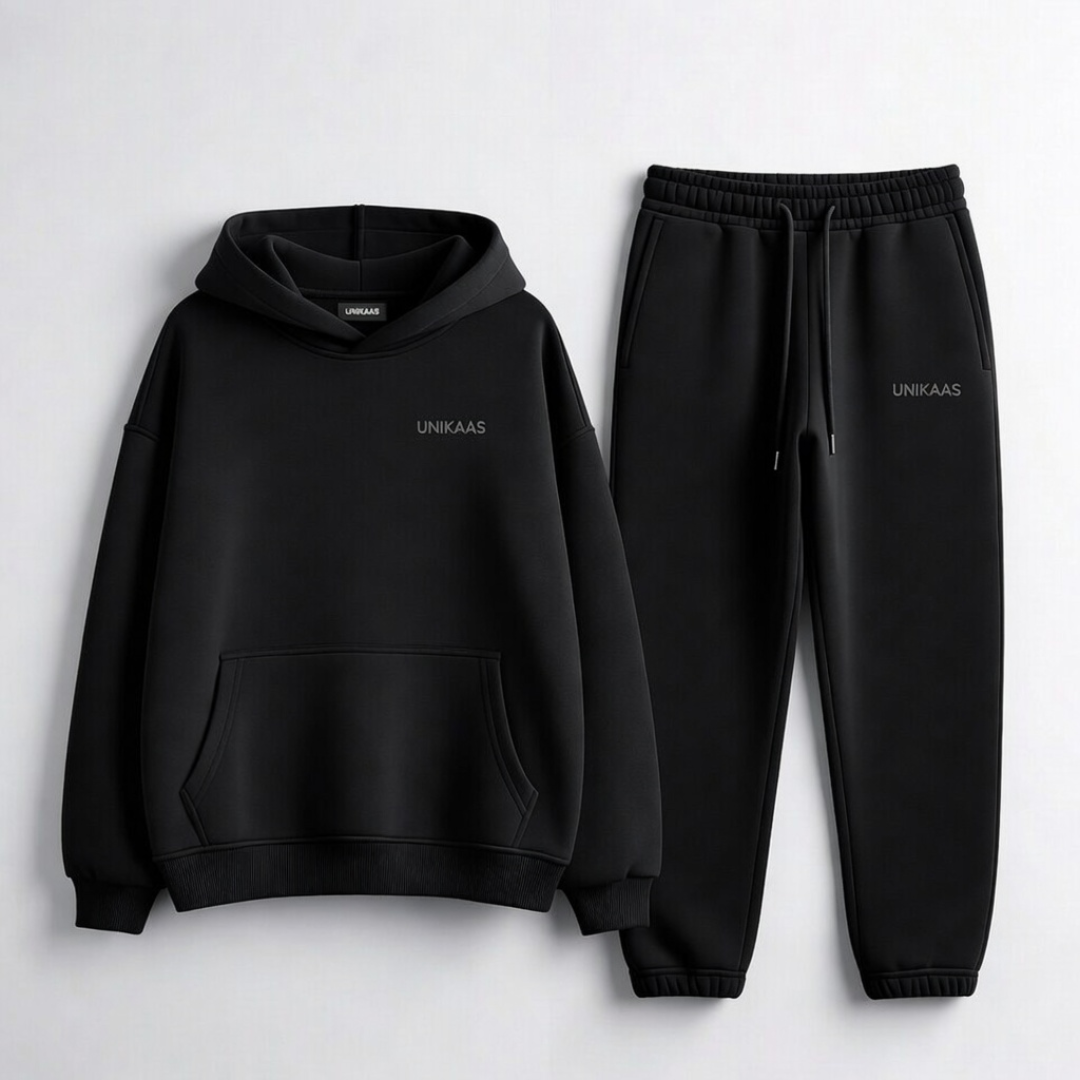
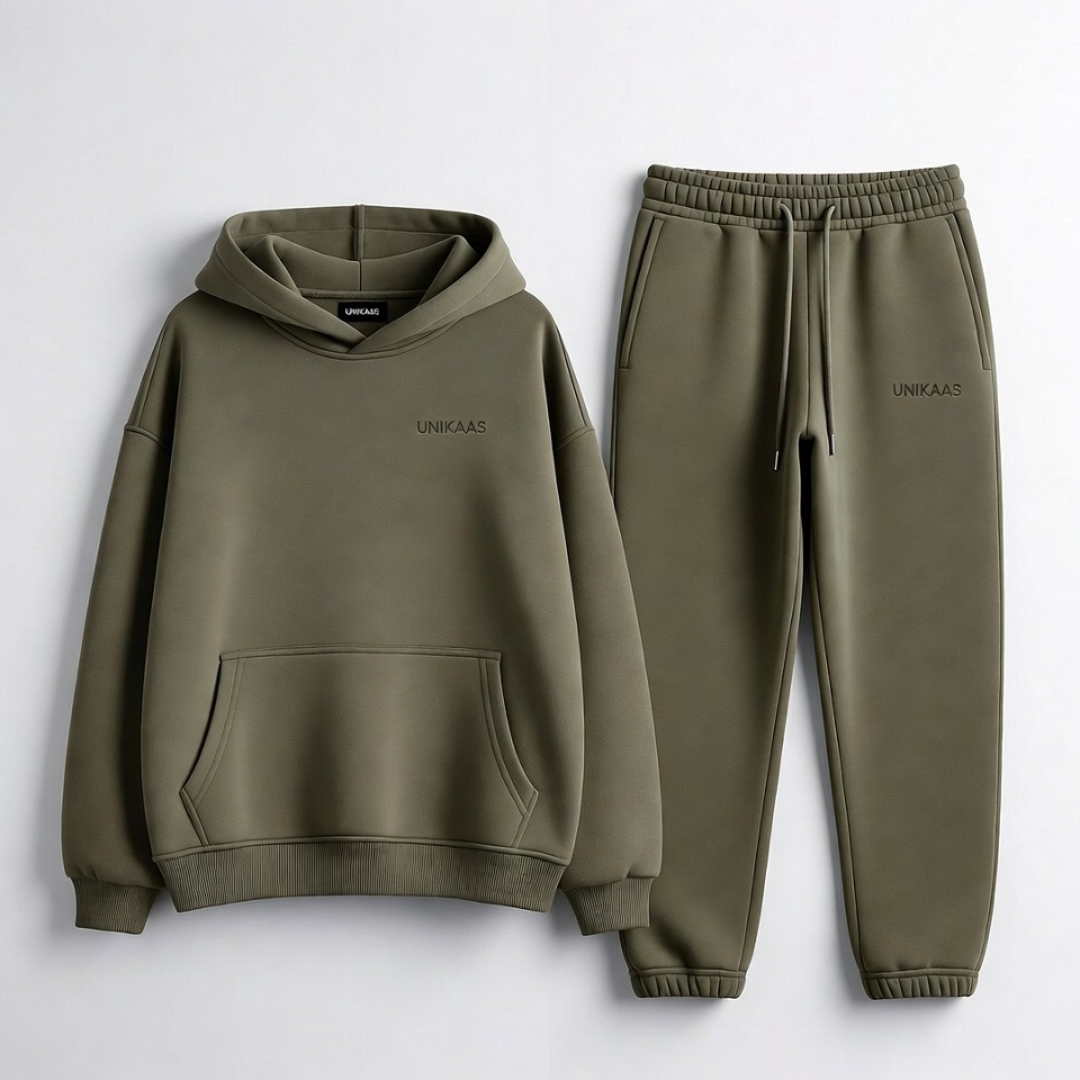
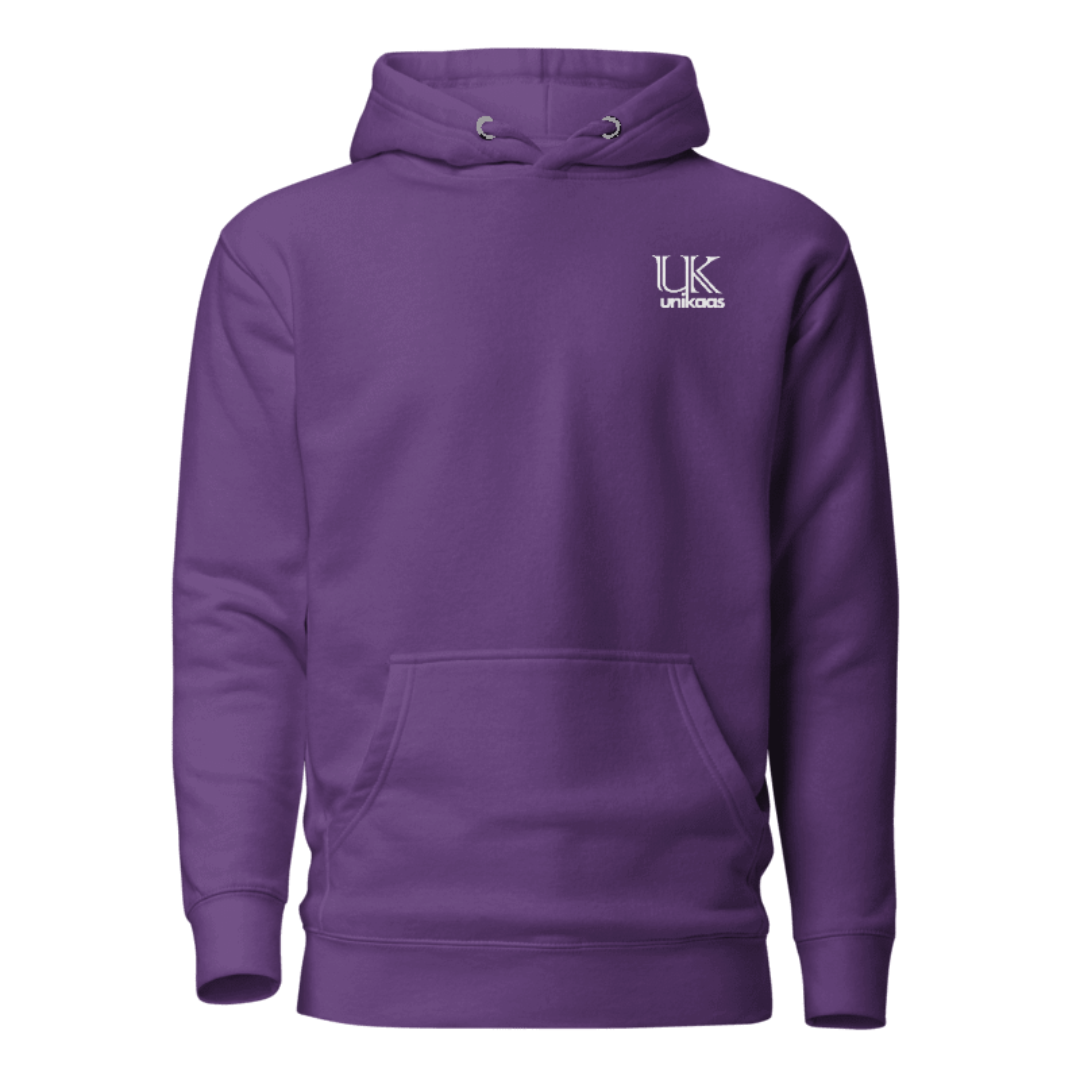
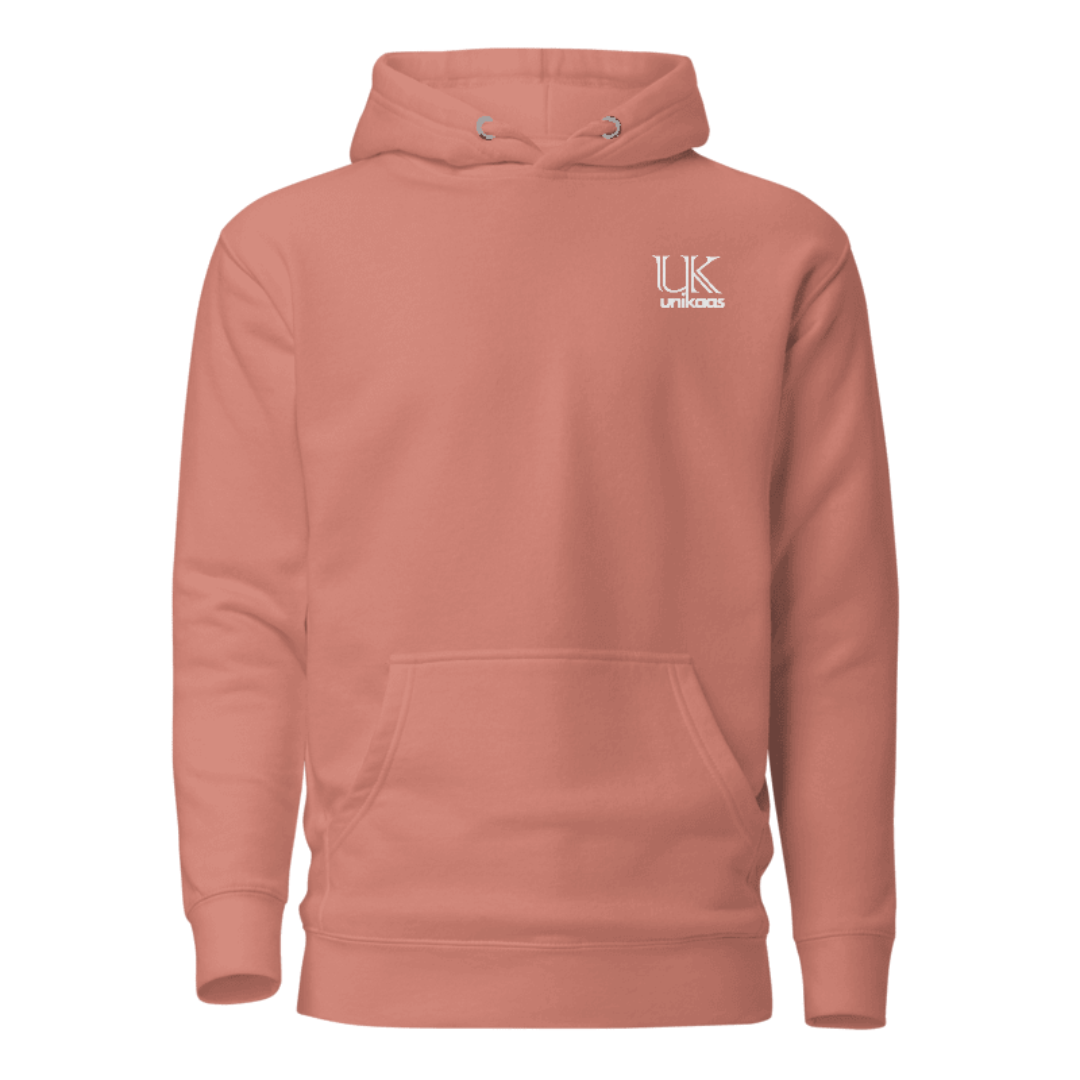
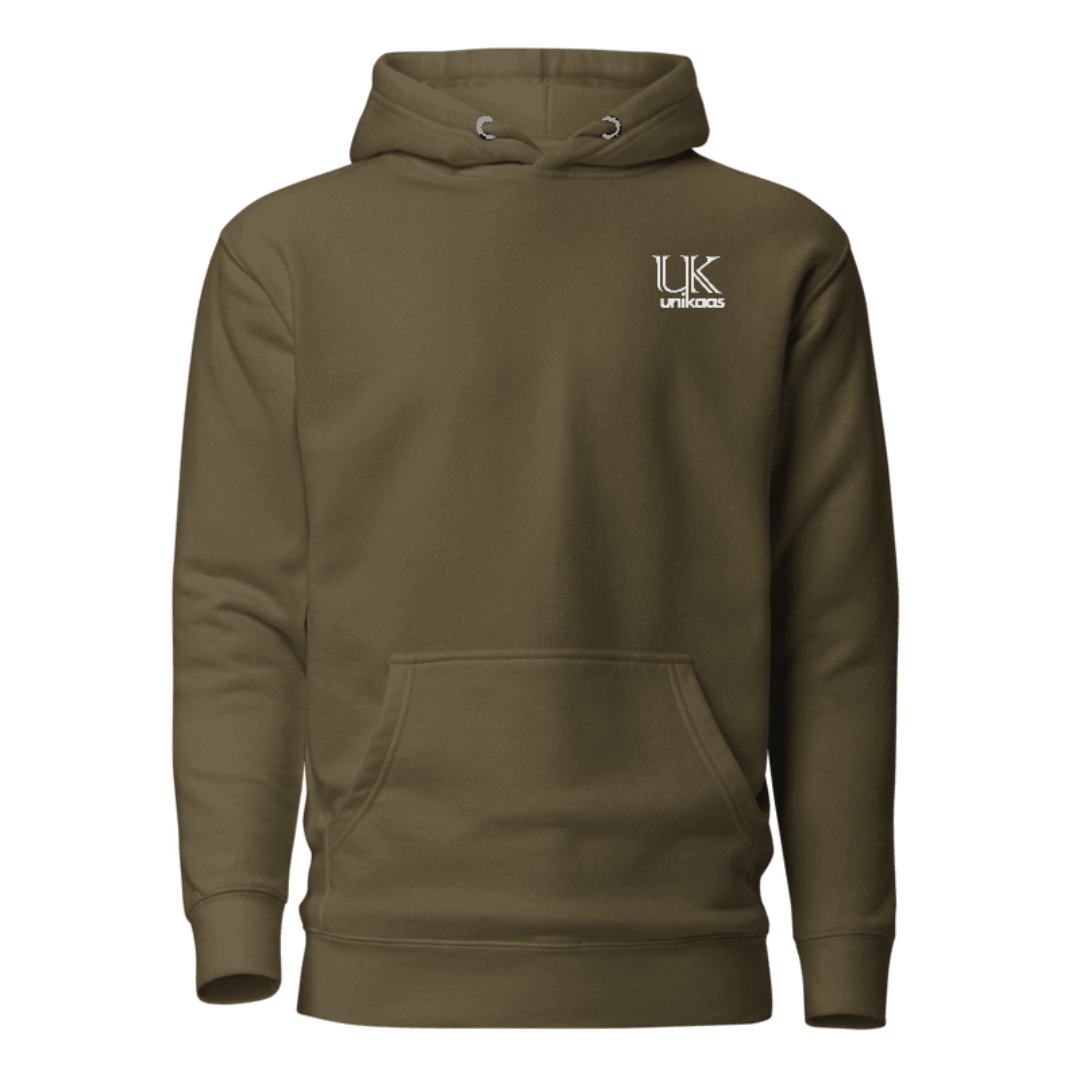
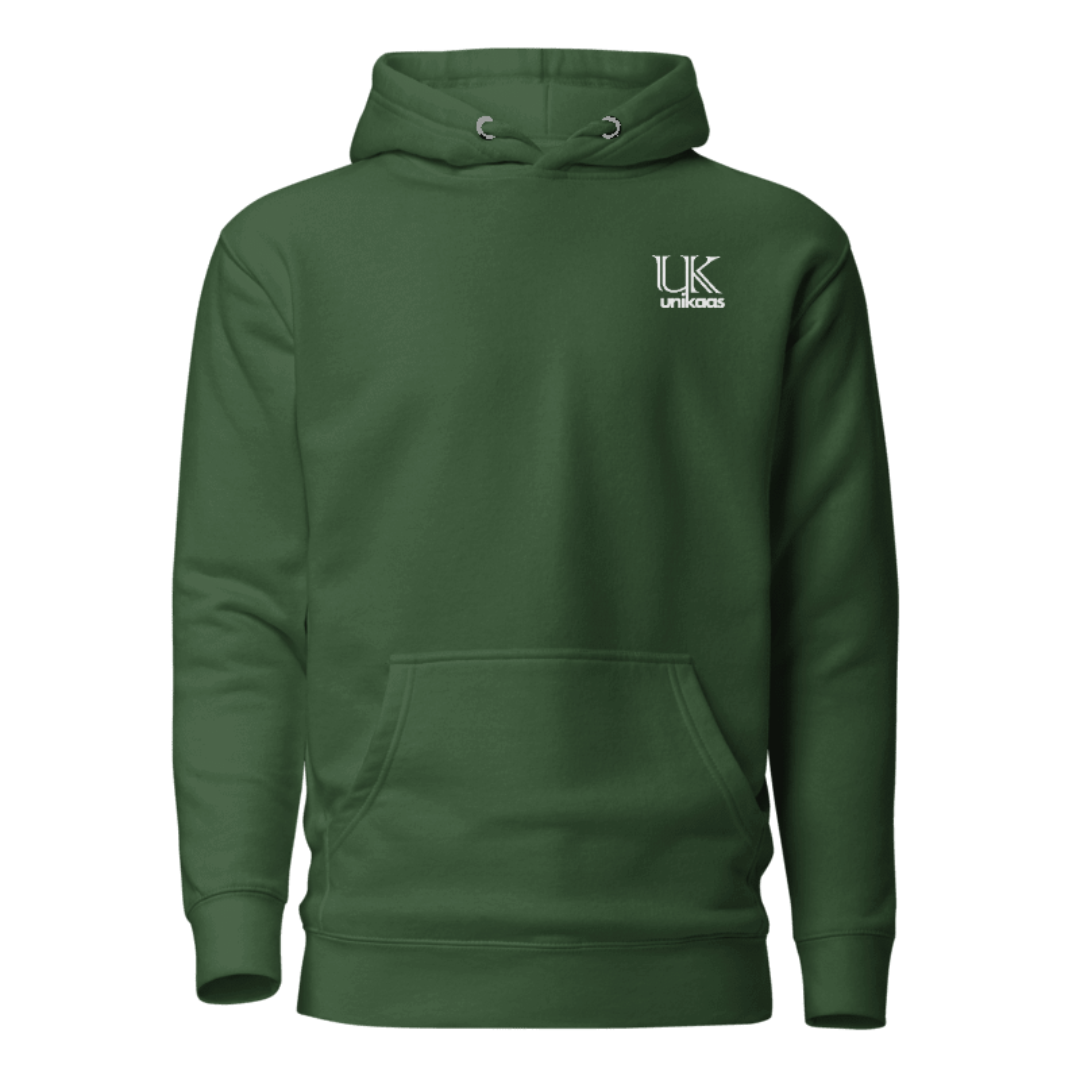
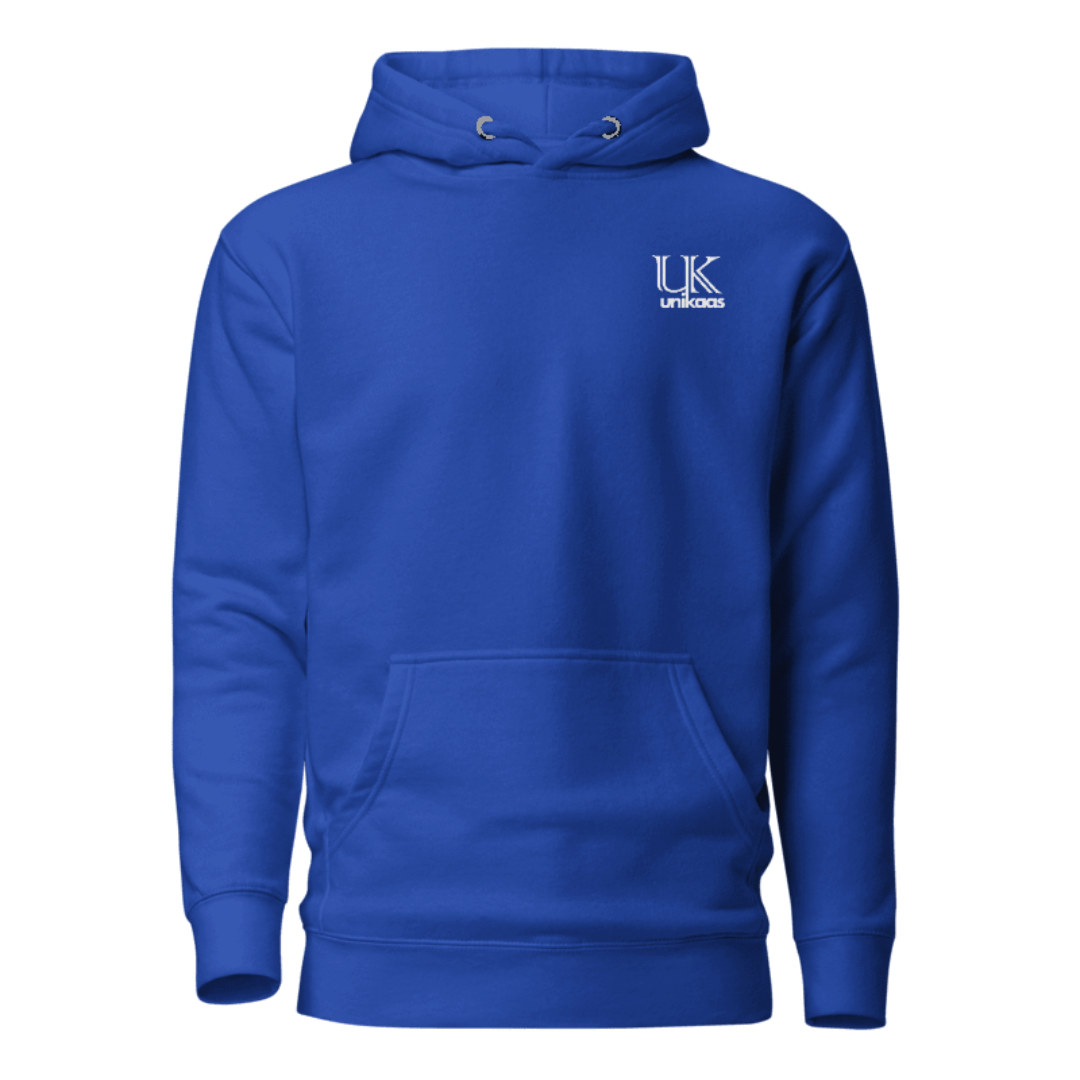
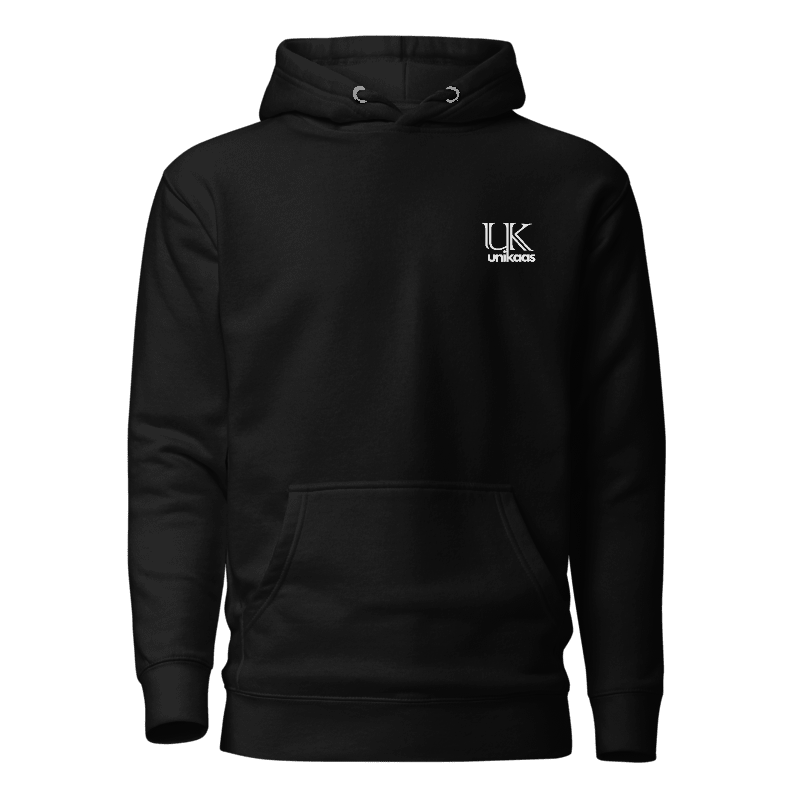
For example, brands looking for quality basics can source blank hooded sweatshirts wholesale or premium white blank hoodie collections directly from Unikaas and customize them according to their brand identity.
Key Characteristics of Blank Apparel
Ready for Customization
Blank apparel acts as a foundation garment. Businesses add their own designs, logos, or labels later.
Faster Production
Since garments are already manufactured, businesses can start printing or selling immediately.
Lower Startup Costs
No need to invest in custom patterns or fabric development.
Lower Minimum Order Quantities
Blank clothing wholesalers often support small and medium-sized orders.
Easier Inventory Management
Businesses can stock standard blank garments and print them based on demand.

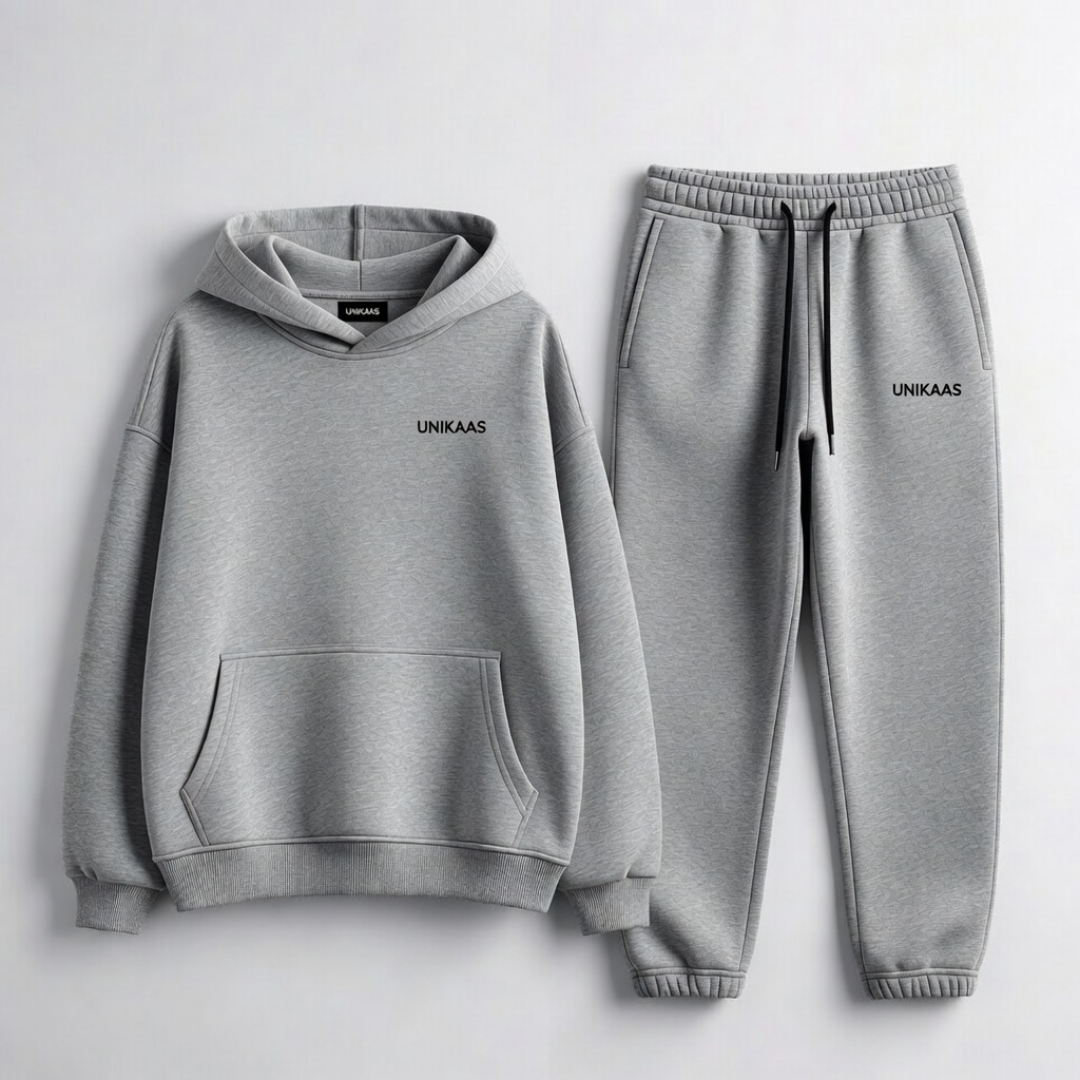
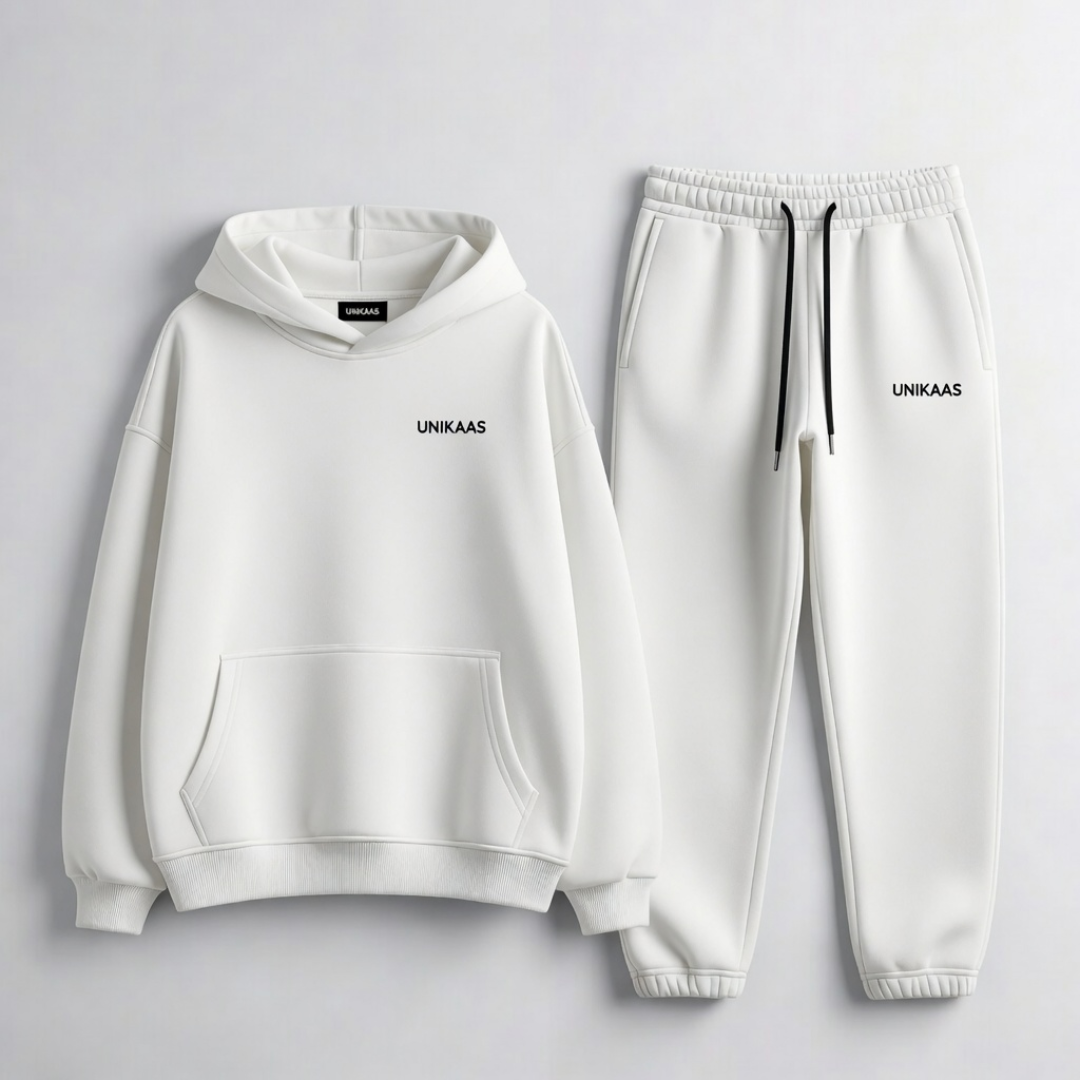
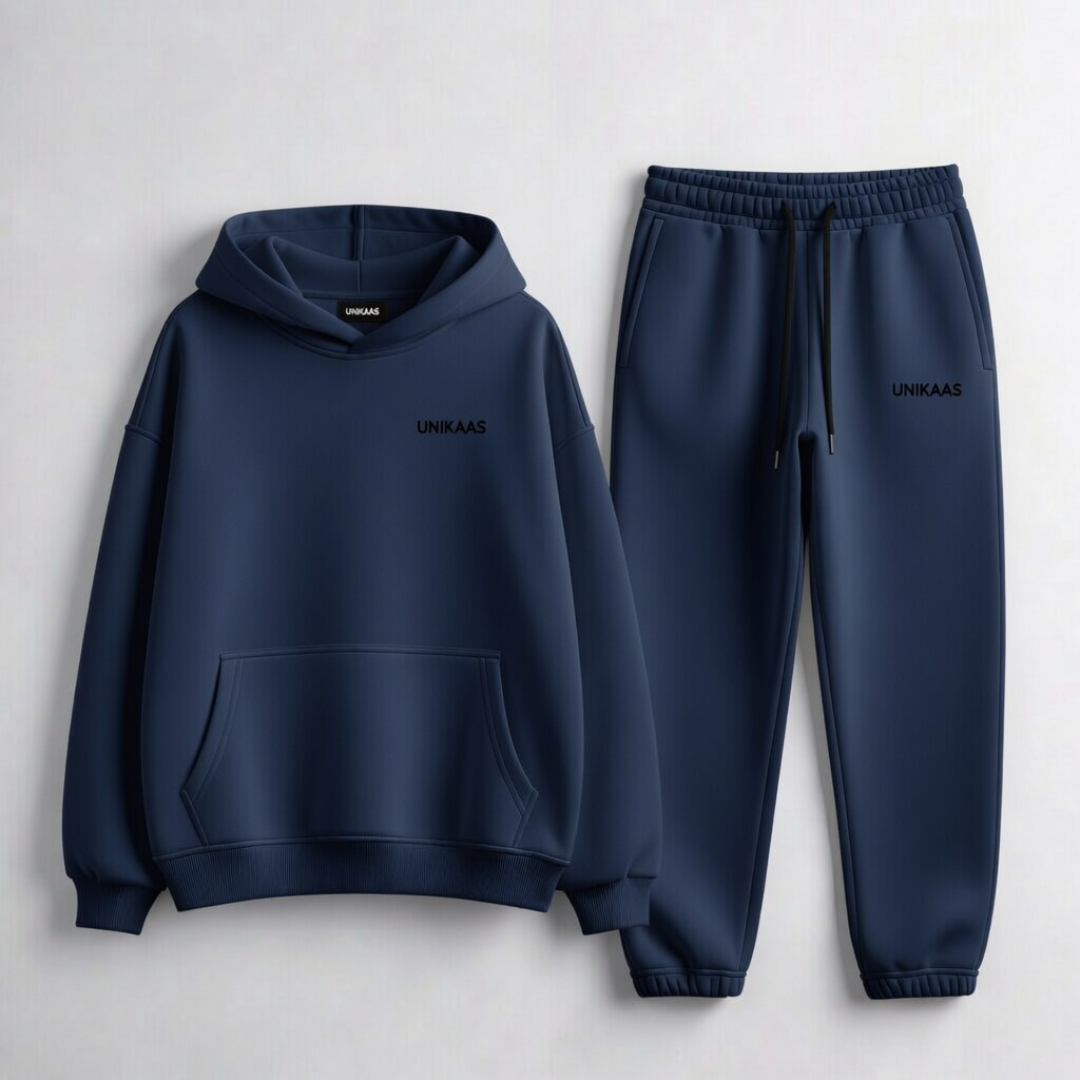
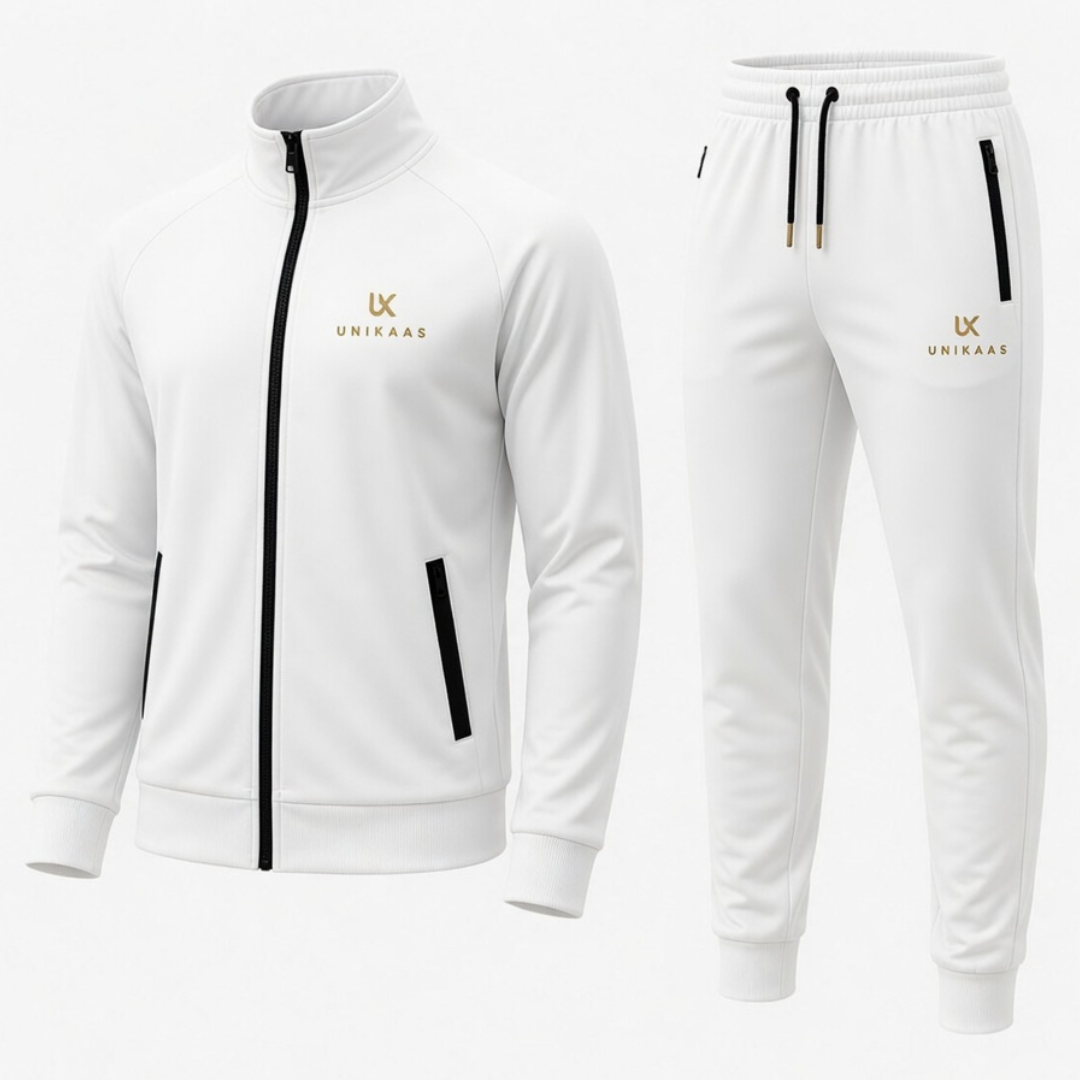
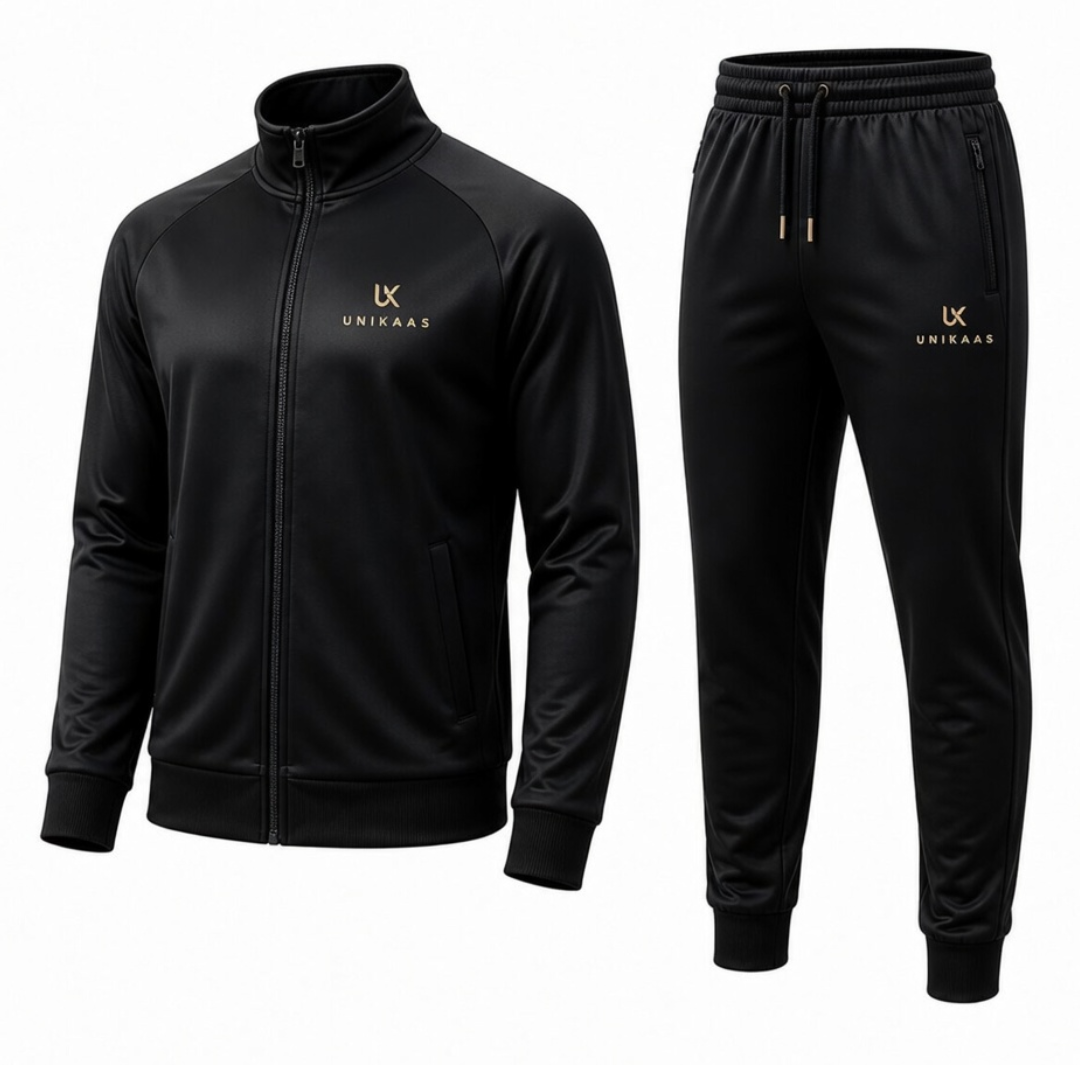
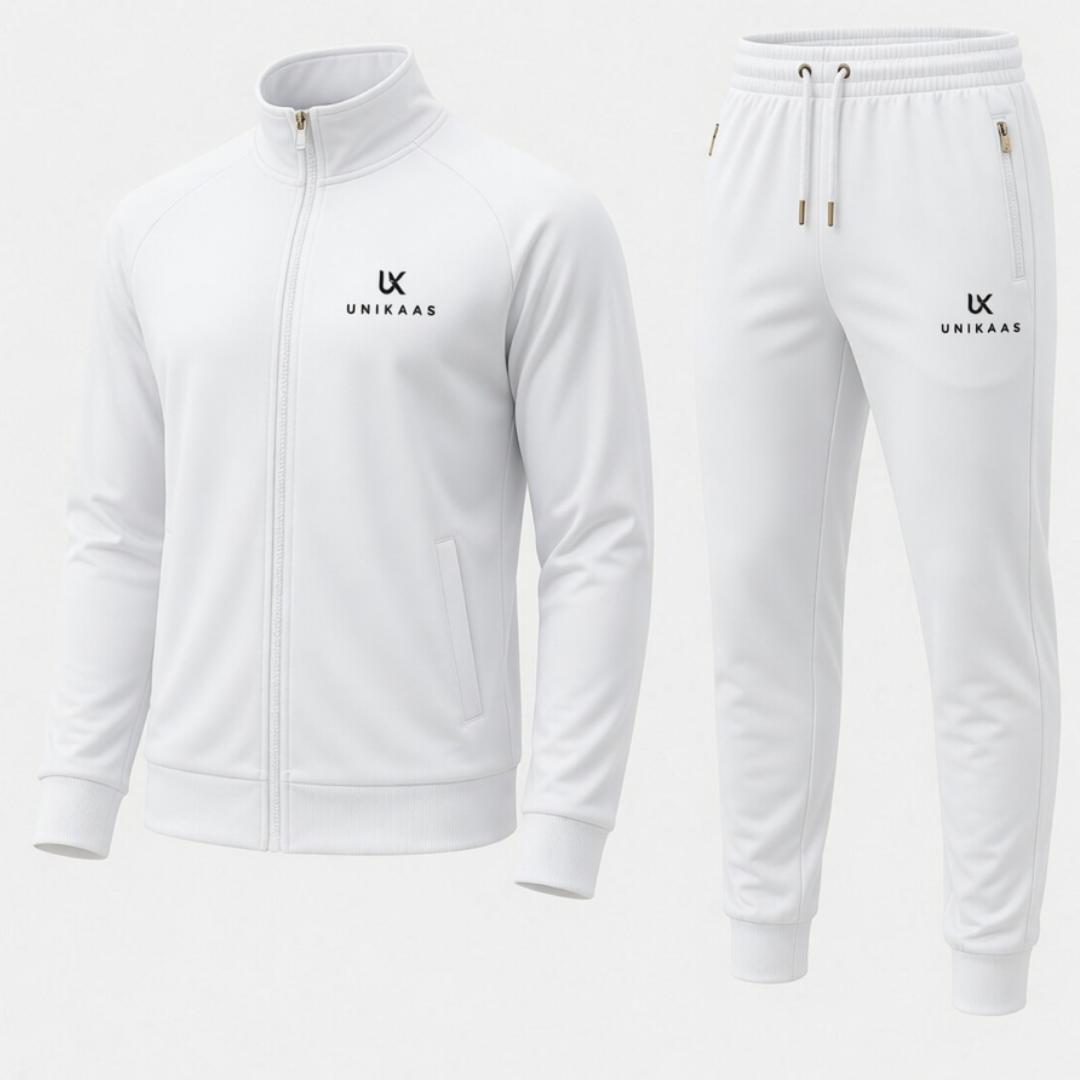
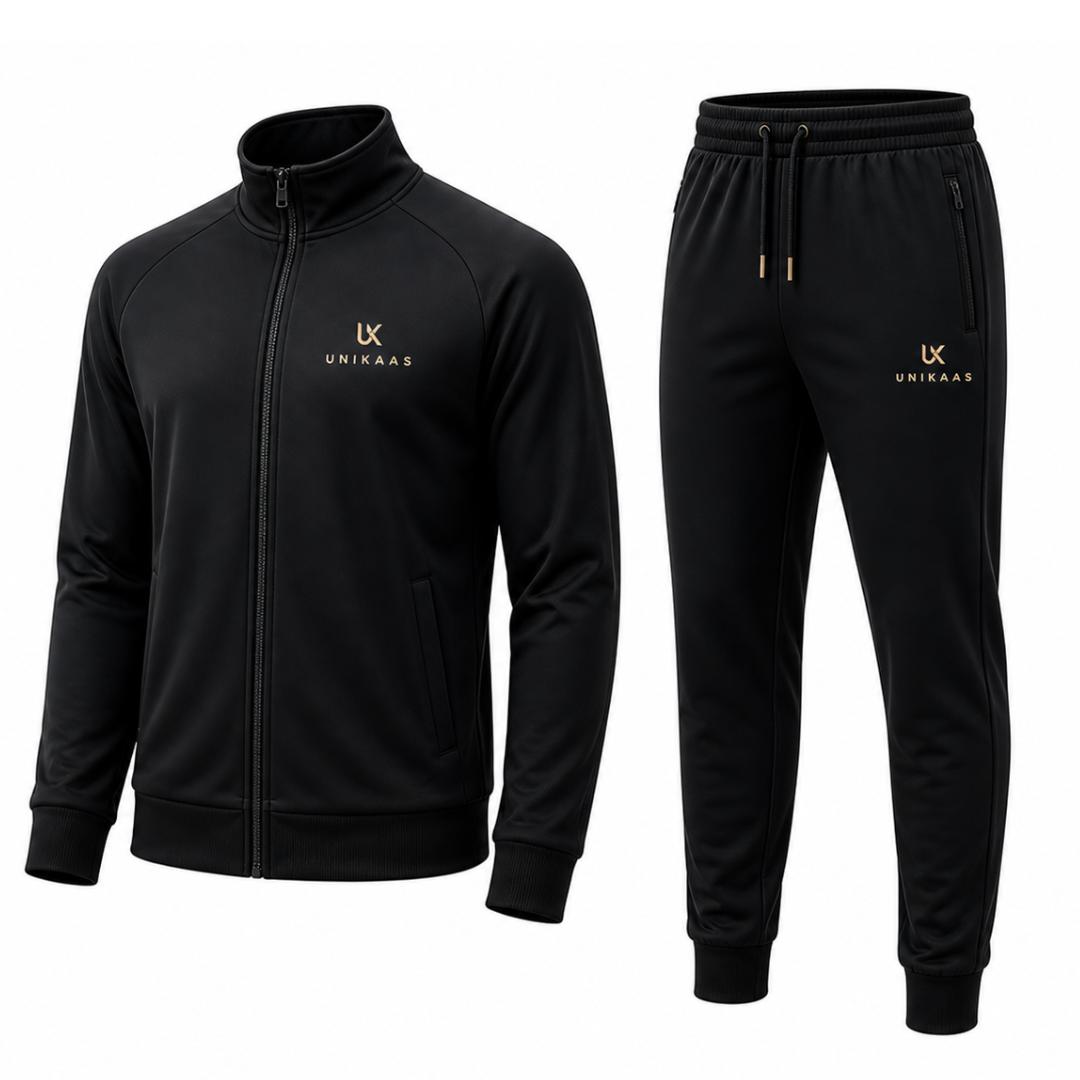
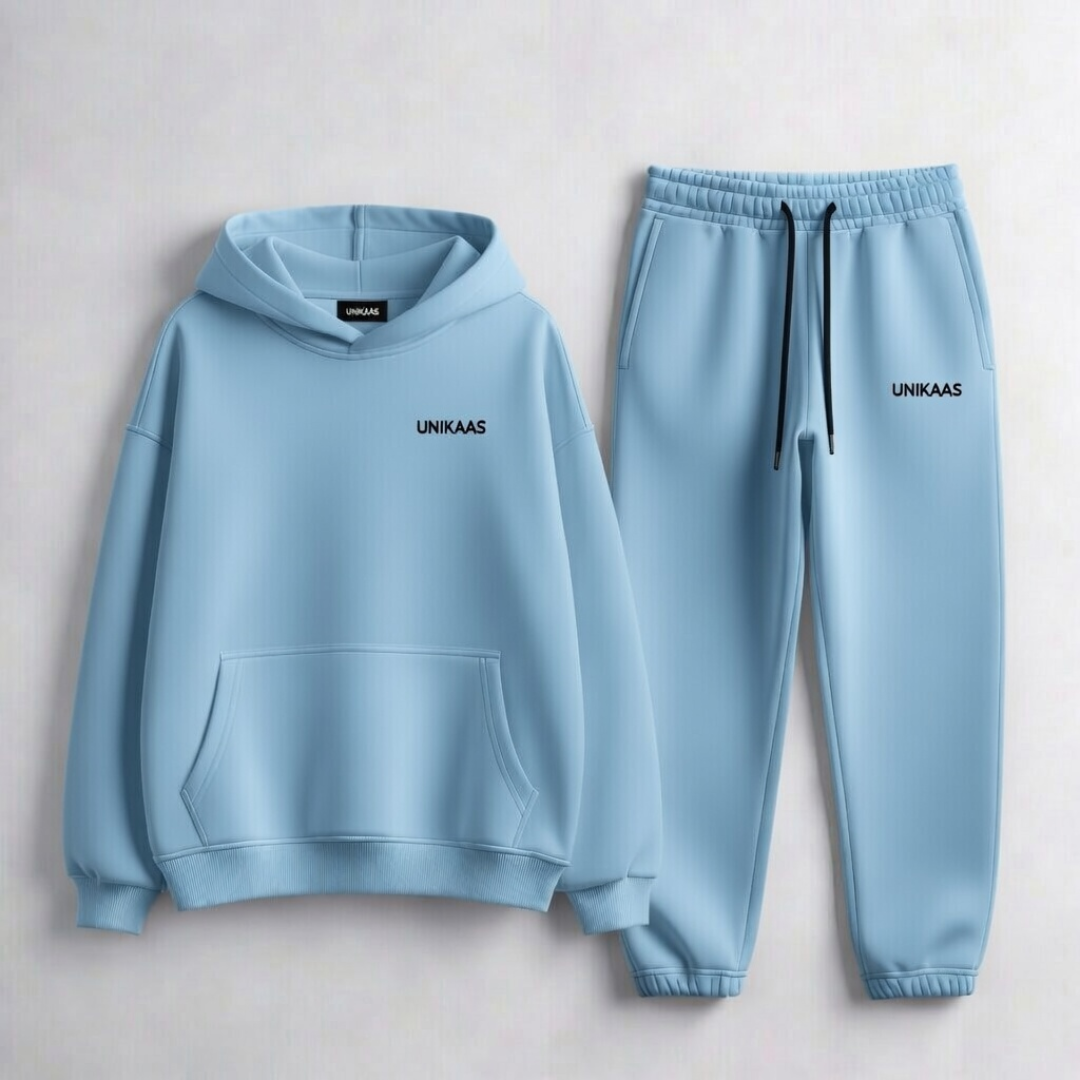
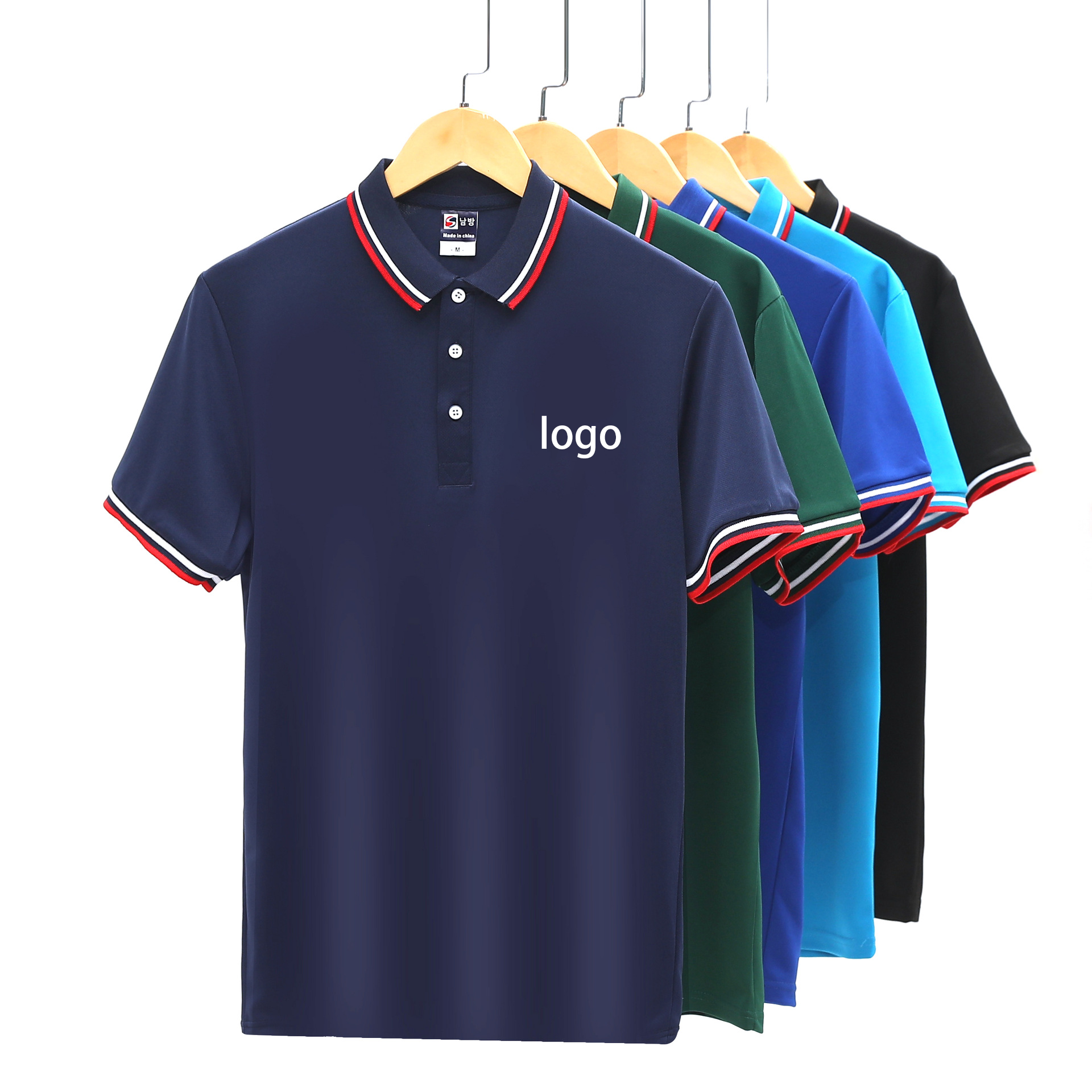
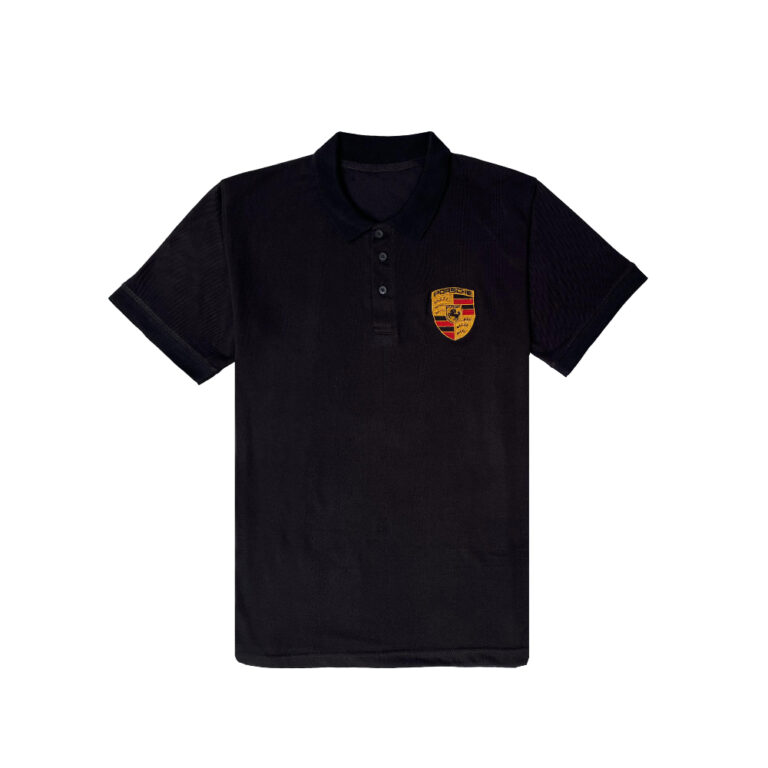
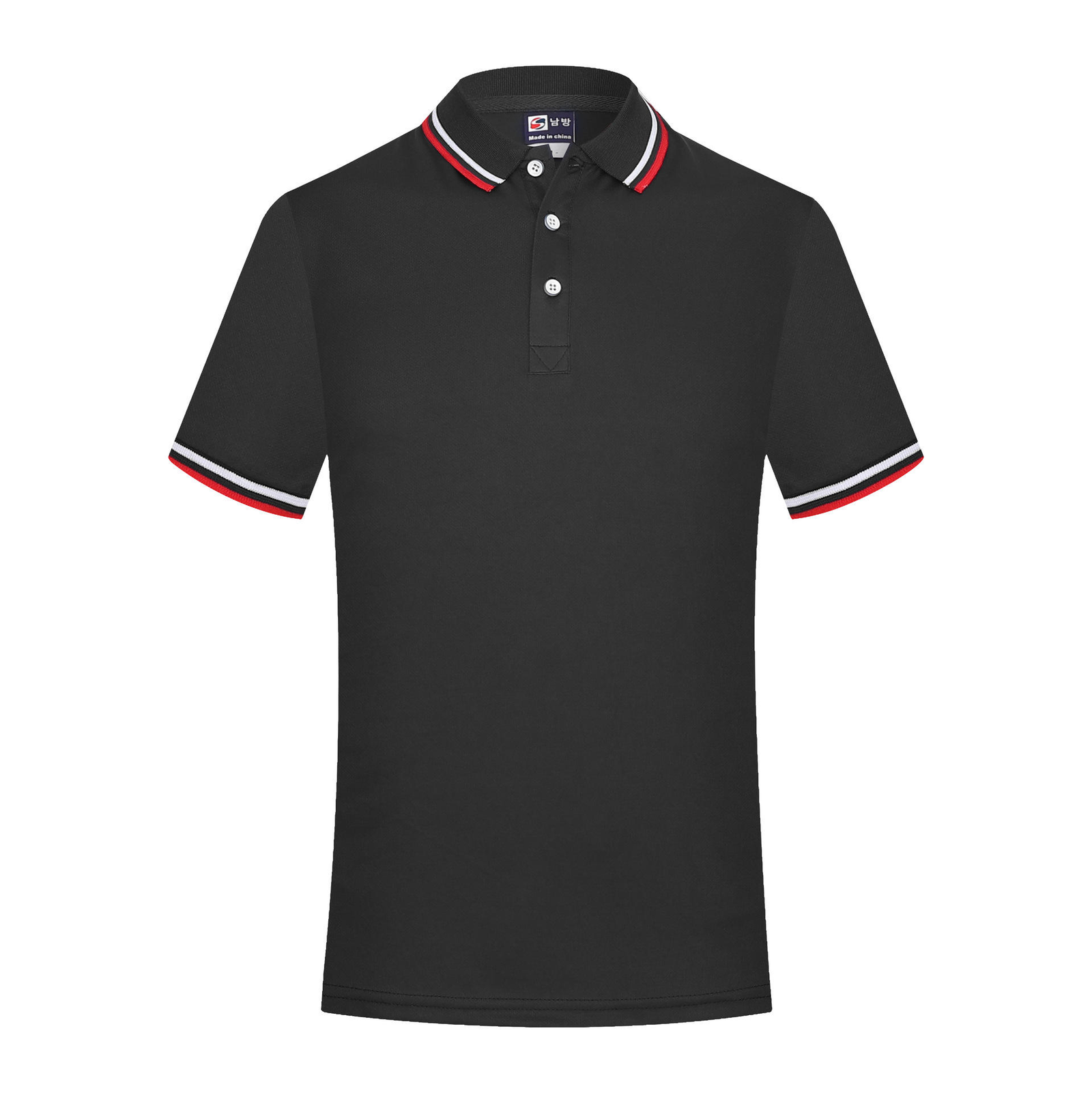
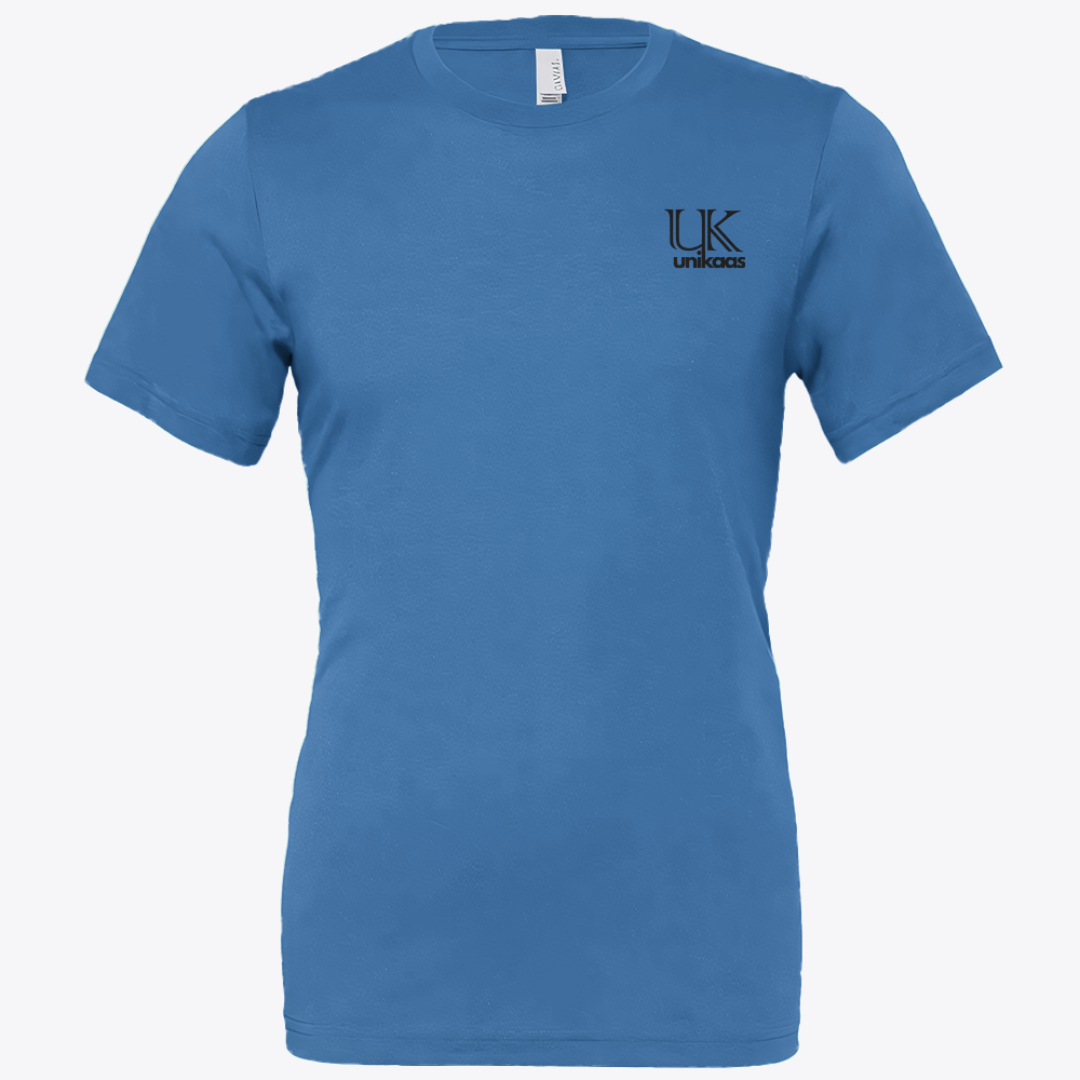
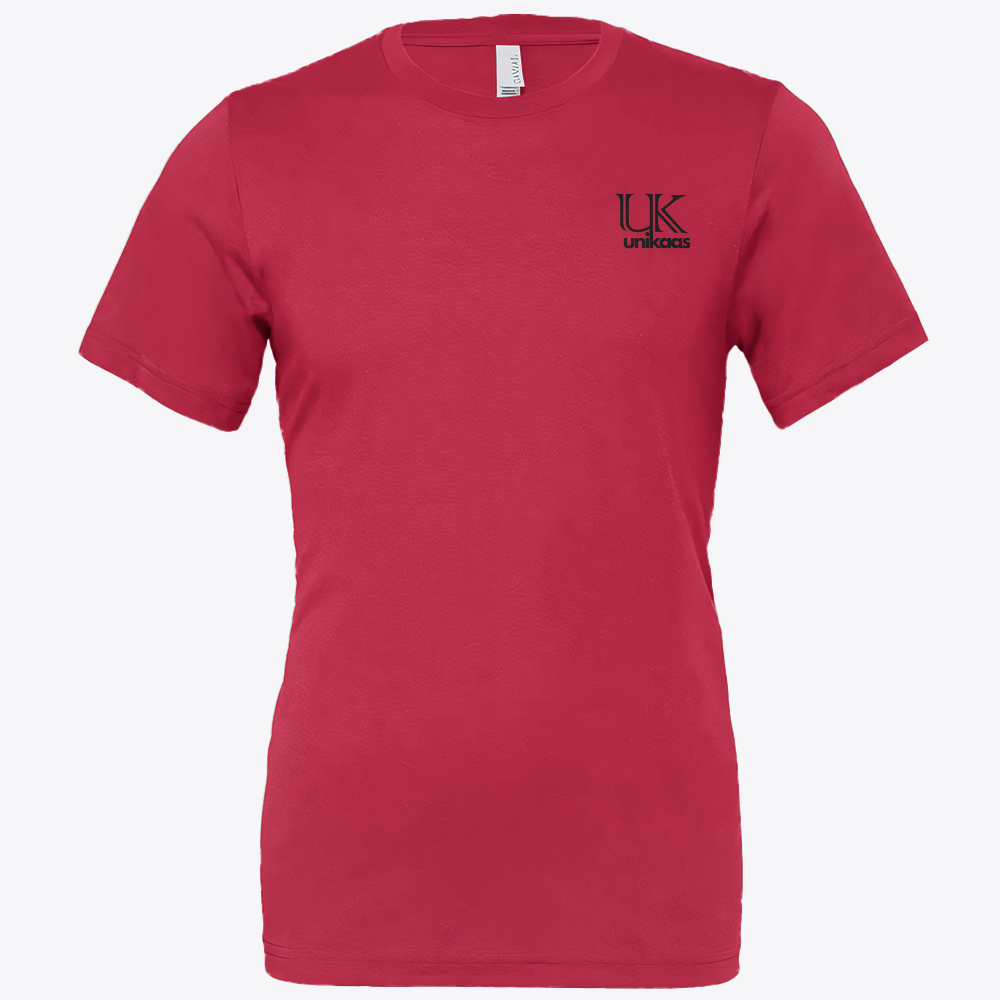
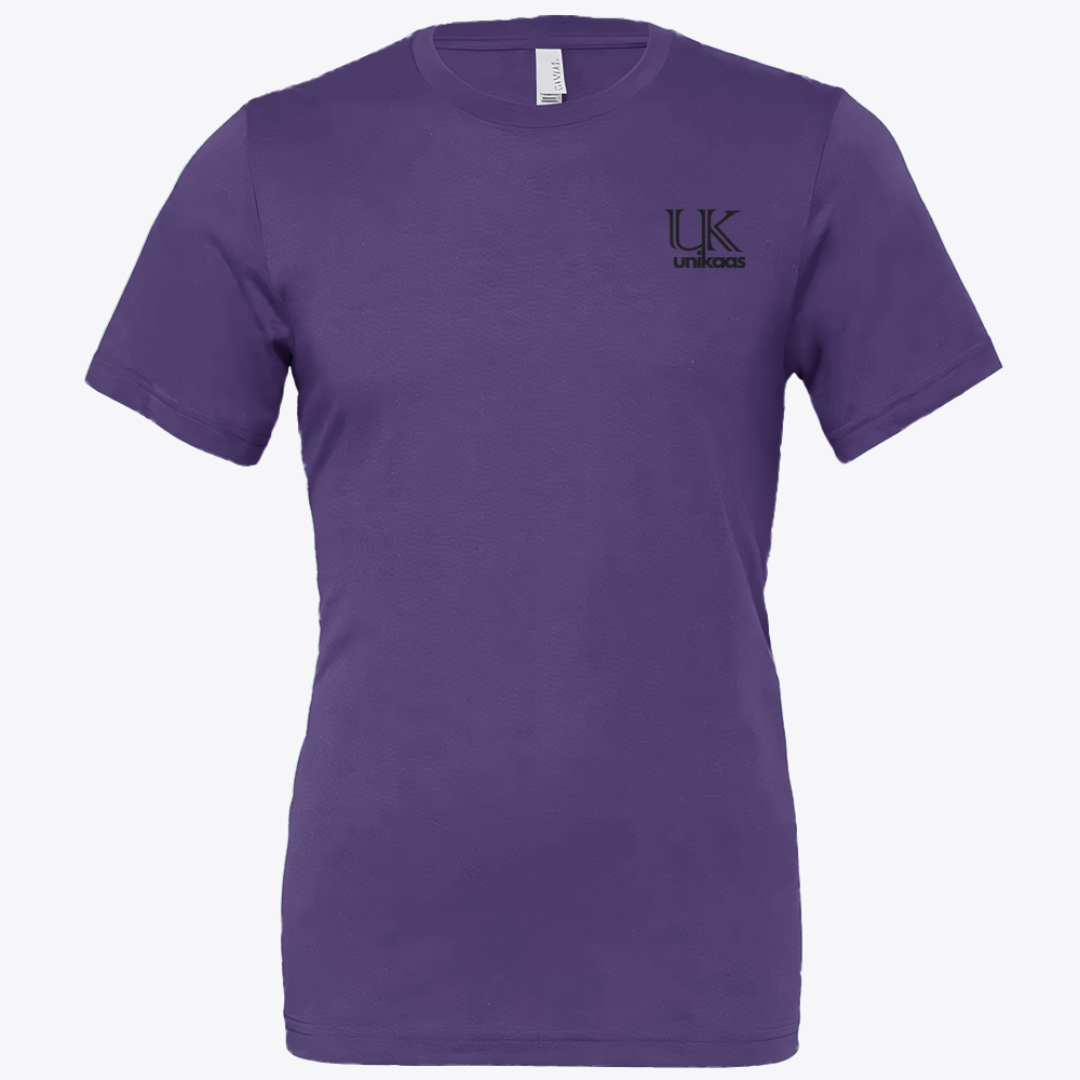

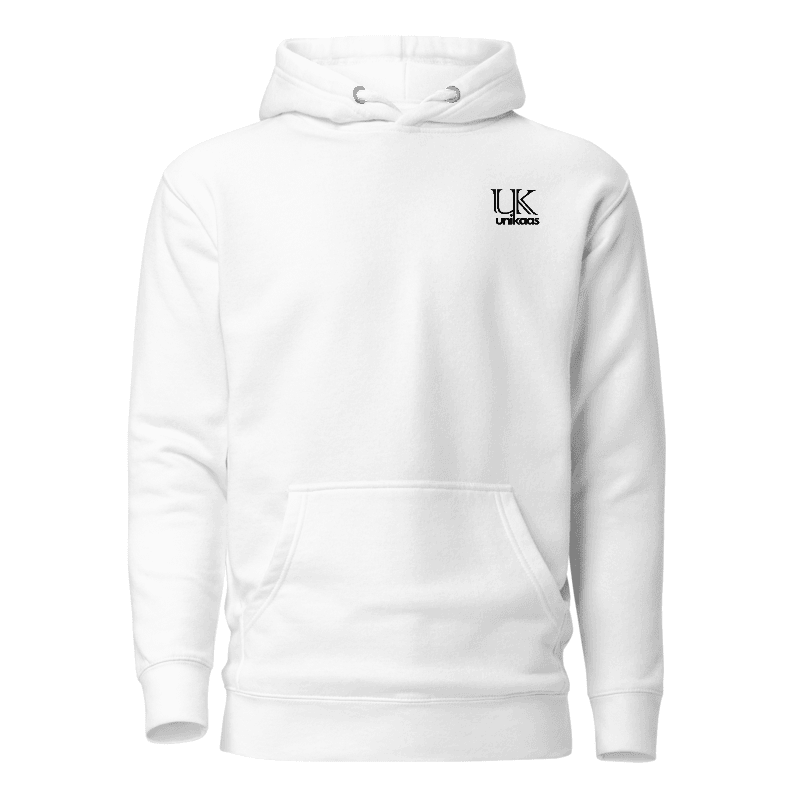

Get Custom Quote Now
What Is Custom Made Clothing?
Custom made clothing refers to garments produced entirely from scratch according to a brand’s specific requirements. This includes custom fabric selection, sizing, stitching patterns, trims, labels, garment cuts, dyeing methods, and finishing techniques.
Unlike blank apparel, custom clothing production involves designing and manufacturing unique garments that do not already exist in standard wholesale catalogs.
Custom made clothing is commonly used by:
- Luxury fashion labels
- Premium designer brands
- High-end streetwear brands
- Boutique fashion houses
- Corporate uniform manufacturers
- Performance sportswear companies
- Fashion retailers seeking exclusivity
The custom manufacturing process usually includes:
- Tech pack creation
- Fabric sourcing
- Sample development
- Pattern making
- Size grading
- Production approval
- Bulk manufacturing
- Quality control
- Packaging
This process requires significantly more time, investment, and technical expertise compared to using blank apparel.
Key Characteristics of Custom Made Clothing
Fully Unique Garments
Every detail can be customized from fit to stitching.
Higher Production Costs
Custom development involves sampling, labor, and fabric sourcing expenses.
Larger Minimum Orders
Factories usually require higher MOQs for custom production.
Longer Lead Times
Production can take several weeks or months.
Greater Brand Exclusivity
Custom garments create stronger product differentiation.
Main Differences Between Blank Apparel and Custom Made Clothing
Understanding the core differences between blank apparel and custom manufacturing helps businesses make better sourcing decisions.
| Feature | Blank Apparel | Custom Made Clothing |
|---|---|---|
| Production Method | Pre-manufactured garments | Made from scratch |
| Startup Cost | Low | High |
| Production Speed | Fast | Slow |
| Customization | Surface-level | Full garment customization |
| Minimum Order Quantity | Low | High |
| Inventory Risk | Lower | Higher |
| Fabric Control | Limited | Complete |
| Scalability | Easy | More complex |
| Suitable for Startups | Yes | Less ideal |
| Brand Exclusivity | Moderate | High |
Why Startups Prefer Blank Apparel
Most new fashion brands and print businesses begin with blank apparel because it provides a low-risk entry into the apparel market.
Lower Financial Risk
Developing custom garments requires significant investment in:
- Sampling
- Fabric sourcing
- Manufacturing
- Quality control
- Freight
- Warehousing
Blank apparel eliminates most of these expenses.
A startup can purchase purchase shirts in bulk and start selling branded products immediately without massive capital investment.
Faster Market Entry
Speed matters in fashion. Trends change rapidly, especially in streetwear and online retail.
Using vintage t-shirt blank products or long sleeve t-shirt blanks allows brands to release collections quickly and test customer demand.
Easier Product Testing
Blank apparel helps brands validate designs before investing in custom production.
For example:
- Testing color popularity
- Measuring print demand
- Identifying preferred fits
- Understanding customer feedback
Ideal for Print Businesses
Screen printers and embroidery companies rely heavily on blank garments because customers usually need custom logos added to standard clothing products.
Products like plain hoodies for printing are especially popular for:
- School hoodies
- Event merchandise
- Corporate uniforms
- Streetwear drops
Advantages of Blank Apparel
Blank apparel continues to dominate the global merchandise and startup fashion market for several important reasons.
Cost Efficiency
Blank garments are mass-produced, reducing manufacturing costs substantially.
This makes products like gildan t-shirts bulk highly affordable for businesses ordering large quantities.
Lower garment costs improve:
- Profit margins
- Retail pricing flexibility
- Promotional campaign affordability
- Inventory scalability
Faster Delivery
Since products are already manufactured, businesses can receive stock quickly.
This is essential for:
- Seasonal launches
- Viral trend responses
- Event deadlines
- Ecommerce restocking
Wide Product Variety
Blank apparel suppliers offer numerous options including:
- Oversized fits
- Heavyweight cotton
- Polyester performance wear
- Vintage washed garments
- Athletic cuts
- Premium fleece hoodies
Brands can choose from many categories without building products from scratch.
Easier International Expansion
Businesses selling in multiple countries benefit from standardized blank apparel inventory.
At Unikaas, international buyers from the UK, USA, UAE, Canada, and Australia can source wholesale basics efficiently through collections such as bulk polyester shirts for sublimation and dri fit t-shirts bulk.
Lower Manufacturing Complexity
Managing custom manufacturing requires:
- Production monitoring
- Fabric testing
- Sampling approvals
- Factory communication
- Compliance verification
Blank apparel removes much of this complexity.
Advantages of Custom Made Clothing
Although blank apparel is practical, custom clothing offers benefits that some brands consider essential.
Complete Brand Identity Control
Custom garments allow brands to create unique:
- Fabric blends
- Silhouettes
- Fits
- Wash treatments
- Stitching details
- Trims
- Packaging
This creates stronger product exclusivity.
Competitive Differentiation
In saturated fashion markets, unique garments help brands stand out.
Luxury streetwear labels often use:
- Custom heavyweight fabrics
- Unique oversized cuts
- Distressed finishes
- Special dye techniques
Premium Pricing Potential
Custom clothing often supports higher retail prices because consumers perceive the products as more exclusive.
Proprietary Fits
Brands can create signature sizing and garment cuts unavailable elsewhere.
Stronger Long-Term Branding
Custom garments build stronger brand recognition over time through distinctive product design.
Disadvantages of Blank Apparel
Despite its advantages, blank apparel also has limitations.
Limited Exclusivity
Other brands may use the same base garments.
Restricted Fabric Control
Businesses cannot fully customize:
- Fabric composition
- Stitching patterns
- Construction methods
Standardized Fits
Most blank apparel follows general sizing standards rather than proprietary fits.
Dependency on Suppliers
Businesses rely on supplier inventory availability and color consistency.
Disadvantages of Custom Made Clothing
Custom manufacturing also presents several challenges.
High Initial Investment
Costs include:
- Sampling fees
- Pattern making
- Fabric sourcing
- Production setup
Longer Lead Times
Custom production may take months before products are ready for sale.
Larger MOQs
Many factories require substantial order quantities.
Increased Production Risk
Mistakes in sampling or manufacturing can lead to costly losses.
Complex Supply Chain Management
Brands must manage:
- Quality assurance
- Shipping logistics
- Production schedules
- Supplier relationships
Which Option Is Better for Streetwear Brands?
Streetwear brands frequently choose blank apparel during their early growth stages because speed and flexibility are critical.
Why Blank Apparel Works Well for Streetwear
Streetwear trends move rapidly. Brands need:
- Fast product launches
- Limited drops
- Lower inventory risk
- Quick restocking
Products like wholesale hoodies Pakistan and wholesale hoodies Lahore allow regional brands to scale quickly while maintaining reasonable pricing.
Oversized tees, vintage blanks, and heavyweight hoodies are especially popular in modern streetwear culture.
When Streetwear Brands Shift to Custom Manufacturing
As brands grow, they may eventually transition toward custom garments to:
- Differentiate products
- Improve margins
- Build exclusivity
- Control garment quality
Many successful brands start with blank apparel and later move into custom manufacturing after validating market demand.
Cost Comparison Between Blank Apparel and Custom Clothing
Cost plays a major role in apparel sourcing decisions.
Blank Apparel Costs
Typical costs include:
- Garment purchase price
- Printing or embroidery
- Shipping
- Packaging
There are no development expenses.
Custom Clothing Costs
Custom manufacturing expenses often include:
- Tech packs
- Sampling
- Fabric sourcing
- Pattern making
- Production setup
- Bulk manufacturing
- Freight
- Import duties
Custom production can require significantly larger upfront investment.
Profit Margin Considerations
Blank apparel generally offers:
- Lower risk
- Faster ROI
- Easier scaling
Custom clothing offers:
- Higher perceived value
- Better exclusivity
- Potentially higher retail pricing
Businesses must balance these factors carefully.
Production Time Comparison
Time-to-market is critical in fashion.
Blank Apparel Lead Times
Blank garments are usually:
- In stock
- Ready to ship
- Immediately printable
This allows businesses to react quickly to trends.
Custom Manufacturing Lead Times
Custom production often requires:
- Sampling approval
- Fabric sourcing
- Production scheduling
- Manufacturing
- Quality checks
This can take several months.
For businesses operating in fast-moving ecommerce environments, blank apparel often provides a major competitive advantage.
Sustainability Considerations
Sustainability has become increasingly important in apparel manufacturing.
Sustainability Benefits of Blank Apparel
Blank apparel can reduce waste because:
- Businesses order only needed quantities
- On-demand printing reduces overproduction
- Existing inventory is utilized efficiently
Sustainability Challenges in Custom Manufacturing
Custom manufacturing may create:
- Excess fabric waste
- Overstock risks
- Sampling waste
- Unsold inventory
However, custom manufacturing also allows brands to source sustainable fabrics directly.
Best Industries for Blank Apparel
Blank apparel works exceptionally well for many industries.
Print-on-Demand Businesses
POD businesses depend on ready-made blank garments for operational efficiency.
Corporate Merchandise
Companies frequently order customized hoodies and shirts for staff branding.
Sportswear Brands
Athletic startups often use dri fit t-shirts bulk for performance apparel customization.
School and University Apparel
Educational organizations need affordable customizable garments.
Event Merchandise
Concerts, festivals, and conferences rely heavily on blank apparel for promotional products.
Ecommerce Clothing Stores
Online startups benefit from fast inventory turnover and reduced startup costs.
Best Industries for Custom Clothing
Custom manufacturing suits brands seeking full garment control.
Luxury Fashion Labels
Luxury brands require exclusive garment construction.
Designer Streetwear
Premium streetwear often uses proprietary cuts and fabrics.
High-End Sportswear
Performance brands may need advanced fabric technologies.
Boutique Fashion Houses
Small premium labels use custom garments to establish unique market identity.
How Unikaas Supports Apparel Businesses
Unikaas provides businesses with reliable wholesale blank apparel solutions for printing, branding, embroidery, and resale.
Wide Product Selection
Businesses can source:
- Wholesale t-shirts
- Wholesale hoodies
- Plain t-shirts in bulk wholesale
- Bulk polyester shirts for sublimation
- Long sleeve t-shirt blanks
- Vintage t-shirt blank
International Market Support
Unikaas supplies businesses across:
- UK
- USA
- Canada
- UAE
- Australia
- Pakistan
Ideal for Printing Businesses
Products such as plain hoodies for printing are optimized for customization and branding.
Scalable Wholesale Solutions
Whether businesses need small startup quantities or large wholesale inventory, Unikaas supports scalable apparel sourcing.
How to Decide Between Blank Apparel and Custom Clothing
Choosing the right approach depends on business goals, budget, and growth stage.
Choose Blank Apparel If You Want:
- Faster launches
- Lower startup costs
- Easier inventory management
- Print-ready garments
- Reduced production complexity
- Flexible product testing
Choose Custom Clothing If You Want:
- Complete exclusivity
- Proprietary garment designs
- Luxury branding
- Unique fits and fabrics
- Long-term product differentiation
Hybrid Approaches Are Common
Many successful brands combine both strategies.
For example:
- Use blank apparel for basics
- Develop custom garments for premium collections
This approach balances scalability with exclusivity.
Future Trends in Blank Apparel and Custom Manufacturing
The apparel industry continues evolving with new technologies and sourcing strategies.
Growing Demand for Premium Blanks
Modern consumers expect better quality even in blank garments.
Heavyweight cotton, oversized fits, and vintage washes are increasingly popular.
Rise of Small-Batch Manufacturing
Brands are shifting toward smaller production runs to reduce inventory risk.
AI and Digital Sampling
Technology is making custom garment development faster and cheaper.
Sustainability-Focused Production
Eco-friendly materials and ethical sourcing are becoming major purchasing factors.
Faster Ecommerce Cycles
Brands need quicker production methods to keep up with online retail trends.
Blank apparel will likely remain a dominant solution for startups and fast-scaling businesses.
Conclusion
The debate between blank apparel and custom made clothing ultimately depends on business priorities, target markets, production budgets, and long-term branding goals.
Blank apparel offers:
- Faster production
- Lower costs
- Easier scalability
- Reduced startup risk
- Better flexibility for printing and branding
Custom made clothing offers:
- Complete exclusivity
- Unique garment construction
- Stronger luxury positioning
- Greater design freedom
For most startups, ecommerce sellers, print shops, and growing streetwear brands, blank apparel remains the most practical and profitable starting point. It allows businesses to test markets, scale efficiently, and launch products quickly without heavy manufacturing investment.
As brands mature, some transition into custom manufacturing to create stronger differentiation and premium product identity. However, many successful companies continue using high-quality blank apparel because it supports speed, flexibility, and cost efficiency.
Businesses looking for reliable wholesale blank apparel can explore premium collections at Unikaas including wholesale hoodies, wholesale t-shirts, plain hoodies for printing, and gildan t-shirts bulk for scalable apparel growth across global markets.
